

Base Year Value ()
x.x %
x.x %
CAGR ()
x.x %
x.x %
Forecast Year Value ()
x.x %
x.x %
Historical Data Period
Largest Region
Forecast Period
Markt für Flüssigkeitsmanagementsysteme nach Produkt (Flüssigkeitsmanagementsysteme, Einwegartikel und Zubehör für Flüssigkeitsmanagement), Anwendung (Urologie und Nephrologie, Laparoskopie), Endbenutzer, Region, globale Trends und Prognose von 2022 bis 2029
Instant access to hundreds of data points and trends
- Market estimates from 2014-2029
- Competitive analysis, industry segmentation, financial benchmarks
- Incorporates SWOT, Porter's Five Forces and risk management frameworks
- PDF report or online database with Word, Excel and PowerPoint export options
- 100% money back guarantee
Marktübersicht für Flüssigkeitsmanagementsysteme
Der globale Markt für Flüssigkeitsmanagementsysteme wird voraussichtlich von 2020 bis 2029 mit einer durchschnittlichen jährlichen Wachstumsrate von 7,30 % wachsen. Es wird erwartet, dass er von 8,7 Milliarden US-Dollar im Jahr 2020 auf über 16,4 Milliarden US-Dollar im Jahr 2029 ansteigt.
Der Markt für Flüssigkeitsmanagementsysteme umfasst eine Reihe medizinischer Geräte und Ausrüstungen, die für die Handhabung und Regulierung von Flüssigkeiten im menschlichen Körper während chirurgischer Eingriffe oder medizinischer Behandlungen entwickelt wurden. Diese Systeme spielen eine entscheidende Rolle bei der Aufrechterhaltung des Gleichgewichts der Körperflüssigkeiten, der Kontrolle des Blutverlusts und der Gewährleistung optimaler Patientenergebnisse. Zu den wichtigsten Komponenten von Flüssigkeitsmanagementsystemen gehören Pumpen , Schläuche, Behälter und Monitore, die in verschiedenen medizinischen Fachgebieten wie Urologie , Gastroenterologie, Kardiologie und Orthopädie eingesetzt werden. Der Markt wird von Faktoren wie der zunehmenden Verbreitung chronischer Krankheiten, der wachsenden geriatrischen Bevölkerung, der steigenden Zahl chirurgischer Eingriffe und Fortschritten in der Medizintechnik getrieben.
| ATTRIBUT | DETAILS |
| Studiendauer | 2020–2029 |
| Basisjahr | 2021 |
| Geschätztes Jahr | 2022 |
| Voraussichtliches Jahr | 2022–2029 |
| Historischer Zeitraum | 2018-2020 |
| Einheit | USD Millionen |
| Segmentierung | Nach Produkt, Anwendung, Endverbrauch |
| Nach Produkt |
|
| Nach Anwendung |
|
| Nach Endverwendung |
|
| Nach Region |
|
Das Wachstum des Marktes für Flüssigkeitsmanagementsysteme wird von mehreren Faktoren vorangetrieben. Ein wesentlicher Faktor ist die steigende Nachfrage nach minimalinvasiven chirurgischen Eingriffen, die eine präzise Kontrolle und Verwaltung der Körperflüssigkeiten erfordern. Darüber hinaus erfordert die steigende Zahl chronischer Erkrankungen wie Nierenerkrankungen, Herz-Kreislauf-Erkrankungen und Krebs ein effektives Flüssigkeitsmanagement während der Behandlung und chirurgischer Eingriffe. Darüber hinaus verbessern technologische Fortschritte wie die Integration fortschrittlicher Sensoren, Roboter und Echtzeitüberwachungssysteme die Effizienz und Sicherheit von Flüssigkeitsmanagementverfahren und treiben das Marktwachstum weiter voran.
The global regulatory framework governing fluid management systems encompasses various regulations, standards, and guidelines set forth by regulatory bodies such as the Food and Drug Administration (FDA) in the United States, the European Medicines Agency (EMA) in the European Union, and other regional health authorities. These regulations ensure the safety, efficacy, and quality of fluid management devices and equipment, thereby safeguarding patient health and promoting innovation in the industry. Compliance with regulatory requirements is imperative for manufacturers to obtain market approval and commercialize their products, fostering transparency and accountability in the fluid management system market.
Frequently Asked Questions
• What are the drivers in the fluid management system market, globally?
The minimally invasive surgical procedures can drive the growth of the global fluid management system market.
• What is the CAGR of fluid management system market?
The global fluid management system market registered a CAGR of 7.30% from 2022 to 2029.
• Which are the top companies to hold the market share in the fluid management system market?
Key players profiled in the report include Freseni Medical Care AG & Co. KGaA, Baxter International Inc., Cardinal Health, Inc., Stryker Corporation, Olymp Corporation, B. Braun Melsungen AG, Medline Industries, Inc., KARL STORZ GmbH & Co. KG, Ecolab Inc., Smiths Medical, Zimmer Biomet Holdings Inc., Medtronic plc, FUJIFILM Holdings Corporation, CONMED Corporation, Hologic Inc., Arthrex, Inc., Thermedx, LLC., COMEG Medical Technologies, and EndoMed Systems GmbH
• What is the leading application in fluid management system market?
The laparoscopy segment accounted for the greatest revenue in the fluid management system market and will maintain its lead throughout the forecast period.
• Which is the largest regional market for fluid management system market?
North America holds the largest regional market for the fluid management system market.
Fluid Management System Market Segment Analysis
On the basis of Product, the fluid management system is segmented into fluid management systems, fluid management disposables & accessories. In 2019, the systems sector held the greatest market share. This segment's dominance can be due to the high cost of fluid management systems in comparison to accessories and consumables.
Based on the Application the fluid management system is divided into urology and nephrology, laparoscopy, gastroenterology, gynecology/obstetrics, bronchoscopy, arthroscopy, cardiology, neurology, otoscopy, and dentistry. During the forecast period, the laparoscopy application sector is predicted to increase at the fastest CAGR. The rising move toward minimally invasive treatments, which in turn increases the number of laparoscopic operations performed globally, is driving growth in this application area.
On the basis of End-Use the fluid management system is segmented into hospitals, dialysis centers, ambulatory surgical centers. The hospitals category held the biggest market share in 2019 and is expected to grow at the fastest rate during the forecast period. This end-user segment's substantial share and rapid expansion can be attributable mostly to the enormous number of surgical operations conducted in these institutions.
[caption id="attachment_7345" align="alignnone" width="680"]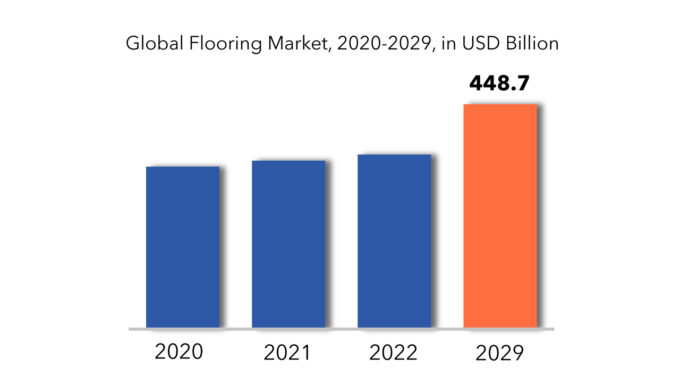
Fluid Management System Market Players
From large companies to small ones, many companies are actively working in the fluid management system market. These key players include Freseni Medical Care AG & Co. KGaA, Baxter International Inc., Cardinal Health, Inc., Stryker Corporation, Olymp Corporation, B. Braun Melsungen AG, Medline Industries, Inc., KARL STORZ GmbH & Co. KG, Ecolab Inc., Smiths Medical, Zimmer Biomet Holdings Inc., Medtronic plc, FUJIFILM Holdings Corporation, CONMED Corporation, Hologic Inc., Arthrex, Inc., Thermedx, LLC., COMEG Medical Technologies, and EndoMed Systems GmbH and others.
Companies are mainly in fluid management system they are competing closely with each other. Innovation is one of the most important key strategies as it has to be for any market. However, companies in the market have also opted for and successfully driven inorganic growth strategies like mergers & acquisitions, and so on.
-
Sept 15, 2021, Smiths Medical Recalls NORMOFLO Irrigation Fluid Warmers and Warming Sets Due to the Possibility of Harmful Levels of Aluminum Leaching into the Fluid Path of the Warmers
- In June 2020, Fresenius Medical Care (Germany) intends to open more than 100 new transitional care units (TCU) in the United States. These modules will assist persons who have just been diagnosed with renal failure in learning about their treatment choices (including home dialysis) and becoming more empowered in controlling their own care.
Who Should Buy? Or Key Stakeholders
- Suppliers
- Manufacturing companies
- Research institutes
- Others
Key Takeaways:
- The global fluid management system market is expected to grow at a 7.30% CAGR.
- On the basis of Product, the systems sector held the greatest market share.
- Based on the Application, the laparoscopy application sector is predicted to increase at the fastest CAGR.
- On the basis of End-Use, the hospitals category held the biggest market share.
- North America shares 36% of the total market.
- The fluid management system market encompasses the sale and utilization of devices and solutions designed to efficiently control, monitor, and administer fluids in various medical and industrial settings.
Fluid Management System Market Regional Analysis
The fluid management system market by region includes North America, Asia-Pacific (APAC), Europe, Middle East & Africa (MEA), and South America.
- North America: includes the US, Canada, Mexico
- Asia Pacific: includes China, Japan, South Korea, India, Australia, ASEAN and Rest of APAC
- Europe: includes UK, Germany, France, Italy, Spain, Russia, and Rest of Europe
- South America: includes Brazil, Argentina and Rest of South America
- Middle East & Africa: includes Turkey, UAE, Saudi Arabia, South Africa, and the Rest of MEA
Its major share is occupied by North America, Europe, Middle East & Africa (MEA), and Asia Pacific. North America shares 36% of the total market. North America controls the fluid management system market and will continue to do so owing to the region's availability of updated and advanced electronics technology.
[caption id="attachment_7346" align="alignnone" width="680"]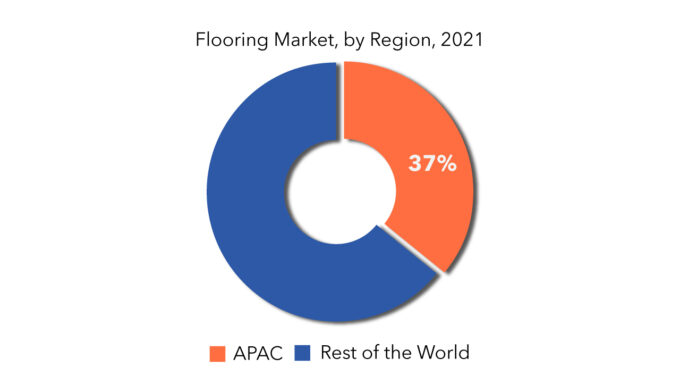
Key Market Segments: Fluid Management System Market
Fluid Management System Market By Product, 2020-2029, (Usd Millions)- Fluid Management Systems
- Fluid Management Disposables & Accessories
- Urology And Nephrology
- Laparoscopy
- Gastroenterology
- Gynecology / Obstetrics
- Bronchoscopy
- Arthroscopy
- Cardiology
- Neurology
- Otoscopy
- Dentistry
- Hospitals
- Dialysis Centers
- Ambulatory Surgical Centers
- North America
- Europe
- Asia Pacific
- South America
- Middle East And Africa
Key Question Answered
- What is the worth of global fluid management system market?
- What are the new trends and advancements in the fluid management system market?
- Which product categories are expected to have the highest growth rate in the fluid management system market?
- Which are the key factors driving the fluid management system market?
- What will the market growth rate, growth momentum, or acceleration the market carries during the forecast period?
- Introduction
- Market Definition
- Market Segmentation
- Research Timelines
- Assumptions and Limitations
- Research Methodology
- Data Mining
- Secondary Research
- Primary Research
- Subject-Matter Experts’ Advice
- Quality Checks
- Final Review
- Data Triangulation
- Bottom-Up Approach
- Top-Down Approach
- Research Flow
- Data Products
- Data Mining
- Executive Summary
- Market Overview
- Global Fluid Management System Market Outlook
- Market Drivers
- Market Restraints
- Market Opportunities
- Impact of Covid-19 On Global Fluid Management System Market
- Global Fluid Management System Market Outlook
- Global Fluid Management System Market by Product, (USD Million)
- Fluid Management Systems
- Fluid Management Disposables & Accessories
- Global Fluid Management System Market by Application, (USD Million)
- Urology and Nephrology
- Laparoscopy
- Gastroenterology
- Gynecology / Obstetrics
- Bronchoscopy
- Arthroscopy
- Cardiology
- Neurology
- Otoscopy
- Global Fluid Management System Market by End-User, (USD Million)
- Hospitals
- Dialysis Centers
- Ambulatory Surgical Centers
- Global Fluid Management System Market by Region, (USD Million)
- Introduction
- Asia-Pacific
- China
- India
- Japan
- South Korea
- Australia
- South-East Asia
- Rest of Asia-Pacific
- North America
- United States
- Canada
- Mexico
- Europe
- Germany
- United Kingdom
- France
- Italy
- Spain
- Russia
- Rest of Europe
- South America
- Brazil
- Argentina
- Colombia
- Rest of South America
- Middle East and Africa
- UAE
- Saudi Arabia
- South Africa
- Rest of Middle East and Africa
- Company Profiles* (Business Overview, Company Snapshot, End-User’s Offered, Recent Developments)
- Freseni Medical Care AG & Co. KGaA
- Baxter International Inc.
- Cardinal HealthInc.
- Stryker Corporation
- Olymp Corporation
- B. Braun Melsungen AG
- Medline IndtriesInc.
- KARL STORZ GmbH & Co. KG
- Ecolab Inc.
- Smiths Medical
- Zimmer Biomet Holdings Inc.
- Medtronic plc
- FUJIFILM Holdings Corporation
- CONMED Corporation
- HologicInc.
- ArthrexInc.
- ThermedxLLC.
- COMEG Medical Technologies
- EndoMed Systems GmbH . *The Company List Is Indicative
LIST OF TABLES
TABLE 1 GLOBAL FLUID MANAGEMENT SYSTEM MARKET BY FABRIC MATERIAL (USD MILLIONS) 2020-2029
TABLE 2 GLOBAL FLUID MANAGEMENT SYSTEM MARKET BY FILTER MEDIA (USD MILLIONS) 2020-2029
TABLE 3 GLOBAL FLUID MANAGEMENT SYSTEM MARKET BY END USER (USD MILLIONS) 2020-2029
TABLE 4 GLOBAL FLUID MANAGEMENT SYSTEM MARKET BY REGION (USD MILLIONS) 2020-2029
TABLE 5 US FLUID MANAGEMENT SYSTEM MARKET BY FABRIC MATERIAL (USD MILLIONS) 2020-2029
TABLE 6 US FLUID MANAGEMENT SYSTEM MARKET BY FILTER MEDIA (USD MILLIONS) 2020-2029
TABLE 7 US FLUID MANAGEMENT SYSTEM MARKET BY END USER (USD MILLIONS) 2020-2029
TABLE 8 CANADA FLUID MANAGEMENT SYSTEM MARKET BY FABRIC MATERIAL (USD MILLIONS) 2020-2029
TABLE 9 CANADA FLUID MANAGEMENT SYSTEM MARKET BY FILTER MEDIA (USD MILLIONS) 2020-2029
TABLE 10 CANADA FLUID MANAGEMENT SYSTEM MARKET BY END USER (USD MILLIONS) 2020-2029
TABLE 11 MEXICO FLUID MANAGEMENT SYSTEM MARKET BY FABRIC MATERIAL (USD MILLIONS) 2020-2029
TABLE 12 MEXICO FLUID MANAGEMENT SYSTEM MARKET BY FILTER MEDIA (USD MILLIONS) 2020-2029
TABLE 13 MEXICO FLUID MANAGEMENT SYSTEM MARKET BY END USER (USD MILLIONS) 2020-2029
TABLE 14 BRAZIL FLUID MANAGEMENT SYSTEM MARKET BY FABRIC MATERIAL (USD MILLIONS) 2020-2029
TABLE 15 BRAZIL FLUID MANAGEMENT SYSTEM MARKET BY FILTER MEDIA (USD MILLIONS) 2020-2029
TABLE 16 BRAZIL FLUID MANAGEMENT SYSTEM MARKET BY END USER (USD MILLIONS) 2020-2029
TABLE 17 ARGENTINA FLUID MANAGEMENT SYSTEM MARKET BY FABRIC MATERIAL (USD MILLIONS) 2020-2029
TABLE 18 ARGENTINA FLUID MANAGEMENT SYSTEM MARKET BY FILTER MEDIA (USD MILLIONS) 2020-2029
TABLE 19 ARGENTINA FLUID MANAGEMENT SYSTEM MARKET BY END USER (USD MILLIONS) 2020-2029
TABLE 20 COLOMBIA FLUID MANAGEMENT SYSTEM MARKET BY FABRIC MATERIAL (USD MILLIONS) 2020-2029
TABLE 21 COLOMBIA FLUID MANAGEMENT SYSTEM MARKET BY FILTER MEDIA (USD MILLIONS) 2020-2029
TABLE 22 COLOMBIA FLUID MANAGEMENT SYSTEM MARKET BY END USER (USD MILLIONS) 2020-2029
TABLE 23 REST OF SOUTH AMERICA FLUID MANAGEMENT SYSTEM MARKET BY FABRIC MATERIAL (USD MILLIONS) 2020-2029
TABLE 24 REST OF SOUTH AMERICA FLUID MANAGEMENT SYSTEM MARKET BY FILTER MEDIA (USD MILLIONS) 2020-2029
TABLE 25 REST OF SOUTH AMERICA FLUID MANAGEMENT SYSTEM MARKET BY END USER (USD MILLIONS) 2020-2029
TABLE 26 INDIA FLUID MANAGEMENT SYSTEM MARKET BY FABRIC MATERIAL (USD MILLIONS) 2020-2029
TABLE 27 INDIA FLUID MANAGEMENT SYSTEM MARKET BY FILTER MEDIA (USD MILLIONS) 2020-2029
TABLE 28 INDIA FLUID MANAGEMENT SYSTEM MARKET BY END USER (USD MILLIONS) 2020-2029
TABLE 29 CHINA FLUID MANAGEMENT SYSTEM MARKET BY FABRIC MATERIAL (USD MILLIONS) 2020-2029
TABLE 30 CHINA FLUID MANAGEMENT SYSTEM MARKET BY FILTER MEDIA (USD MILLIONS) 2020-2029
TABLE 31 CHINA FLUID MANAGEMENT SYSTEM MARKET BY END USER (USD MILLIONS) 2020-2029
TABLE 32 JAPAN FLUID MANAGEMENT SYSTEM MARKET BY FABRIC MATERIAL (USD MILLIONS) 2020-2029
TABLE 33 JAPAN FLUID MANAGEMENT SYSTEM MARKET BY FILTER MEDIA (USD MILLIONS) 2020-2029
TABLE 34 JAPAN FLUID MANAGEMENT SYSTEM MARKET BY END USER (USD MILLIONS) 2020-2029
TABLE 35 SOUTH KOREA FLUID MANAGEMENT SYSTEM MARKET BY FABRIC MATERIAL (USD MILLIONS) 2020-2029
TABLE 36 SOUTH KOREA FLUID MANAGEMENT SYSTEM MARKET BY FILTER MEDIA (USD MILLIONS) 2020-2029
TABLE 37 SOUTH KOREA FLUID MANAGEMENT SYSTEM MARKET BY END USER (USD MILLIONS) 2020-2029
TABLE 38 AUSTRALIA FLUID MANAGEMENT SYSTEM MARKET BY FABRIC MATERIAL (USD MILLIONS) 2020-2029
TABLE 39 AUSTRALIA FLUID MANAGEMENT SYSTEM MARKET BY FILTER MEDIA (USD MILLIONS) 2020-2029
TABLE 40 AUSTRALIA FLUID MANAGEMENT SYSTEM MARKET BY END USER (USD MILLIONS) 2020-2029
TABLE 41 SOUTH-EAST ASIA FLUID MANAGEMENT SYSTEM MARKET BY FABRIC MATERIAL (USD MILLIONS) 2020-2029
TABLE 42 SOUTH-EAST ASIA FLUID MANAGEMENT SYSTEM MARKET BY FILTER MEDIA (USD MILLIONS) 2020-2029
TABLE 43 SOUTH-EAST ASIA FLUID MANAGEMENT SYSTEM MARKET BY END USER (USD MILLIONS) 2020-2029
TABLE 44 REST OF ASIA PACIFIC FLUID MANAGEMENT SYSTEM MARKET BY FABRIC MATERIAL (USD MILLIONS) 2020-2029
TABLE 45 REST OF ASIA PACIFIC FLUID MANAGEMENT SYSTEM MARKET BY FILTER MEDIA (USD MILLIONS) 2020-2029
TABLE 46 REST OF ASIA PACIFIC FLUID MANAGEMENT SYSTEM MARKET BY END USER (USD MILLIONS) 2020-2029
TABLE 47 GERMANY FLUID MANAGEMENT SYSTEM MARKET BY FABRIC MATERIAL (USD MILLIONS) 2020-2029
TABLE 48 GERMANY FLUID MANAGEMENT SYSTEM MARKET BY FILTER MEDIA (USD MILLIONS) 2020-2029
TABLE 49 GERMANY FLUID MANAGEMENT SYSTEM MARKET BY END USER (USD MILLIONS) 2020-2029
TABLE 50 UK FLUID MANAGEMENT SYSTEM MARKET BY FABRIC MATERIAL (USD MILLIONS) 2020-2029
TABLE 51 UK FLUID MANAGEMENT SYSTEM MARKET BY FILTER MEDIA (USD MILLIONS) 2020-2029
TABLE 52 UK FLUID MANAGEMENT SYSTEM MARKET BY END USER (USD MILLIONS) 2020-2029
TABLE 53 FRANCE FLUID MANAGEMENT SYSTEM MARKET BY FABRIC MATERIAL (USD MILLIONS) 2020-2029
TABLE 54 FRANCE FLUID MANAGEMENT SYSTEM MARKET BY FILTER MEDIA (USD MILLIONS) 2020-2029
TABLE 55 FRANCE FLUID MANAGEMENT SYSTEM MARKET BY END USER (USD MILLIONS) 2020-2029
TABLE 56 ITALY FLUID MANAGEMENT SYSTEM MARKET BY FABRIC MATERIAL (USD MILLIONS) 2020-2029
TABLE 57 ITALY FLUID MANAGEMENT SYSTEM MARKET BY FILTER MEDIA (USD MILLIONS) 2020-2029
TABLE 58 ITALY FLUID MANAGEMENT SYSTEM MARKET BY END USER (USD MILLIONS) 2020-2029
TABLE 59 SPAIN FLUID MANAGEMENT SYSTEM MARKET BY FABRIC MATERIAL (USD MILLIONS) 2020-2029
TABLE 60 SPAIN FLUID MANAGEMENT SYSTEM MARKET BY FILTER MEDIA (USD MILLIONS) 2020-2029
TABLE 61 SPAIN FLUID MANAGEMENT SYSTEM MARKET BY END USER (USD MILLIONS) 2020-2029
TABLE 62 RUSSIA FLUID MANAGEMENT SYSTEM MARKET BY FABRIC MATERIAL (USD MILLIONS) 2020-2029
TABLE 63 RUSSIA FLUID MANAGEMENT SYSTEM MARKET BY FILTER MEDIA (USD MILLIONS) 2020-2029
TABLE 64 RUSSIA FLUID MANAGEMENT SYSTEM MARKET BY END USER (USD MILLIONS) 2020-2029
TABLE 65 REST OF EUROPE FLUID MANAGEMENT SYSTEM MARKET BY FABRIC MATERIAL (USD MILLIONS) 2020-2029
TABLE 66 REST OF EUROPE FLUID MANAGEMENT SYSTEM MARKET BY FILTER MEDIA (USD MILLIONS) 2020-2029
TABLE 67 REST OF EUROPE FLUID MANAGEMENT SYSTEM MARKET BY END USER (USD MILLIONS) 2020-2029
TABLE 68 UAE FLUID MANAGEMENT SYSTEM MARKET BY FABRIC MATERIAL (USD MILLIONS) 2020-2029
TABLE 69 UAE FLUID MANAGEMENT SYSTEM MARKET BY FILTER MEDIA (USD MILLIONS) 2020-2029
TABLE 70 UAE FLUID MANAGEMENT SYSTEM MARKET BY END USER (USD MILLIONS) 2020-2029
TABLE 71 SAUDI ARABIA FLUID MANAGEMENT SYSTEM MARKET BY FABRIC MATERIAL (USD MILLIONS) 2020-2029
TABLE 72 SAUDI ARABIA FLUID MANAGEMENT SYSTEM MARKET BY FILTER MEDIA (USD MILLIONS) 2020-2029
TABLE 73 SAUDI ARABIA FLUID MANAGEMENT SYSTEM MARKET BY END USER (USD MILLIONS) 2020-2029
TABLE 74 SOUTH AFRICA FLUID MANAGEMENT SYSTEM MARKET BY FABRIC MATERIAL (USD MILLIONS) 2020-2029
TABLE 75 SOUTH AFRICA FLUID MANAGEMENT SYSTEM MARKET BY FILTER MEDIA (USD MILLIONS) 2020-2029
TABLE 76 SOUTH AFRICA FLUID MANAGEMENT SYSTEM MARKET BY END USER (USD MILLIONS) 2020-2029
TABLE 77 REST OF MIDDLE EAST AND AFRICA FLUID MANAGEMENT SYSTEM MARKET BY FABRIC MATERIAL (USD MILLIONS) 2020-2029
TABLE 78 REST OF MIDDLE EAST AND AFRICA FLUID MANAGEMENT SYSTEM MARKET BY FILTER MEDIA (USD MILLIONS) 2020-2029
TABLE 79 REST OF MIDDLE EAST AND AFRICA FLUID MANAGEMENT SYSTEM MARKET BY END USER (USD MILLIONS) 2020-2029
LIST OF FIGURES
FIGURE 1 MARKET DYNAMICS
FIGURE 2 MARKET SEGMENTATION
FIGURE 3 REPORT TIMELINES: YEARS CONSIDERED
FIGURE 4 DATA TRIANGULATION
FIGURE 5 BOTTOM-UP APPROACH
FIGURE 6 TOP-DOWN APPROACH
FIGURE 7 RESEARCH FLOW
FIGURE 8 GLOBAL FLUID MANAGEMENT SYSTEM MARKET BY PRODUCT, USD MILLION, 2020-2029
FIGURE 9 GLOBAL FLUID MANAGEMENT SYSTEM MARKET BY APPLICATION, USD MILLION, 2020-2029
FIGURE 10 GLOBAL FLUID MANAGEMENT SYSTEM MARKET BY END-USER USD MILLION, 2020-2029
FIGURE 11 GLOBAL FLUID MANAGEMENT SYSTEM MARKET BY REGION, USD MILLION, 2020-2029
FIGURE 12 PORTER’S FIVE FORCES MODEL
FIGURE 13 FLUID MANAGEMENT SYSTEM MARKET BY REGION 2020
FIGURE 14 MARKET SHARE ANALYSIS
FIGURE 15 FRESENI MEDICAL CARE AG & CO. KGAA: COMPANY SNAPSHOT
FIGURE 16 BAXTER INTERNATIONAL INC.: COMPANY SNAPSHOT
FIGURE 17 CARDINAL HEALTHINC.: COMPANY SNAPSHOT
FIGURE 18 STRYKER CORPORATION: COMPANY SNAPSHOT
FIGURE 19 OLYMP CORPORATION: COMPANY SNAPSHOT
FIGURE 20 B. BRAUN MELSUNGEN AG: COMPANY SNAPSHOT
FIGURE 21 MEDLINE INDTRIESINC.: COMPANY SNAPSHOT
FIGURE 22 KARL STORZ GMBH & CO. KG: COMPANY SNAPSHOT
FIGURE 23 ECOLAB INC.: COMPANY SNAPSHOT
FIGURE 24 SMITHS MEDICAL: COMPANY SNAPSHOT
FIGURE 25 ZIMMER BIOMET HOLDINGS INC.: COMPANY SNAPSHOT
FIGURE 26 MEDTRONIC PLC: COMPANY SNAPSHOT
FIGURE 27 FUJIFILM HOLDINGS CORPORATION: COMPANY SNAPSHOT
FIGURE 28 CONMED CORPORATION: COMPANY SNAPSHOT
FIGURE 29 HOLOGICINC.: COMPANY SNAPSHOT
FIGURE 30 ARTHREXINC.: COMPANY SNAPSHOT
FIGURE 31 THERMEDXLLC.: COMPANY SNAPSHOT
FIGURE 32 COMEG MEDICAL TECHNOLOGIES: COMPANY SNAPSHOT
FIGURE 33 ENDOMED SYSTEMS GMBH.: COMPANY SNAPSHOT
DOWNLOAD FREE SAMPLE REPORT
License Type
SPEAK WITH OUR ANALYST
Want to know more about the report or any specific requirement?
WANT TO CUSTOMIZE THE REPORT?
Our Clients Speak
We asked them to research ‘ Equipment market’ all over the world, and their whole arrangement was helpful to us. thehealthanalytics.com insightful analysis and reports contributed to our current analysis and in creating a future strategy. Besides, the te
Yosuke Mitsui
Senior Associate Construction Equipment Sales & Marketing
We asked them to research ‘Equipment market’ all over the world, and their whole arrangement was helpful to us. thehealthanalytics.com insightful analysis and reports contributed to our current analysis and in creating a future strategy. Besides, the te