

Base Year Value ()
x.x %
x.x %
CAGR ()
x.x %
x.x %
Forecast Year Value ()
x.x %
x.x %
Historical Data Period
Largest Region
Forecast Period
Mercado de moduladores del gusto por tipo (moduladores dulces, moduladores de sal, moduladores de grasa), por aplicación (alimentos, bebidas, productos farmacéuticos) y región, tendencias globales y pronóstico de 2022 a 2029
Instant access to hundreds of data points and trends
- Market estimates from 2014-2029
- Competitive analysis, industry segmentation, financial benchmarks
- Incorporates SWOT, Porter's Five Forces and risk management frameworks
- PDF report or online database with Word, Excel and PowerPoint export options
- 100% money back guarantee
Descripción general del mercado de moduladores del gusto
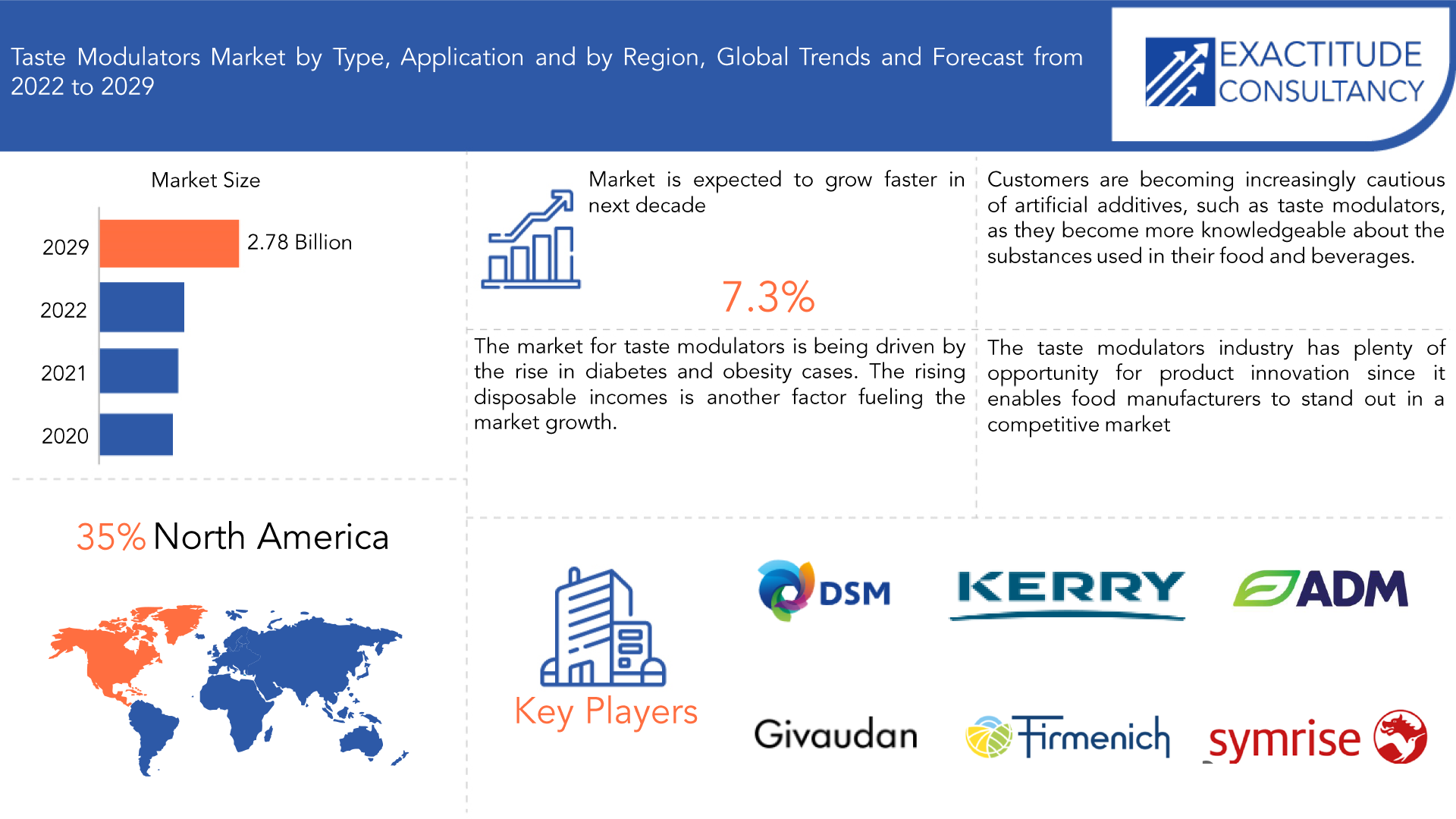
Se espera que el mercado de moduladores del gusto crezca a una tasa compuesta anual del 7,3 % entre 2022 y 2029. Se espera que alcance más de 2780 millones de dólares en 2029 desde 1200 millones de dólares en 2020.
Los moduladores del sabor son compuestos que pueden modificar el sabor que los alimentos y las bebidas tienen para el consumidor. Estos compuestos pueden potenciar, suprimir o modificar los sabores fundamentales de los alimentos y las bebidas, como el dulce, el ácido, el amargo, el salado y el umami. Los moduladores del sabor naturales o sintéticos se añaden a una variedad de alimentos y bebidas para mejorar su sabor y su contenido nutricional. Por ejemplo, se utilizan edulcorantes artificiales en lugar del azúcar para impartir dulzura sin añadir calorías. De manera similar, se emplean sustitutos de la sal para impartir un sabor salado sin la adición de sodio. Las hierbas y especias como el comino, el jengibre y la canela son algunos ejemplos de modificadores naturales del sabor. Pueden potenciar tanto el valor nutricional como el sabor de las comidas.
Los moduladores del gusto son sustancias que se incorporan a un producto o estimulan el cerebro cuando se toman para producir un sabor particular o la percepción de un cierto sabor. Pueden imitar el gusto o la sensación de saborear sabores como dulce, salado, sabroso, amargo, etc. Además, se conocen como potenciadores del sabor o agentes enmascaradores. Duplican el sabor pero no el contenido calórico u otros efectos negativos del componente original. Por ejemplo, los moduladores del dulzor producen el dulzor del azúcar sin imitar sus consecuencias negativas sobre los niveles de azúcar en sangre, el peso corporal o la salud cardíaca.
A medida que las empresas alimentarias se esfuerzan por ofrecer productos más sanos y agradables al paladar, el uso de moduladores del sabor es un campo de investigación y desarrollo en expansión en la industria alimentaria. Sin embargo, la investigación sobre la utilidad y la seguridad de los moduladores del sabor aún está en curso y se han planteado algunas preguntas sobre sus implicaciones para la salud a largo plazo.
| ATRIBUTO | DETALLES |
| Periodo de estudio | 2020-2029 |
| Año base | 2021 |
| Año estimado | 2022 |
| Año pronosticado | 2022-2029 |
| Periodo histórico | 2018-2020 |
| Unidad | Valor (miles de millones de USD, kilotones) |
| Segmentación | Por tipo, por aplicación, por región |
| Por tipo |
|
| Por aplicación |
|
| Por región |
|
El mercado de moduladores del gusto está siendo impulsado por el aumento de casos de diabetes y obesidad. Existe una creciente demanda de opciones de alimentos y bebidas más saludables que sean bajas en azúcar, grasa y calorías. Debido a que la diabetes y la obesidad son problemas de salud pública graves, se pueden utilizar moduladores del gusto para disminuir la cantidad de estos ingredientes en alimentos y bebidas, manteniendo al mismo tiempo un sabor satisfactorio. Por ejemplo, se pueden utilizar edulcorantes artificiales como sustitutos del azúcar en alimentos y bebidas para proporcionar un sabor dulce sin las calorías añadidas. Se pueden utilizar sustitutos de la sal para proporcionar un sabor salado sin el sodio añadido, lo que puede ser un problema para las personas con presión arterial alta. Al ofrecer opciones más saludables que aún tengan buen sabor, el uso de moduladores del gusto en alimentos y bebidas puede ayudar a abordar los problemas de salud relacionados con la diabetes y la obesidad. Dado que la prevalencia de estas enfermedades sigue aumentando en todo el mundo, esto es especialmente crucial.
El mercado de moduladores de sabor también está siendo impulsado por el aumento de los ingresos disponibles. Es probable que los consumidores gasten más en alimentos y bebidas de alta gama que brinden una mejor experiencia de sabor. Como resultado de esto, ha aumentado la necesidad de moduladores de sabor que puedan mejorar el sabor de los alimentos y las bebidas. El mercado se está expandiendo como resultado de la creación de nuevos moduladores de sabor que ofrecen una experiencia sensorial de primera calidad. Los fabricantes de alimentos están invirtiendo en I+D para crear moduladores de sabor novedosos e innovadores que puedan mejorar el sabor de sus productos.
Los consumidores se muestran cada vez más cautelosos con respecto a los aditivos artificiales, como los moduladores del sabor, a medida que conocen mejor las sustancias que se utilizan en sus alimentos y bebidas. Este escepticismo puede hacer que los consumidores desconfíen del sector alimentario y prefieran productos menos procesados y más naturales. Algunos moduladores del sabor también pueden provocar efectos secundarios indeseables en algunos consumidores, como dolores de cabeza o reacciones alérgicas. Estos incidentes desfavorables pueden hacer que disminuya la confianza de los consumidores y la demanda de moduladores del sabor.
[título id="attachment_21816" align="aligncenter" width="1920"]
Frequently Asked Questions
• What is the worth of taste modulators market?
The taste modulators market is expected to grow at 7.3 % CAGR from 2022 to 2029. It is expected to reach above USD 2.78 billion by 2029 from USD 1.2 billion in 2020.
• What is the size of the North America taste modulators market?
North America held more than 35% of the Taste Modulators Market revenue share in 2021 and will witness expansion in the forecast period.
• What are some of the market's driving forces?
The market for taste modulators is a being driven by the rise in diabetes and obesity cases. There is a growing demand for healthier food and beverage options that are low in sugar, fat, and calories because diabetes and obesity are serious public health concerns. In order to decrease the amount of these ingredients in food and beverages while maintaining a satisfying taste, taste modulators can be used.
• Which are the top companies to hold the market share in taste modulators market?
The taste modulators market key players include DSM, Kerry Group, ADM, Ingredion, Givaudan, Firmenich S.A, International Flavors & Fragrances Inc, Symrise, Bernard Food Industries.; Ajinomoto Health & Nutrition North America, Inc, Sensient Technologies Corporation, Senomyx, Carmi Flavour & Fragrance Co. Inc., and Flavorchem Corporation.
Taste Modulators Market Segment Analysis
The taste modulators market is segmented based on type and application.
Based on type, market is categorized into sweet modulators, salt modulators and fat modulators. The sweet modulators category led the market. Sweet modulators imitate the sweetness of sucrose. Similar to a sweet flavor, they stimulate the brain or cells. In contrast to sugar's high calorie content, it provides the sweet flavour of sugar without any calories. Various goods, such as sweets, yogurt, smoothies, cakes, syrups, shakes, chocolates, and cookies, have been utilized as sweet modulators. They are utilized in both food and drink. The need for sweet modulators to substitute sugar in the various items stated above will increase as people become more aware of the negative effects of consuming sugar.
Based on the application, taste modulators market is segmented into food, beverage and pharmaceuticals. These segments are further sub segmented into confectionery products, bakery products, dairy products, snacks, non-alcoholic beverages, alcoholic beverages and others. The beverages sector now holds the biggest market share for taste modulators. The beverages market covers a wide range of items, such as carbonated soft drinks, energy drinks, sports drinks, and flavoured water. These products use taste modulators to improve their flavor, lower their sugar content, and give customers a more enjoyable tasting product.
[caption id="attachment_21818" align="aligncenter" width="1920"]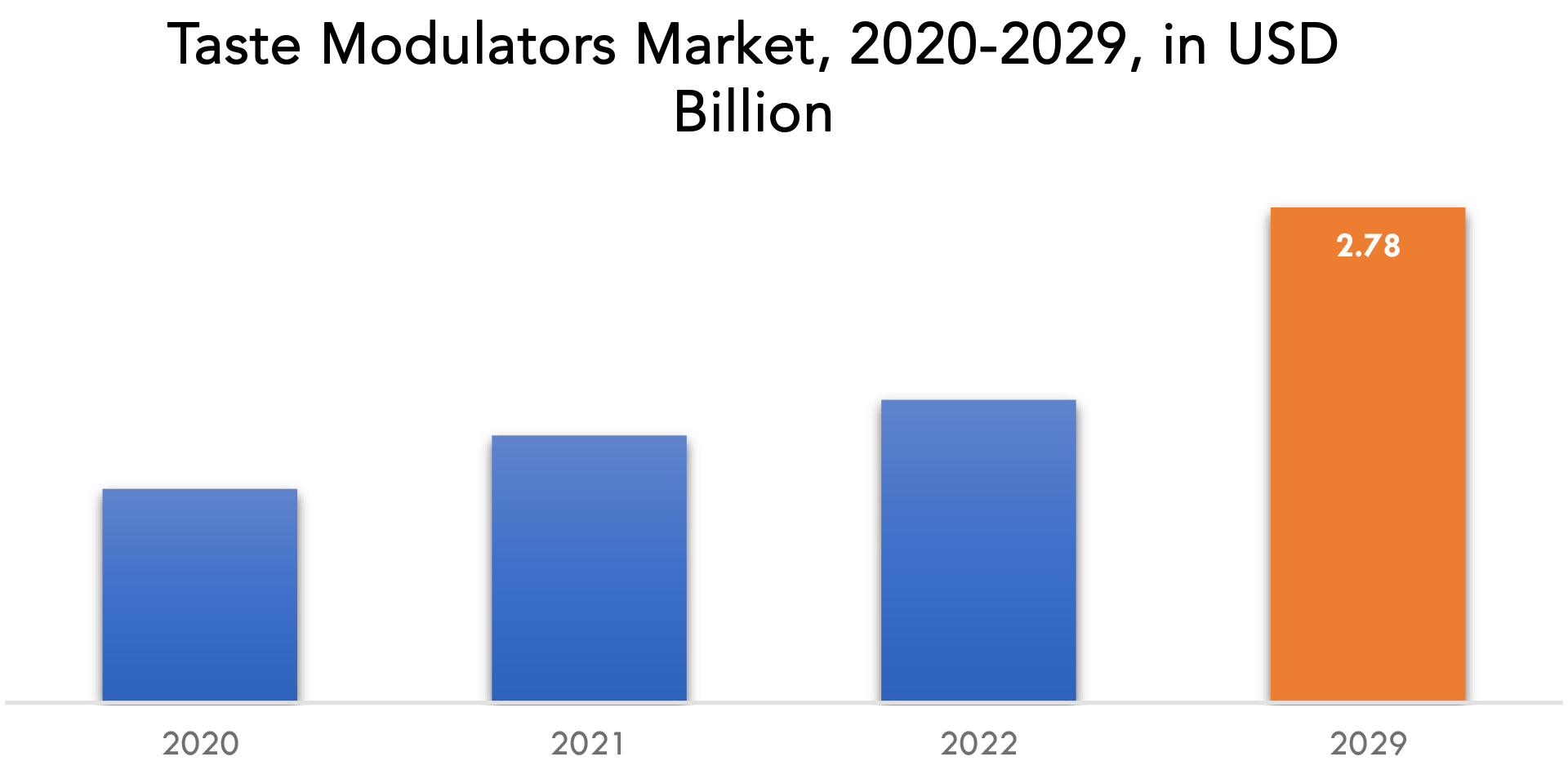
Taste Modulators Market Players
The taste modulators market key players include DSM, Kerry Group, ADM, Ingredion, Givaudan, Firmenich S.A, International Flavors & Fragrances Inc, Symrise, Bernard Food Industries.; Ajinomoto Health & Nutrition North America, Inc, Sensient Technologies Corporation, Senomyx, Carmi Flavour & Fragrance Co. Inc., and Flavorchem Corporation.
November 18, 2021: Kerry released Tastesense sweet organic certified as first organic-certified sweet modulator in US market. Delivering a clean, sweet taste, with excellent mouthfeel and a balanced flavor profile, this taste ingredient has many applications for Organic Certified beverages. May 27, 2020: Kerry released Tastesense Sweet Suitable for Organic into the European food and beverage manufacturing marketplace.Who Should Buy? Or Key stakeholders
- Taste Modulators Suppliers
- Raw Materials Manufacturers
- Pharmaceutical and nutraceuticals manufacturers
- Food and beverage suppliers
- Food safety agencies
- Research Organizations
- Investors
- Regulatory Authorities
- Others
Taste Modulators Market Regional Analysis
The taste modulators market by region includes North America, Asia-Pacific (APAC), Europe, South America, and Middle East & Africa (MEA).
- North America: includes the US, Canada, Mexico
- Asia Pacific: includes China, Japan, South Korea, India, Australia, ASEAN and Rest of APAC
- Europe: includes UK, Germany, France, Italy, Spain, Russia, and Rest of Europe
- South America: includes Brazil, Argentina and Rest of South America
- Middle East & Africa: includes Turkey, UAE, Saudi Arabia, South Africa, and Rest of MEA
The growing demand for low-calorie and low-sugar food and beverage items as well as rising consumer awareness of health and wellbeing are two factors driving the growth of the North American taste modulators market. In the upcoming years, the market is anticipated to keep expanding due to a number of variables. The high prevalence of obesity and related disorders, such as diabetes, in the region is one of the major factors driving the North American taste modulators market. The demand for low-calorie and low-sugar food and beverage items has surged as a result. These goods use taste modulators to improve flavour without adding more calories or sugar. Additionally, there is a rising market for natural taste modifiers made from plant sources in North America due to consumer demand for clean-label and natural food and beverage items. The high disposable income of consumers in the region is another factor driving the market for flavour modulators in North America. Customers are prepared to spend more for food and beverage products that are healthier and more natural, which has raised the demand for taste modulators that can improve the flavour of these goods without reducing their health advantages.
Due to the region's rapid urbanisation and expanding western influence on the population, the Asia Pacific is predicted to grow the quickest during the forecast period. The development of the taste modulators market in the area will be aided by the western food culture of diet soda, packaged foods without added sugar, fat, or salt, and low-sodium meals. The market for these goods is also growing as a result of the population's rising disposable income. The rapidly expanding food and beverage industry in this region, the rising health and wellness trend, the rising prevalence of obesity and diabetes, and the rising demand for processed food products in emerging and developing nations like India, China, Indonesia, and Thailand are all contributing factors.
[caption id="attachment_21819" align="aligncenter" width="1920"]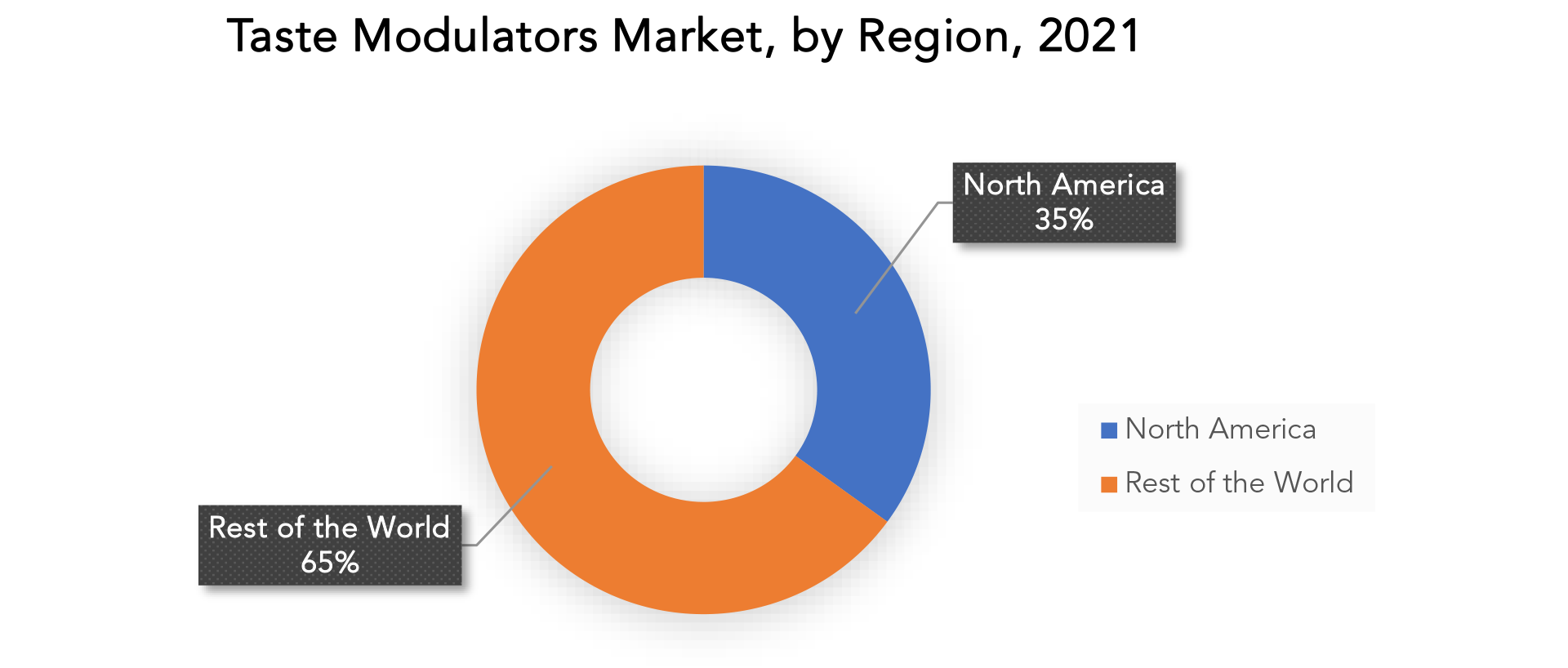
Key Market Segments: Taste Modulators Market
Taste Modulators Market by Type, 2020-2029, (USD Billion, Kilotons)- Sweet Modulators
- Fat Modulators
- Salt Modulators
- Food
- Beverage
- Pharmaceutical
- North America
- Asia Pacific
- Europe
- South America
- Middle East And Africa
Key Questions Answered
- What is the expected growth rate of the taste modulators market over the next 7 years?
- Who are the major players in the taste modulators market and what is their market share?
- What are the end-user industries driving demand for market and what is their outlook?
- What are the opportunities for growth in emerging markets such as Asia-Pacific, Middle East, and Africa?
- How is the economic environment affecting the taste modulators market, including factors such as interest rates, inflation, and exchange rates?
- What is the expected impact of government policies and regulations on the taste modulators market?
- What is the current and forecasted size and growth rate of the global taste modulators market?
- What are the key drivers of growth in the taste modulators market?
- Who are the major players in the market and what is their market share?
- What are the distribution channels and supply chain dynamics in the taste modulators market?
- What are the technological advancements and innovations in the taste modulators market and their impact on product development and growth?
- What are the regulatory considerations and their impact on the market?
- What are the challenges faced by players in the taste modulators market and how are they addressing these challenges?
- What are the opportunities for growth and expansion in the taste modulators market?
- What are the product offerings and specifications of leading players in the market?
- What is the pricing trend of taste modulators in the market and what is the impact of raw material prices on the price trend?
Exactitude Consultancy Services Key Objectives
- Increasing sales and market share
- Developing new technology
- Improving profitability
- Entering new markets
- Enhancing brand reputation
- INTRODUCCIÓN
- DEFINICIÓN DE MERCADO
- SEGMENTACIÓN DEL MERCADO
- CRONOGRAMAS DE INVESTIGACIÓN
- SUPUESTOS Y LIMITACIONES
- METODOLOGÍA DE LA INVESTIGACIÓN
- MINERÍA DE DATOS
- INVESTIGACIÓN SECUNDARIA
- INVESTIGACIÓN PRIMARIA
- ASESORAMIENTO DE EXPERTOS EN LA MATERIA
- CONTROLES DE CALIDAD
- REVISIÓN FINAL
- TRIANGULACIÓN DE DATOS
- ENFOQUE DE ABAJO HACIA ARRIBA
- ENFOQUE DE ARRIBA HACIA ABAJO
- FLUJO DE INVESTIGACIÓN
- FUENTES DE DATOS
- MINERÍA DE DATOS
- RESUMEN EJECUTIVO
- PANORAMA DEL MERCADO
- PERSPECTIVA GLOBAL DE LOS MODULADORES DEL GUSTO
- IMPULSORES DEL MERCADO
- RESTRICCIONES DEL MERCADO
- OPORTUNIDADES DE MERCADO
- IMPACTO DEL COVID-19 EN LOS MODULADORES DEL GUSTO
- MODELO DE LAS CINCO FUERZAS DE PORTER
- AMENAZA DE NUEVOS INGRESANTES
- AMENAZA DE SUSTITUTOS
- PODER DE NEGOCIACIÓN DE LOS PROVEEDORES
- PODER DE NEGOCIACIÓN DE LOS CLIENTES
- GRADO DE COMPETENCIA
- ANÁLISIS DE LA CADENA DE VALOR DE LA INDUSTRIA
- PERSPECTIVA GLOBAL DE LOS MODULADORES DEL GUSTO
- MERCADO GLOBAL DE MODULADORES DEL GUSTO POR TIPO (MILES DE MILLONES DE USD, KILOTONELADAS)
- MODULADORES DULCES
- MODULADORES DE GRASA
- MODULADORES DE SAL
- GLOBAL TASTE MODULATORS MARKET BY APPLICATION (USD BILLION, KILOTONS)
- FOOD
- BEVERAGE
- PHARMACEUTICAL
- GLOBAL TASTE MODULATORS MARKET BY REGION (USD BILLION, KILOTONS)
- NORTH AMERICA
- US
- CANADA
- MEXICO
- SOUTH AMERICA
- BRAZIL
- ARGENTINA
- COLOMBIA
- REST OF SOUTH AMERICA
- EUROPE
- GERMANY
- UK
- FRANCE
- ITALY
- SPAIN
- RUSSIA
- REST OF EUROPE
- ASIA PACIFIC
- INDIA
- CHINA
- JAPAN
- SOUTH KOREA
- AUSTRALIA
- SOUTH-EAST ASIA
- REST OF ASIA PACIFIC
- MIDDLE EAST AND AFRICA
- UAE
- SAUDI ARABIA
- SOUTH AFRICA
- REST OF MIDDLE EAST AND AFRICA
- NORTH AMERICA
- COMPANY PROFILES* (BUSINESS OVERVIEW, COMPANY SNAPSHOT, PRODUCTS OFFERED, RECENT DEVELOPMENTS)
- DSM
- KERRY GROUP
- ADM
- INGREDION
- GIVAUDAN
- FIRMENICH S.A
- INTERNATIONAL FLAVORS & FRAGRANCES INC
- SYMRISE
- BERNARD FOOD INDUSTRIES
- AJINOMOTO HEALTH & NUTRITION NORTH AMERICA, INC
- SENSIENT TECHNOLOGIES CORPORATION
- SENOMYX
- CARMI FLAVOUR & FRAGRANCE CO. INC.
- FLAVORCHEM CORPORATION. *THE COMPANY LIST IS INDICATIVE
LIST OF TABLES
TABLE 1 GLOBAL TASTE MODULATORS MARKET BY TYPE (USD BILLION), 2020-2029
TABLE 2 GLOBAL TASTE MODULATORS MARKET BY TYPE (KILOTONS), 2020-2029
TABLE 3 GLOBAL TASTE MODULATORS MARKET BY APPLICATION (USD BILLION), 2020-2029
TABLE 4 GLOBAL TASTE MODULATORS MARKET BY APPLICATION (KILOTONS), 2020-2029
TABLE 5 GLOBAL TASTE MODULATORS MARKET BY REGION (USD BILLION), 2020-2029
TABLE 6 GLOBAL TASTE MODULATORS MARKET BY REGION (KILOTONS), 2020-2029
TABLE 7 NORTH AMERICA TASTE MODULATORS MARKET BY TYPE (USD BILLION), 2020-2029
TABLE 8 NORTH AMERICA TASTE MODULATORS MARKET BY TYPE (KILOTONS), 2020-2029
TABLE 9 NORTH AMERICA TASTE MODULATORS MARKET BY APPLICATION (USD BILLION), 2020-2029
TABLE 10 NORTH AMERICA TASTE MODULATORS MARKET BY APPLICATION (KILOTONS), 2020-2029
TABLE 11 NORTH AMERICA TASTE MODULATORS MARKET BY COUNTRY (USD BILLION), 2020-2029
TABLE 12 NORTH AMERICA TASTE MODULATORS MARKET BY COUNTRY (KILOTONS), 2020-2029
TABLE 13 US TASTE MODULATORS MARKET BY TYPE (USD BILLION), 2020-2029
TABLE 14 US TASTE MODULATORS MARKET BY TYPE (KILOTONS), 2020-2029
TABLE 15 US TASTE MODULATORS MARKET BY APPLICATION (USD BILLION), 2020-2029
TABLE 16 US TASTE MODULATORS MARKET BY APPLICATION (KILOTONS), 2020-2029
TABLE 17 CANADA TASTE MODULATORS MARKET BY TYPE (USD BILLION), 2020-2029
TABLE 18 CANADA TASTE MODULATORS MARKET BY TYPE (KILOTONS), 2020-2029
TABLE 19 CANADA TASTE MODULATORS MARKET BY APPLICATION (USD BILLION), 2020-2029
TABLE 20 CANADA TASTE MODULATORS MARKET BY APPLICATION (KILOTONS), 2020-2029
TABLE 21 MEXICO TASTE MODULATORS MARKET BY TYPE (USD BILLION), 2020-2029
TABLE 22 MEXICO TASTE MODULATORS MARKET BY TYPE (KILOTONS), 2020-2029
TABLE 23 MEXICO TASTE MODULATORS MARKET BY APPLICATION (USD BILLION), 2020-2029
TABLE 24 MEXICO TASTE MODULATORS MARKET BY APPLICATION (KILOTONS), 2020-2029
TABLE 25 SOUTH AMERICA TASTE MODULATORS MARKET BY TYPE (USD BILLION), 2020-2029
TABLE 26 SOUTH AMERICA TASTE MODULATORS MARKET BY TYPE (KILOTONS), 2020-2029
TABLE 27 SOUTH AMERICA TASTE MODULATORS MARKET BY APPLICATION (USD BILLION), 2020-2029
TABLE 28 SOUTH AMERICA TASTE MODULATORS MARKET BY APPLICATION (KILOTONS), 2020-2029
TABLE 29 SOUTH AMERICA TASTE MODULATORS MARKET BY COUNTRY (KILOTONS), 2020-2029
TABLE 30 SOUTH AMERICA TASTE MODULATORS MARKET BY COUNTRY (KILOTONS), 2020-2029
TABLE 31 BRAZIL TASTE MODULATORS MARKET BY TYPE (USD BILLION), 2020-2029
TABLE 32 BRAZIL TASTE MODULATORS MARKET BY TYPE (KILOTONS), 2020-2029
TABLE 33 BRAZIL TASTE MODULATORS MARKET BY APPLICATION (USD BILLION), 2020-2029
TABLE 34 BRAZIL TASTE MODULATORS MARKET BY APPLICATION (KILOTONS), 2020-2029
TABLE 35 ARGENTINA TASTE MODULATORS MARKET BY TYPE (USD BILLION), 2020-2029
TABLE 36 ARGENTINA TASTE MODULATORS MARKET BY TYPE (KILOTONS), 2020-2029
TABLE 37 ARGENTINA TASTE MODULATORS MARKET BY APPLICATION (USD BILLION), 2020-2029
TABLE 38 ARGENTINA TASTE MODULATORS MARKET BY APPLICATION (KILOTONS), 2020-2029
TABLE 39 COLOMBIA TASTE MODULATORS MARKET BY TYPE (USD BILLION), 2020-2029
TABLE 40 COLOMBIA TASTE MODULATORS MARKET BY TYPE (KILOTONS), 2020-2029
TABLE 41 COLOMBIA TASTE MODULATORS MARKET BY APPLICATION (USD BILLION), 2020-2029
TABLE 42 COLOMBIA TASTE MODULATORS MARKET BY APPLICATION (KILOTONS), 2020-2029
TABLE 43 REST OF SOUTH AMERICA TASTE MODULATORS MARKET BY TYPE (USD BILLION), 2020-2029
TABLE 44 REST OF SOUTH AMERICA TASTE MODULATORS MARKET BY TYPE (KILOTONS), 2020-2029
TABLE 45 REST OF SOUTH AMERICA TASTE MODULATORS MARKET BY APPLICATION (USD BILLION), 2020-2029
TABLE 46 REST OF SOUTH AMERICA TASTE MODULATORS MARKET BY APPLICATION (KILOTONS), 2020-2029
TABLE 47 ASIA-PACIFIC TASTE MODULATORS MARKET BY TYPE (USD BILLION), 2020-2029
TABLE 48 ASIA-PACIFIC TASTE MODULATORS MARKET BY TYPE (KILOTONS), 2020-2029
TABLE 49 ASIA-PACIFIC TASTE MODULATORS MARKET BY APPLICATION (USD BILLION), 2020-2029
TABLE 50 ASIA-PACIFIC TASTE MODULATORS MARKET BY APPLICATION (KILOTONS), 2020-2029
TABLE 51 ASIA-PACIFIC TASTE MODULATORS MARKET BY COUNTRY (USD BILLION), 2020-2029
TABLE 52 ASIA-PACIFIC TASTE MODULATORS MARKET BY COUNTRY (KILOTONS), 2020-2029
TABLE 53 INDIA TASTE MODULATORS MARKET BY TYPE (USD BILLION), 2020-2029
TABLE 54 INDIA TASTE MODULATORS MARKET BY TYPE (KILOTONS), 2020-2029
TABLE 55 INDIA TASTE MODULATORS MARKET BY APPLICATION (USD BILLION), 2020-2029
TABLE 56 INDIA TASTE MODULATORS MARKET BY APPLICATION (KILOTONS), 2020-2029
TABLE 57 CHINA TASTE MODULATORS MARKET BY TYPE (USD BILLION), 2020-2029
TABLE 58 CHINA TASTE MODULATORS MARKET BY TYPE (KILOTONS), 2020-2029
TABLE 59 CHINA TASTE MODULATORS MARKET BY APPLICATION (USD BILLION), 2020-2029
TABLE 60 CHINA TASTE MODULATORS MARKET BY APPLICATION (KILOTONS), 2020-2029
TABLE 61 JAPAN TASTE MODULATORS MARKET BY TYPE (USD BILLION), 2020-2029
TABLE 62 JAPAN TASTE MODULATORS MARKET BY TYPE (KILOTONS), 2020-2029
TABLE 63 JAPAN TASTE MODULATORS MARKET BY APPLICATION (USD BILLION), 2020-2029
TABLE 64 JAPAN TASTE MODULATORS MARKET BY APPLICATION (KILOTONS), 2020-2029
TABLE 65 SOUTH KOREA TASTE MODULATORS MARKET BY TYPE (USD BILLION), 2020-2029
TABLE 66 SOUTH KOREA TASTE MODULATORS MARKET BY TYPE (KILOTONS), 2020-2029
TABLE 67 SOUTH KOREA TASTE MODULATORS MARKET BY APPLICATION (USD BILLION), 2020-2029
TABLE 68 SOUTH KOREA TASTE MODULATORS MARKET BY APPLICATION (KILOTONS), 2020-2029
TABLE 69 AUSTRALIA TASTE MODULATORS MARKET BY TYPE (USD BILLION), 2020-2029
TABLE 70 AUSTRALIA TASTE MODULATORS MARKET BY TYPE (KILOTONS), 2020-2029
TABLE 71 AUSTRALIA TASTE MODULATORS MARKET BY APPLICATION (USD BILLION), 2020-2029
TABLE 72 AUSTRALIA TASTE MODULATORS MARKET BY APPLICATION (KILOTONS), 2020-2029
TABLE 73 SOUTH EAST ASIA TASTE MODULATORS MARKET BY TYPE (USD BILLION), 2020-2029
TABLE 74 SOUTH EAST ASIA TASTE MODULATORS MARKET BY TYPE (KILOTONS), 2020-2029
TABLE 75 SOUTH EAST ASIA TASTE MODULATORS MARKET BY APPLICATION (USD BILLION), 2020-2029
TABLE 76 SOUTH EAST ASIA TASTE MODULATORS MARKET BY APPLICATION (KILOTONS), 2020-2029
TABLE 77 REST OF ASIA PACIFIC TASTE MODULATORS MARKET BY TYPE (USD BILLION), 2020-2029
TABLE 78 REST OF ASIA PACIFIC TASTE MODULATORS MARKET BY TYPE (KILOTONS), 2020-2029
TABLE 79 REST OF ASIA PACIFIC TASTE MODULATORS MARKET BY APPLICATION (USD BILLION), 2020-2029
TABLE 80 REST OF ASIA PACIFIC TASTE MODULATORS MARKET BY APPLICATION (KILOTONS), 2020-2029
TABLE 81 EUROPE TASTE MODULATORS MARKET BY TYPE (USD BILLION), 2020-2029
TABLE 82 EUROPE TASTE MODULATORS MARKET BY TYPE (KILOTONS), 2020-2029
TABLE 83 EUROPE TASTE MODULATORS MARKET BY APPLICATION (USD BILLION), 2020-2029
TABLE 84 EUROPE TASTE MODULATORS MARKET BY APPLICATION (KILOTONS), 2020-2029
TABLE 85 EUROPE TASTE MODULATORS MARKET BY COUNTRY (USD BILLION), 2020-2029
TABLE 86 EUROPE TASTE MODULATORS MARKET BY COUNTRY (KILOTONS), 2020-2029
TABLE 87 GERMANY TASTE MODULATORS MARKET BY TYPE (USD BILLION), 2020-2029
TABLE 88 GERMANY TASTE MODULATORS MARKET BY TYPE (KILOTONS), 2020-2029
TABLE 89 GERMANY TASTE MODULATORS MARKET BY APPLICATION (USD BILLION), 2020-2029
TABLE 90 GERMANY TASTE MODULATORS MARKET BY APPLICATION (KILOTONS), 2020-2029
TABLE 91 UK TASTE MODULATORS MARKET BY TYPE (USD BILLION), 2020-2029
TABLE 92 UK TASTE MODULATORS MARKET BY TYPE (KILOTONS), 2020-2029
TABLE 93 UK TASTE MODULATORS MARKET BY APPLICATION (USD BILLION), 2020-2029
TABLE 94 UK TASTE MODULATORS MARKET BY APPLICATION (KILOTONS), 2020-2029
TABLE 95 FRANCE TASTE MODULATORS MARKET BY TYPE (USD BILLION), 2020-2029
TABLE 96 FRANCE TASTE MODULATORS MARKET BY TYPE (KILOTONS), 2020-2029
TABLE 97 FRANCE TASTE MODULATORS MARKET BY APPLICATION (USD BILLION), 2020-2029
TABLE 98 FRANCE TASTE MODULATORS MARKET BY APPLICATION (KILOTONS), 2020-2029
TABLE 99 ITALY TASTE MODULATORS MARKET BY TYPE (USD BILLION), 2020-2029
TABLE 100 ITALY TASTE MODULATORS MARKET BY TYPE (KILOTONS), 2020-2029
TABLE 101 ITALY TASTE MODULATORS MARKET BY APPLICATION (USD BILLION), 2020-2029
TABLE 102 ITALY TASTE MODULATORS MARKET BY APPLICATION (KILOTONS), 2020-2029
TABLE 103 SPAIN TASTE MODULATORS MARKET BY TYPE (USD BILLION), 2020-2029
TABLE 104 SPAIN TASTE MODULATORS MARKET BY TYPE (KILOTONS), 2020-2029
TABLE 105 SPAIN TASTE MODULATORS MARKET BY APPLICATION (USD BILLION), 2020-2029
TABLE 106 SPAIN TASTE MODULATORS MARKET BY APPLICATION (KILOTONS), 2020-2029
TABLE 107 RUSSIA TASTE MODULATORS MARKET BY TYPE (USD BILLION), 2020-2029
TABLE 108 RUSSIA TASTE MODULATORS MARKET BY TYPE (KILOTONS), 2020-2029
TABLE 109 RUSSIA TASTE MODULATORS MARKET BY APPLICATION (USD BILLION), 2020-2029
TABLE 110 RUSSIA TASTE MODULATORS MARKET BY APPLICATION (KILOTONS), 2020-2029
TABLE 111 REST OF EUROPE TASTE MODULATORS MARKET BY TYPE (USD BILLION), 2020-2029
TABLE 112 REST OF EUROPE TASTE MODULATORS MARKET BY TYPE (KILOTONS), 2020-2029
TABLE 113 REST OF EUROPE TASTE MODULATORS MARKET BY APPLICATION (USD BILLION), 2020-2029
TABLE 114 REST OF EUROPE TASTE MODULATORS MARKET BY APPLICATION (KILOTONS), 2020-2029
TABLE 115 MIDDLE EAST AND AFRICA TASTE MODULATORS MARKET BY TYPE (USD BILLION), 2020-2029
TABLE 116 MIDDLE EAST AND AFRICA TASTE MODULATORS MARKET BY TYPE (KILOTONS), 2020-2029
TABLE 117 MIDDLE EAST AND AFRICA TASTE MODULATORS MARKET BY APPLICATION (USD BILLION), 2020-2029
TABLE 118 MIDDLE EAST AND AFRICA TASTE MODULATORS MARKET BY APPLICATION (KILOTONS), 2020-2029
TABLE 119 MIDDLE EAST AND AFRICA TASTE MODULATORS MARKET BY COUNTRY (USD BILLION), 2020-2029
TABLE 120 MIDDLE EAST AND AFRICA TASTE MODULATORS MARKET BY COUNTRY (KILOTONS), 2020-2029
TABLE 121 UAE TASTE MODULATORS MARKET BY TYPE (USD BILLION), 2020-2029
TABLE 122 UAE TASTE MODULATORS MARKET BY TYPE (KILOTONS), 2020-2029
TABLE 123 UAE TASTE MODULATORS MARKET BY APPLICATION (USD BILLION), 2020-2029
TABLE 124 UAE TASTE MODULATORS MARKET BY APPLICATION (KILOTONS), 2020-2029
TABLE 125 SAUDI ARABIA TASTE MODULATORS MARKET BY TYPE (USD BILLION), 2020-2029
TABLE 126 SAUDI ARABIA TASTE MODULATORS MARKET BY TYPE (KILOTONS), 2020-2029
TABLE 127 SAUDI ARABIA TASTE MODULATORS MARKET BY APPLICATION (USD BILLION), 2020-2029
TABLE 128 SAUDI ARABIA TASTE MODULATORS MARKET BY APPLICATION (KILOTONS), 2020-2029
TABLE 129 SOUTH AFRICA TASTE MODULATORS MARKET BY TYPE (USD BILLION), 2020-2029
TABLE 130 SOUTH AFRICA TASTE MODULATORS MARKET BY TYPE (KILOTONS), 2020-2029
TABLE 131 SOUTH AFRICA TASTE MODULATORS MARKET BY APPLICATION (USD BILLION), 2020-2029
TABLE 132 SOUTH AFRICA TASTE MODULATORS MARKET BY APPLICATION (KILOTONS), 2020-2029
TABLE 133 REST OF MIDDLE EAST AND AFRICA TASTE MODULATORS MARKET BY TYPE (USD BILLION), 2020-2029
TABLE 134 REST OF MIDDLE EAST AND AFRICA TASTE MODULATORS MARKET BY TYPE (KILOTONS), 2020-2029
TABLE 135 REST OF MIDDLE EAST AND AFRICA TASTE MODULATORS MARKET BY APPLICATION (USD BILLION), 2020-2029
TABLE 136 REST OF MIDDLE EAST AND AFRICA TASTE MODULATORS MARKET BY APPLICATION (KILOTONS), 2020-2029
LIST OF FIGURES
FIGURE 1 MARKET DYNAMICS
FIGURE 2 MARKET SEGMENTATION
FIGURE 3 REPORT TIMELINES: YEARS CONSIDERED
FIGURE 4 DATA TRIANGULATION
FIGURE 5 BOTTOM-UP APPROACH
FIGURE 6 TOP-DOWN APPROACH
FIGURE 7 RESEARCH FLOW
FIGURE 8 GLOBAL TASTE MODULATORS MARKET BY TYPE, USD BILLION, 2020-2029
FIGURE 9 GLOBAL TASTE MODULATORS MARKET BY APPLICATION, USD BILLION, 2020-2029
FIGURE 10 GLOBAL TASTE MODULATORS MARKET BY REGION, USD BILLION, 2020-2029
FIGURE 11 PORTER’S FIVE FORCES MODEL
FIGURE 12 GLOBAL TASTE MODULATORS MARKET BY TYPE, USD BILLION, 2021
FIGURE 13 GLOBAL TASTE MODULATORS MARKET BY APPLICATION, USD BILLION, 2021
FIGURE 14 GLOBAL TASTE MODULATORS MARKET BY REGION, USD BILLION, 2021
FIGURE 15 MARKET SHARE ANALYSIS
FIGURE 16 DSM: COMPANY SNAPSHOT
FIGURE 17 KERRY GROUP.: COMPANY SNAPSHOT
FIGURE 18 ADM: COMPANY SNAPSHOT
FIGURE 19 INGREDION: COMPANY SNAPSHOT
FIGURE 20 GIVAUDAN.: COMPANY SNAPSHOT
FIGURE 21 FIRMENICH S.A.: COMPANY SNAPSHOT
FIGURE 22 INTERNATIONAL FLAVORS & FRAGRANCES INC: COMPANY SNAPSHOT
FIGURE 23 SYMRISE: COMPANY SNAPSHOT
FIGURE 24 BERNARD FOOD INDUSTRIES: COMPANY SNAPSHOT
FIGURE 25 AJINOMOTO HEALTH & NUTRITION NORTH AMERICA: COMPANY SNAPSHOT
FIGURE 26 SENSIENT TECHNOLOGIES CORPORATION: COMPANY SNAPSHOT
FIGURE 27 SENOMYX: COMPANY SNAPSHOT
FIGURE 28 CARMI FLAVOUR & FRAGRANCE CO. INC: COMPANY SNAPSHOT
FIGURE 29 FLAVORCHEM CORPORATION: COMPANY SNAPSHOT
DOWNLOAD FREE SAMPLE REPORT
License Type
SPEAK WITH OUR ANALYST
Want to know more about the report or any specific requirement?
WANT TO CUSTOMIZE THE REPORT?
Our Clients Speak
We asked them to research ‘ Equipment market’ all over the world, and their whole arrangement was helpful to us. thehealthanalytics.com insightful analysis and reports contributed to our current analysis and in creating a future strategy. Besides, the te
Yosuke Mitsui
Senior Associate Construction Equipment Sales & Marketing
We asked them to research ‘Equipment market’ all over the world, and their whole arrangement was helpful to us. thehealthanalytics.com insightful analysis and reports contributed to our current analysis and in creating a future strategy. Besides, the te