

Base Year Value ()
x.x %
x.x %
CAGR ()
x.x %
x.x %
Forecast Year Value ()
x.x %
x.x %
Historical Data Period
Largest Region
Forecast Period
Marché des matériaux isolants haute performance par type (aérogel, fibre céramique, bulle de verre, EPS, XPS), par application (pétrole et gaz, industrie, construction, transport, production d'électricité, automobile, peintures et revêtements) et par région, tendances mondiales et prévisions de 2022 à 2029
Instant access to hundreds of data points and trends
- Market estimates from 2014-2029
- Competitive analysis, industry segmentation, financial benchmarks
- Incorporates SWOT, Porter's Five Forces and risk management frameworks
- PDF report or online database with Word, Excel and PowerPoint export options
- 100% money back guarantee
Aperçu du marché des matériaux isolants haute performance
Le marché des matériaux isolants haute performance devrait croître à un TCAC de 8,42 % entre 2022 et 2029. Il devrait atteindre plus de 16,25 milliards USD d'ici 2029, contre 7,85 milliards USD en 2020.
Les matériaux isolants haute performance sont des matériaux de pointe conçus pour offrir une résistance thermique supérieure , réduire le transfert de chaleur et améliorer l'efficacité énergétique . Ces matériaux ont une faible conductivité thermique, sont fins et légers et offrent des caractéristiques telles que la résistance au feu, la résistance chimique et la résistance à l'humidité. Ils sont utilisés dans diverses applications, notamment les bâtiments, les processus industriels et les systèmes de transport. Les matériaux isolants haute performance jouent un rôle crucial dans l'amélioration de l'efficacité énergétique, la réduction des émissions de gaz à effet de serre et le respect des réglementations strictes. Ils se caractérisent par leurs propriétés isolantes exceptionnelles, permettant une gestion thermique efficace et contribuant à un avenir plus durable et plus respectueux de l'environnement.
L'augmentation des réglementations en matière d'efficacité énergétique est un moteur important pour le marché des matériaux isolants haute performance. Les gouvernements et les organisations du monde entier mettent en œuvre des réglementations et des normes plus strictes pour promouvoir l'efficacité énergétique et réduire les émissions de gaz à effet de serre. Ces réglementations poussent à l'adoption de matériaux isolants haute performance capables de réduire efficacement le transfert de chaleur et d'améliorer l'efficacité énergétique dans les bâtiments, les processus industriels et les systèmes de transport. Le respect de ces réglementations stimule la demande de matériaux isolants avancés à faible conductivité thermique et aux propriétés isolantes supérieures. Les matériaux isolants haute performance permettent aux industries et aux consommateurs d'atteindre les objectifs d'efficacité énergétique requis, de réduire la consommation d'énergie et de contribuer à la durabilité environnementale.
[caption id="attachment_26865" align="aligncenter" width="1920"]
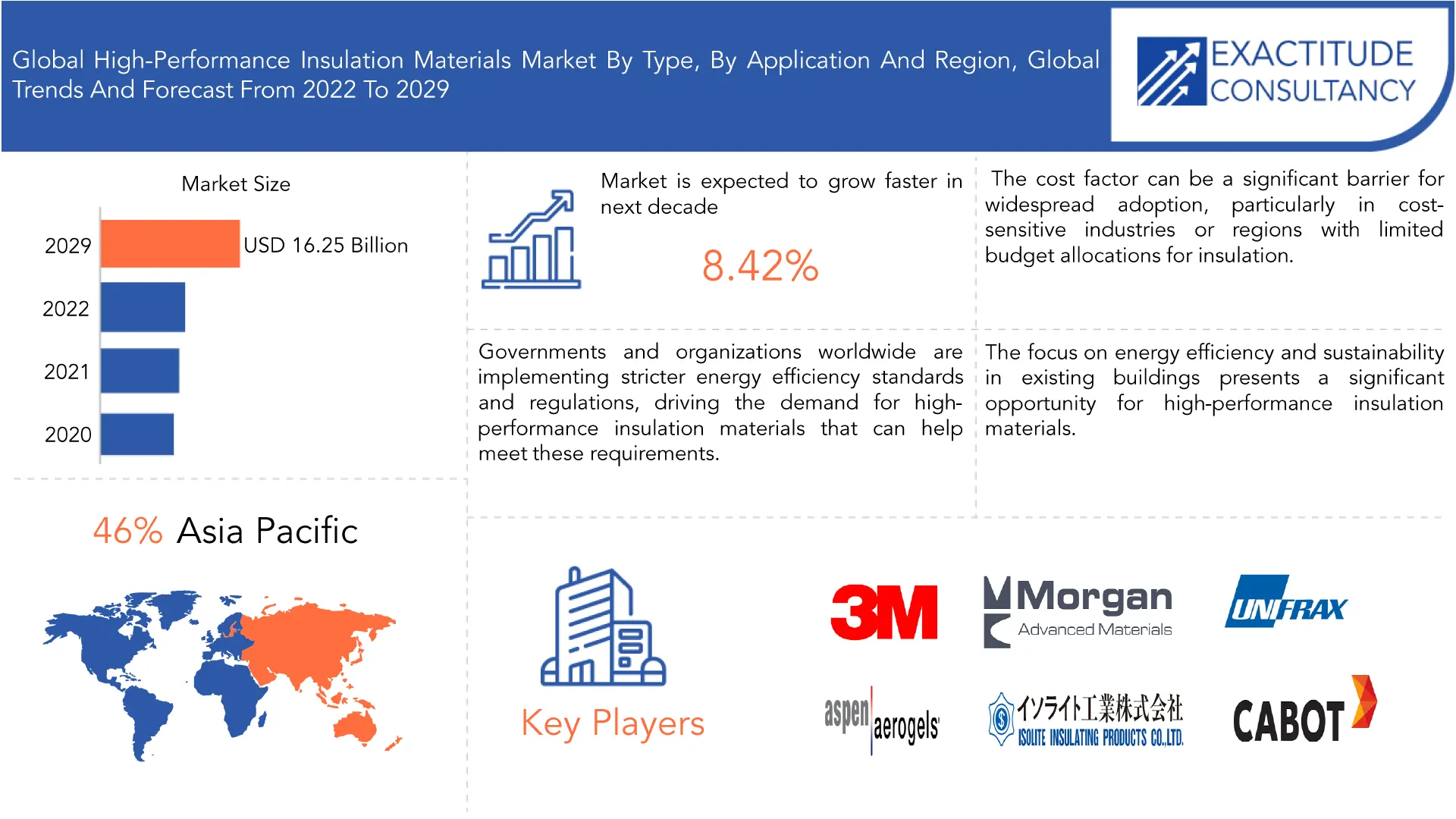
High costs are a significant restraint for the high-performance insulation materials market. These advanced materials often come with a higher price tag compared to traditional insulation options. The increased cost can pose a barrier to widespread adoption, particularly for cost-sensitive industries or regions with limited budgets for insulation projects. The higher upfront investment required for high-performance insulation materials may deter some potential users from adopting them, especially if the return on investment is not immediately apparent or if there are cheaper alternatives available. Overcoming the perception of higher costs and demonstrating the long-term benefits, such as energy savings and reduced operational expenses, is crucial to drive wider adoption of high-performance insulation materials.
Energy retrofitting and renovation present a significant opportunity for the high-performance insulation materials market. The focus on energy efficiency and sustainability in existing buildings creates a demand for advanced insulation solutions. Retrofitting older structures with high-performance insulation materials can improve thermal performance, reduce energy consumption, and lower operating costs. The market opportunity lies in promoting the benefits of energy retrofitting, such as enhanced comfort, reduced carbon footprint, and long-term energy savings. Government incentives and regulations supporting energy-efficient upgrades further drive this opportunity. Capitalizing on energy retrofitting and renovation projects by offering innovative and cost-effective insulation solutions can not only drive market growth but also contribute to environmental sustainability and energy conservation efforts.
The COVID-19 pandemic had a significant negative impact on the high-performance insulation materials market. The global economic slowdown caused by lockdowns and restrictions led to disruptions in construction activities and industrial operations. Many construction projects were delayed or put on hold, resulting in reduced demand for insulation materials. Supply chains were disrupted, causing material shortages and price fluctuations. The uncertainty and financial constraints faced by businesses and consumers during the pandemic led to cautious spending and decreased investment in energy-efficient upgrades. Additionally, travel restrictions and social distancing measures affected the ability to conduct on-site installations and inspections. Overall, the COVID-19 pandemic created challenges for the high-performance insulation materials market, dampening growth and causing a temporary setback in the industry.
| ATTRIBUTE | DETAILS |
| Study period | 2020-2029 |
| Base year | 2021 |
| Estimated year | 2022 |
| Forecasted year | 2022-2029 |
| Historical period | 2018-2020 |
| Unit | Value (USD Billion), (Kilotons) |
| Segmentation | By Type, By Application, By Region. |
| By Type |
|
| By Application |
|
| By Region |
|
Frequently Asked Questions
• What is the worth of high-performance insulation materials market?
The high-performance insulation materials market is expected to grow at 8.42 % CAGR from 2022 to 2029. It is expected to reach above USD 16.25 Billion by 2029 from USD 7.85 Billion in 2020.
• What is the size of the Asia Pacific high-performance insulation materials industry?
Asia Pacific held more than 46% of the high-performance insulation materials market revenue share in 2021 and will witness expansion in the forecast period.
• What are some of the market's driving forces?
Governments and organizations worldwide are implementing stricter energy efficiency standards and regulations, driving the demand for high-performance insulation materials that can help meet these requirements.
• Which are the top companies to hold the market share in high-performance insulation materials market?
The high-performance insulation materials market key players include Aspen Aerogels Inc., Morgan Advanced Materials, Isolite Insulating Products Co. Ltd., The 3M Company, Unifrax LLC, Nano High-Tech Co. Ltd, Cabot Corporation, Alison hi-tech company Ltd, BASF SE, Armacell
• What is the leading application of high-performance insulation materials market?
The construction industry is major sector where the application of High-Performance Insulation Materials has seen more.
• Which is the largest regional market for high-performance insulation materials market?
The markets largest share is in the Asia Pacific region.
High-Performance Insulation Materials Market Segment Analysis
Aerogel is a dominant high-performance insulation material in the market. Known for its exceptional thermal insulation properties, aerogel offers extremely low thermal conductivity, making it highly effective in reducing heat transfer. Its lightweight and thin structure further contribute to its popularity. Aerogel insulation finds extensive applications in various industries, including construction, aerospace, automotive, and oil and gas. Its dominance is attributed to its superior insulation performance, versatility, and ability to meet stringent energy efficiency requirements in diverse applications.
The oil and gas industry presents an increasing demand for high-performance insulation materials. These materials are used to provide thermal insulation in various oil and gas processes, such as pipelines, tanks, and equipment. The industry's focus on optimizing energy efficiency, reducing heat loss, and ensuring operational safety drives the need for advanced insulation solutions. High-performance insulation materials play a crucial role in minimizing energy consumption, improving process efficiency, and maintaining stable operating conditions in the oil and gas sector.
[caption id="attachment_26866" align="aligncenter" width="1920"]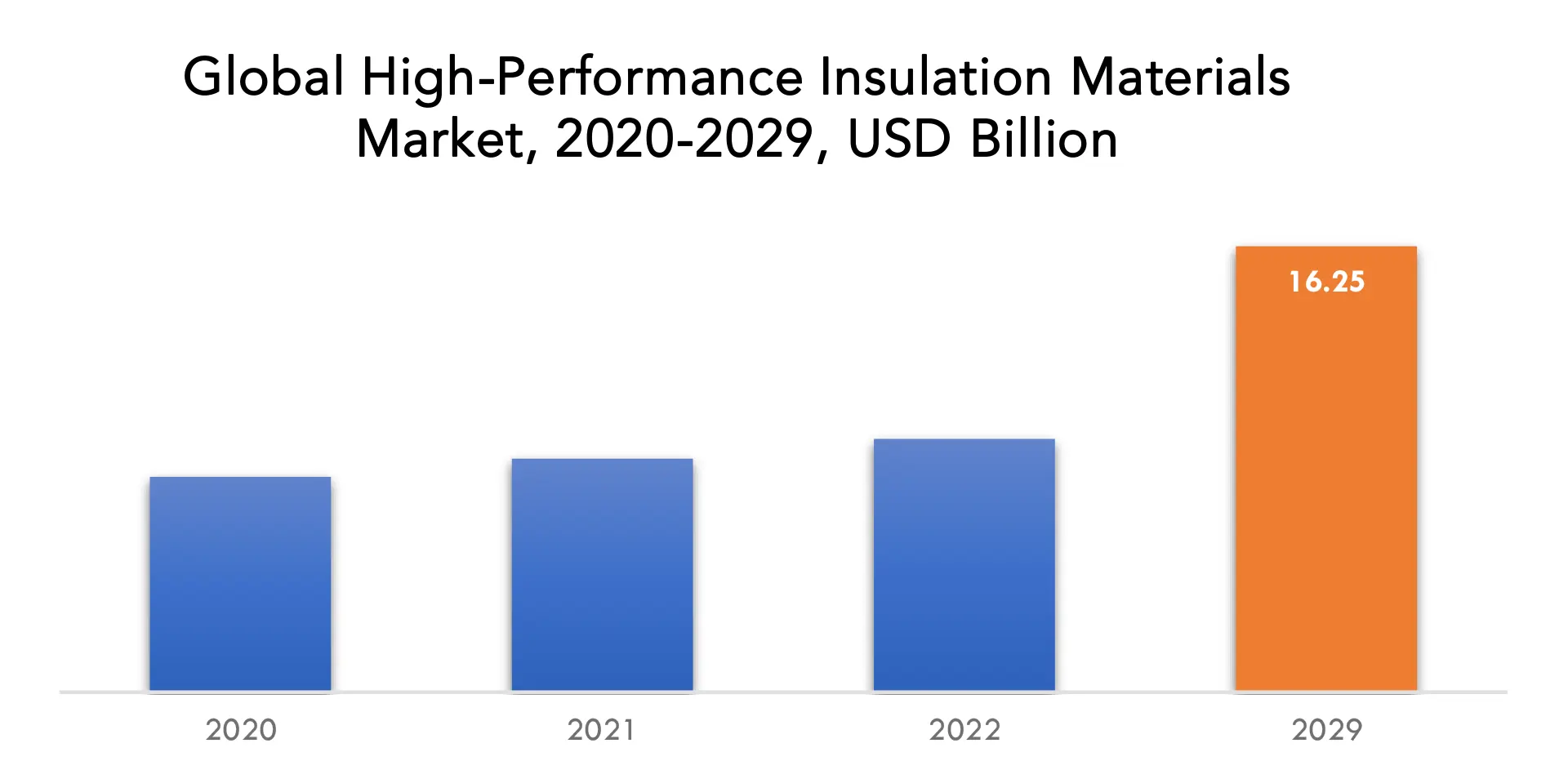
High-Performance Insulation Materials Market Player
The high-performance insulation materials market key players include Aspen Aerogels Inc., Morgan Advanced Materials, Isolite Insulating Products Co. Ltd., The 3M Company, Unifrax LLC, Nano High-Tech Co. Ltd, Cabot Corporation, Alison hi-tech company Ltd, BASF SE, Armacell
Recent News:- Jan 2022, Armacell acquired the engineering business of SpiderPlus & Co. Ltd. Based in Tokyo, Japan, the engineering business of SpiderPlus & Co. Ltd manufactures and supplies thermal insulation solutions for piping and ductwork.
- Jun 2021, BASF and Shanghai Harvest Insulation Engineering Co. Ltd (Harvest) signed a Joint Development Agreement (JDA) to create prefabricated cryogenic pipes using BASF's Elastopor Cryo polyurethane rigid foam technology.
Who Should Buy? Or Key Stakeholders
- Chemicals Companies
- Construction Companies
- Raw Material Manufacturer
- Market Research
- Research and Development Institutes
- Consulting Firms
- Venture capitalists
- Investors
- Supplier and Distributor
- Others
High-Performance Insulation Materials Market Regional Analysis
The High-Performance Insulation Materials market by region includes North America, Asia-Pacific (APAC), Europe, South America, and Middle East & Africa (MEA).
- North America: includes the US, Canada, Mexico
- Asia Pacific: includes China, Japan, South Korea, India, Australia, ASEAN and Rest of APAC
- Europe: includes UK, Germany, France, Italy, Spain, Russia, and Rest of Europe
- South America: includes Brazil, Argentina and Rest of South America
- Middle East & Africa: includes Turkey, UAE, Saudi Arabia, South Africa, and Rest of MEA
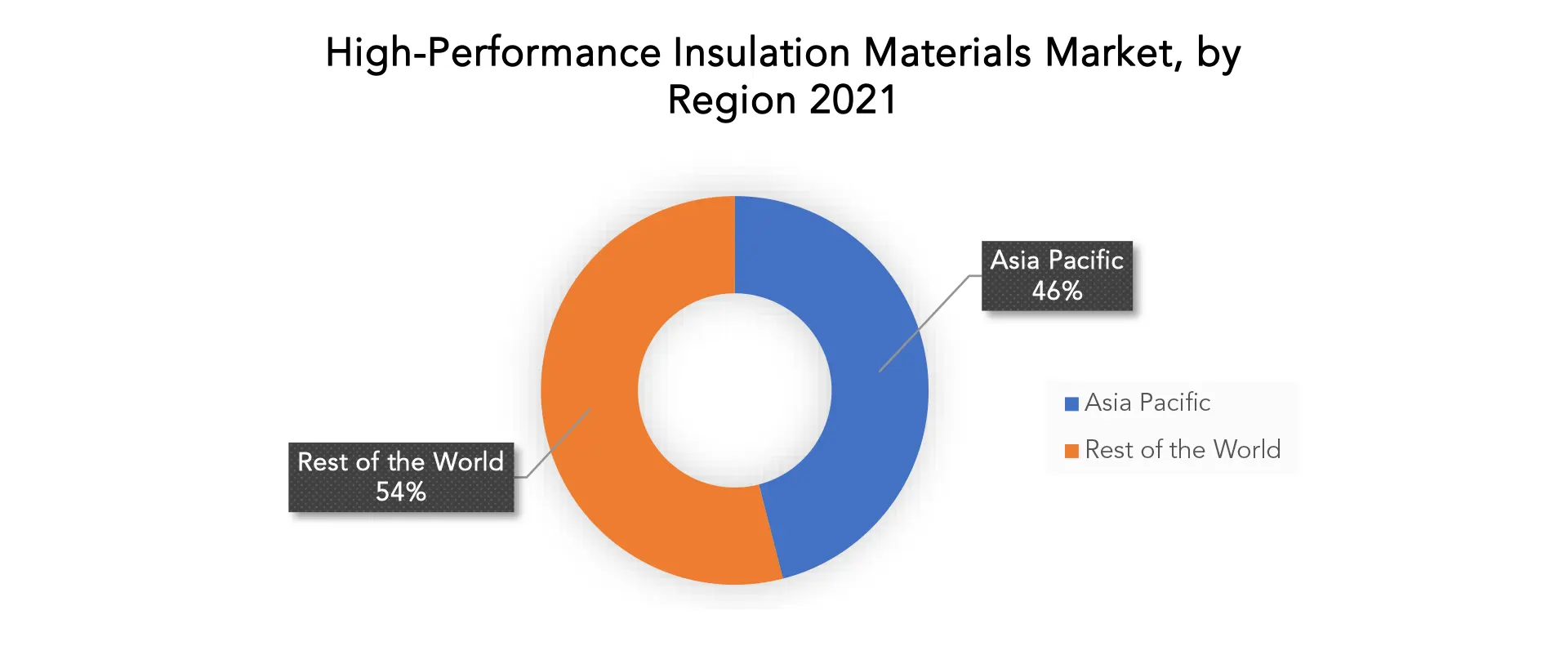
The Asia-Pacific region is expected to dominate the high-performance insulation materials market. The region's rapid urbanization, infrastructure development, and industrialization drive the demand for advanced insulation solutions. Countries like China, India, and Southeast Asian nations are witnessing significant growth in construction, manufacturing, and automotive sectors, which are key application areas for high-performance insulation materials. Additionally, supportive government initiatives promoting energy efficiency and sustainability further contribute to the market's growth. The availability of a large consumer base, increasing disposable income, and rising awareness about energy conservation create a favorable environment for market dominance in the Asia-Pacific region. Furthermore, ongoing industrial advancements and technological innovations in insulation materials further strengthen the region's position.
North America is a significant market for high-performance insulation materials. The region is characterized by advanced construction practices, a focus on energy efficiency, and stringent regulations promoting sustainable building solutions. The US and Canada, in particular, have robust construction industries and a growing emphasis on green building initiatives. The demand for high-performance insulation materials in North America is driven by factors such as energy retrofitting projects, increasing awareness of environmental sustainability, and government incentives for energy-efficient upgrades. Additionally, industries such as oil and gas, manufacturing, and automotive also contribute to the demand for advanced insulation solutions. The presence of key market players and ongoing research and development activities further support the growth of the high-performance insulation materials market in North America.
Key Market Segments: High-Performance Insulation Materials Market
High-Performance Insulation Materials Market by Type, 2020-2029, (USD Billion), (Kilotons).- Aerogel
- Ceramic Fiber
- Glass Bubble
- EPS
- XPS
- Oil & Gas
- Industrial
- Construction
- Transportation
- Power Generation
- Automotive
- Paints & Coatings
- North America
- Asia Pacific
- Europe
- South America
- Middle East and Africa
Exactitude Consultancy Services Key Objectives:
- Increasing sales and market share
- Developing new technology
- Improving profitability
- Entering new markets
- Enhancing brand reputation
Key Question Answered
- what is the expected growth rate of the high-performance insulation materials market over the next 7 years?
- who are the major players in the high-performance insulation materials market and what is their market share?
- what are the end-user industries driving demand for market and what is their outlook?
- what are the opportunities for growth in emerging markets such as Asia-pacific, middle east, and Africa?
- how is the economic environment affecting the high-performance insulation materials market, including factors such as interest rates, inflation, and exchange rates?
- what is the expected impact of government policies and regulations on the high-performance insulation materials market?
- what is the current and forecasted size and growth rate of the global high-performance insulation materials market?
- what are the key drivers of growth in the high-performance insulation materials market?
- what are the distribution channels and supply chain dynamics in the high-performance insulation materials market?
- what are the technological advancements and innovations in the high-performance insulation materials market and their impact on material development and growth?
- what are the regulatory considerations and their impact on the market?
- what are the challenges faced by players in the high-performance insulation materials market and how are they addressing these challenges?
- what are the opportunities for growth and expansion in the high-performance insulation materials market?
- what are the products offerings and specifications of leading players in the market?
- what is the pricing trend of high-performance insulation materials in the market and what is the impact of raw material prices on the price trend?
- INTRODUCTION
- MARKET DEFINITION
- MARKET SEGMENTATION
- RESEARCH TIMELINES
- ASSUMPTIONS AND LIMITATIONS
- RESEARCH METHODOLOGY
- DATA MINING
- SECONDARY RESEARCH
- PRIMARY RESEARCH
- SUBJECT-MATTER EXPERTS’ ADVICE
- QUALITY CHECKS
- FINAL REVIEW
- DATA TRIANGULATION
- BOTTOM-UP APPROACH
- TOP-DOWN APPROACH
- RESEARCH FLOW
- DATA SOURCES
- DATA MINING
- EXECUTIVE SUMMARY
- MARKET OVERVIEW
- GLOBAL HIGH-PERFORMANCE INSULATION MATERIALS MARKET OUTLOOK
- MARKET DRIVERS
- MARKET RESTRAINTS
- MARKET OPPORTUNITIES
- IMPACT OF COVID-19 ON HIGH-PERFORMANCE INSULATION MATERIALS MARKET
- PORTER’S FIVE FORCES MODEL
- THREAT FROM NEW ENTRANTS
- THREAT FROM SUBSTITUTES
- BARGAINING POWER OF SUPPLIERS
- BARGAINING POWER OF CUSTOMERS
- DEGREE OF COMPETITION
- INDUSTRY VALUE CHAIN ANALYSIS
- GLOBAL HIGH-PERFORMANCE INSULATION MATERIALS MARKET OUTLOOK
- GLOBAL HIGH-PERFORMANCE INSULATION MATERIALS MARKET BY TYPE, 2020-2029, (USD BILLION), (KILOTONS)
- AEROGEL
- CERAMIC FIBER
- GLASS BUBBLE
- EPS
- XPS
- GLOBAL HIGH-PERFORMANCE INSULATION MATERIALS MARKET BY APPLICATION, 2020-2029, (USD BILLION), (KILOTONS)
- OIL & GAS
- INDUSTRIAL
- CONSTRUCTION
- TRANSPORTATION
- POWER GENERATION
- AUTOMOTIVE
- PAINTS & COATINGS
- GLOBAL HIGH-PERFORMANCE INSULATION MATERIALS MARKET BY REGION, 2020-2029, (USD BILLION), (KILOTONS)
- NORTH AMERICA
- US
- CANADA
- MEXICO
- SOUTH AMERICA
- BRAZIL
- ARGENTINA
- COLOMBIA
- REST OF SOUTH AMERICA
- EUROPE
- GERMANY
- UK
- FRANCE
- ITALY
- SPAIN
- RUSSIA
- REST OF EUROPE
- ASIA PACIFIC
- INDIA
- CHINA
- JAPAN
- SOUTH KOREA
- AUSTRALIA
- SOUTH-EAST ASIA
- REST OF ASIA PACIFIC
- MIDDLE EAST AND AFRICA
- UAE
- SAUDI ARABIA
- SOUTH AFRICA
- REST OF MIDDLE EAST AND AFRICA
- NORTH AMERICA
- COMPANY PROFILES*
(BUSINESS OVERVIEW, COMPANY SNAPSHOT, PRODUCTS OFFERED, RECENT DEVELOPMENTS)
- ASPEN AEROGELS INC.
- MORGAN ADVANCED MATERIALS
- ISOLITE INSULATING PRODUCTS CO. LTD.
- THE 3M COMPANY
- UNIFRAX LLC
- NANO HIGH-TECH CO. LTD
- CABOT CORPORATION
- ALISON HI-TECH COMPANY LTD
- BASF SE
- ARMACELL
*THE COMPANY LIST IS INDICATIVE
LIST OF TABLES
TABLE 1 GLOBAL HIGH-PERFORMANCE INSULATION MATERIALS MARKET BY TYPE (USD BILLION), 2020-2029
TABLE 2 GLOBAL HIGH-PERFORMANCE INSULATION MATERIALS MARKET BY TYPE (KILOTONS), 2020-2029
TABLE 3 GLOBAL HIGH-PERFORMANCE INSULATION MATERIALS MARKET BY APPLICATION (USD BILLION), 2020-2029
TABLE 4 GLOBAL HIGH-PERFORMANCE INSULATION MATERIALS MARKET BY APPLICATION (KILOTONS), 2020-2029
TABLE 5 GLOBAL HIGH-PERFORMANCE INSULATION MATERIALS MARKET BY REGION (USD BILLION), 2020-2029
TABLE 6 GLOBAL HIGH-PERFORMANCE INSULATION MATERIALS MARKET BY REGION (KILOTONS), 2020-2029
TABLE 7 NORTH AMERICA HIGH-PERFORMANCE INSULATION MATERIALS MARKET BY TYPE (USD BILLION), 2020-2029
TABLE 8 NORTH AMERICA HIGH-PERFORMANCE INSULATION MATERIALS MARKET BY TYPE (KILOTONS), 2020-2029
TABLE 9 NORTH AMERICA HIGH-PERFORMANCE INSULATION MATERIALS MARKET BY APPLICATION (USD BILLION), 2020-2029
TABLE 10 NORTH AMERICA HIGH-PERFORMANCE INSULATION MATERIALS MARKET BY APPLICATION (KILOTONS), 2020-2029
TABLE 11 NORTH AMERICA HIGH-PERFORMANCE INSULATION MATERIALS MARKET BY COUNTRY (USD BILLION), 2020-2029
TABLE 12 NORTH AMERICA HIGH-PERFORMANCE INSULATION MATERIALS MARKET BY COUNTRY (KILOTONS), 2020-2029
TABLE 13 US HIGH-PERFORMANCE INSULATION MATERIALS MARKET BY TYPE (USD BILLION), 2020-2029
TABLE 14 US HIGH-PERFORMANCE INSULATION MATERIALS MARKET BY TYPE (KILOTONS), 2020-2029
TABLE 15 US HIGH-PERFORMANCE INSULATION MATERIALS MARKET BY APPLICATION (USD BILLION), 2020-2029
TABLE 16 US HIGH-PERFORMANCE INSULATION MATERIALS MARKET BY APPLICATION (KILOTONS), 2020-2029
TABLE 17 CANADA HIGH-PERFORMANCE INSULATION MATERIALS MARKET BY TYPE (USD BILLION), 2020-2029
TABLE 18 CANADA HIGH-PERFORMANCE INSULATION MATERIALS MARKET BY TYPE (KILOTONS), 2020-2029
TABLE 19 CANADA HIGH-PERFORMANCE INSULATION MATERIALS MARKET BY APPLICATION (USD BILLION), 2020-2029
TABLE 20 CANADA HIGH-PERFORMANCE INSULATION MATERIALS MARKET BY APPLICATION (KILOTONS), 2020-2029
TABLE 21 MEXICO HIGH-PERFORMANCE INSULATION MATERIALS MARKET BY TYPE (USD BILLION), 2020-2029
TABLE 22 MEXICO HIGH-PERFORMANCE INSULATION MATERIALS MARKET BY TYPE (KILOTONS), 2020-2029
TABLE 23 MEXICO HIGH-PERFORMANCE INSULATION MATERIALS MARKET BY APPLICATION (USD BILLION), 2020-2029
TABLE 24 MEXICO HIGH-PERFORMANCE INSULATION MATERIALS MARKET BY APPLICATION (KILOTONS), 2020-2029
TABLE 25 SOUTH AMERICA HIGH-PERFORMANCE INSULATION MATERIALS MARKET BY TYPE (USD BILLION), 2020-2029
TABLE 26 SOUTH AMERICA HIGH-PERFORMANCE INSULATION MATERIALS MARKET BY TYPE (KILOTONS), 2020-2029
TABLE 27 SOUTH AMERICA HIGH-PERFORMANCE INSULATION MATERIALS MARKET BY COUNTRY (USD BILLION), 2020-2029
TABLE 28 SOUTH AMERICA HIGH-PERFORMANCE INSULATION MATERIALS MARKET BY COUNTRY (KILOTONS), 2020-2029
TABLE 29 SOUTH AMERICA HIGH-PERFORMANCE INSULATION MATERIALS MARKET BY APPLICATION (USD BILLION), 2020-2029
TABLE 30 SOUTH AMERICA HIGH-PERFORMANCE INSULATION MATERIALS MARKET BY APPLICATION (KILOTONS), 2020-2029
TABLE 31 BRAZIL HIGH-PERFORMANCE INSULATION MATERIALS MARKET BY TYPE (USD BILLION), 2020-2029
TABLE 32 BRAZIL HIGH-PERFORMANCE INSULATION MATERIALS MARKET BY TYPE (KILOTONS), 2020-2029
TABLE 33 BRAZIL HIGH-PERFORMANCE INSULATION MATERIALS MARKET BY APPLICATION (USD BILLION), 2020-2029
TABLE 34 BRAZIL HIGH-PERFORMANCE INSULATION MATERIALS MARKET BY APPLICATION (KILOTONS), 2020-2029
TABLE 35 ARGENTINA HIGH-PERFORMANCE INSULATION MATERIALS MARKET BY TYPE (USD BILLION), 2020-2029
TABLE 36 ARGENTINA HIGH-PERFORMANCE INSULATION MATERIALS MARKET BY TYPE (KILOTONS), 2020-2029
TABLE 37 ARGENTINA HIGH-PERFORMANCE INSULATION MATERIALS MARKET BY APPLICATION (USD BILLION), 2020-2029
TABLE 38 ARGENTINA HIGH-PERFORMANCE INSULATION MATERIALS MARKET BY APPLICATION (KILOTONS), 2020-2029
TABLE 39 COLOMBIA HIGH-PERFORMANCE INSULATION MATERIALS MARKET BY TYPE (USD BILLION), 2020-2029
TABLE 40 COLOMBIA HIGH-PERFORMANCE INSULATION MATERIALS MARKET BY TYPE (KILOTONS), 2020-2029
TABLE 41 COLOMBIA HIGH-PERFORMANCE INSULATION MATERIALS MARKET BY APPLICATION (USD BILLION), 2020-2029
TABLE 42 COLOMBIA HIGH-PERFORMANCE INSULATION MATERIALS MARKET BY APPLICATION (KILOTONS), 2020-2029
TABLE 43 REST OF SOUTH AMERICA HIGH-PERFORMANCE INSULATION MATERIALS MARKET BY TYPE (USD BILLION), 2020-2029
TABLE 44 REST OF SOUTH AMERICA HIGH-PERFORMANCE INSULATION MATERIALS MARKET BY TYPE (KILOTONS), 2020-2029
TABLE 45 REST OF SOUTH AMERICA HIGH-PERFORMANCE INSULATION MATERIALS MARKET BY APPLICATION (USD BILLION), 2020-2029
TABLE 46 REST OF SOUTH AMERICA HIGH-PERFORMANCE INSULATION MATERIALS MARKET BY APPLICATION (KILOTONS), 2020-2029
TABLE 47 ASIA-PACIFIC HIGH-PERFORMANCE INSULATION MATERIALS MARKET BY TYPE (USD BILLION), 2020-2029
TABLE 48 ASIA-PACIFIC HIGH-PERFORMANCE INSULATION MATERIALS MARKET BY TYPE (KILOTONS), 2020-2029
TABLE 49 ASIA-PACIFIC HIGH-PERFORMANCE INSULATION MATERIALS MARKET BY APPLICATION (USD BILLION), 2020-2029
TABLE 50 ASIA-PACIFIC HIGH-PERFORMANCE INSULATION MATERIALS MARKET BY APPLICATION (KILOTONS), 2020-2029
TABLE 51 ASIA-PACIFIC HIGH-PERFORMANCE INSULATION MATERIALS MARKET BY COUNTRY (USD BILLION), 2020-2029
TABLE 52 ASIA-PACIFIC HIGH-PERFORMANCE INSULATION MATERIALS MARKET BY COUNTRY (KILOTONS), 2020-2029
TABLE 53 INDIA HIGH-PERFORMANCE INSULATION MATERIALS MARKET BY TYPE (USD BILLION), 2020-2029
TABLE 54 INDIA HIGH-PERFORMANCE INSULATION MATERIALS MARKET BY TYPE (KILOTONS), 2020-2029
TABLE 55 INDIA HIGH-PERFORMANCE INSULATION MATERIALS MARKET BY APPLICATION (USD BILLION), 2020-2029
TABLE 56 INDIA HIGH-PERFORMANCE INSULATION MATERIALS MARKET BY APPLICATION (KILOTONS), 2020-2029
TABLE 57 CHINA HIGH-PERFORMANCE INSULATION MATERIALS MARKET BY TYPE (USD BILLION), 2020-2029
TABLE 58 CHINA HIGH-PERFORMANCE INSULATION MATERIALS MARKET BY TYPE (KILOTONS), 2020-2029
TABLE 59 CHINA HIGH-PERFORMANCE INSULATION MATERIALS MARKET BY APPLICATION (USD BILLION), 2020-2029
TABLE 60 CHINA HIGH-PERFORMANCE INSULATION MATERIALS MARKET BY APPLICATION (KILOTONS), 2020-2029
TABLE 61 JAPAN HIGH-PERFORMANCE INSULATION MATERIALS MARKET BY TYPE (USD BILLION), 2020-2029
TABLE 62 JAPAN HIGH-PERFORMANCE INSULATION MATERIALS MARKET BY TYPE (KILOTONS), 2020-2029
TABLE 63 JAPAN HIGH-PERFORMANCE INSULATION MATERIALS MARKET BY APPLICATION (USD BILLION), 2020-2029
TABLE 64 JAPAN HIGH-PERFORMANCE INSULATION MATERIALS MARKET BY APPLICATION (KILOTONS), 2020-2029
TABLE 65 SOUTH KOREA HIGH-PERFORMANCE INSULATION MATERIALS MARKET BY TYPE (USD BILLION), 2020-2029
TABLE 66 SOUTH KOREA HIGH-PERFORMANCE INSULATION MATERIALS MARKET BY TYPE (KILOTONS), 2020-2029
TABLE 67 SOUTH KOREA HIGH-PERFORMANCE INSULATION MATERIALS MARKET BY APPLICATION (USD BILLION), 2020-2029
TABLE 68 SOUTH KOREA HIGH-PERFORMANCE INSULATION MATERIALS MARKET BY APPLICATION (KILOTONS), 2020-2029
TABLE 69 AUSTRALIA HIGH-PERFORMANCE INSULATION MATERIALS MARKET BY TYPE (USD BILLION), 2020-2029
TABLE 70 AUSTRALIA HIGH-PERFORMANCE INSULATION MATERIALS MARKET BY TYPE (KILOTONS), 2020-2029
TABLE 71 AUSTRALIA HIGH-PERFORMANCE INSULATION MATERIALS MARKET BY APPLICATION (USD BILLION), 2020-2029
TABLE 72 AUSTRALIA HIGH-PERFORMANCE INSULATION MATERIALS MARKET BY APPLICATION (KILOTONS), 2020-2029
TABLE 73 SOUTH EAST ASIA HIGH-PERFORMANCE INSULATION MATERIALS MARKET BY TYPE (USD BILLION), 2020-2029
TABLE 74 SOUTH EAST ASIA HIGH-PERFORMANCE INSULATION MATERIALS MARKET BY TYPE (KILOTONS), 2020-2029
TABLE 75 SOUTH EAST ASIA HIGH-PERFORMANCE INSULATION MATERIALS MARKET BY APPLICATION (USD BILLION), 2020-2029
TABLE 76 SOUTH EAST ASIA HIGH-PERFORMANCE INSULATION MATERIALS MARKET BY APPLICATION (KILOTONS), 2020-2029
TABLE 77 REST OF ASIA PACIFIC HIGH-PERFORMANCE INSULATION MATERIALS MARKET BY TYPE (USD BILLION), 2020-2029
TABLE 78 REST OF ASIA PACIFIC HIGH-PERFORMANCE INSULATION MATERIALS MARKET BY TYPE (KILOTONS), 2020-2029
TABLE 79 REST OF ASIA PACIFIC HIGH-PERFORMANCE INSULATION MATERIALS MARKET BY APPLICATION (USD BILLION), 2020-2029
TABLE 80 REST OF ASIA PACIFIC HIGH-PERFORMANCE INSULATION MATERIALS MARKET BY APPLICATION (KILOTONS), 2020-2029
TABLE 81 EUROPE HIGH-PERFORMANCE INSULATION MATERIALS MARKET BY TYPE (USD BILLION), 2020-2029
TABLE 82 EUROPE HIGH-PERFORMANCE INSULATION MATERIALS MARKET BY TYPE (KILOTONS), 2020-2029
TABLE 83 EUROPE HIGH-PERFORMANCE INSULATION MATERIALS MARKET BY APPLICATION (USD BILLION), 2020-2029
TABLE 84 EUROPE HIGH-PERFORMANCE INSULATION MATERIALS MARKET BY APPLICATION (KILOTONS), 2020-2029
TABLE 85 EUROPE HIGH-PERFORMANCE INSULATION MATERIALS MARKET BY COUNTRY (USD BILLION), 2020-2029
TABLE 86 EUROPE HIGH-PERFORMANCE INSULATION MATERIALS MARKET BY COUNTRY (KILOTONS), 2020-2029
TABLE 87 GERMANY HIGH-PERFORMANCE INSULATION MATERIALS MARKET BY TYPE (USD BILLION), 2020-2029
TABLE 88 GERMANY HIGH-PERFORMANCE INSULATION MATERIALS MARKET BY TYPE (KILOTONS), 2020-2029
TABLE 89 GERMANY HIGH-PERFORMANCE INSULATION MATERIALS MARKET BY APPLICATION (USD BILLION), 2020-2029
TABLE 90 GERMANY HIGH-PERFORMANCE INSULATION MATERIALS MARKET BY APPLICATION (KILOTONS), 2020-2029
TABLE 91 UK HIGH-PERFORMANCE INSULATION MATERIALS MARKET BY TYPE (USD BILLION), 2020-2029
TABLE 92 UK HIGH-PERFORMANCE INSULATION MATERIALS MARKET BY TYPE (KILOTONS), 2020-2029
TABLE 93 UK HIGH-PERFORMANCE INSULATION MATERIALS MARKET BY APPLICATION (USD BILLION), 2020-2029
TABLE 94 UK HIGH-PERFORMANCE INSULATION MATERIALS MARKET BY APPLICATION (KILOTONS), 2020-2029
TABLE 95 FRANCE HIGH-PERFORMANCE INSULATION MATERIALS MARKET BY TYPE (USD BILLION), 2020-2029
TABLE 96 FRANCE HIGH-PERFORMANCE INSULATION MATERIALS MARKET BY TYPE (KILOTONS), 2020-2029
TABLE 97 FRANCE HIGH-PERFORMANCE INSULATION MATERIALS MARKET BY APPLICATION (USD BILLION), 2020-2029
TABLE 98 FRANCE HIGH-PERFORMANCE INSULATION MATERIALS MARKET BY APPLICATION (KILOTONS), 2020-2029
TABLE 99 ITALY HIGH-PERFORMANCE INSULATION MATERIALS MARKET BY TYPE (USD BILLION), 2020-2029
TABLE 100 ITALY HIGH-PERFORMANCE INSULATION MATERIALS MARKET BY TYPE (KILOTONS), 2020-2029
TABLE 101 ITALY HIGH-PERFORMANCE INSULATION MATERIALS MARKET BY APPLICATION (USD BILLION), 2020-2029
TABLE 102 ITALY HIGH-PERFORMANCE INSULATION MATERIALS MARKET BY APPLICATION (KILOTONS), 2020-2029
TABLE 103 SPAIN HIGH-PERFORMANCE INSULATION MATERIALS MARKET BY TYPE (USD BILLION), 2020-2029
TABLE 104 SPAIN HIGH-PERFORMANCE INSULATION MATERIALS MARKET BY TYPE (KILOTONS), 2020-2029
TABLE 105 SPAIN HIGH-PERFORMANCE INSULATION MATERIALS MARKET BY APPLICATION (USD BILLION), 2020-2029
TABLE 106 SPAIN HIGH-PERFORMANCE INSULATION MATERIALS MARKET BY APPLICATION (KILOTONS), 2020-2029
TABLE 107 RUSSIA HIGH-PERFORMANCE INSULATION MATERIALS MARKET BY TYPE (USD BILLION), 2020-2029
TABLE 108 RUSSIA HIGH-PERFORMANCE INSULATION MATERIALS MARKET BY TYPE (KILOTONS), 2020-2029
TABLE 109 RUSSIA HIGH-PERFORMANCE INSULATION MATERIALS MARKET BY APPLICATION (USD BILLION), 2020-2029
TABLE 110 RUSSIA HIGH-PERFORMANCE INSULATION MATERIALS MARKET BY APPLICATION (KILOTONS), 2020-2029
TABLE 111 REST OF EUROPE HIGH-PERFORMANCE INSULATION MATERIALS MARKET BY TYPE (USD BILLION), 2020-2029
TABLE 112 REST OF EUROPE HIGH-PERFORMANCE INSULATION MATERIALS MARKET BY TYPE (KILOTONS), 2020-2029
TABLE 113 REST OF EUROPE HIGH-PERFORMANCE INSULATION MATERIALS MARKET BY APPLICATION (USD BILLION), 2020-2029
TABLE 114 REST OF EUROPE HIGH-PERFORMANCE INSULATION MATERIALS MARKET BY APPLICATION (KILOTONS), 2020-2029
TABLE 115 MIDDLE EAST AND AFRICA HIGH-PERFORMANCE INSULATION MATERIALS MARKET BY TYPE (USD BILLION), 2020-2029
TABLE 116 MIDDLE EAST AND AFRICA HIGH-PERFORMANCE INSULATION MATERIALS MARKET BY TYPE (KILOTONS), 2020-2029
TABLE 117 MIDDLE EAST AND AFRICA HIGH-PERFORMANCE INSULATION MATERIALS MARKET BY APPLICATION (USD BILLION), 2020-2029
TABLE 118 MIDDLE EAST AND AFRICA HIGH-PERFORMANCE INSULATION MATERIALS MARKET BY APPLICATION (KILOTONS), 2020-2029
TABLE 119 MIDDLE EAST AND AFRICA HIGH-PERFORMANCE INSULATION MATERIALS MARKET BY COUNTRY (USD BILLION), 2020-2029
TABLE 120 MIDDLE EAST AND AFRICA HIGH-PERFORMANCE INSULATION MATERIALS MARKET BY COUNTRY (KILOTONS), 2020-2029
TABLE 121 UAE HIGH-PERFORMANCE INSULATION MATERIALS MARKET BY TYPE (USD BILLION), 2020-2029
TABLE 122 UAE HIGH-PERFORMANCE INSULATION MATERIALS MARKET BY TYPE (KILOTONS), 2020-2029
TABLE 123 UAE HIGH-PERFORMANCE INSULATION MATERIALS MARKET BY APPLICATION (USD BILLION), 2020-2029
TABLE 124 UAE HIGH-PERFORMANCE INSULATION MATERIALS MARKET BY APPLICATION (KILOTONS), 2020-2029
TABLE 125 SAUDI ARABIA HIGH-PERFORMANCE INSULATION MATERIALS MARKET BY TYPE (USD BILLION), 2020-2029
TABLE 126 SAUDI ARABIA HIGH-PERFORMANCE INSULATION MATERIALS MARKET BY TYPE (KILOTONS), 2020-2029
TABLE 127 SAUDI ARABIA HIGH-PERFORMANCE INSULATION MATERIALS MARKET BY APPLICATION (USD BILLION), 2020-2029
TABLE 128 SAUDI ARABIA HIGH-PERFORMANCE INSULATION MATERIALS MARKET BY APPLICATION (KILOTONS), 2020-2029
TABLE 129 SOUTH AFRICA HIGH-PERFORMANCE INSULATION MATERIALS MARKET BY TYPE (USD BILLION), 2020-2029
TABLE 130 SOUTH AFRICA HIGH-PERFORMANCE INSULATION MATERIALS MARKET BY TYPE (KILOTONS), 2020-2029
TABLE 131 SOUTH AFRICA HIGH-PERFORMANCE INSULATION MATERIALS MARKET BY APPLICATION (USD BILLION), 2020-2029
TABLE 132 SOUTH AFRICA HIGH-PERFORMANCE INSULATION MATERIALS MARKET BY APPLICATION (KILOTONS), 2020-2029
TABLE 133 REST OF MIDDLE EAST AND AFRICA HIGH-PERFORMANCE INSULATION MATERIALS MARKET BY TYPE (USD BILLION), 2020-2029
TABLE 134 REST OF MIDDLE EAST AND AFRICA HIGH-PERFORMANCE INSULATION MATERIALS MARKET BY TYPE (KILOTONS), 2020-2029
TABLE 135 REST OF MIDDLE EAST AND AFRICA HIGH-PERFORMANCE INSULATION MATERIALS MARKET BY APPLICATION (USD BILLION), 2020-2029
TABLE 136 REST OF MIDDLE EAST AND AFRICA HIGH-PERFORMANCE INSULATION MATERIALS MARKET BY APPLICATION (KILOTONS), 2020-2029
LIST OF FIGURES
FIGURE 1 MARKET DYNAMICS
FIGURE 2 MARKET SEGMENTATION
FIGURE 3 REPORT TIMELINES: YEARS CONSIDERED
FIGURE 4 DATA TRIANGULATION
FIGURE 5 BOTTOM-UP APPROACH
FIGURE 6 TOP-DOWN APPROACH
FIGURE 7 RESEARCH FLOW
FIGURE 8 GLOBAL HIGH-PERFORMANCE INSULATION MATERIALS MARKET BY TYPE, USD BILLION, 2020-2029
FIGURE 9 GLOBAL HIGH-PERFORMANCE INSULATION MATERIALS MARKET BY APPLICATION, USD BILLION, 2020-2029
FIGURE 10 GLOBAL HIGH-PERFORMANCE INSULATION MATERIALS MARKET BY REGION, USD BILLION, 2020-2029
FIGURE 11 PORTER’S FIVE FORCES MODEL
FIGURE 12 GLOBAL HIGH-PERFORMANCE INSULATION MATERIALS MARKET BY TYPE, USD BILLION, 2021
FIGURE 13 GLOBAL HIGH-PERFORMANCE INSULATION MATERIALS MARKET BY APPLICATION, USD BILLION, 2021
FIGURE 14 GLOBAL HIGH-PERFORMANCE INSULATION MATERIALS MARKET BY REGION, USD BILLION, 2021
FIGURE 15 MARKET SHARE ANALYSIS
FIGURE 16 ASPEN AEROGELS INC.: COMPANY SNAPSHOT
FIGURE 17 MORGAN ADVANCED MATERIALS: COMPANY SNAPSHOT
FIGURE 18 ISOLITE INSULATING PRODUCTS CO. LTD.: COMPANY SNAPSHOT
FIGURE 19 THE 3M COMPANY: COMPANY SNAPSHOT
FIGURE 20 UNIFRAX LLC: COMPANY SNAPSHOT
FIGURE 21 NANO HIGH-TECH CO. LTD.: COMPANY SNAPSHOT
FIGURE 22 CABOT CORPORATION: COMPANY SNAPSHOT
FIGURE 23 ALISON HI-TECH COMPANY LTD.: COMPANY SNAPSHOT
FIGURE 24 BASF SE: COMPANY SNAPSHOT
FIGURE 25 ARMACELL: COMPANY SNAPSHOT
DOWNLOAD FREE SAMPLE REPORT
License Type
SPEAK WITH OUR ANALYST
Want to know more about the report or any specific requirement?
WANT TO CUSTOMIZE THE REPORT?
Our Clients Speak
We asked them to research ‘ Equipment market’ all over the world, and their whole arrangement was helpful to us. thehealthanalytics.com insightful analysis and reports contributed to our current analysis and in creating a future strategy. Besides, the te
Yosuke Mitsui
Senior Associate Construction Equipment Sales & Marketing
We asked them to research ‘Equipment market’ all over the world, and their whole arrangement was helpful to us. thehealthanalytics.com insightful analysis and reports contributed to our current analysis and in creating a future strategy. Besides, the te