

Base Year Value ()
x.x %
x.x %
CAGR ()
x.x %
x.x %
Forecast Year Value ()
x.x %
x.x %
Historical Data Period
Largest Region
Forecast Period
Mercato della robotica di servizio per tipo (robotica di servizio professionale, robotica di servizio personale), per applicazione (sanità, difesa, settore industriale, logistica, edilizia, domestico, intrattenimento, altro) e regione, tendenze globali e previsioni dal 2022 al 2029.
Instant access to hundreds of data points and trends
- Market estimates from 2014-2029
- Competitive analysis, industry segmentation, financial benchmarks
- Incorporates SWOT, Porter's Five Forces and risk management frameworks
- PDF report or online database with Word, Excel and PowerPoint export options
- 100% money back guarantee
Panoramica del mercato della robotica di servizio
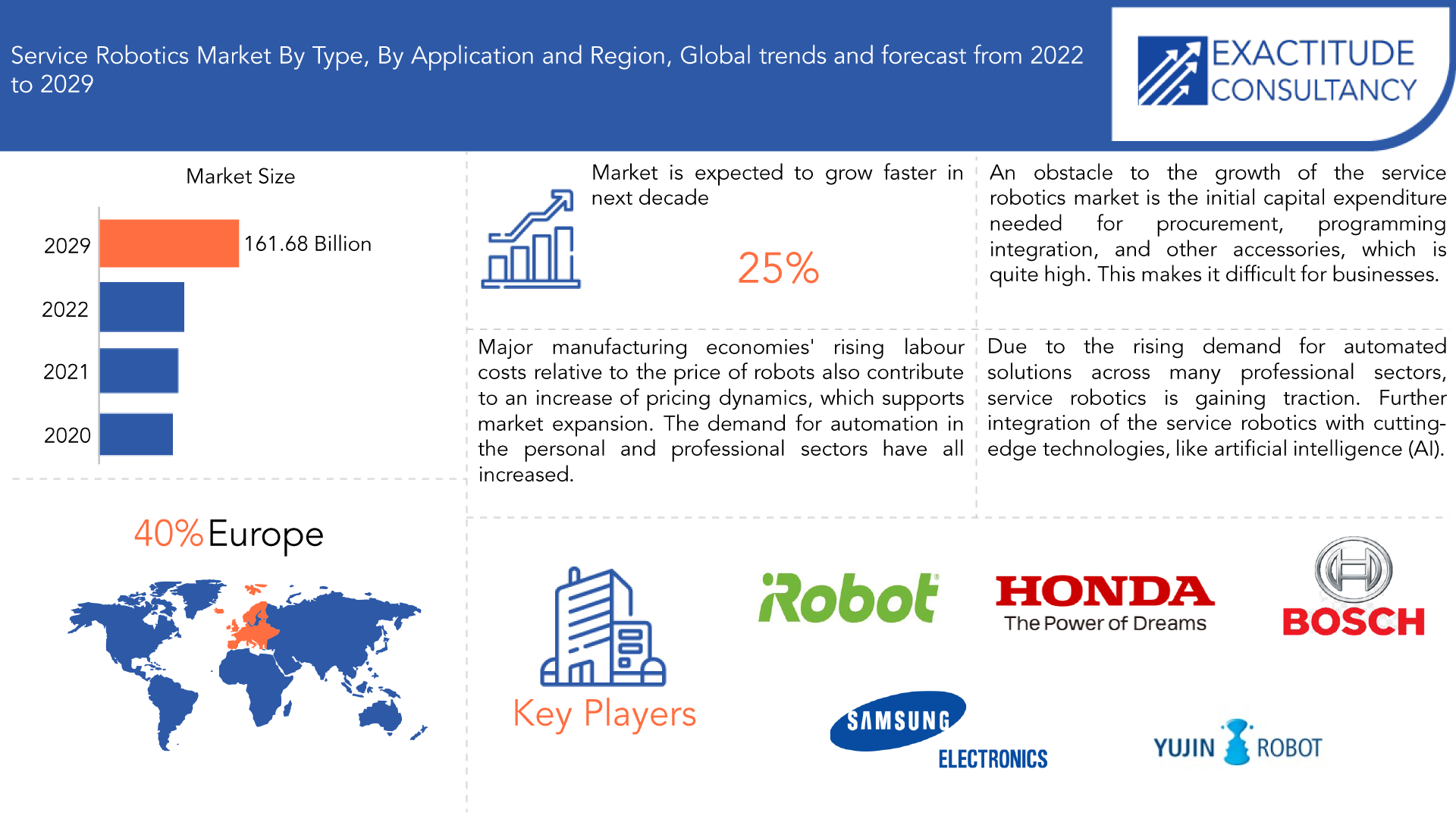
Si prevede che il mercato della robotica di servizio crescerà al 25% di CAGR dal 2022 al 2029. Si prevede che raggiungerà oltre 161,68 miliardi di USD entro il 2029 dai 21,7 miliardi di USD del 2020.
I robot di servizio sono robot semi- o completamente automatici che svolgono compiti necessari e pericolosi per le persone. Questi robot aiutano le persone in vari campi, tra cui intrattenimento, lavoro domestico, automazione e assistenza medica. Questi robot sono azionati automaticamente da un sistema di controllo interno, con l'opzione di intervento manuale. Questi robot di servizio gestiscono il tempo, riducono il carico di lavoro del personale e dei lavoratori e aumentano la produttività eliminando la possibilità di errore umano.
Grazie a vantaggi come la fornitura di servizi precisi e di alta qualità che hanno ridotto i costi operativi e gli errori umani e migliorato l'usabilità e l'affidabilità, la robotica di servizio è diventata ampiamente accettata in una varietà di applicazioni professionali e personali. Inoltre, al fine di ridurre l'errore umano nelle operazioni e aumentare la produttività, molte aziende hanno adottato la tecnologia robotica a seguito dell'aumento dei costi di manodopera e della morte di lavoratori qualificati. La domanda di robot di servizio è aumentata anche con l'aumento della comprensione da parte delle persone dei vantaggi dei robot , della spesa in R&S e della domanda di automazione nei settori personale e professionale.
| ATTRIBUTO | DETTAGLI |
| Periodo di studio | 2020-2029 |
| Anno base | 2021 |
| Anno stimato | 2022 |
| Anno previsto | 2022-2029 |
| Periodo storico | 2018-2020 |
| Unità | Valore (MILIARDI DI USD) |
| Segmentazione | Per tipo, per applicazione, per regione |
| Per tipo |
|
| Per applicazione |
|
| Per regione |
|
Il costo di produzione dei robot è diminuito significativamente a seguito del rapido sviluppo della tecnologia e dell'aumento della produzione di robot. Il costo medio di un robot è diminuito negli ultimi 30 anni della metà in termini reali e ancora di più se confrontato con i costi della manodopera. Inoltre, si prevede che la produzione di robot si sposterà verso regioni a basso costo, abbassando ulteriormente i costi di produzione, a causa della crescente domanda di robot da parte delle economie emergenti.
Un ostacolo alla crescita del mercato della robotica di servizio è la spesa iniziale in conto capitale necessaria per l'approvvigionamento, l'integrazione della programmazione e altri accessori, che è piuttosto elevata. Ciò rende difficile per le aziende, in particolare quelle di piccole e medie dimensioni, investire in questi robot a causa del loro basso volume di produzione e del basso ritorno sull'investimento. Il prezzo di sostituzione dei sensori, aggiornamento del software e acquisto di nuovi dispositivi aumenta il costo di proprietà dei robot di servizio, il che a sua volta rallenta la crescita del mercato.
L'epidemia di COVID-19 ha influenzato l'uso di data center e robotica di servizio. La pandemia ha avuto un impatto finanziario significativo su questo settore. Poiché la Cina è il principale paese manifatturiero al mondo e la sua economia è stata significativamente influenzata dalla pandemia, ci sono stati effetti significativi sulle catene di fornitura globali. Grazie a vari progressi tecnologici, la flessibilità delle macchine è aumentata, consentendo loro di completare diverse attività in un breve lasso di tempo. Il flusso di lavoro ha subito una rivoluzione a seguito dell'uso di robot in molti settori, tra cui logistica, sanità, agricoltura e difesa. L'uso di robot in campo medico sta aiutando i chirurghi a eseguire meglio le procedure minimamente invasive.
I crescenti costi del lavoro delle principali economie manifatturiere rispetto al prezzo dei robot contribuiscono anche a un aumento dell'attrattiva delle dinamiche dei prezzi, che supporta l'espansione del mercato. Capacità robotiche migliorate come risultato del progresso tecnologico, nonché maggiore produttività e qualità realizzate attraverso l'uso di robot di servizio. A causa della crescente domanda di soluzioni automatizzate in molti settori professionali, la robotica di servizio sta guadagnando terreno. Ulteriore integrazione della robotica di servizio con tecnologie all'avanguardia, come l'intelligenza artificiale (IA). L'efficacia e la capacità della robotica di servizio vengono migliorate da queste integrazioni. Grazie all'uso della robotica, la produttività è aumentata e le condizioni economiche dei paesi in via di sviluppo sono migliorate come risultato del cambiamento delle tendenze della robotica.
[caption id="allegato_15745" align="aligncenter" width="1920"]
Frequently Asked Questions
• What is the worth of service robotics market?
The Service robotics market size had crossed USD 21.7 billion in 2020 and will observe a CAGR of more than 25 % up to 2029.
• What is the size of the Asia Pacific service robotics industry?
Europe held more than 40% of the Service robotics market revenue share in 2021 and will witness expansion in the forecast period.
• What are some of the market's driving forces?
Drivers such as the presence of people's understanding of the advantages of robots, R&D spending, and the demand for automation in the personal and professional sectors.
• Which are the top companies to hold the market share in service robotics market?
Key players profiled in the report include Amazon Web Services (AWS), Inc., General Electric Company, Hewlett Packard Enterprise, IBM Corporation, Intel Corporation, Microsoft Corporation.
• What is the leading application of service robotics market?
One of the key trends is the emerging service robotics demands such as high-quality services that reduced operating costs and human errors and enhanced usability and dependability.
• Which is the largest regional market for service robotics market?
The region's largest share is in Asia pacific. The research and development activities in the industrial robot sector are the most significant driver of the rising adoption of service robotics in this region.
Service Robotics Market Segment Analysis
The service robotics market is segmented based on vehicle type, form type, application and Region, Global trends and forecast.
By type, the market is bifurcated into Type (Professional service robotics, Personal service robotics), By Application (Healthcare, Defense, Field, Logistics, Construction, Domestic, Entertainment, Other)
By Type, market is divided into personal robots and professional robots. Throughout the forecast period, it is anticipated that the professional service robot segment will hold a larger market share of about 56%. In recent years, the professional market saw good growth. There has been significant market growth as a result of rising demand for service robots across numerous industries, including logistics, defense, construction, and healthcare. The market share of service robotics is greatly impacted by the adoption of automation and mobility in many other industries. Due to the increased increase in labor costs brought on by a lack of skilled labor, the professional segment has grown.
By application, the market is segmented into Healthcare, Defense, Field, Logistics, Construction, Domestic, Entertainment and Others. Due to increased automation in this field, where robots are used to move and store the goods, the logistics sector of the commercial segment will hold the largest share of about 31.5%. This helps to save time and ensures efficient operation. In the upcoming years, many industries are anticipated to have high demand for the supply chain processes in this segment. Service robots are employed not only in logistics but also in the medical industry.
Due to a shift in people using integrated robotic solutions for many crucial operations, medical service robots are anticipated to grow significantly during the forecast period. Service robots will be widely used in high-tech testing labs in the medical industry. The results will also be more accurate thanks to the use of service robots in the testing labs. Additionally, service robots are utilized by unmanned aerial vehicles. The agricultural and defense industries use these vehicles.
[caption id="attachment_15749" align="aligncenter" width="1920"]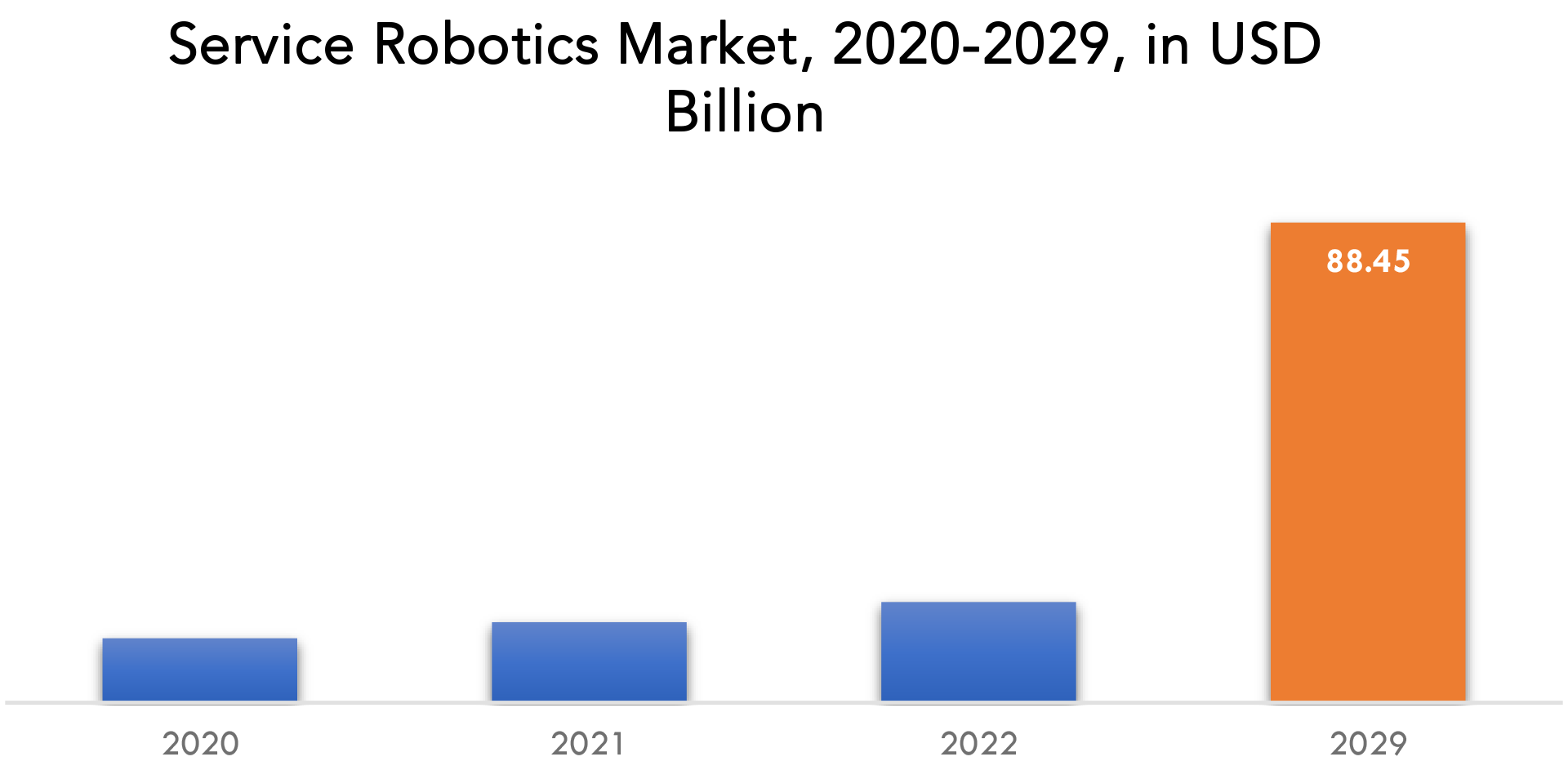
Service Robotics Market | Exactitude Consultancy
Service Robotics Market Players
The service robotics market key players include iRobot Corporation, Intuitive Surgical Inc, Honda Motor Co., Ltd., Panasonic Corporation, Aethon Inc., Yujin Robot Co. Ltd., Samsung Electronics CO., Ltd., DeLaval, Robert Bosch gmbh, AB Electrolux, Axon Ivy AG. Recent development- February 2022: As part of a strategic investment, Ricoh purchased Axon Ivy AG with the aim of enhancing its capabilities for digital process automation.
- September 2022: Canada-based robotics company Avidbots raised USD 70 million in the Series C funding round. The company's main focus is the development of autonomous cleaning robots, and it has created Neo 2, a robotic floor cleaner intended for use in commercial settings like warehouses, airports, and shopping centers.
Who Should Buy? Or Key stakeholders
- Service robotics Suppliers
- Raw Materials Manufacturers
- Research Organizations
- Investors
- End-users
- Government Authorities
- Consulting and Research Firm
- Others
Service Robotics Regional Analysis
The Service robotics market by region includes North America, Asia-Pacific (APAC), Europe, South America, and Middle East & Africa (MEA).- North America: includes the US, Canada, Mexico
- Asia Pacific: includes China, Japan, South Korea, India, Australia, ASEAN and Rest of APAC
- Europe: includes UK, Germany, France, Italy, Spain, Russia, and Rest of Europe
- South America: includes Brazil, Argentina and Rest of South America
- Middle East & Africa: includes Turkey, UAE, Saudi Arabia, South Africa, and Rest of MEA
The market for service robotics the region of Europe experiences the highest growth. In terms of the global service robotics market, Europe holds the largest market share due to the rising demand for personal and business robots in many of its member states. The location of many market participants in this area. In Europe, there are numerous manufacturing industries. The medical, defense, logistics, and retail sectors are increasingly in demand from these industries. Due to the increased adoption of these robotic solutions in these nations, countries like Germany, the United Kingdom, France, and Italy are predicted to grow strongly during the forecast period.
Following Europe, which is anticipated to grow significantly during the forecast period, the Asia Pacific region is anticipated to have the second-highest share. The research and development activities in the industrial robot sector are the most significant driver of the rising adoption of service robotics in this region. Governments in the Asia-Pacific region are increasing their investments in technologies like automation, artificial intelligence, and robotics. The main drivers of growth in this region are expected to be South Korea, Japan, and China. Increased industrialization, globalization, and the growing need for automation in many industries are driving demand for service robotics. Many people's quality of life has improved in developing countries like India and China which will eventually propel the growth of this market in that region.
[caption id="attachment_15752" align="aligncenter" width="1920"]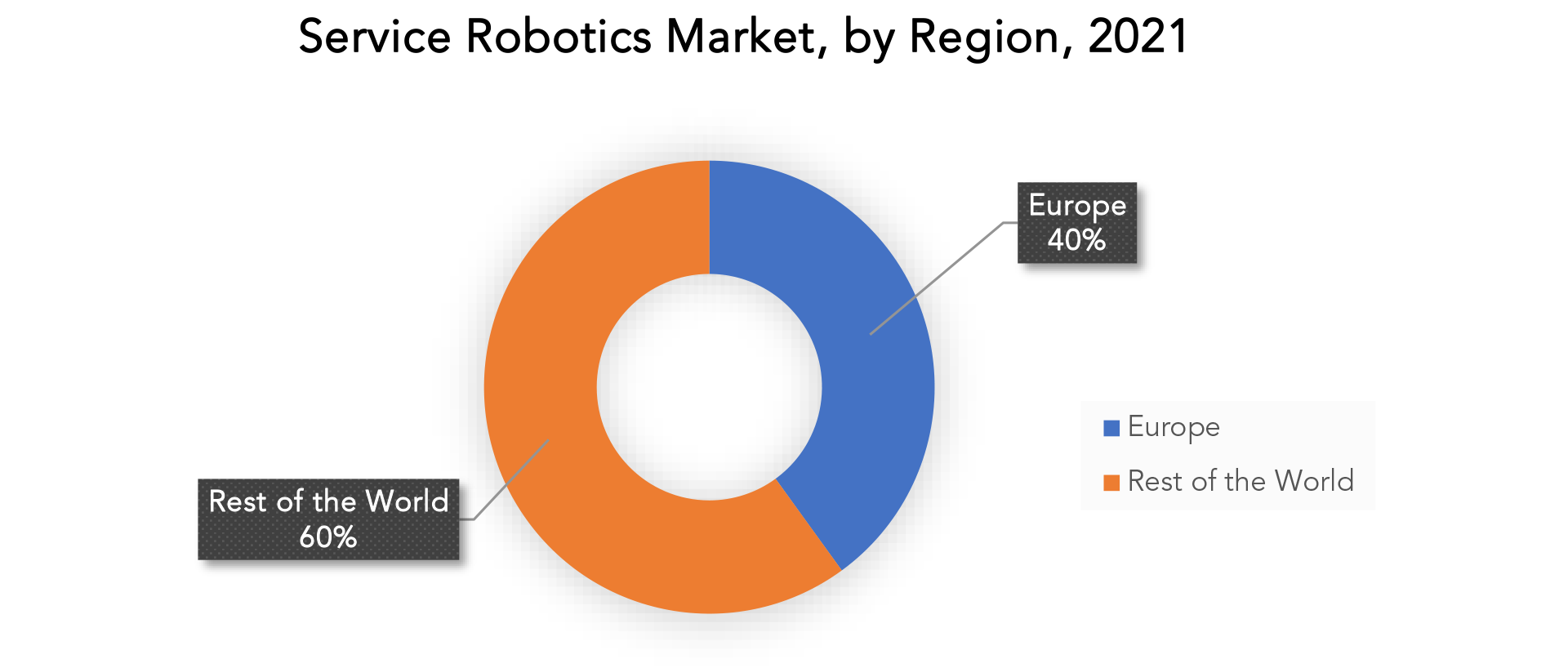
Key Market Segments: Service Robotics Market
Service Robotics Market By Type, 2020-2029, (Usd Billion)- Professional Service Robotics
- Personal Service Robotics
- Healthcare
- Defense
- Field
- Logistics
- Construction
- Domestic
- Entertainment
- Other
- North America
- Asia Pacific
- Europe
- South America
- Middle East And Africa
Exactitude Consultancy Services Key Objectives:
- Increasing sales and market share
- Developing new technology
- Improving profitability
- Entering new markets
- Enhancing brand reputation
Key Question Answered
- What is the expected growth rate of the service robotics market over the next 7 years?
- Who are the major players in the service robotics market and what is their market share?
- What are the end-user industries driving demand for market and what is their outlook?
- What are the opportunities for growth in emerging markets such as Asia-Pacific, Middle East, and Africa?
- How is the economic environment affecting the service robotics market, including factors such as interest rates, inflation, and exchange rates?
- What is the expected impact of government policies and regulations on the service robotics market?
- What is the current and forecasted size and growth rate of the global service robotics market?
- What are the key drivers of growth in the service robotics market?
- What are the distribution channels and supply chain dynamics in the service robotics market?
- What are the technological advancements and innovations in the service robotics market and their impact on product development and growth?
- What are the regulatory considerations and their impact on the market?
- What are the challenges faced by players in the service robotics market and how are they addressing these challenges?
- What are the opportunities for growth and expansion in the service robotics market?
- What are the product offerings and specifications of leading players in the market?
- What is the pricing trend of service robotics' in the market and what is the impact of raw material prices on the price trend?
- INTRODUZIONE
- DEFINIZIONE DI MERCATO
- SEGMENTAZIONE DEL MERCATO
- TEMPI DI RICERCA
- ASSUNZIONI E LIMITAZIONI
- METODOLOGIA DI RICERCA
- ESTRAZIONE DATI
- RICERCA SECONDARIA
- RICERCA PRIMARIA
- PARERI DEGLI ESPERTI IN MATERIA
- CONTROLLI DI QUALITÀ
- RECENSIONE FINALE
- TRIANGOLAZIONE DEI DATI
- APPROCCIO DAL BASSO VERSO L'ALTO
- APPROCCIO TOP-DOWN
- FLUSSO DI RICERCA
- FONTI DEI DATI
- ESTRAZIONE DATI
- SINTESI
- PANORAMICA DEL MERCATO
- PROSPETTIVE DEL MERCATO GLOBALE DELLA ROBOTICA DI SERVIZIO
- FATTORI DI MERCATO
- LIMITAZIONI DI MERCATO
- OPPORTUNITÀ DI MERCATO
- IMPATTO DEL COVID-19 SUL MERCATO DELLA ROBOTICA DI SERVIZIO
- MODELLO DELLE CINQUE FORZE DI PORTER
- MINACCIA DAI NUOVI ENTRANSI
- MINACCIA DA SOSTITUTI
- POTERE CONTRATTUALE DEI FORNITORI
- POTERE CONTRATTUALE DEI CLIENTI
- GRADO DI COMPETIZIONE
- ANALISI DELLA CATENA DEL VALORE DEL SETTORE
- PROSPETTIVE DEL MERCATO GLOBALE DELLA ROBOTICA DI SERVIZIO
- GLOBAL SERVICE ROBOTICS MARKET BY TYPE, 2020-2029, (USD BILLION), (THOUSAND UNITS)
- PROFESSIONAL SERVICE ROBOTICS
- PERSONAL SERVICE ROBOTICS
- GLOBAL SERVICE ROBOTICS MARKET BY APPLICATION, 2020-2029, (USD BILLION), (THOUSAND UNITS)
- HEALTHCARE
- DEFENSE
- FIELD
- LOGISTICS
- CONSTRUCTION
- DOMESTIC
- ENTERTAINMENT
- OTHER
- GLOBAL SERVICE ROBOTICS MARKET BY REGION, 2020-2029, (USD BILLION), (THOUSAND UNITS)
- NORTH AMERICA
- US
- CANADA
- MEXICO
- SOUTH AMERICA
- BRAZIL
- ARGENTINA
- COLOMBIA
- REST OF SOUTH AMERICA
- EUROPE
- GERMANY
- UK
- FRANCE
- ITALY
- SPAIN
- RUSSIA
- REST OF EUROPE
- ASIA PACIFIC
- INDIA
- CHINA
- JAPAN
- SOUTH KOREA
- AUSTRALIA
- SOUTH-EAST ASIA
- REST OF ASIA PACIFIC
- MIDDLE EAST AND AFRICA
- UAE
- SAUDI ARABIA
- SOUTH AFRICA
- REST OF MIDDLE EAST AND AFRICA
- NORTH AMERICA
- COMPANY PROFILES* (BUSINESS OVERVIEW, COMPANY SNAPSHOT, PRODUCTS OFFERED, RECENT DEVELOPMENTS)
- IROBOT CORPORATION
- INTUITIVE SURGICAL INC
- HONDA MOTOR CO., LTD.
- PANASONIC CORPORATION
- AETHON INC.
- YUJIN ROBOT CO. LTD.
- SAMSUNG ELECTRONICS CO.LTD.
- DELAVAL ROBERT
- BOSCH GMBH
- AB ELECTROLUX *THE COMPANY LIST IS INDICATIVE
LIST OF TABLES
TABLE 1 GLOBAL SERVICE ROBOTICS MARKET BY TYPE (USD BILLION), 2020-2029
TABLE 2 GLOBAL SERVICE ROBOTICS MARKET BY APPLICATION (USD BILLION), 2020-2029
TABLE 3 GLOBAL SERVICE ROBOTICS MARKET BY REGION (USD BILLION), 2020-2029
TABLE 4 NORTH AMERICA SERVICE ROBOTICS MARKET BY TYPE (USD BILLION), 2020-2029
TABLE 5 NORTH AMERICA SERVICE ROBOTICS MARKET BY APPLICATION (USD BILLION), 2020-2029
TABLE 6 NORTH AMERICA SERVICE ROBOTICS MARKET BY COUNTRY (USD BILLION), 2020-2029
TABLE 7 US SERVICE ROBOTICS MARKET BY TYPE (USD BILLION), 2020-2029
TABLE 8 US SERVICE ROBOTICS MARKET BY APPLICATION (USD BILLION), 2020-2029
TABLE 9 CANADA SERVICE ROBOTICS MARKET BY TYPE (BILLION), 2020-2029
TABLE 10 CANADA SERVICE ROBOTICS MARKET BY APPLICATION (USD BILLION), 2020-2029
TABLE 11 MEXICO SERVICE ROBOTICS MARKET BY TYPE (USD BILLION), 2020-2029
TABLE 12 MEXICO SERVICE ROBOTICS MARKET BY APPLICATION (USD BILLION), 2020-2029
TABLE 13 SOUTH AMERICA SERVICE ROBOTICS MARKET BY TYPE (USD BILLION), 2020-2029
TABLE 14 SOUTH AMERICA SERVICE ROBOTICS MARKET BY APPLICATION (USD BILLION), 2020-2029
TABLE 15 SOUTH AMERICA SERVICE ROBOTICS MARKET BY COUNTRY (USD BILLION), 2020-2029
TABLE 16 BRAZIL SERVICE ROBOTICS MARKET BY TYPE (USD BILLION), 2020-2029
TABLE 17 BRAZIL SERVICE ROBOTICS MARKET BY APPLICATION (USD BILLION), 2020-2029
TABLE 18 ARGENTINA SERVICE ROBOTICS MARKET BY TYPE (USD BILLION), 2020-2029
TABLE 19 ARGENTINA SERVICE ROBOTICS MARKET BY APPLICATION (USD BILLION), 2020-2029
TABLE 20 COLOMBIA SERVICE ROBOTICS MARKET BY TYPE (USD BILLION), 2020-2029
TABLE 21 COLOMBIA SERVICE ROBOTICS MARKET BY APPLICATION (USD BILLION), 2020-2029
TABLE 22 REST OF SOUTH AMERICA SERVICE ROBOTICS MARKET BY TYPE (USD BILLION), 2020-2029
TABLE 23 REST OF SOUTH AMERICA SERVICE ROBOTICS MARKET BY APPLICATION (USD BILLION), 2020-2029
TABLE 24 ASIA-PACIFIC SERVICE ROBOTICS MARKET BY TYPE (USD BILLION), 2020-2029
TABLE 25 ASIA-PACIFIC SERVICE ROBOTICS MARKET BY APPLICATION (USD BILLION), 2020-2029
TABLE 26 ASIA-PACIFIC SERVICE ROBOTICS MARKET BY COUNTRY (USD BILLION), 2020-2029
TABLE 27 INDIA SERVICE ROBOTICS MARKET BY TYPE (USD BILLION), 2020-2029
TABLE 28 INDIA SERVICE ROBOTICS MARKET BY APPLICATION (USD BILLION), 2020-2029
TABLE 29 CHINA SERVICE ROBOTICS MARKET BY TYPE (USD BILLION), 2020-2029
TABLE 30 CHINA SERVICE ROBOTICS MARKET BY APPLICATION (USD BILLION), 2020-2029
TABLE 31 JAPAN SERVICE ROBOTICS MARKET BY TYPE (USD BILLION), 2020-2029
TABLE 32 JAPAN SERVICE ROBOTICS MARKET BY APPLICATION (USD BILLION), 2020-2029
TABLE 33 SOUTH KOREA SERVICE ROBOTICS MARKET BY TYPE (USD BILLION), 2020-2029
TABLE 34 SOUTH KOREA SERVICE ROBOTICS MARKET BY APPLICATION (USD BILLION), 2020-2029
TABLE 35 AUSTRALIA SERVICE ROBOTICS MARKET BY TYPE (USD BILLION), 2020-2029
TABLE 36 AUSTRALIA SERVICE ROBOTICS MARKET BY APPLICATION (USD BILLION), 2020-2029
TABLE 37 SOUTH EAST ASIA SERVICE ROBOTICS MARKET BY TYPE (USD BILLION), 2020-2029
TABLE 38 SOUTH EAST ASIA SERVICE ROBOTICS BY TYPE (THOUSAND UNITS), 2020-2029
TABLE 39 SOUTH EAST ASIA SERVICE ROBOTICS MARKET BY APPLICATION (USD BILLION), 2020-2029
TABLE 40 REST OF ASIA PACIFIC SERVICE ROBOTICS MARKET BY TYPE (USD BILLION), 2020-2029
TABLE 41 REST OF ASIA PACIFIC SERVICE ROBOTICS MARKET BY APPLICATION (USD BILLION), 2020-2029
TABLE 42 EUROPE SERVICE ROBOTICS MARKET BY TYPE (USD BILLION), 2020-2029
TABLE 43 EUROPE SERVICE ROBOTICS MARKET BY APPLICATION (USD BILLION), 2020-2029
TABLE 44 EUROPE SERVICE ROBOTICS MARKET BY COUNTRY (USD BILLION), 2020-2029
TABLE 45 GERMANY SERVICE ROBOTICS MARKET BY TYPE (USD BILLION), 2020-2029
TABLE 46 GERMANY SERVICE ROBOTICS MARKET BY APPLICATION (USD BILLION), 2020-2029
TABLE 47 UK SERVICE ROBOTICS MARKET BY TYPE (USD BILLION), 2020-2029
TABLE 48 UK SERVICE ROBOTICS MARKET BY APPLICATION (USD BILLION), 2020-2029
TABLE 49 FRANCE SERVICE ROBOTICS MARKET BY TYPE (USD BILLION), 2020-2029
TABLE 50 FRANCE SERVICE ROBOTICS MARKET BY APPLICATION (USD BILLION), 2020-2029
TABLE 51 ITALY SERVICE ROBOTICS MARKET BY TYPE (USD BILLION), 2020-2029
TABLE 52 ITALY SERVICE ROBOTICS MARKET BY APPLICATION (USD BILLION), 2020-2029
TABLE 53 SPAIN SERVICE ROBOTICS MARKET BY TYPE (USD BILLION), 2020-2029
TABLE 54 SPAIN SERVICE ROBOTICS MARKET BY APPLICATION (USD BILLION), 2020-2029
TABLE 55 RUSSIA SERVICE ROBOTICS MARKET BY TYPE (USD BILLION), 2020-2029
TABLE 56 RUSSIA SERVICE ROBOTICS MARKET BY APPLICATION (USD BILLION), 2020-2029
TABLE 57 REST OF EUROPE SERVICE ROBOTICS MARKET BY TYPE (USD BILLION), 2020-2029
TABLE 58 REST OF EUROPE SERVICE ROBOTICS MARKET BY APPLICATION (USD BILLION), 2020-2029
TABLE 59 MIDDLE EAST AND AFRICA SERVICE ROBOTICS MARKET BY TYPE (USD BILLION), 2020-2029
TABLE 60 MIDDLE EAST AND AFRICA SERVICE ROBOTICS MARKET BY APPLICATION (USD BILLION), 2020-2029
TABLE 61 MIDDLE EAST AND AFRICA SERVICE ROBOTICS MARKET BY COUNTRY (USD BILLION), 2020-2029
TABLE 62 UAE SERVICE ROBOTICS MARKET BY TYPE (USD BILLION), 2020-2029
TABLE 63 UAE SERVICE ROBOTICS MARKET BY APPLICATION (USD BILLION), 2020-2029
TABLE 64 SAUDI ARABIA SERVICE ROBOTICS MARKET BY TYPE (USD BILLION), 2020-2029
TABLE 65 SAUDI ARABIA SERVICE ROBOTICS MARKET BY APPLICATION (USD BILLION), 2020-2029
TABLE 66 SOUTH AFRICA SERVICE ROBOTICS MARKET BY TYPE (USD BILLION), 2020-2029
TABLE 67 SOUTH AFRICA SERVICE ROBOTICS MARKET BY APPLICATION (USD BILLION), 2020-2029
TABLE 68 REST OF MIDDLE EAST AND AFRICA SERVICE ROBOTICS MARKET BY TYPE (USD BILLION), 2020-2029
TABLE 69 REST OF MIDDLE EAST AND AFRICA SERVICE ROBOTICS MARKET BY APPLICATION (USD BILLION), 2020-2029
LIST OF FIGURES
FIGURE 1 MARKET DYNAMICS
FIGURE 2 MARKET SEGMENTATION
FIGURE 3 REPORT TIMELINES: YEARS CONSIDERED
FIGURE 4 DATA TRIANGULATION
FIGURE 5 BOTTOM-UP APPROACH
FIGURE 6 TOP-DOWN APPROACH
FIGURE 7 RESEARCH FLOW
FIGURE 8 GLOBAL SERVICE ROBOTICS MARKET BY TYPE, USD MILLION, 2020-2029
FIGURE 9 GLOBAL SERVICE ROBOTICS MARKET BY APPLICATION, USD MILLION, 2020-2029
FIGURE 10 GLOBAL SERVICE ROBOTICS MARKET BY REGION, USD MILLION, 2020-2029
FIGURE 11 PORTER’S FIVE FORCES MODEL
FIGURE 12 GLOBAL SERVICE ROBOTICS MARKET BY TYPE 2021
FIGURE 13 GLOBAL SERVICE ROBOTICS MARKET BY APPLICATION 2021
FIGURE 14 GLOBAL SERVICE ROBOTICS MARKET BY REGION 2021
FIGURE 15 MARKET SHARE ANALYSIS
FIGURE 16 IROBOT CORPORATION: COMPANY SNAPSHOT
FIGURE 17 INTUITIVE SURGICAL INC.: COMPANY SNAPSHOT
FIGURE 18 HONDA MOTOR CO. LTD: COMPANY SNAPSHOT
FIGURE 19 PANASONIC CORPORATION: COMPANY SNAPSHOT
FIGURE 20 AETHON INC: COMPANY SNAPSHOT
FIGURE 21 YUJIN ROBOT CO. LTD: COMPANY SNAPSHOT
FIGURE 22 SAMSUNG ELECTRONIC CO.: COMPANY SNAPSHOT
FIGURE 23 DELAVAL.: COMPANY SNAPSHOT
FIGURE 24 ROBERT BOSCH GMBH: COMPANY SNAPSHOT
FIGURE 26 AB ELECTROLUX: COMPANY SNAPSHOT
DOWNLOAD FREE SAMPLE REPORT
License Type
SPEAK WITH OUR ANALYST
Want to know more about the report or any specific requirement?
WANT TO CUSTOMIZE THE REPORT?
Our Clients Speak
We asked them to research ‘ Equipment market’ all over the world, and their whole arrangement was helpful to us. thehealthanalytics.com insightful analysis and reports contributed to our current analysis and in creating a future strategy. Besides, the te
Yosuke Mitsui
Senior Associate Construction Equipment Sales & Marketing
We asked them to research ‘Equipment market’ all over the world, and their whole arrangement was helpful to us. thehealthanalytics.com insightful analysis and reports contributed to our current analysis and in creating a future strategy. Besides, the te