

Base Year Value ()
x.x %
x.x %
CAGR ()
x.x %
x.x %
Forecast Year Value ()
x.x %
x.x %
Historical Data Period
Largest Region
Forecast Period
Mercato dei materiali indossabili per tipo (siliconi, poliuretani, elastomeri fluorurati, altri), applicazione (elettronica di consumo, medicale, industriale, altri) e regione (Nord America, Europa, Sud America, Medio Oriente e Africa, Asia Pacifico) Tendenze globali e previsioni dal 2022 al 2029
Instant access to hundreds of data points and trends
- Market estimates from 2014-2029
- Competitive analysis, industry segmentation, financial benchmarks
- Incorporates SWOT, Porter's Five Forces and risk management frameworks
- PDF report or online database with Word, Excel and PowerPoint export options
- 100% money back guarantee
Panoramica del mercato dei materiali indossabili
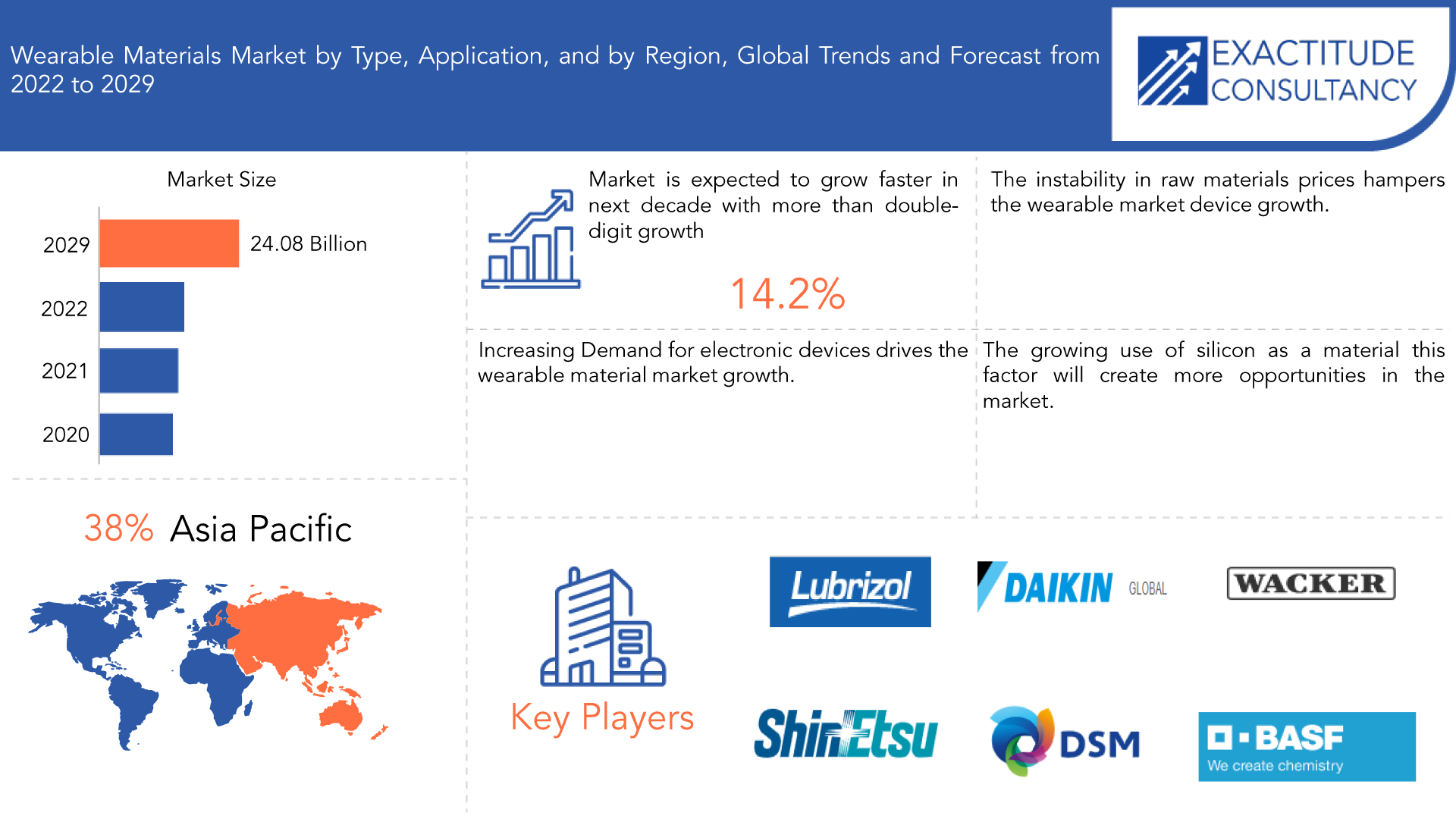
Si prevede che il mercato globale dei materiali indossabili crescerà al 14,2% di CAGR dal 2020 al 2029. Si prevede che raggiungerà oltre 24,08 miliardi di USD entro il 2029 da 1,6 miliardi di USD nel 2020.
Un prodotto o dispositivo con capacità di elaborazione integrate che aiutano chi lo indossa o l'utente a migliorare le attività quotidiane è definito materiale indossabile. I materiali progettati per l'uso sul corpo sono definiti materiali indossabili. Abbigliamento , abbigliamento sportivo e abbigliamento medico sono solo alcune applicazioni di questo tipo di materiali. Le tecnologie elettroniche o i dispositivi che possono essere indossati comodamente sul corpo sono noti come indossabili. Questi gadget tecnologici indossabili sono utilizzati per tracciare i dati in tempo reale. Hanno sensori di movimento che catturano un'immagine della tua attività quotidiana e la collegano a laptop o dispositivi mobili.
| ATTRIBUTO | DETTAGLI |
| Periodo di studio | 2020-2029 |
| Anno base | 2021 |
| Anno stimato | 2022 |
| Anno previsto | 2022-2029 |
| Periodo storico | 2018-2020 |
| Unità | Valore (miliardi di USD), (chilotoni) |
| Segmentazione | Per tipo, per applicazione, per regione |
| Per tipo |
|
| Per applicazione |
|
| Per regione |
|
I materiali indossabili sono importanti perché possono mantenere i nostri indossatori comodi e sicuri. Inoltre, possono aumentare la sicurezza o le prestazioni quando si svolgono diverse attività. Diversi articoli di fascia alta sono realizzati con una varietà di materiali indossabili, tra cui siliconi, poliuretani , elastomeri di fluoro e polietilene tereftalato. Smartwatch, activity tracker, auricolari e cuffie sono solo alcuni esempi dei numerosi gadget elettronici che utilizzano ampiamente materiali indossabili. Molti prodotti elettronici, tra cui smartwatch, activity tracker, auricolari e cuffie, dipendono fortemente dai materiali indossabili. Con l'aumento della produzione e delle vendite di prodotti elettronici, la necessità di prodotti elettronici sta aumentando a livello internazionale e questo è un fattore che si prevede alimenterà l'espansione del mercato nei prossimi anni.
Il mercato dei materiali indossabili sarà significativamente influenzato da fattori quali i costi inferiori dei dispositivi causati dall'emergere di numerosi produttori, un aumento della consapevolezza dei consumatori sulle attività correlate alla salute e un aumento dell'uso del sistema di tracciamento dei pazienti tra i clienti con una varietà di profili di età. D'altro canto, si prevede che un maggiore investimento nella creazione di un ecosistema collegato presenterà prospettive di mercato redditizie per i materiali indossabili.
Si prevede che il crescente utilizzo della tecnologia indossabile nel settore sanitario aumenterà significativamente la domanda di materiali indossabili durante il periodo di previsione. L'elettronica indossabile è in crescita richiesta nei paesi in via di sviluppo, il che aumenta l'uso di materiali indossabili. L'industria dei materiali indossabili è spinta dall'aumento del reddito disponibile nelle economie emergenti e dalla crescente domanda di dispositivi indossabili a prezzi accessibili. La pandemia ha aumentato l'uso della tecnologia indossabile nel settore sanitario perché questi prodotti presentano vantaggi e benefici sia per i pazienti che per gli operatori sanitari. Alcuni di questi vantaggi includono il monitoraggio delle statistiche vitali in tempo reale e il rilevamento precoce del rischio di malattia o evento. Poiché i consumatori si affidano a questi gadget per il lavoro da remoto, il monitoraggio della salute, le attività di esercizio fisico e altri usi, le tecnologie indossabili e indossabili all'orecchio hanno registrato una rapida crescita.
La domanda di dispositivi indossabili a prezzi accessibili e l'aumento del reddito disponibile nelle nazioni emergenti hanno entrambi contribuito alla crescita del mercato globale dei materiali indossabili. Inoltre, il crescente utilizzo di tecnologie indossabili nel campo medico per tracciare e identificare vari problemi corporei è tra le variabili che si prevede alimenteranno la potenziale espansione del mercato nei prossimi anni. Il crescente utilizzo di dispositivi connessi e dell'Internet of Things (IoT) è un altro fattore importante che si prevede stimolerà il mercato dei materiali indossabili nel periodo di previsione.
[caption id="allegato_18022" align="aligncenter" width="1920"]
Frequently Asked Questions
• What is the worth of the global Wearable Materials market?
The global wearable materials market is expected to grow at 14.2 % CAGR from 2020 to 2029. It is expected to reach above USD 24.08 billion by 2029 from USD 1.6 billion in 2020.
• What is the size of the Asia Pacific Wearable Materials industry?
Asia Pacific held more than 38% of the Wearable Materials market revenue share in 2020. Due to an increase in vendors offering goods with competitive features, China is anticipated to be one of the most significant nations in the Asia Pacific area market.
• What are some of the market's driving forces?
Increasing demand for fitness tracking wearable devices, Increasing popularity of the Internet of Things (IoT), and growing adoption of wearable materials in the medical sector are some factors that help to propel the market growth in the wearable materials
• Which are the top companies to hold the market share in the Wearable Materials market?
The wearable materials market key players include BASF, DowDuPont, Wacker Chemie, DSM, Arkema, Eastman Corporation, Shin-Etsu, Elkem, Momentive Performance Materials, Lubrizol, Alphabet Inc, Samsung Electronics Co., Ltd, Sony Cor.
Key Market Segments: Wearable Materials Market
Wearable Materials Market By Type, 2020-2029, (USD Billion), (Kilotons)- Silicones
- Fluor Elastomers
- Polyurethanes
- Others
- Consumer Electronics
- Medical
- Industrial
- Others
- North America
- Asia Pacific
- Europe
- Latin America
- Middle East And Africa
Exactitude Consultancy Services Key Objectives:
- Increasing sales and market share
- Developing new technology
- Improving profitability
- Entering new markets
- Enhancing brand reputation
Key Question Answered
- What is the current size of the wearable materials market?
- What is the expected growth rate of the wearable materials market over the next 5 years?
- Who are the major players in the wearable materials market and what is their market share?
- What are the end-user industries driving demand for the market and what is their outlook?
- What are the opportunities for growth in emerging markets such as Asia-pacific, the middle east, and Africa?
- How is the economic environment affecting the wearable materials market, including factors such as interest rates, inflation, and exchange rates?
- What is the expected impact of government policies and regulations on the wearable materials market?
- What is the current and forecasted size and growth rate of the global wearable materials market?
- What are the key drivers of growth in the wearable materials market?
- Who are the major players in the market and what is their market share?
- What are the wearable materials market's distribution channels and supply chain dynamics?
- What are the technological advancements and innovations in the wearable materials market and their impact on product development and growth?
- What are the regulatory considerations and their impact on the market?
- What are the challenges faced by players in the wearable materials market and how are they addressing these challenges?
- What are the opportunities for growth and expansion in the wearable materials market?
- What are the Product offerings specifications of leading players in the market?
- What is the pricing trend of wearable materials in the market?
Wearable Materials Market Segment Analysis
The global wearable materials market is segmented based on application, type, and region. By type, the market is bifurcated into Silicones, Polyurethanes, Fluor elastomers, and others. By application, the market is bifurcated into consumer electronics, medical, Industrial, and Others.
Based on the type of silicone segment dominating the market. Silicon and oxygen are combined to form silicones. They are easily moldable into any shape, lightweight, flexible, and inert to water and air. The most popular kind of silicone is silicone rubber, which is used in products like cookware, shower curtains, gaskets, and other places where a stretchy rubber-like materials is required. Silicone is regarded as biocompatible and has a wide range of uses in skin care products, such as peel-and-stick skin care products and wearable medical devices made of silicone with biomedical grade. In addition, they are significantly more permeable than any other organic polymer, increasing patient comfort. These materials provide more comfort and a better fit by easily conforming to body shapes.
Based on the application consumer electronics segment is dominating the market. In 2022, the consumer electronics application category dominated the market and accounted for the highest revenue share of more than 48.95%. A significant proportion of this market can be attributed to the rise in wearable technologies, such as fitness bands and AR/VR headsets. Numerous producers, like Apple Inc., Garmin Ltd., Omron, and Nemaura, focus on developing devices that give data that includes both clinical and non-clinical information. For instance, Nemaura's sugar beet Wearable Technology allows frequent blood glucose monitoring in diabetic patients, eliminating the need for daily finger-prick calibration. The rising popularity of health and fitness trackers is the factor driving this industry. The industrial application segment of the wearable materials market is anticipated to develop the greatest share during the forecast period.
[caption id="attachment_18024" align="aligncenter" width="1920"]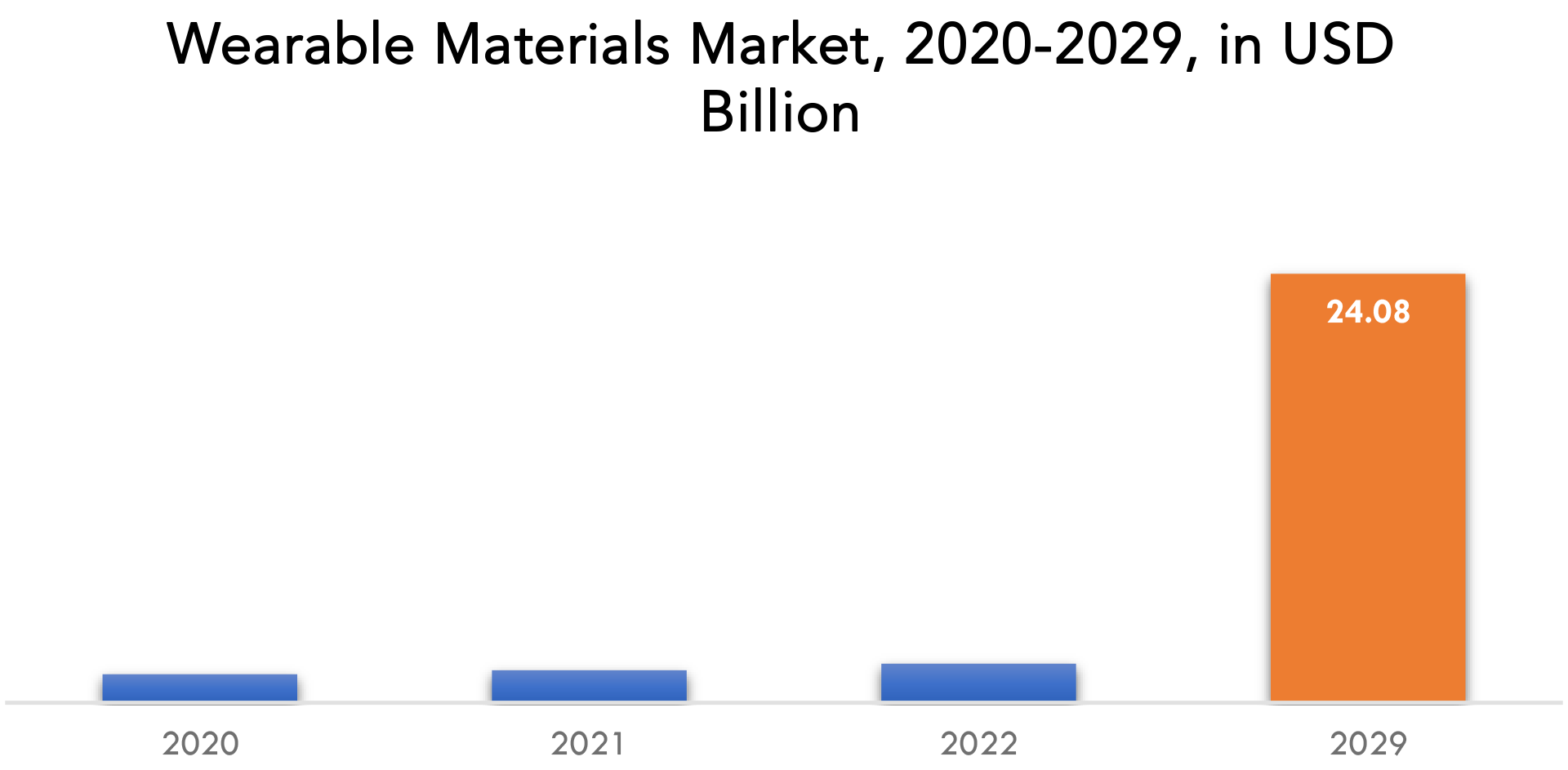
Wearable Materials Market Key Players
The wearable materials market key players include BASF, DowDuPont, Wacker Chemie, DSM, Arkema, Eastman Corporation, Shin-Etsu, Elkem, Momentive Performance Materials, Emerald Performance Materials, Daikin Chemicals, Solvay, 3M, Covestro, Lubrizol, Alphabet Inc, Samsung Electronics Co., Ltd, Sony Cor.
Industry Development:
Shin-Etsu Chemical announced the creation of electrophysiological dry electrodes and high-elasticity wiring materials for cutting-edge wearable technology in December 2021. Elkem announced its investment plan to increase the production of specialized silicones at its upstream plant in France by 20,000 metric tons in October 2021. This increase in silicone production will help meet the demands of medical equipment and healthcare.Who Should Buy? Or Key stakeholders
- Wearable Materials Supplier
- Raw Materials Manufacturers
- Research Organizations
- Medical Industry
- Electrical & Electronics Industry
- Supply Chain Industries
- Investors
- Regulatory Authorities
- Industrial Sectors
- Others
Wearable Materials Market Regional Analysis
The wearable materials market by region includes North America, Asia-Pacific (APAC), Europe, South America, and Middle East & Africa (MEA).
- North America: includes the US, Canada, Mexico
- Asia Pacific: includes China, Japan, South Korea, India, Australia, ASEAN, and the Rest of APAC
- Europe: includes the UK, Germany, France, Italy, Spain, Russia, and the Rest of Europe
- South America: includes Brazil, Argentina, and the Rest of South America
- Middle East & Africa: includes Turkey, UAE, Saudi Arabia, South Africa, and the Rest of MEA
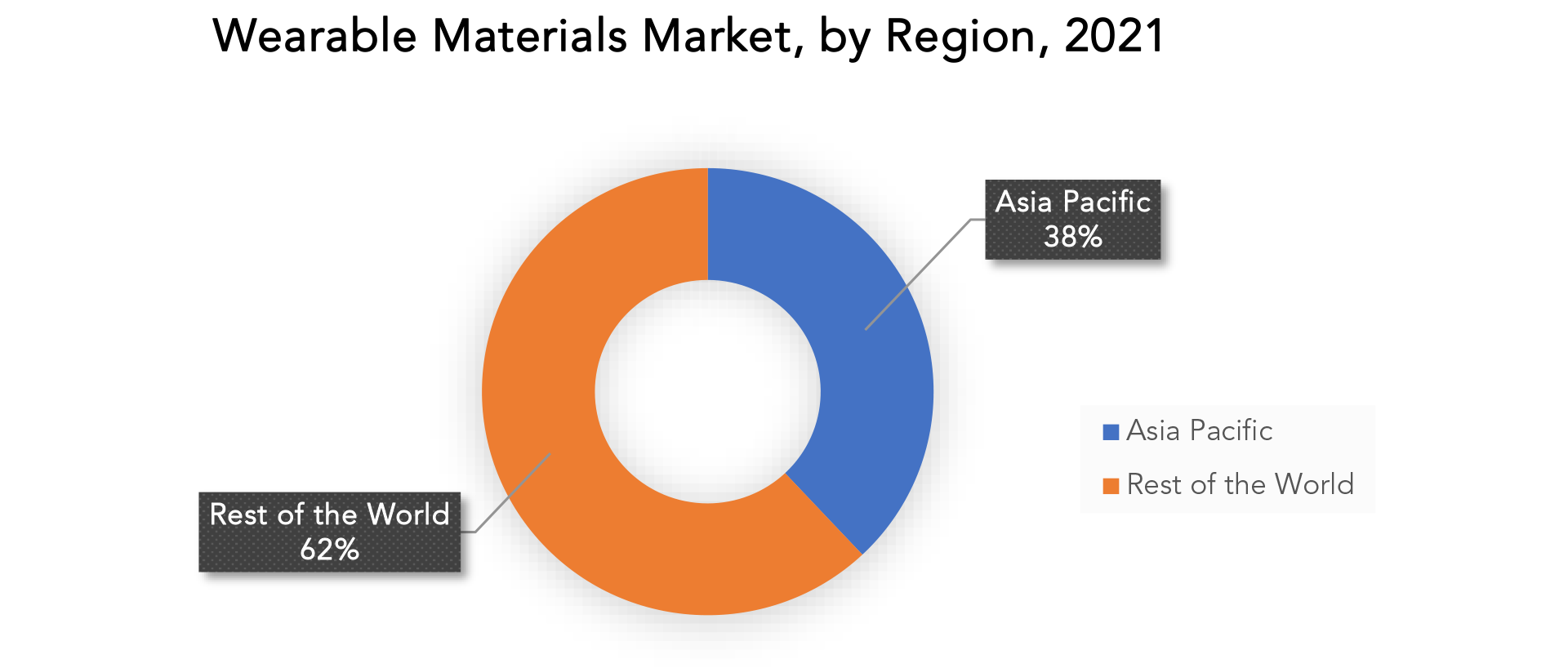
Asia Pacific accounted for the largest market in the wearable materials market. Due to an increase in vendors offering goods with competitive features, China is anticipated to be one of the most significant nations in the Asia Pacific area market. The declining costs of smartphones, which are forecast to reduce even further shortly, are also expected to fuel demand for wearable technology in the nation. Manufacturers can lower product prices with increased production volumes due to the increasing demand from various target client groups.
The market for wearable materials in the region is being driven by the expanding electronics sector and the rapidly rising disposable income in the area. In addition, favorable government initiatives for manufacturing & export promotion are also expected to boost regional growth over the next few years such as the Make in India initiative undertaken by the Indian Government which will create a business-friendly environment thereby driving industry expansion at a faster pace than in North America or Europe during 2022 - 2029 period.
North America accounted for the second largest market in the wearable devices market. Major growth factors for the regional market have been the high adoption of technology and the simplicity with which freshly released goods are made available. In the region, there is a larger need for devices that support wellness, enable preventive care, and help in managing chronic illnesses. 30% of Americans use wearable medical equipment, according to the National Library of Medicine.
- INTRODUZIONE
- DEFINIZIONE DI MERCATO
- SEGMENTAZIONE DEL MERCATO
- TEMPI DI RICERCA
- ASSUNZIONI E LIMITAZIONI
- METODOLOGIA DI RICERCA
- ESTRAZIONE DATI
- RICERCA SECONDARIA
- RICERCA PRIMARIA
- PARERI DEGLI ESPERTI IN MATERIA
- CONTROLLI DI QUALITÀ
- RECENSIONE FINALE
- TRIANGOLAZIONE DEI DATI
- APPROCCIO DAL BASSO VERSO L'ALTO
- APPROCCIO TOP-DOWN
- FLUSSO DI RICERCA
- FONTI DEI DATI
- ESTRAZIONE DATI
- SINTESI
- PANORAMICA DEL MERCATO
- PROSPETTIVE DEL MERCATO GLOBALE DEI MATERIALI INDOSSABILI
- FATTORI DI MERCATO
- LIMITAZIONI DI MERCATO
- OPPORTUNITÀ DI MERCATO
- IMPATTO DEL COVID-19 SUL MERCATO DEI MATERIALI INDOSSABILI
- MODELLO DELLE CINQUE FORZE DI PORTER
- MINACCIA DAI NUOVI ENTRANSI
- MINACCIA DA SOSTITUTI
- POTERE CONTRATTUALE DEI FORNITORI
- POTERE CONTRATTUALE DEI CLIENTI
- GRADO DI COMPETIZIONE
- ANALISI DELLA CATENA DEL VALORE DEL SETTORE
- PROSPETTIVE DEL MERCATO GLOBALE DEI MATERIALI INDOSSABILI
- MERCATO GLOBALE DEI MATERIALI INDOSSABILI PER TIPOLOGIA, 2020-2029, (MILIARDI DI USD), (KILOTONI)
- SILICONE
- ELASTOMERI FLUORATI
- POLIURETANI
- ALTRI
- MERCATO GLOBALE DEI MATERIALI INDOSSABILI PER APPLICAZIONE, 2020-2029, (MILIARDI DI USD) (KILOTONI)
- ELETTRONICA DI CONSUMO
- MEDICO
- INDUSTRIAL
- OTHERS
- GLOBAL WEARABLE MATERIALS MARKET BY REGION, 2020-2029, (USD BILLION), (KILOTONS)
- NORTH AMERICA
- US
- CANADA
- MEXICO
- SOUTH AMERICA
- BRAZIL
- ARGENTINA
- COLOMBIA
- REST OF SOUTH AMERICA
- EUROPE
- GERMANY
- UK
- FRANCE
- ITALY
- SPAIN
- RUSSIA
- REST OF EUROPE
- ASIA PACIFIC
- INDIA
- CHINA
- JAPAN
- SOUTH KOREA
- AUSTRALIA
- SOUTH-EAST ASIA
- REST OF ASIA PACIFIC
- MIDDLE EAST AND AFRICA
- UAE
- SAUDI ARABIA
- SOUTH AFRICA
- REST OF MIDDLE EAST AND AFRICA
- NORTH AMERICA
- COMPANY PROFILES*
(BUSINESS OVERVIEW, COMPANY SNAPSHOT, PRODUCTS OFFERED, RECENT DEVELOPMENTS)
- BASF
- DOWDUPONT
- WACKER CHEMIE
- DSM
- ARKEMA
- EASTMAN CORPORATION
- SHIN-ETSU
- ELKEM
- MOMENTIVE PERFORMANCE MATERIALS
- LUBRIZOL
*THE COMPANY LIST IS INDICATIVE
LIST OF TABLES
TABLE 1 GLOBAL WEARABLE MATERIAL MARKET BY TYPE (USD BILLION) 2020-2029
TABLE 2 GLOBAL WEARABLE MATERIAL MARKET BY TYPE (KILOTONS) 2020-2029
TABLE 3 GLOBAL WEARABLE MATERIAL MARKET BY APPLICATION (USD BILLION) 2020-2029
TABLE 4 GLOBAL WEARABLE MATERIAL MARKET BY APPLICATION (KILOTONS) 2020-2029
TABLE 5 GLOBAL WEARABLE MATERIAL MARKET BY REGION (USD BILLION) 2020-2029
TABLE 6 GLOBAL WEARABLE MATERIAL MARKET BY REGION (KILOTONS) 2020-2029
TABLE 7 NORTH AMERICA WEARABLE MATERIAL MARKET BY COUNTRY (USD BILLION) 2020-2029
TABLE 8 NORTH AMERICA WEARABLE MATERIAL MARKET BY COUNTRY (KILOTONS) 2020-2029
TABLE 9 NORTH AMERICA WEARABLE MATERIAL MARKET BY TYPE (USD BILLION) 2020-2029
TABLE 10 NORTH AMERICA WEARABLE MATERIAL MARKET BY TYPE (KILOTONS) 2020-2029
TABLE 11 NORTH AMERICA WEARABLE MATERIAL MARKET BY APPLICATION (USD BILLION) 2020-2029
TABLE 12 NORTH AMERICA WEARABLE MATERIAL MARKET BY APPLICATION (KILOTONS) 2020-2029
TABLE 13 US WEARABLE MATERIAL MARKET BY TYPE (USD BILLION) 2020-2029
TABLE 14 US WEARABLE MATERIAL MARKET BY TYPE (KILOTONS) 2020-2029
TABLE 15 US WEARABLE MATERIAL MARKET BY APPLICATION (USD BILLION) 2020-2029
TABLE 16 US WEARABLE MATERIAL MARKET BY APPLICATION (KILOTONS) 2020-2029
TABLE 17 CANADA WEARABLE MATERIAL MARKET BY TYPE (USD BILLION) 2020-2029
TABLE 18 CANADA WEARABLE MATERIAL MARKET BY TYPE (KILOTONS) 2020-2029
TABLE 19 CANADA WEARABLE MATERIAL MARKET BY APPLICATION (USD BILLION) 2020-2029
TABLE 20 CANADA WEARABLE MATERIAL MARKET BY APPLICATION (KILOTONS) 2020-2029
TABLE 21 MEXICO WEARABLE MATERIAL MARKET BY TYPE (USD BILLION) 2020-2029
TABLE 22 MEXICO WEARABLE MATERIAL MARKET BY TYPE (KILOTONS) 2020-2029
TABLE 23 MEXICO WEARABLE MATERIAL MARKET BY APPLICATION (USD BILLION) 2020-2029
TABLE 24 MEXICO WEARABLE MATERIAL MARKET BY APPLICATION (KILOTONS) 2020-2029
TABLE 25 SOUTH AMERICA WEARABLE MATERIAL MARKET BY COUNTRY (USD BILLION) 2020-2029
TABLE 26 SOUTH AMERICA WEARABLE MATERIAL MARKET BY COUNTRY (KILOTONS) 2020-2029
TABLE 27 SOUTH AMERICA WEARABLE MATERIAL MARKET BY TYPE (USD BILLION) 2020-2029
TABLE 28 SOUTH AMERICA WEARABLE MATERIAL MARKET BY TYPE (KILOTONS) 2020-2029
TABLE 29 SOUTH AMERICA WEARABLE MATERIAL MARKET BY APPLICATION (USD BILLION) 2020-2029
TABLE 30 SOUTH AMERICA WEARABLE MATERIAL MARKET BY APPLICATION (KILOTONS) 2020-2029
TABLE 31 BRAZIL WEARABLE MATERIAL MARKET BY TYPE (USD BILLION) 2020-2029
TABLE 32 BRAZIL WEARABLE MATERIAL MARKET BY TYPE (KILOTONS) 2020-2029
TABLE 33 BRAZIL WEARABLE MATERIAL MARKET BY APPLICATION (USD BILLION) 2020-2029
TABLE 34 BRAZIL WEARABLE MATERIAL MARKET BY APPLICATION (KILOTONS) 2020-2029
TABLE 35 ARGENTINA WEARABLE MATERIAL MARKET BY TYPE (USD BILLION) 2020-2029
TABLE 36 ARGENTINA WEARABLE MATERIAL MARKET BY TYPE (KILOTONS) 2020-2029
TABLE 37 ARGENTINA WEARABLE MATERIAL MARKET BY APPLICATION (USD BILLION) 2020-2029
TABLE 38 ARGENTINA WEARABLE MATERIAL MARKET BY APPLICATION (KILOTONS) 2020-2029
TABLE 39 COLOMBIA WEARABLE MATERIAL MARKET BY TYPE (USD BILLION) 2020-2029
TABLE 40 COLOMBIA WEARABLE MATERIAL MARKET BY TYPE (KILOTONS) 2020-2029
TABLE 41 COLOMBIA WEARABLE MATERIAL MARKET BY APPLICATION (USD BILLION) 2020-2029
TABLE 42 COLOMBIA WEARABLE MATERIAL MARKET BY APPLICATION (KILOTONS) 2020-2029
TABLE 43 REST OF THE SOUTH AMERICA WEARABLE MATERIAL MARKET BY TYPE (USD BILLION) 2020-2029
TABLE 44 REST OF THE SOUTH AMERICA WEARABLE MATERIAL MARKET BY TYPE (KILOTONS) 2020-2029
TABLE 45 REST OF THE SOUTH AMERICA WEARABLE MATERIAL MARKET BY APPLICATION (USD BILLION) 2020-2029
TABLE 46 REST OF THE SOUTH AMERICA WEARABLE MATERIAL MARKET BY APPLICATION (KILOTONS) 2020-2029
TABLE 47 ASIA-PACIFIC WEARABLE MATERIAL MARKET BY COUNTRY (USD BILLION) 2020-2029
TABLE 48 ASIA-PACIFIC WEARABLE MATERIAL MARKET BY COUNTRY (KILOTONS) 2020-2029
TABLE 49 ASIA-PACIFIC WEARABLE MATERIAL MARKET BY TYPE (USD BILLION) 2020-2029
TABLE 50 ASIA-PACIFIC WEARABLE MATERIAL MARKET BY TYPE (KILOTONS) 2020-2029
TABLE 51 ASIA-PACIFIC WEARABLE MATERIAL MARKET BY APPLICATION (USD BILLION) 2020-2029
TABLE 52 ASIA-PACIFIC WEARABLE MATERIAL MARKET BY APPLICATION (KILOTONS) 2020-2029
TABLE 53 INDIA WEARABLE MATERIAL MARKET BY TYPE (USD BILLION) 2020-2029
TABLE 54 INDIA WEARABLE MATERIAL MARKET BY TYPE (KILOTONS) 2020-2029
TABLE 55 INDIA WEARABLE MATERIAL MARKET BY APPLICATION (USD BILLION) 2020-2029
TABLE 56 INDIA WEARABLE MATERIAL MARKET BY APPLICATION (KILOTONS) 2020-2029
TABLE 57 CHINA WEARABLE MATERIAL MARKET BY TYPE (USD BILLION) 2020-2029
TABLE 58 CHINA WEARABLE MATERIAL MARKET BY TYPE (KILOTONS) 2020-2029
TABLE 59 CHINA WEARABLE MATERIAL MARKET BY APPLICATION (USD BILLION) 2020-2029
TABLE 60 CHINA WEARABLE MATERIAL MARKET BY APPLICATION (KILOTONS) 2020-2029
TABLE 61 JAPAN WEARABLE MATERIAL MARKET BY TYPE (USD BILLION) 2020-2029
TABLE 62 JAPAN WEARABLE MATERIAL MARKET BY TYPE (KILOTONS) 2020-2029
TABLE 63 JAPAN WEARABLE MATERIAL MARKET BY APPLICATION (USD BILLION) 2020-2029
TABLE 64 JAPAN WEARABLE MATERIAL MARKET BY APPLICATION (KILOTONS) 2020-2029
TABLE 65 SOUTH KOREA WEARABLE MATERIAL MARKET BY TYPE (USD BILLION) 2020-2029
TABLE 66 SOUTH KOREA WEARABLE MATERIAL MARKET BY TYPE (KILOTONS) 2020-2029
TABLE 67 SOUTH KOREA WEARABLE MATERIAL MARKET BY APPLICATION (USD BILLION) 2020-2029
TABLE 68 SOUTH KOREA WEARABLE MATERIAL MARKET BY APPLICATION (KILOTONS) 2020-2029
TABLE 69 AUSTRALIA WEARABLE MATERIAL MARKET BY TYPE (USD BILLION) 2020-2029
TABLE 70 AUSTRALIA WEARABLE MATERIAL MARKET BY TYPE (KILOTONS) 2020-2029
TABLE 71 AUSTRALIA WEARABLE MATERIAL MARKET BY APPLICATION (USD BILLION) 2020-2029
TABLE 72 AUSTRALIA WEARABLE MATERIAL MARKET BY APPLICATION (KILOTONS) 2020-2029
TABLE 73 SOUTH-EAST ASIA WEARABLE MATERIAL MARKET BY TYPE (USD BILLION) 2020-2029
TABLE 74 SOUTH-EAST ASIA WEARABLE MATERIAL MARKET BY TYPE (KILOTONS) 2020-2029
TABLE 75 SOUTH-EAST ASIA WEARABLE MATERIAL MARKET BY APPLICATION (USD BILLION) 2020-2029
TABLE 76 SOUTH-EAST ASIA WEARABLE MATERIAL MARKET BY APPLICATION (KILOTONS) 2020-2029
TABLE 77 REST OF THE ASIA PACIFIC WEARABLE MATERIAL MARKET BY TYPE (USD BILLION) 2020-2029
TABLE 78 REST OF THE ASIA PACIFIC WEARABLE MATERIAL MARKET BY TYPE (KILOTONS) 2020-2029
TABLE 79 REST OF THE ASIA PACIFIC WEARABLE MATERIAL MARKET BY APPLICATION (USD BILLION) 2020-2029
TABLE 80 REST OF THE ASIA PACIFIC WEARABLE MATERIAL MARKET BY APPLICATION (KILOTONS) 2020-2029
TABLE 81 EUROPE WEARABLE MATERIAL MARKET BY COUNTRY (USD BILLION) 2020-2029
TABLE 82 EUROPE WEARABLE MATERIAL MARKET BY COUNTRY (KILOTONS) 2020-2029
TABLE 83 ASIA-PACIFIC WEARABLE MATERIAL MARKET BY TYPE (USD BILLION) 2020-2029
TABLE 84 ASIA-PACIFIC WEARABLE MATERIAL MARKET BY TYPE (KILOTONS) 2020-2029
TABLE 85 ASIA-PACIFIC WEARABLE MATERIAL MARKET BY APPLICATION (USD BILLION) 2020-2029
TABLE 86 ASIA-PACIFIC WEARABLE MATERIAL MARKET BY APPLICATION (KILOTONS) 2020-2029
TABLE 87 GERMANY WEARABLE MATERIAL MARKET BY TYPE (USD BILLION) 2020-2029
TABLE 88 GERMANY WEARABLE MATERIAL MARKET BY TYPE (KILOTONS) 2020-2029
TABLE 89 GERMANY WEARABLE MATERIAL MARKET BY APPLICATION (USD BILLION) 2020-2029
TABLE 90 GERMANY WEARABLE MATERIAL MARKET BY APPLICATION (KILOTONS) 2020-2029
TABLE 91 UK WEARABLE MATERIAL MARKET BY TYPE (USD BILLION) 2020-2029
TABLE 92 UK WEARABLE MATERIAL MARKET BY TYPE (KILOTONS) 2020-2029
TABLE 93 UK WEARABLE MATERIAL MARKET BY APPLICATION (USD BILLION) 2020-2029
TABLE 94 UK WEARABLE MATERIAL MARKET BY APPLICATION (KILOTONS) 2020-2029
TABLE 95 FRANCE WEARABLE MATERIAL MARKET BY TYPE (USD BILLION) 2020-2029
TABLE 96 FRANCE WEARABLE MATERIAL MARKET BY TYPE (KILOTONS) 2020-2029
TABLE 97 FRANCE WEARABLE MATERIAL MARKET BY APPLICATION (USD BILLION) 2020-2029
TABLE 98 FRANCE WEARABLE MATERIAL MARKET BY APPLICATION (KILOTONS) 2020-2029
TABLE 99 ITALY WEARABLE MATERIAL MARKET BY TYPE (USD BILLION) 2020-2029
TABLE 100 ITALY WEARABLE MATERIAL MARKET BY TYPE (KILOTONS) 2020-2029
TABLE 101 ITALY WEARABLE MATERIAL MARKET BY APPLICATION (USD BILLION) 2020-2029
TABLE 102 ITALY WEARABLE MATERIAL MARKET BY APPLICATION (KILOTONS) 2020-2029
TABLE 103 SPAIN WEARABLE MATERIAL MARKET BY TYPE (USD BILLION) 2020-2029
TABLE 104 SPAIN WEARABLE MATERIAL MARKET BY TYPE (KILOTONS) 2020-2029
TABLE 105 SPAIN WEARABLE MATERIAL MARKET BY APPLICATION (USD BILLION) 2020-2029
TABLE 106 SPAIN WEARABLE MATERIAL MARKET BY APPLICATION (KILOTONS) 2020-2029
TABLE 107 RUSSIA WEARABLE MATERIAL MARKET BY TYPE (USD BILLION) 2020-2029
TABLE 108 RUSSIA WEARABLE MATERIAL MARKET BY TYPE (KILOTONS) 2020-2029
TABLE 109 RUSSIA WEARABLE MATERIAL MARKET BY APPLICATION (USD BILLION) 2020-2029
TABLE 110 RUSSIA WEARABLE MATERIAL MARKET BY APPLICATION (KILOTONS) 2020-2029
TABLE 111 REST OF EUROPE WEARABLE MATERIAL MARKET BY TYPE (USD BILLION) 2020-2029
TABLE 112 REST OF EUROPE WEARABLE MATERIAL MARKET BY TYPE (KILOTONS) 2020-2029
TABLE 113 REST OF EUROPE WEARABLE MATERIAL MARKET BY APPLICATION (USD BILLION) 2020-2029
TABLE 114 REST OF EUROPE WEARABLE MATERIAL MARKET BY APPLICATION (KILOTONS) 2020-2029
TABLE 115 MIDDLE EAST AND AFRICA WEARABLE MATERIAL MARKET BY COUNTRY (USD BILLION) 2020-2029
TABLE 116 MIDDLE EAST AND AFRICA WEARABLE MATERIAL MARKET BY COUNTRY (KILOTONS) 2020-2029
TABLE 117 MIDDLE EAST AND AFRICA WEARABLE MATERIAL MARKET BY TYPE (USD BILLION) 2020-2029
TABLE 118 MIDDLE EAST AND AFRICA WEARABLE MATERIAL MARKET BY TYPE (KILOTONS) 2020-2029
TABLE 119 MIDDLE EAST AND AFRICA WEARABLE MATERIAL MARKET BY APPLICATION (USD BILLION) 2020-2029
TABLE 120 MIDDLE EAST AND AFRICA WEARABLE MATERIAL MARKET BY APPLICATION (KILOTONS) 2020-2029
TABLE 121 UAE WEARABLE MATERIAL MARKET BY TYPE (USD BILLION) 2020-2029
TABLE 122 UAE WEARABLE MATERIAL MARKET BY TYPE (KILOTONS) 2020-2029
TABLE 123 UAE WEARABLE MATERIAL MARKET BY APPLICATION (USD BILLION) 2020-2029
TABLE 124 UAE WEARABLE MATERIAL MARKET BY APPLICATION (KILOTONS) 2020-2029
TABLE 125 SAUDI ARABIA WEARABLE MATERIAL MARKET BY TYPE (USD BILLION) 2020-2029
TABLE 126 SAUDI ARABIA WEARABLE MATERIAL MARKET BY TYPE (KILOTONS) 2020-2029
TABLE 127 SAUDI ARABIA WEARABLE MATERIAL MARKET BY APPLICATION (USD BILLION) 2020-2029
TABLE 128 SAUDI ARABIA WEARABLE MATERIAL MARKET BY APPLICATION (KILOTONS) 2020-2029
TABLE 129 SOUTH AFRICA WEARABLE MATERIAL MARKET BY TYPE (USD BILLION) 2020-2029
TABLE 130 SOUTH AFRICA WEARABLE MATERIAL MARKET BY TYPE (KILOTONS) 2020-2029
TABLE 131 SOUTH AFRICA WEARABLE MATERIAL MARKET BY APPLICATION (USD BILLION) 2020-2029
TABLE 132 SOUTH AFRICA WEARABLE MATERIAL MARKET BY APPLICATION (KILOTONS) 2020-2029
TABLE 133 REST OF THE MIDDLE EAST AND AFRICA WEARABLE MATERIAL MARKET BY TYPE (USD BILLION) 2020-2029
TABLE 134 REST OF THE MIDDLE EAST AND AFRICA WEARABLE MATERIAL MARKET BY TYPE (KILOTONS) 2020-2029
TABLE 135 REST OF THE MIDDLE EAST AND AFRICA WEARABLE MATERIAL MARKET BY APPLICATION (USD BILLION) 2020-2029
TABLE 136 REST OF THE MIDDLE EAST AND AFRICA WEARABLE MATERIAL MARKET BY APPLICATION (KILOTONS) 2020-2029
LIST OF FIGURES
FIGURE 1 MARKET DYNAMICS
FIGURE 2 MARKET SEGMENTATION
FIGURE 3 REPORT TIMELINES: YEARS CONSIDERED
FIGURE 4 DATA TRIANGULATION
FIGURE 5 BOTTOM-UP APPROACH
FIGURE 6 TOP-DOWN APPROACH
FIGURE 7 RESEARCH FLOW
FIGURE 8 GLOBAL WEARABLE MATERIALS MARKET BY TYPE, USD BILLION, 2020-2029
FIGURE 9 GLOBAL WEARABLE MATERIALS MARKET BY APPLICATION, USD BILLION, 2020-2029
FIGURE 10 GLOBAL WEARABLE MATERIALS MARKET BY REGION, USD BILLION, 2020-2029
FIGURE 11 PORTER’S FIVE FORCES MODEL
FIGURE 12 GLOBAL WEARABLE MATERIALS MARKET BY TYPE, USD BILLION, 2021
FIGURE 13 GLOBAL WEARABLE MATERIALS MARKET BY APPLICATION, USD BILLION, 2021
FIGURE 12 GLOBAL WEARABLE MATERIALS MARKET BY REGION, USD BILLION, 2021
FIGURE 12 NORTH AMERICA WEARABLE MATERIALS MARKET SNAPSHOT
FIGURE 13 EUROPE WEARABLE MATERIALS MARKET SNAPSHOT
FIGURE 14 SOUTH AMERICA WEARABLE MATERIALS MARKET SNAPSHOT
FIGURE 15 ASIA PACIFIC WEARABLE MATERIALS MARKET SNAPSHOT
FIGURE 16 MIDDLE EAST ASIA AND AFRICA WEARABLE MATERIALS MARKET SNAPSHOT
FIGURE 17 MARKET SHARE ANALYSIS
FIGURE 18 BASF: COMPANY SNAPSHOT
FIGURE 19 DOWDUPONT: COMPANY SNAPSHOT
FIGURE 20 WACKER CHEMIE: COMPANY SNAPSHOT
FIGURE 21 DSM: COMPANY SNAPSHOT
FIGURE 22 EASTMAN CORPORATION: COMPANY SNAPSHOT
FIGURE 23 SHIN-ETSU: COMPANY SNAPSHOT
FIGURE 24 ELKEM: COMPANY SNAPSHOT
FIGURE 25 MOMENTIVE PERFORMANCE MATERIALS: COMPANY SNAPSHOT
FIGURE 26 LUBRIZOL: COMPANY SNAPSHOT
FIGURE 27 DAIKIN CHEMICALS: COMPANY SNAPSHOT
DOWNLOAD FREE SAMPLE REPORT
License Type
SPEAK WITH OUR ANALYST
Want to know more about the report or any specific requirement?
WANT TO CUSTOMIZE THE REPORT?
Our Clients Speak
We asked them to research ‘ Equipment market’ all over the world, and their whole arrangement was helpful to us. thehealthanalytics.com insightful analysis and reports contributed to our current analysis and in creating a future strategy. Besides, the te
Yosuke Mitsui
Senior Associate Construction Equipment Sales & Marketing
We asked them to research ‘Equipment market’ all over the world, and their whole arrangement was helpful to us. thehealthanalytics.com insightful analysis and reports contributed to our current analysis and in creating a future strategy. Besides, the te