

Base Year Value ()
x.x %
x.x %
CAGR ()
x.x %
x.x %
Forecast Year Value ()
x.x %
x.x %
Historical Data Period
Largest Region
Forecast Period
Mercato dei fumi di silice in base alla fonte dei metalli (silicio metallico, ferrosilicio), applicazione (costruzione di edifici, costruzione di strutture marine, costruzione di impianti di produzione chimica, iniezione di pozzi di petrolio e gas, costruzione di centrali nucleari, altri) e regione, tendenze globali e previsioni dal 2022 al 2029.
Instant access to hundreds of data points and trends
- Market estimates from 2014-2029
- Competitive analysis, industry segmentation, financial benchmarks
- Incorporates SWOT, Porter's Five Forces and risk management frameworks
- PDF report or online database with Word, Excel and PowerPoint export options
- 100% money back guarantee
Panoramica del mercato dei fumi di silice
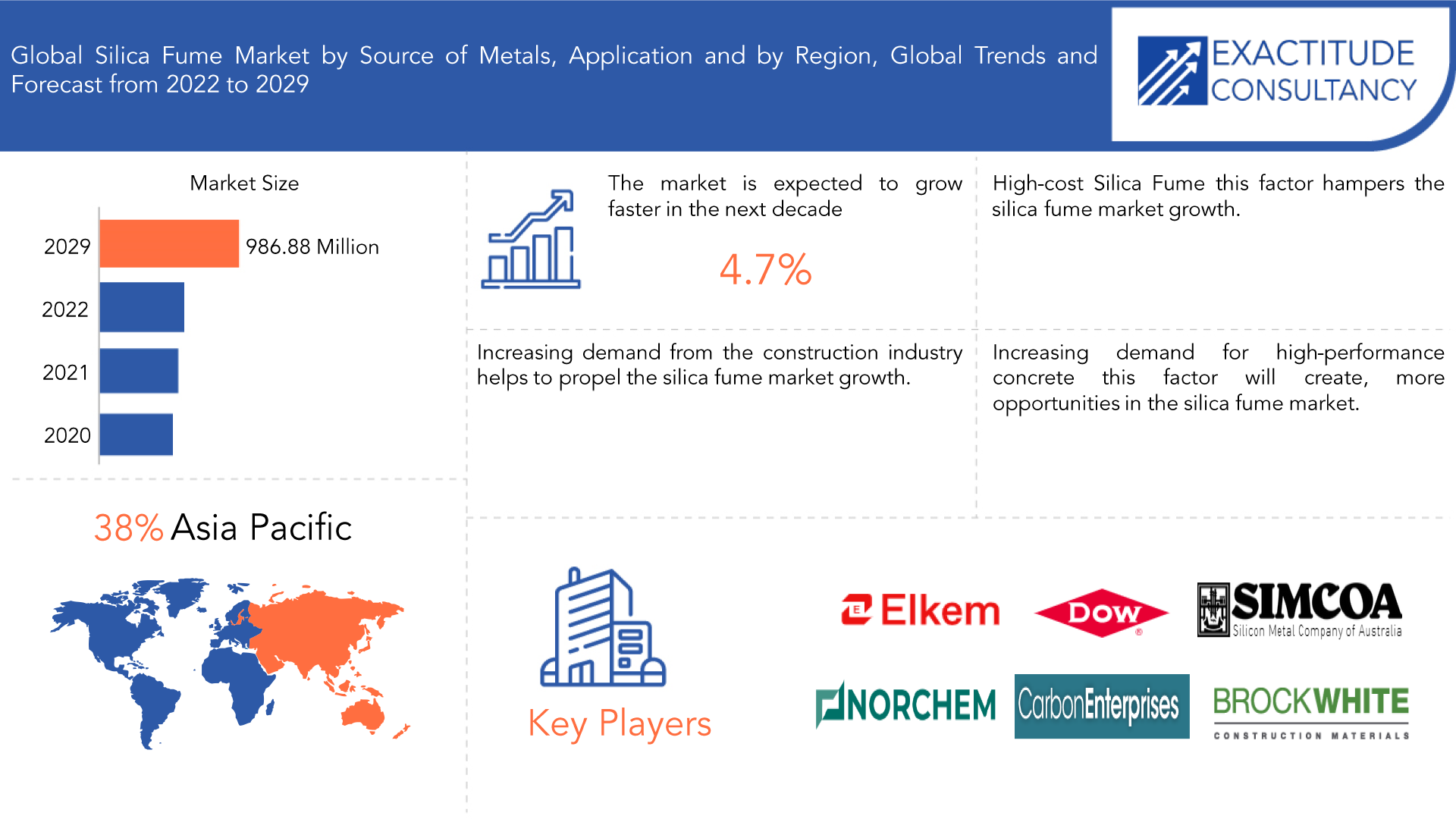
Si prevede che il mercato globale dei fumi di silice crescerà al 4,7% di CAGR dal 2020 al 2029. Si prevede che raggiungerà oltre 986,88 milioni di USD entro il 2029 dai 564,8 milioni di USD nel 2020.
Il fumo di silice è un sottoprodotto della produzione di leghe di silicio metallico e ferrosilicio. È una polvere fine, amorfa e altamente reattiva composta da particelle sferiche che sono circa 100 volte più piccole della particella media di cemento. Il fumo di silice è anche noto come micro silice o fumo di silice condensato. Il fumo di silice è utilizzato come additivo minerale nel calcestruzzo e nei prodotti a base di cemento. Quando aggiunto al calcestruzzo, il fumo di silice ne migliora la resistenza, la durevolezza e la resistenza agli attacchi chimici, all'abrasione e ai cicli di gelo-disgelo. Riduce inoltre la permeabilità del calcestruzzo, rendendolo meno suscettibile alla penetrazione dell'acqua e all'ingresso di ioni cloruro, che possono causare la corrosione dell'acciaio di rinforzo. Il fumo di silice è utilizzato anche nei materiali refrattari, come il cemento ad alta temperatura e il colabile, grazie al suo elevato punto di fusione e alla bassa dilatazione termica. È utilizzato anche nella produzione di ceramiche avanzate , come il nitruro di silicio e il carburo di silicio, grazie alla sua elevata purezza e stabilità chimica.
Grazie ai suoi vantaggi e benefici, il fumo di silice è molto richiesto nel settore edile. Offre calcestruzzo con maggiore resistenza, migliori strutture di costruzione, elevate prestazioni e prolunga la durata delle strutture. Il fumo di silice aumenta le proprietà elettriche e previene la corrosione dell'armatura in acciaio nel calcestruzzo. Inoltre, viene utilizzato in situazioni in cui il calcestruzzo deve essere più impermeabile. Inoltre, l'espansione del mercato globale è notevolmente aiutata dall'aumento della domanda di fumo di silice nello sviluppo dell'energia nucleare. Nel futuro previsto, si prevede che un aumento dell'attività di costruzione aumenterà la quota di mercato.
| ATTRIBUTO | DETTAGLI |
| Periodo di studio | 2020-2029 |
| Anno base | 2021 |
| Anno stimato | 2022 |
| Anno previsto | 2022-2029 |
| Periodo storico | 2018-2020 |
| Unità | Valore (MILIONI DI USD), (Kilotoni) |
| Segmentazione | Per fonte di metalli, per applicazione, per regione |
| Per fonte di metallo |
|
| Per applicazione |
|
| Per regione |
|
Si prevede che il mercato globale dei fumi di silice crescerà in modo significativo nei prossimi anni, spinto dalla crescente domanda di calcestruzzo ad alta resistenza e durevole nei progetti di costruzione e infrastruttura. La regione Asia-Pacifico è il mercato più grande per i fumi di silice, seguita da Nord America ed Europa. I principali attori del mercato dei fumi di silice includono Elkem ASA, Norchem Inc., Dow Corning Corporation e Wacker Chemie AG.
Si prevede che il mercato globale del fumo di silice crescerà in modo significativo nei prossimi anni, spinto dalla crescente domanda di calcestruzzo ad alta resistenza e durevole nei progetti di costruzione e infrastrutture. La regione Asia-Pacifico è il mercato più grande per il fumo di silice, seguita da Nord America ed Europa. Il fumo di silice viene utilizzato come additivo nel calcestruzzo per migliorarne la resistenza, la durevolezza e la resistenza agli attacchi chimici, all'abrasione e ai cicli di gelo-disgelo. La crescente domanda di calcestruzzo ad alta resistenza e durevole nei progetti di costruzione e infrastrutture sta guidando la domanda di fumo di silice. La crescita del settore delle costruzioni e delle infrastrutture nelle economie emergenti, come Cina, India e Sud-est asiatico, sta guidando la domanda di fumo di silice. Poiché il fumo di silice aiuta a produrre calcestruzzo con maggiore resistenza e durevolezza, il che è essenziale per progetti di costruzione su larga scala.
Il fumo di silice è un sottoprodotto della produzione di leghe di silicio metallico e ferrosilicio, il che lo rende un materiale ecologico. Con la crescente attenzione alle pratiche di costruzione sostenibili, si prevede che la domanda di fumo di silice crescerà ulteriormente. Il fumo di silice viene anche utilizzato nella produzione di ceramiche avanzate, come nitruro di silicio e carburo di silicio, grazie alla sua elevata purezza e stabilità chimica. La crescente domanda di ceramiche avanzate nei settori dell'elettronica e aerospaziale sta guidando la domanda di fumo di silice. Nel complesso, il mercato del fumo di silice sta crescendo grazie alle sue proprietà uniche e al suo crescente utilizzo in un'ampia gamma di applicazioni, tra cui edilizia, infrastrutture e ceramiche avanzate.
[caption id="allegato_19363" align="aligncenter" width="1920"]
Frequently Asked Questions
• What is the worth of the global Silica Fume market?
The global silica fume market is expected to grow at 4.7 % CAGR from 2020 to 2029. It is expected to reach above USD 986.88 million by 2029 from USD 564.8 million in 2020.
• What is the size of the Asia Pacific Silica Fume industry?
Asia Pacific accounted for the largest market in the silica fume market. Due to the high demand in China and India, followed by North America, the Asia Pacific region is expected to experience the fastest growth rate during the forecast period and account for 38% of the global silica fume market.
• What are some of the market's driving forces?
The increase in demand for silica fume in nuclear power construction, and growing demand from the construction industry in Asia pacific are the factors that help to propel the silica fume market growth.
• Which are the top companies to hold the market share in the Silica Fume market?
The Silica Fume market key players include Globe Specialty Metals/ Norchem, Inc., Norchem, Elkem, Cemente Industries Inc, DOW Corning, Krypton, Elkon Products Inc, Brock White Company Llc, Simcoa Operations Pty Ltd, Carbon Enterprises, Ecotech, Bisley, Rockfit, Silpozz, Uhan Newreach Microsilica Co., Ltd, Shenzhen Bemsun Industry Co., Ltd, Shanghai Topken Silica Fume Co., Ltd.
Silica Fume Market Segment Analysis
The global Silica Fume market is segmented based on the source of metal, application, and region. By source of metal, the market is bifurcated into Silicon Metal, Ferrosilicon. By application the market is bifurcated into Building Construction, Marine Structure Construction, Chemical Production Facilities Construction, Oil & Gas Well Grouting, Nuclear Power Plant Construction, and others.
Based on the source of metal silicone metal segment is dominating the silica fume market. It is a high-purity form of silicon that contains about 98-99% silicon, with small amounts of iron, aluminum, and calcium. Silicon metal has several important properties that make it useful in a wide range of applications. It is a good conductor of electricity and heat, has a low thermal expansion coefficient, and is highly resistant to corrosion and oxidation. These properties make silicon metal suitable for use in a variety of industries, including the electronics, solar energy, and chemical industries.
Based on application building and construction segment is dominating the silica fume market. Silica fume is used as an admixture in concrete to improve its strength, durability, and resistance to chemical attacks, abrasion, and freeze-thaw cycles. The growing demand for high-strength and durable concrete in construction and infrastructure projects is driving the demand for silica fume. The growth of the construction and infrastructure sector in emerging economies, such as China, India, and Southeast Asia, is driving the demand for silica fume. Governments around the world are implementing stringent regulations for the construction industry, such as building codes and environmental regulations, which are driving the demand for high-performance concrete. Silica fume is an important component in producing high-performance concrete that meets these regulations.
Overall, the building and construction segment is dominating the silica fume market due to the growing demand for high-strength and durable concrete, rising construction and infrastructure activities, increasing focus on sustainable construction, and stringent government regulations.
[caption id="attachment_19364" align="aligncenter" width="1920"]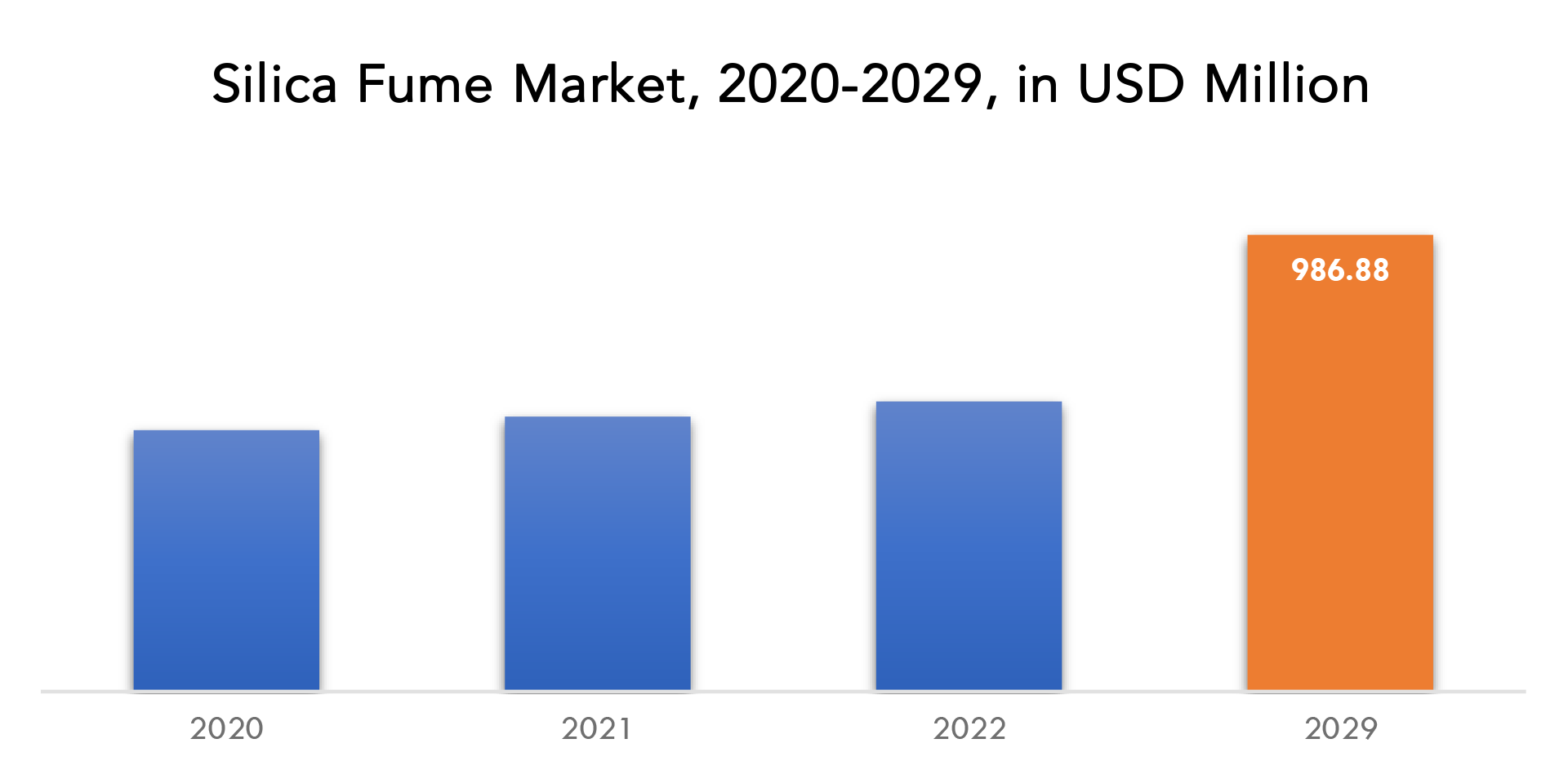
Silica Fume Market Players
The Silica Fume market key players include Globe Specialty Metals/ Norchem, Inc., NORCHEM, Elkem, CEMENTE Industries Inc, DOW Corning, Krypton, ELKON Products Inc, Brock White Company LLC, SIMCOA Operations Pty Ltd, Carbon Enterprises, ECOTECH, Bisley, ROCKFIT, SILPOZZ, Uhan NEWREACH MICROSILICA Co., Ltd, Shenzhen BEMSUN Industry Co., Ltd, Shanghai TOPKEN Silica Fume Co., Ltd. Elkem ASA: Elkem is a leading supplier of silica fume and had invested in expanding its production capacity. In 2021, Elkem announced plans to build a new silica fume production plant in Quebec, Canada, which was expected to start production in the second half of 2022. WACKER CHEMIE is a chemical company that produces and sells silica fume under the brand name HDK. In 2020, the company announced that it was expanding its HDK production capacity by building a new plant in the United States. CEMENTA is a Swedish cement company that produces and sells silica fume under the brand name MICROSILICA. In 2020, the company announced that it had invested in a new facility to produce MICROSILICA in SLITE, Sweden, which is expected to increase its production capacity.Who Should Buy? Or Key stakeholders
- Building Construction
- Nuclear Power Plant Construction Industry
- Investors
- Government Organizations
- Marine Structure Construction Industry
- Research Organization
- Chemical Production Facilities Construction
- Oil and Gas Industry
- Others
Silica Fume Market Regional Analysis
The Silica Fume market by region includes North America, Asia-Pacific (APAC), Europe, South America, and Middle East & Africa (MEA).
- North America: includes the US, Canada, Mexico
- Asia Pacific: includes China, Japan, South Korea, India, Australia, ASEAN, and the Rest of APAC
- Europe: includes the UK, Germany, France, Italy, Spain, Russia, the and Rest of Europe
- South America: includes Brazil, Argentina, and the Rest of South America
- Middle East & Africa: includes Turkey, UAE, Saudi Arabia, South Africa, and the Rest of MEA
Asia Pacific accounted for the largest market in the silica fume market. Due to the high demand in China and India, followed and account for 38% of the global silica fume market. The construction market in APAC will likely remain one of the biggest and fastest-growing in the world. Large and more developed markets such as China, India, and Japan are expected to grow more in the coming years because of the governmental infrastructure projects in these countries. China leads the Asia-Pacific region in terms of silica fume market demand, followed by India and Japan.
Governments in the Asia Pacific are promoting infrastructure development through investments in large-scale construction projects, such as highways, airports, and urban housing. These projects require high-performance concrete, which is driving the demand for silica fume. Additionally, governments are implementing regulations to promote sustainable construction practices, which is also driving the demand for silica fume. Overall, Asia Pacific is dominating the silica fume market due to the growing construction and infrastructure activities, the presence of major producers, favorable government policies, and the growing demand for advanced ceramics in the region.
[caption id="attachment_19368" align="aligncenter" width="1920"]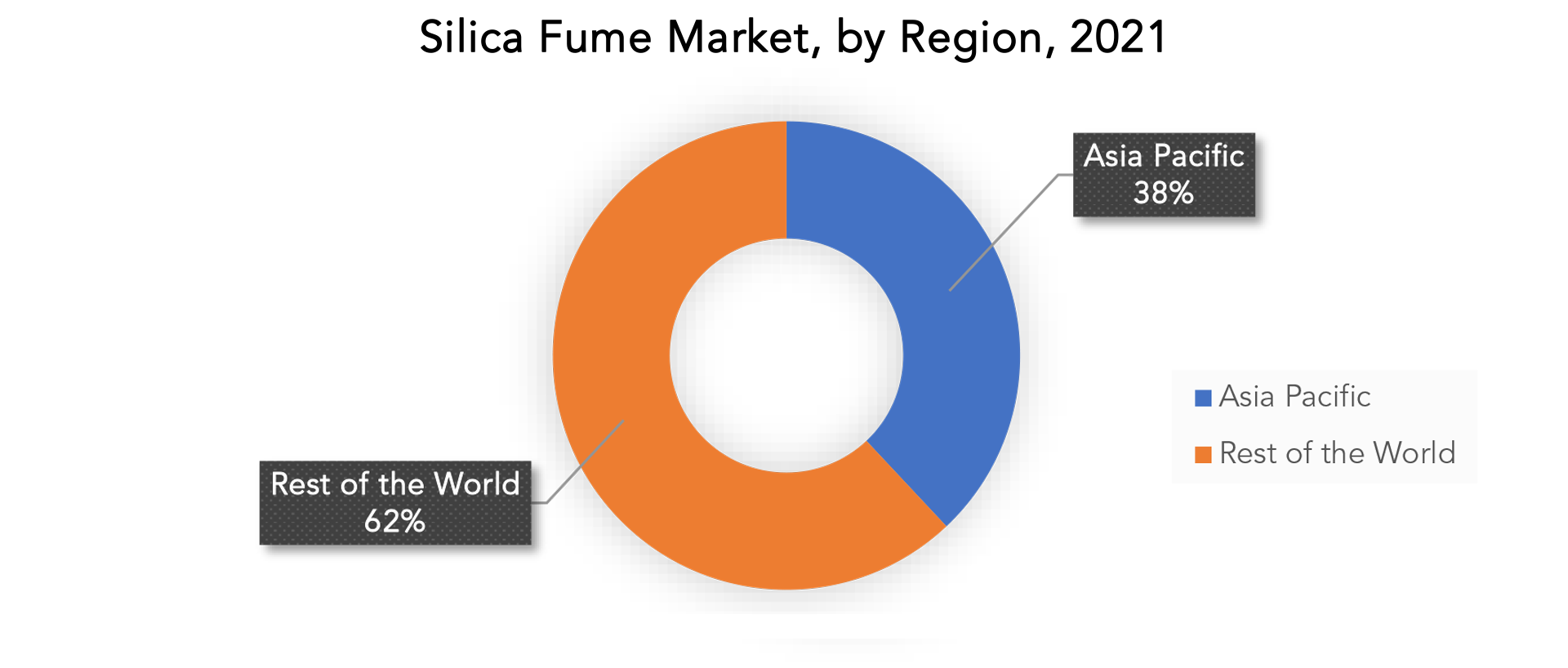
Key Market Segments: Silica Fume Market
Silica Fume Market By Source Of Metals, 2020-2029, (Usd Million), (Kilotons)- Silicon Metal
- Ferrosilicon
- Building Construction
- Marine Structure Construction
- Chemical Production Facilities Construction
- Oil & Gas Well Grouting
- Nuclear Power Plant Construction
- Others
- North America
- Asia Pacific
- Europe
- Latin America
- Middle East And Africa
Exactitude Consultancy Services Key Objectives
- Increasing sales and market share
- Developing new technology
- Improving profitability
- Entering new markets
- Enhancing brand reputation
Key Question Answered
- What is the current size of the silica fume market?
- What is the expected growth rate of the silica fume market over the next 7 years?
- Who are the major players in the silica fume market and what is their market share?
- What are the end-user industries driving demand for the market and what is their outlook?
- What are the opportunities for growth in emerging markets such as the Asia-pacific, the middle east, and Africa?
- How is the economic environment affecting the high strength of the steel market, including factors such as interest rates, inflation, and exchange rates?
- What is the expected impact of government policies and regulations on the military-embedded system market?
- What is the current and forecasted size and growth rate of the global silica fume market?
- What are the key drivers of growth in the silica fume market?
- Who are the major players in the market and what is their market share?
- What are the silica fume market's distribution channels and supply chain dynamics?
- What are the technological advancements and innovations in the silica fume market and their impact on product development and growth?
- What are the regulatory considerations and their impact on the market?
- What are the challenges faced by players in the silica fume market and how are they addressing these challenges?
- What are the opportunities for growth and expansion in the silica fume market?
- What are the product offerings specifications of leading players in the market?
- What is the pricing trend of silica fumes in the market?
- INTRODUZIONE
- DEFINIZIONE DI MERCATO
- SEGMENTAZIONE DEL MERCATO
- TEMPI DI RICERCA
- ASSUNZIONI E LIMITAZIONI
- METODOLOGIA DI RICERCA
- ESTRAZIONE DATI
- RICERCA SECONDARIA
- RICERCA PRIMARIA
- PARERI DEGLI ESPERTI IN MATERIA
- CONTROLLI DI QUALITÀ
- RECENSIONE FINALE
- TRIANGOLAZIONE DEI DATI
- APPROCCIO DAL BASSO VERSO L'ALTO
- APPROCCIO TOP-DOWN
- FLUSSO DI RICERCA
- FONTI DEI DATI
- ESTRAZIONE DATI
- SINTESI
- PANORAMICA DEL MERCATO
- PROSPETTIVE DEL MERCATO GLOBALE DEI FUMI DI SILICE
- FATTORI DI MERCATO
- LIMITAZIONI DI MERCATO
- OPPORTUNITÀ DI MERCATO
- IMPATTO DEL COVID-19 SUL MERCATO DEI FUMI DI SILICE
- MODELLO DELLE CINQUE FORZE DI PORTER
- MINACCIA DAI NUOVI ENTRANSI
- MINACCIA DA SOSTITUTI
- POTERE CONTRATTUALE DEI FORNITORI
- POTERE CONTRATTUALE DEI CLIENTI
- GRADO DI COMPETIZIONE
- ANALISI DELLA CATENA DEL VALORE DEL SETTORE
- PROSPETTIVE DEL MERCATO GLOBALE DEI FUMI DI SILICE
- MERCATO GLOBALE DEI FUMI DI SILICE PER FONTE DI METALLO 2020-2029, (MILIONI DI USD), (KILOTONI)
- METALLO DI SILICIO
- FERROSILICIO
- GLOBAL SILICA FUME MARKET BY APPLICATION, 2020-2029, (USD MILLION), (KILOTONS)
- BUILDING & CONSTRUCTION
- MARINE STRUCTURE CONSTRICTION
- CHEMICAL PRODUCTION FACILITIES AND CONSTRUCTION
- OIL & GAS WELL GROUTING
- NUCLEAR POWER PLANT CONSTRUCTION
- OTHERS
- GLOBAL SILICA FUME MARKET BY REGION, 2020-2029, (USD MILLION), (KILOTONS)
- NORTH AMERICA
- US
- CANADA
- MEXICO
- SOUTH AMERICA
- BRAZIL
- ARGENTINA
- COLOMBIA
- REST OF SOUTH AMERICA
- EUROPE
- GERMANY
- UK
- FRANCE
- ITALY
- SPAIN
- RUSSIA
- REST OF EUROPE
- ASIA PACIFIC
- INDIA
- CHINA
- JAPAN
- SOUTH KOREA
- AUSTRALIA
- SOUTH-EAST ASIA
- REST OF ASIA PACIFIC
- MIDDLE EAST AND AFRICA
- UAE
- SAUDI ARABIA
- SOUTH AFRICA
- REST OF MIDDLE EAST AND AFRICA
- NORTH AMERICA
- COMPANY PROFILES* (BUSINESS OVERVIEW, COMPANY SNAPSHOT, PRODUCTS OFFERED, RECENT DEVELOPMENTS)
8.1. INEOS ENTERPRISE
8.2. BUFA COMPOSITE SYSTEMS GMBH
8.3. HK RESEARCH CORPORATION
8.4. ALLNEX
8.5. SCOTT BADER COMPANY
8.6. SIKA ADVANCED RESINS
8.7. GRM SYSTEMS S.R.O.
8.8. SATYEN POLYMERS
8.9. VIKRAM RESINS AND POLYMERS
8.10. MADER GROUP *THE COMPANY LIST IS INDICATIVE
LIST OF TABLES
TABLE 1 GLOBAL SILICA FUME MARKET BY SOURCE OF METAL (USD MILLION) 2020-2029
TABLE 2 GLOBAL SILICA FUME MARKET BY SOURCE OF METAL (USD KILOTONS) 2020-2029
TABLE 3 GLOBAL SILICA FUME MARKET BY SOURCE OF METAL (KILOTONS) 2020-2029
TABLE 4 GLOBAL SILICA FUME MARKET BY APPLICATION (USD MILLION) 2020-2029
TABLE 5 GLOBAL SILICA FUME MARKET BY APPLICATION (KILOTONS) 2020-2029
TABLE 6 GLOBAL SILICA FUME MARKET BY REGION (USD MILLION) 2020-2029
TABLE 7 GLOBAL SILICA FUME MARKET BY REGION (KILOTONS) 2020-2029
TABLE 8 NORTH AMERICA SILICA FUME MARKET BY COUNTRY (USD MILLION) 2020-2029
TABLE 9 NORTH AMERICA SILICA FUME MARKET BY COUNTRY (KILOTONS) 2020-2029
TABLE 10 NORTH AMERICA SILICA FUME MARKET BY SOURCE OF METAL (USD MILLION) 2020-2029
TABLE 11 NORTH AMERICA SILICA FUME MARKET BY SOURCE OF METAL (KILOTONS) 2020-2029
TABLE 12 NORTH AMERICA SILICA FUME MARKET BY APPLICATION (USD MILLION) 2020-2029
TABLE 13 NORTH AMERICA SILICA FUME MARKET BY APPLICATION (KILOTONS) 2020-2029
TABLE 14 US SILICA FUME MARKET BY SOURCE OF METAL (USD MILLION) 2020-2029
TABLE 15 US SILICA FUME MARKET BY SOURCE OF METAL (KILOTONS) 2020-2029
TABLE 16 US SILICA FUME MARKET BY APPLICATION (USD MILLION) 2020-2029
TABLE 17 US SILICA FUME MARKET BY APPLICATION (KILOTONS) 2020-2029
TABLE 18 CANADA SILICA FUME MARKET BY SOURCE OF METAL (USD MILLION) 2020-2029
TABLE 19 CANADA SILICA FUME MARKET BY SOURCE OF METAL (KILOTONS) 2020-2029
TABLE 20 CANADA SILICA FUME MARKET BY APPLICATION (USD MILLION) 2020-2029
TABLE 21 CANADA SILICA FUME MARKET BY APPLICATION (KILOTONS) 2020-2029
TABLE 22 MEXICO SILICA FUME MARKET BY SOURCE OF METAL (USD MILLION) 2020-2029
TABLE 23 MEXICO SILICA FUME MARKET BY SOURCE OF METAL (KILOTONS) 2020-2029
TABLE 24 MEXICO SILICA FUME MARKET BY APPLICATION (USD MILLION) 2020-2029
TABLE 25 MEXICO SILICA FUME MARKET BY APPLICATION (KILOTONS) 2020-2029
TABLE 26 SOUTH AMERICA SILICA FUME MARKET BY COUNTRY (USD MILLION) 2020-2029
TABLE 27 SOUTH AMERICA SILICA FUME MARKET BY COUNTRY (KILOTONS) 2020-2029
TABLE 28 SOUTH AMERICA SILICA FUME MARKET BY SOURCE OF METAL (USD MILLION) 2020-2029
TABLE 29 SOUTH AMERICA SILICA FUME MARKET BY SOURCE OF METAL (KILOTONS) 2020-2029
TABLE 30 SOUTH AMERICA SILICA FUME MARKET BY APPLICATION (USD MILLION) 2020-2029
TABLE 31 SOUTH AMERICA SILICA FUME MARKET BY APPLICATION (KILOTONS) 2020-2029
TABLE 32 BRAZIL SILICA FUME MARKET BY SOURCE OF METAL (USD MILLION) 2020-2029
TABLE 33 BRAZIL SILICA FUME MARKET BY SOURCE OF METAL (KILOTONS) 2020-2029
TABLE 34 BRAZIL SILICA FUME MARKET BY APPLICATION (USD MILLION) 2020-2029
TABLE 35 BRAZIL SILICA FUME MARKET BY APPLICATION (KILOTONS) 2020-2029
TABLE 36 ARGENTINA SILICA FUME MARKET BY SOURCE OF METAL (USD MILLION) 2020-2029
TABLE 37 ARGENTINA SILICA FUME MARKET BY SOURCE OF METAL (KILOTONS) 2020-2029
TABLE 38 ARGENTINA SILICA FUME MARKET BY APPLICATION (USD MILLION) 2020-2029
TABLE 39 ARGENTINA SILICA FUME MARKET BY APPLICATION (KILOTONS) 2020-2029
TABLE 40 COLOMBIA SILICA FUME MARKET BY SOURCE OF METAL (USD MILLION) 2020-2029
TABLE 41 COLOMBIA SILICA FUME MARKET BY SOURCE OF METAL (KILOTONS) 2020-2029
TABLE 42 COLOMBIA SILICA FUME MARKET BY APPLICATION (USD MILLION) 2020-2029
TABLE 43 COLOMBIA SILICA FUME MARKET BY APPLICATION (KILOTONS) 2020-2029
TABLE 44 REST OF SOUTH AMERICA SILICA FUME MARKET BY SOURCE OF METAL (USD MILLION) 2020-2029
TABLE 45 REST OF THE SOUTH AMERICA SILICA FUME MARKET BY SOURCE OF METAL (KILOTONS) 2020-2029
TABLE 46 REST OF THE SOUTH AMERICA SILICA FUME MARKET BY APPLICATION (USD MILLION) 2020-2029
TABLE 47 REST OF SOUTH AMERICA SILICA FUME MARKET BY APPLICATION (KILOTONS) 2020-2029
TABLE 48 ASIA-PACIFIC SILICA FUME MARKET BY COUNTRY (USD MILLION) 2020-2029
TABLE 49 ASIA-PACIFIC SILICA FUME MARKET BY COUNTRY (KILOTONS) 2020-2029
TABLE 50 ASIA-PACIFIC SILICA FUME MARKET BY SOURCE OF METAL (USD MILLION) 2020-2029
TABLE 51 ASIA-PACIFIC SILICA FUME MARKET BY SOURCE OF METAL (KILOTONS) 2020-2029
TABLE 52 ASIA-PACIFIC SILICA FUME MARKET BY APPLICATION (USD MILLION) 2020-2029
TABLE 53 ASIA-PACIFIC SILICA FUME MARKET BY APPLICATION (KILOTONS) 2020-2029
TABLE 54 INDIA SILICA FUME MARKET BY SOURCE OF METAL (USD MILLION) 2020-2029
TABLE 55 INDIA SILICA FUME MARKET BY SOURCE OF METAL (KILOTONS) 2020-2029
TABLE 56 INDIA SILICA FUME MARKET BY APPLICATION (USD MILLION) 2020-2029
TABLE 57 INDIA SILICA FUME MARKET BY APPLICATION (KILOTONS) 2020-2029
TABLE 58 CHINA SILICA FUME MARKET BY SOURCE OF METAL (USD MILLION) 2020-2029
TABLE 59 CHINA SILICA FUME MARKET BY SOURCE OF METAL (KILOTONS) 2020-2029
TABLE 60 CHINA SILICA FUME MARKET BY APPLICATION (USD MILLION) 2020-2029
TABLE 61 CHINA SILICA FUME MARKET BY APPLICATION (KILOTONS) 2020-2029
TABLE 62 JAPAN SILICA FUME MARKET BY SOURCE OF METAL (USD MILLION) 2020-2029
TABLE 63 JAPAN SILICA FUME MARKET BY SOURCE OF METAL (KILOTONS) 2020-2029
TABLE 64 JAPAN SILICA FUME MARKET BY APPLICATION (USD MILLION) 2020-2029
TABLE 65 JAPAN SILICA FUME MARKET BY APPLICATION (KILOTONS) 2020-2029
TABLE 66 SOUTH KOREA SILICA FUME MARKET BY SOURCE OF METAL (USD MILLION) 2020-2029
TABLE 67 SOUTH KOREAN SILICA FUME MARKET BY SOURCE OF METAL (KILOTONS) 2020-2029
TABLE 68 SOUTH KOREA SILICA FUME MARKET BY APPLICATION (USD MILLION) 2020-2029
TABLE 69 SOUTH KOREA SILICA FUME MARKET BY APPLICATION (KILOTONS) 2020-2029
TABLE 70 AUSTRALIA SILICA FUME MARKET BY SOURCE OF METAL (USD MILLION) 2020-2029
TABLE 71 AUSTRALIA SILICA FUME MARKET BY SOURCE OF METAL (KILOTONS) 2020-2029
TABLE 72 AUSTRALIA SILICA FUME MARKET BY APPLICATION (USD MILLION) 2020-2029
TABLE 73 AUSTRALIA SILICA FUME MARKET BY APPLICATION (KILOTONS) 2020-2029
TABLE 74 SOUTH-EAST ASIA SILICA FUME MARKET BY SOURCE OF METAL (USD MILLION) 2020-2029
TABLE 75 SOUTH-EAST ASIA SILICA FUME MARKET BY SOURCE OF METAL (KILOTONS) 2020-2029
TABLE 76 SOUTH-EAST ASIA SILICA FUME MARKET BY APPLICATION (USD MILLION) 2020-2029
TABLE 77 SOUTH-EAST ASIA SILICA FUME MARKET BY APPLICATION (KILOTONS) 2020-2029
TABLE 78 REST OF ASIA PACIFIC SILICA FUME MARKET BY SOURCE OF METAL (USD MILLION) 2020-2029
TABLE 79 REST OF THE ASIA PACIFIC SILICA FUME MARKET BY SOURCE OF METAL (KILOTONS) 2020-2029
TABLE 80 REST OF ASIA PACIFIC SILICA FUME MARKET BY APPLICATION (USD MILLION) 2020-2029
TABLE 81 REST OF ASIA PACIFIC SILICA FUME MARKET BY APPLICATION (KILOTONS) 2020-2029
TABLE 82 EUROPE SILICA FUME MARKET BY COUNTRY (USD MILLION) 2020-2029
TABLE 83 EUROPE SILICA FUME MARKET BY COUNTRY (KILOTONS) 2020-2029
TABLE 84 EUROPE SILICA FUME MARKET BY SOURCE OF METAL (USD MILLION) 2020-2029
TABLE 85 EUROPE SILICA FUME MARKET BY SOURCE OF METAL (KILOTONS) 2020-2029
TABLE 86 EUROPE SILICA FUME MARKET BY APPLICATION (USD MILLION) 2020-2029
TABLE 87 EUROPE SILICA FUME MARKET BY APPLICATION (KILOTONS) 2020-2029
TABLE 88 GERMANY SILICA FUME MARKET BY SOURCE OF METAL (USD MILLION) 2020-2029
TABLE 89 GERMANY SILICA FUME MARKET BY SOURCE OF METAL (KILOTONS) 2020-2029
TABLE 90 GERMANY SILICA FUME MARKET BY APPLICATION (USD MILLION) 2020-2029
TABLE 91 GERMANY SILICA FUME MARKET BY APPLICATION (KILOTONS) 2020-2029
TABLE 92 UK SILICA FUME MARKET BY SOURCE OF METAL (USD MILLION) 2020-2029
TABLE 93 UK SILICA FUME MARKET BY SOURCE OF METAL (KILOTONS) 2020-2029
TABLE 94 UK SILICA FUME MARKET BY APPLICATION (USD MILLION) 2020-2029
TABLE 95 UK SILICA FUME MARKET BY APPLICATION (KILOTONS) 2020-2029
TABLE 96 FRANCE SILICA FUME MARKET BY SOURCE OF METAL (USD MILLION) 2020-2029
TABLE 97 FRANCE SILICA FUME MARKET BY SOURCE OF METAL (KILOTONS) 2020-2029
TABLE 98 FRANCE SILICA FUME MARKET BY APPLICATION (USD MILLION) 2020-2029
TABLE 99 FRANCE SILICA FUME MARKET BY APPLICATION (KILOTONS) 2020-2029
TABLE 100 ITALY SILICA FUME MARKET BY SOURCE OF METAL (USD MILLION) 2020-2029
TABLE 101 ITALY SILICA FUME MARKET BY SOURCE OF METAL (KILOTONS) 2020-2029
TABLE 102 ITALY SILICA FUME MARKET BY APPLICATION (USD MILLION) 2020-2029
TABLE 103 ITALY SILICA FUME MARKET BY APPLICATION (KILOTONS) 2020-2029
TABLE 104 SPAIN SILICA FUME MARKET BY SOURCE OF METAL (USD MILLION) 2020-2029
TABLE 105 SPAIN SILICA FUME MARKET BY SOURCE OF METAL (KILOTONS) 2020-2029
TABLE 106 SPAIN SILICA FUME MARKET BY APPLICATION (USD MILLION) 2020-2029
TABLE 107 SPAIN SILICA FUME MARKET BY APPLICATION (KILOTONS) 2020-2029
TABLE 108 RUSSIA SILICA FUME MARKET BY SOURCE OF METAL (USD MILLION) 2020-2029
TABLE 109 RUSSIA SILICA FUME MARKET BY SOURCE OF METAL (KILOTONS) 2020-2029
TABLE 110 RUSSIA SILICA FUME MARKET BY APPLICATION (USD MILLION) 2020-2029
TABLE 111 RUSSIA SILICA FUME MARKET BY APPLICATION (KILOTONS) 2020-2029
TABLE 112 REST OF EUROPE SILICA FUME MARKET BY SOURCE OF METAL (USD MILLION) 2020-2029
TABLE 113 REST OF EUROPE SILICA FUME MARKET BY SOURCE OF METAL (KILOTONS) 2020-2029
TABLE 114 REST OF EUROPE SILICA FUME MARKET BY APPLICATION (USD MILLION) 2020-2029
TABLE 115 REST OF EUROPE SILICA FUME MARKET BY APPLICATION (KILOTONS) 2020-2029
TABLE 116 MIDDLE EAST AND AFRICA SILICA FUME MARKET BY COUNTRY (USD MILLION) 2020-2029
TABLE 117 MIDDLE EAST AND AFRICA SILICA FUME MARKET BY COUNTRY (KILOTONS) 2020-2029
TABLE 118 MIDDLE EAST AND AFRICA SILICA FUME MARKET BY SOURCE OF METAL (USD MILLION) 2020-2029
TABLE 119 MIDDLE EAST AND AFRICA SILICA FUME MARKET BY SOURCE OF METAL (KILOTONS) 2020-2029
TABLE 120 MIDDLE EAST AND AFRICA SILICA FUME MARKET BY APPLICATION (USD MILLION) 2020-2029
TABLE 121 MIDDLE EAST AND AFRICA SILICA FUME MARKET BY APPLICATION (KILOTONS) 2020-2029
TABLE 122 UAE SILICA FUME MARKET BY SOURCE OF METAL (USD MILLION) 2020-2029
TABLE 123 UAE SILICA FUME MARKET BY SOURCE OF METAL (KILOTONS) 2020-2029
TABLE 124 UAE SILICA FUME MARKET BY APPLICATION (USD MILLION) 2020-2029
TABLE 125 UAE SILICA FUME MARKET BY APPLICATION (KILOTONS) 2020-2029
TABLE 126 SAUDI ARABIA SILICA FUME MARKET BY SOURCE OF METAL (USD MILLION) 2020-2029
TABLE 127 SAUDI ARABIA SILICA FUME MARKET BY SOURCE OF METAL (KILOTONS) 2020-2029
TABLE 128 SAUDI ARABIA SILICA FUME MARKET BY APPLICATION (USD MILLION) 2020-2029
TABLE 129 SAUDI ARABIA SILICA FUME MARKET BY APPLICATION (KILOTONS) 2020-2029
TABLE 130 SOUTH AFRICA SILICA FUME MARKET BY SOURCE OF METAL (USD MILLION) 2020-2029
TABLE 131 SOUTH AFRICA SILICA FUME MARKET BY SOURCE OF METAL (KILOTONS) 2020-2029
TABLE 132 SOUTH AFRICA SILICA FUME MARKET BY APPLICATION (USD MILLION) 2020-2029
TABLE 133 SOUTH AFRICA SILICA FUME MARKET BY APPLICATION (KILOTONS) 2020-2029
TABLE 134 REST OF THE MIDDLE EAST AND AFRICA SILICA FUME MARKET BY SOURCE OF METAL (USD MILLION) 2020-2029
TABLE 135 REST OF THE MIDDLE EAST AND AFRICA SILICA FUME MARKET BY SOURCE OF METAL (KILOTONS) 2020-2029
TABLE 136 REST OF THE MIDDLE EAST AND AFRICA SILICA FUME MARKET BY APPLICATION (USD MILLION) 2020-2029
TABLE 137 REST OF THE MIDDLE EAST AND AFRICA SILICA FUME MARKET BY APPLICATION (KILOTONS) 2020-2029
LIST OF FIGURES
FIGURE 1 MARKET DYNAMICS
FIGURE 2 MARKET SEGMENTATION
FIGURE 3 REPORT TIMELINES: YEARS CONSIDERED
FIGURE 4 DATA TRIANGULATION
FIGURE 5 BOTTOM-UP APPROACH
FIGURE 6 TOP-DOWN APPROACH
FIGURE 7 RESEARCH FLOW
FIGURE 8 GLOBAL SILICA FUME MARKET BY METAL, USD MILLION, 2020-2029
FIGURE 9 GLOBAL SILICA FUME MARKET BY APPLICATION, USD MILLION, 2020-2029
FIGURE 10 GLOBAL SILICA FUME MARKET BY REGION, USD MILLION, 2020-2029
FIGURE 11 PORTER’S FIVE FORCES MODEL
FIGURE 12 GLOBAL SILICA FUME MARKET BY METALS, USD MILLION, 2021
FIGURE 12 GLOBAL SILICA FUME MARKET BY APPLICATIONS, USD MILLION, 2021
FIGURE 12 GLOBAL SILICA FUME MARKET BY REGION, USD MILLION, 2021
FIGURE 12 NORTH AMERICA SILICA FUME MARKET SNAPSHOT
FIGURE 13 EUROPE SILICA FUME MARKET SNAPSHOT
FIGURE 14 SOUTH AMERICA SILICA FUME MARKET SNAPSHOT
FIGURE 15 ASIA PACIFIC SILICA FUME MARKET SNAPSHOT
FIGURE 16 MIDDLE EAST ASIA AND AFRICA SILICA FUME MARKET SNAPSHOT
FIGURE 17 MARKET SHARE ANALYSIS
FIGURE 18 GLOBE SPECIALTY METAL: COMPANY SNAPSHOT
FIGURE 19 NORCHEM: COMPANY SNAPSHOT
FIGURE 20 ELKEM: COMPANY SNAPSHOT
FIGURE 21 CEMENTE INDUSTRIES INC: COMPANY SNAPSHOT
FIGURE 22 DOW CORNING: COMPANY SNAPSHOT
FIGURE 23 KRYPTON: COMPANY SNAPSHOT
FIGURE 24 ELKON PRODUCTS INC.: COMPANY SNAPSHOT
FIGURE 25 BROCK WHITE COMPANY LLC: COMPANY SNAPSHOT
FIGURE 26 SIMCOA OPERATIONS PTY LTD: COMPANY SNAPSHOT
FIGURE 27 CARBON ENTERPRISES: COMPANY SNAPSHOT
DOWNLOAD FREE SAMPLE REPORT
License Type
SPEAK WITH OUR ANALYST
Want to know more about the report or any specific requirement?
WANT TO CUSTOMIZE THE REPORT?
Our Clients Speak
We asked them to research ‘ Equipment market’ all over the world, and their whole arrangement was helpful to us. thehealthanalytics.com insightful analysis and reports contributed to our current analysis and in creating a future strategy. Besides, the te
Yosuke Mitsui
Senior Associate Construction Equipment Sales & Marketing
We asked them to research ‘Equipment market’ all over the world, and their whole arrangement was helpful to us. thehealthanalytics.com insightful analysis and reports contributed to our current analysis and in creating a future strategy. Besides, the te