

Base Year Value ()
x.x %
x.x %
CAGR ()
x.x %
x.x %
Forecast Year Value ()
x.x %
x.x %
Historical Data Period
Largest Region
Forecast Period
Mercato della schiuma ingegnerizzata per forma (schiuma flessibile, schiuma rigida, schiuma spray), tipo di materiale (poliuretano, polistirene, cloruro di polivinile, poliolefina, altri), utenti finali (settore aerospaziale e difesa, settore medico e sanitario, trasporti, produzione e costruzioni e altri) e regione, tendenze globali e previsioni dal 2022 al 2029.
Instant access to hundreds of data points and trends
- Market estimates from 2014-2029
- Competitive analysis, industry segmentation, financial benchmarks
- Incorporates SWOT, Porter's Five Forces and risk management frameworks
- PDF report or online database with Word, Excel and PowerPoint export options
- 100% money back guarantee
Panoramica del mercato della schiuma ingegnerizzata
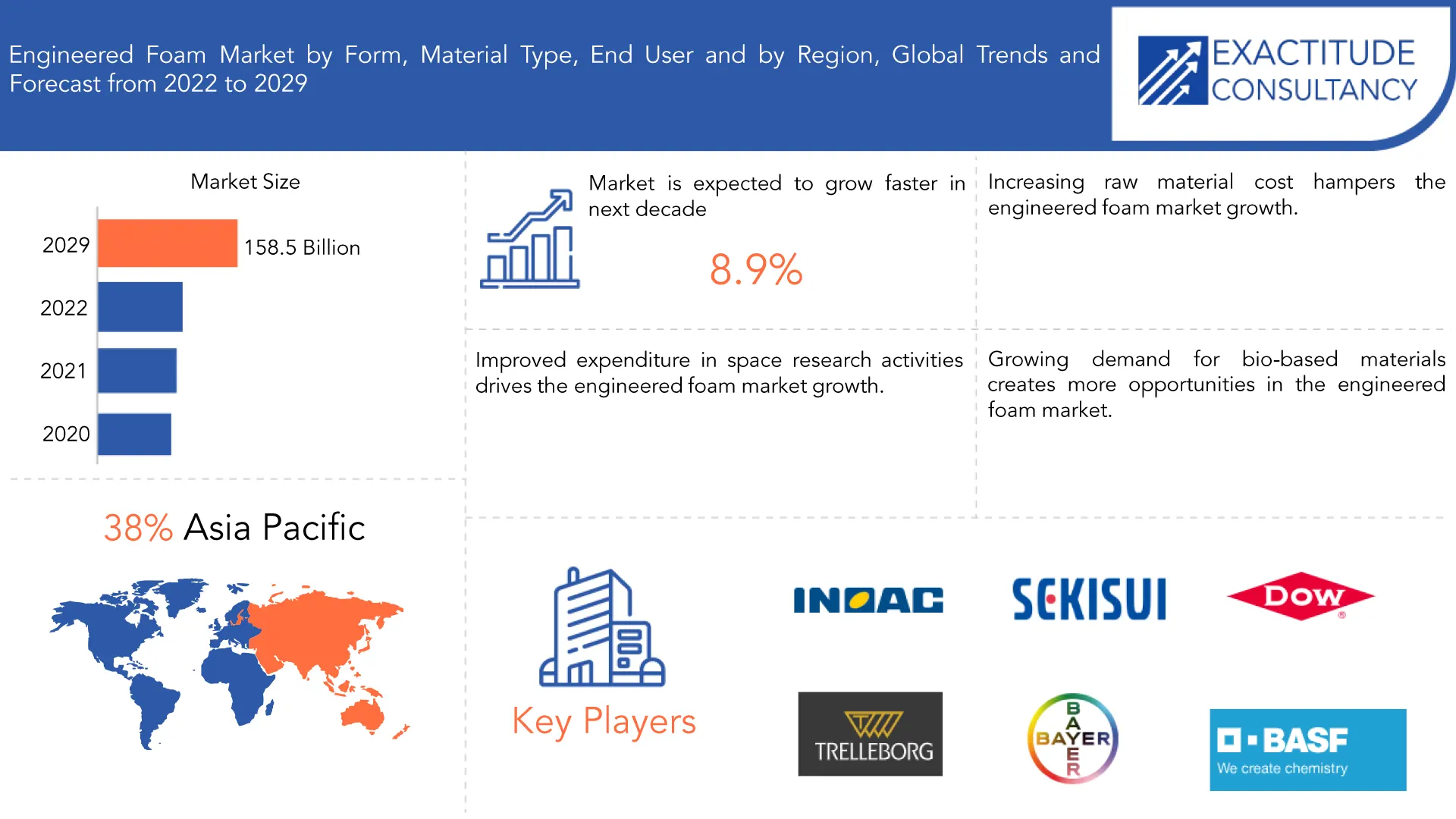
Si prevede che il mercato globale della schiuma ingegnerizzata crescerà a un CAGR dell'8,9% dal 2020 al 2029. Si prevede che raggiungerà oltre 158,5 miliardi di USD entro il 2029 dai 75,3 miliardi di USD del 2020.
La schiuma ingegnerizzata si riferisce a un tipo di materiale in schiuma specificamente progettato e prodotto per applicazioni o caratteristiche prestazionali particolari. Viene creato manipolando la composizione chimica, la struttura e i metodi di lavorazione dei materiali in schiuma per ottenere le proprietà desiderate, come maggiore resistenza, isolamento migliorato, maggiore durata o funzionalità specifica. La schiuma ingegnerizzata può essere realizzata con vari materiali, tra cui poliuretano (PU), polistirene (PS), polietilene (PE), polipropilene (PP) e altri. Il processo di produzione in genere prevede la combinazione di un materiale che forma schiuma con additivi, agenti espandenti e altri componenti per creare una struttura in schiuma. La schiuma può essere prodotta in diverse forme, come pannelli in schiuma rigida, fogli in schiuma flessibile o prodotti in schiuma stampata.
Il tipo strutturale di schiuma è progettato per avere elevata resistenza e capacità di carico. Viene utilizzato in applicazioni in cui sono richiesti materiali leggeri con integrità strutturale, come nei settori automobilistico, aerospaziale e delle costruzioni . La schiuma ingegnerizzata con eccellenti proprietà isolanti è comunemente utilizzata per l'isolamento termico e acustico in edifici, sistemi di refrigerazione e altre applicazioni in cui il controllo della temperatura è essenziale. I materiali in schiuma possono essere progettati per fornire ammortizzazione e protezione per articoli delicati o fragili durante il trasporto. Le schiume da imballaggio hanno spesso buone proprietà di assorbimento degli urti e possono essere personalizzate per adattarsi a prodotti specifici. Questo tipo di schiuma è noto per la sua capacità di adattarsi alla forma del corpo sotto pressione e quindi tornare alla sua forma originale quando la pressione viene rimossa. La schiuma a memoria di forma è comunemente utilizzata in materassi, cuscini e altri prodotti per il comfort. Le schiume ingegnerizzate possono essere sviluppate per applicazioni specifiche, come schiume ignifughe, schiume resistenti all'umidità, schiume antistatiche e schiume conduttive. Queste schiume speciali soddisfano requisiti specifici o standard di sicurezza in vari settori.
[caption id="attachment_26752" align="aligncenter" width="1920"]
La schiuma ingegnerizzata trova applicazione in vari settori, tra cui automotive, edilizia, aerospaziale, imballaggio ed elettronica. Man mano che questi settori continuano ad espandersi, aumenta anche la domanda di materiali in schiuma con proprietà e caratteristiche prestazionali specifiche. Ad esempio, il crescente settore automobilistico richiede materiali in schiuma leggeri per i componenti interni e un migliore assorbimento di energia per le caratteristiche di sicurezza. La schiuma ingegnerizzata offre numerosi vantaggi rispetto ai materiali tradizionali come legno, metallo o plastica convenzionale. Questi vantaggi includono natura leggera, eccellenti proprietà isolanti, durata, versatilità e caratteristiche personalizzabili. Poiché i settori cercano di migliorare le prestazioni, ridurre il peso, migliorare l'efficienza energetica e soddisfare rigide normative, si stanno rivolgendo alla schiuma ingegnerizzata come alternativa praticabile. I continui progressi nelle tecnologie e nei processi di produzione della schiuma hanno consentito la produzione di schiume ingegnerizzate con proprietà e prestazioni migliorate.
Innovazioni come nuovi agenti espandenti, formulazioni chimiche e tecniche di produzione hanno consentito lo sviluppo di schiume con maggiore resistenza, isolamento migliorato e funzionalità su misura. Questi progressi tecnologici contribuiscono alla crescente adozione di schiume ingegnerizzate in vari settori. I materiali in schiuma ingegnerizzata possono essere realizzati utilizzando materiali riciclati o di origine biologica, rendendoli più rispettosi dell'ambiente rispetto ai materiali tradizionali. Inoltre, la natura leggera della schiuma può contribuire all'efficienza del carburante e ridurre le emissioni di carbonio nelle applicazioni di trasporto. Poiché la sostenibilità diventa un obiettivo chiave per settori e consumatori, la domanda di materiali in schiuma ecocompatibili continua ad aumentare.
| ATTRIBUTO | DETTAGLI |
| Periodo di studio | 2020-2029 |
| Anno base | 2021 |
| Anno stimato | 2022 |
| Anno previsto | 2022-2029 |
| Periodo storico | 2018-2020 |
| Unità | Valore (miliardi di USD), (chilotoni) |
| Segmentazione | Per forma, per tipo di materiale, per utente finale e per regione |
| Per modulo |
|
| Per tipo di materiale |
|
| Per utente finale |
|
| Per regione |
|
Frequently Asked Questions
What is the worth of the global Engineered Foam market?
The global engineered foam market is expected to grow at 8.9 % CAGR from 2020 to 2029. It is expected to reach above USD 158.5 billion by 2029 from USD 75.3 billion in 2020.
What is the size of Asia Pacific in the Engineered Foam industry?
Asia Pacific accounted for the largest market in the engineered foam market. Asia Pacific held more than 38 % of the Engineered Foam market revenue share in 2020.
What is the prime factor to drive the global Engineered Foam market ahead?
The prime factor to drive the engineered foam market ahead is the increasing demand from the manufacturing & construction industry drives the engineered foam market growth.
What are the opportunities in the market?
Growing production of bio-based polyols creates more opportunities in the engineered foam market.
Engineered Foam Market Segment Analysis
The global Engineered Foam market is segmented based on form, material type, end-user, and region. By form, the market is bifurcated into Flexible Foam, Rigid Foam, and Spray Foam. By material type, the market is bifurcated into Polyurethane, Polystyrene, Polyvinyl Chloride, Polyolefin, and others. By end user, the market is bifurcated into Aerospace & Defense, Medical & Healthcare, Transportation, Manufacturing & Construction, and others.
Based on form flexible foam segment dominating the engineered foam market.
Flexible foam materials, such as polyurethane (PU) foams, are extensively used in comfort applications, including bedding, upholstery, furniture, and automotive seating. These foams offer excellent cushioning, support, and pressure relief, providing enhanced comfort to users. Flexible foam can be manufactured in a wide range of densities, firmness levels, and thicknesses, allowing for customization based on specific application requirements. This versatility makes it suitable for various industries, including healthcare, sports, and consumer goods. Flexible foam is widely used in packaging applications to provide cushioning and protection for fragile and delicate items during transportation. It helps prevent damage from impacts, vibrations, and shocks. The ability of flexible foam to conform to different shapes and provide optimal protection makes it a preferred choice in packaging solutions. Flexible foam materials also find application in acoustic and thermal insulation systems. They help reduce noise transmission and provide thermal insulation in buildings, automotive interiors, appliances, and HVAC systems.
[caption id="attachment_26750" align="aligncenter" width="1920"]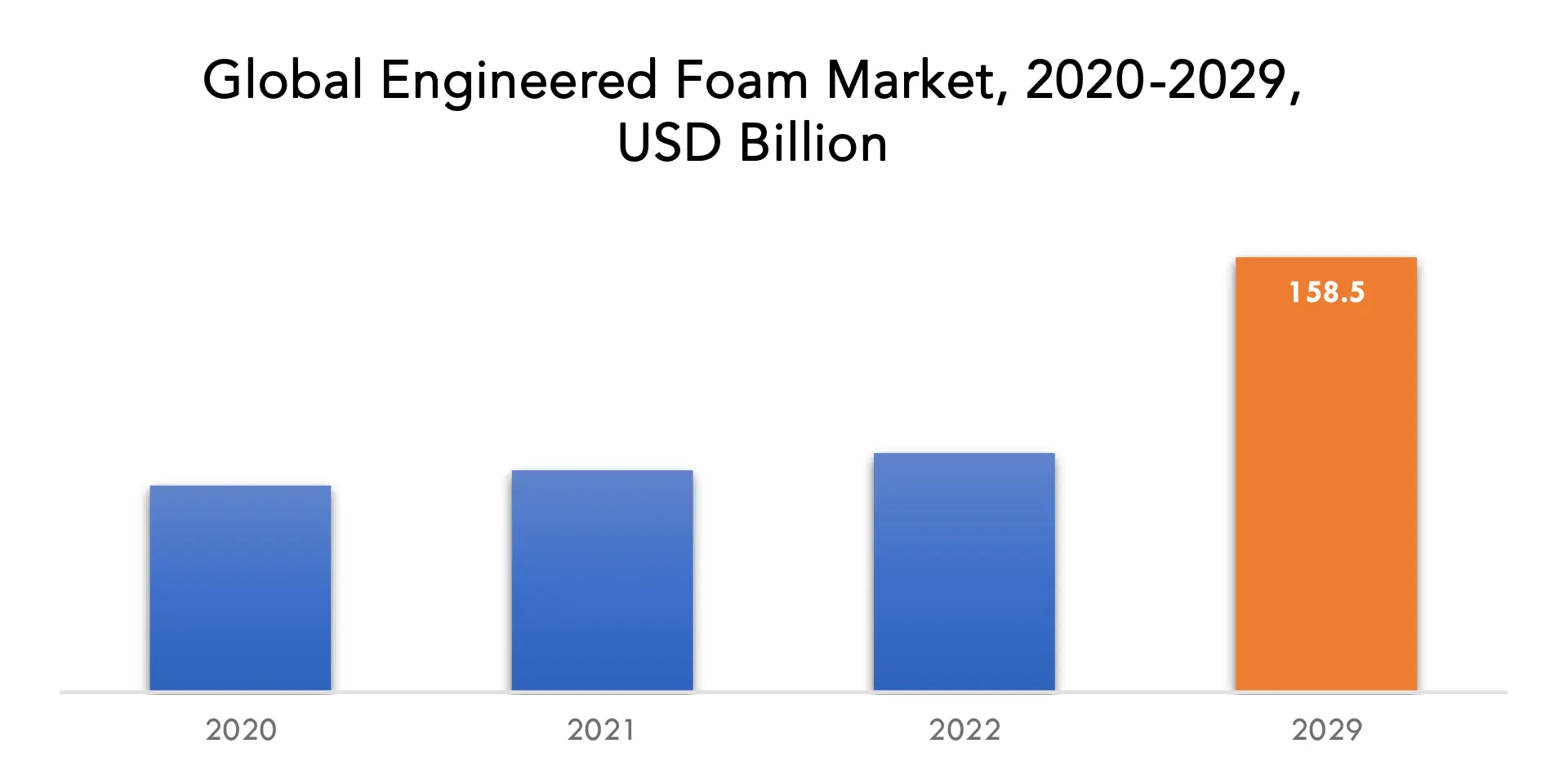
Based on the material type Polyurethane segment dominates in the engineered foam market. Polyurethane foam can be used in a broad spectrum of industries and applications. It is commonly utilized in automotive, furniture, bedding, construction, packaging, and insulation sectors. The versatility of polyurethane foam allows it to cater to diverse market needs. Polyurethane foam exhibits excellent cushioning, insulation, and shock-absorbing properties. It provides comfort, support, and protection in various applications, such as seating, mattresses, automotive interiors, and packaging materials. Polyurethane foam can be manufactured with different densities, hardness levels, and cell structures, making it highly customizable. This enables manufacturers to tailor the foam's properties according to specific requirements and applications. Polyurethane foam is often cost-effective compared to other engineered foam materials. Its production process is relatively efficient, and the material itself can be recycled or reused, adding to its cost advantages. Polyurethane foam is known for its durability and long lifespan. It can withstand repetitive use, making it suitable for applications that require long-term performance.
Engineered Foam Market Key Players
The engineered foam market key players include BASF SE, The DOW Chemical Company, Bayer AG, Sekisui Chemical Co., Ltd., Huntsman Corporation, Trelleborg AB, Inoac Corporation, Recticel NV/Sa, Vita (Lux Iii) S.A.R.L, Armacell GmbH, Foamcraft, Inc., Foampartner Group, Future Foam, Inc., Fxi-Foamex Innovations, Rogers Corporation, UFP Technologies, Inc., The Woodbridge Group. Recent News- May 02, 2023 - A formal agreement was signed by DuPont and AEA Investors for the purchase of Spectrum Plastics Group. Existing cash balances would be used to cover the acquisition price.
- May 23, 2023 - At The Battery Show, Huntsman revealed the development of revolutionary polyurethane, carbon nanotube, and epoxy materials, all of which are intended to aid in the integration of batteries into electric vehicles and increase their protection and performance.
Who Should Buy? Or Key stakeholders
- Automotive Industry
- Research Organizations
- Construction Industry
- Furniture & Interior Sector
- Packaging Industry
- Government Organisation
- Investors
- Regulatory Authorities
- Others
Engineered Foam Market Regional Analysis
The Engineered Foam market by region includes North America, Asia-Pacific (APAC), Europe, South America, and Middle East & Africa (MEA).- North America: includes the US, Canada, Mexico
- Asia Pacific: includes China, Japan, South Korea, India, Australia, ASEAN, and the Rest of APAC
- Europe: includes the UK, Germany, France, Italy, Spain, Russia, the and Rest of Europe
- South America: includes Brazil, Argentina, and the Rest of South America
- Middle East & Africa: includes Turkey, UAE, Saudi Arabia, South Africa, and the Rest of MEA
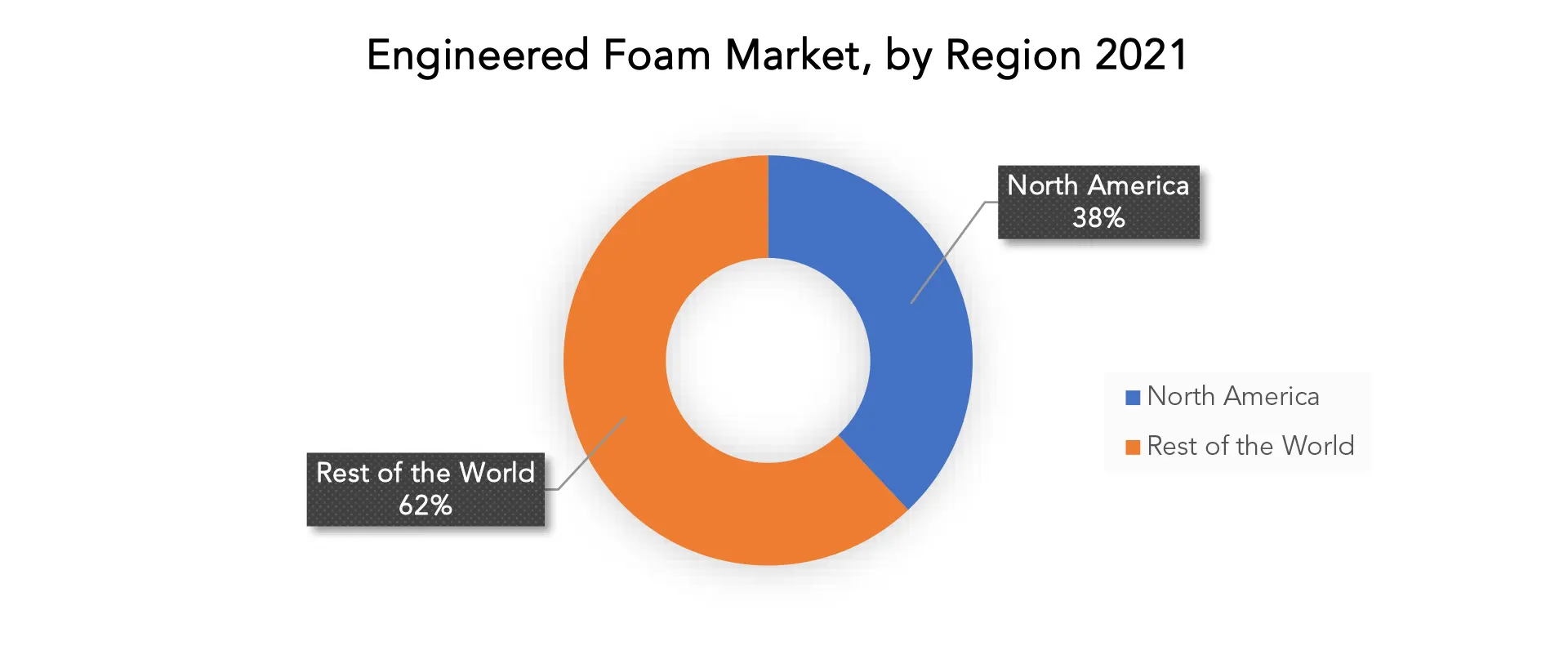
The Asia Pacific accounted for the largest market in the engineered foam market. Countries in the Asia Pacific region, such as China, India, Japan, South Korea, and ASEAN countries, have experienced significant industrial growth in recent years. Industries such as automotive, construction, electronics, and packaging have thrived, driving the demand for engineered foam materials.
The Asia Pacific region has a large and growing consumer base. Rising disposable incomes, urbanization, and lifestyle changes have fueled the demand for products that use engineered foam materials, such as automotive components, furniture, mattresses, and consumer electronics. Many global manufacturers have established or expanded their production facilities in the Asia Pacific due to factors like lower labor costs, availability of raw materials, and favorable business environments. This has further boosted the demand for engineered foam materials in the region. Infrastructure development projects, including residential and commercial construction, transportation networks, and urbanization initiatives, have been significant in Asia Pacific. Engineered foam materials are extensively used in infrastructure applications for insulation, soundproofing, and energy efficiency.
Key Market Segments: Engineered Foam Market
Engineered Foam Market by Form, 2020-2029, (USD Billion), (Kilotons)- Flexible Foam
- Cushioning
- Filtration
- Others
- Rigid Foam
- Insulation
- Decorative and Architectural Application
- Flotation Module
- Spray Foam
- Insulation
- Air-Barriers
- Flotation
- Roofing
- Packaging
- Polyurethane
- Polystyrene
- Polyvinyl Chloride
- Polyolefin
- Others
- Aerospace & Defense
- Insulation/ Barrier
- Cushioning
- Sealing
- Medical & Healthcare
- Medical Packaging
- Devices and Components
- Prosthetic & Wound Care
- Transportation
- Seat Foam
- Door Panels
- Energy Absorbers
- Manufacturing & Construction
- Thermal Insulation
- Air Insulation
- Other End-Users
- North America
- Asia Pacific
- Europe
- Latin America
- Middle East and Africa
Exactitude Consultancy Services Key Objectives
- Increasing sales and market share
- Developing new technology
- Improving profitability
- Entering new markets
- Enhancing brand reputation
Key Question Answered
- What is the current size of the engineered foam market?
- What is the expected growth rate of the engineered foam market over the next 5 years?
- Who are the major players in the engineered foam market and what is their market share?
- What are the end-user industries driving demand for the market and what is their outlook?
- What are the opportunities for growth in emerging markets such as Asia-pacific, the middle east, and Africa?
- How is the economic environment affecting the engineered foam market, including factors such as interest rates, inflation, and exchange rates?
- What is the expected impact of government policies and regulations on the engineered foam market?
- What is the current and forecasted size and growth rate of the global engineered foam market?
- What are the key drivers of growth in the engineered foam market?
- Who are the major players in the market and what is their market share?
- What are the distribution channels and supply chain dynamics in the engineered foam market?
- What are the technological advancements and innovations in the engineered foam market and their impact on product development and growth?
- What are the regulatory considerations and their impact on the market?
- What are the challenges faced by players in the engineered foam market and how are they addressing these challenges?
- What are the opportunities for growth and expansion in the engineered foam market?
- What are the service offerings specifications of leading players in the market?
- What is the pricing trend of engineered foam in the market?
- INTRODUZIONE
- DEFINIZIONE DI MERCATO
- SEGMENTAZIONE DEL MERCATO
- TEMPI DI RICERCA
- ASSUNZIONI E LIMITAZIONI
- METODOLOGIA DI RICERCA
- ESTRAZIONE DATI
- RICERCA SECONDARIA
- RICERCA PRIMARIA
- PARERI DEGLI ESPERTI IN MATERIA
- CONTROLLI DI QUALITÀ
- RECENSIONE FINALE
- DATA TRIANGULATION
- BOTTOM-UP APPROACH
- TOP-DOWN APPROACH
- RESEARCH FLOW
- DATA SOURCES
- ESTRAZIONE DATI
- EXECUTIVE SUMMARY
- MARKET OVERVIEW
- GLOBAL ENGINEERED FOAM MARKET OUTLOOK
- MARKET DRIVERS
- MARKET RESTRAINTS
- MARKET OPPORTUNITIES
- IMPACT OF COVID-19 ON THE ENGINEERED FOAM MARKET
- PORTER’S FIVE FORCES MODEL
- THREAT FROM NEW ENTRANTS
- THREAT FROM SUBSTITUTES
- BARGAINING POWER OF SUPPLIERS
- BARGAINING POWER OF CUSTOMERS
- DEGREE OF COMPETITION
- INDUSTRY VALUE CHAIN ANALYSIS
- GLOBAL ENGINEERED FOAM MARKET OUTLOOK
- GLOBAL ENGINEERED FOAM MARKET BY FORM, 2020-2029, (USD BILLION), (KILOTONS)
- FLEXIBLE FOAM
- CUSHIONING
- FILTRATION
- OTHERS
- RIGID FOAM
- INSULATION
- DECORATIVE AND ARCHITECTURAL APPLICATION
- FLOTATION MODULE
- SPRAY FOAM
- INSULATION
- AIR-BARRIERS
- FLOTATION
- ROOFING
- PACKAGING
- FLEXIBLE FOAM
- GLOBAL ENGINEERED FOAM MARKET BY MATERIAL TYPE, 2020-2029, (USD BILLION), (KILOTONS)
- POLYURETHANE
- POLYSTYRENE
- POLYVINYL CHLORIDE
- POLYOLEFIN
- OTHERS
- GLOBAL ENGINEERED FOAM MARKET BY END USER, 2020-2029, (USD BILLION), (KILOTONS)
- AEROSPACE & DEFENSE
- INSULATION/ BARRIER
- CUSHIONING
- SEALING
- MEDICAL & HEALTHCARE
- MEDICAL PACKAGING
- DEVICES AND COMPONENTS
- PROSTHETIC & WOUND CARE
- TRANSPORTATION
- SEAT FOAM
- DOOR PANELS
- ENERGY ABSORBERS
- MANUFACTURING & CONSTRUCTION
- THERMAL INSULATION
- AIR INSULATION
- OTHER END-USERS
- AEROSPACE & DEFENSE
- GLOBAL ENGINEERED FOAM MARKET BY REGION, 2020-2029, (USD BILLION), (KILOTONS)
- NORTH AMERICA
- US
- CANADA
- MEXICO
- SOUTH AMERICA
- BRAZIL
- ARGENTINA
- COLOMBIA
- REST OF SOUTH AMERICA
- EUROPE
- GERMANY
- UK
- FRANCE
- ITALY
- SPAIN
- RUSSIA
- REST OF EUROPE
- ASIA PACIFIC
- INDIA
- CHINA
- JAPAN
- SOUTH KOREA
- AUSTRALIA
- SOUTH-EAST ASIA
- REST OF ASIA PACIFIC
- MIDDLE EAST AND AFRICA
- UAE
- SAUDI ARABIA
- SOUTH AFRICA
- REST OF MIDDLE EAST AND AFRICA
- NORTH AMERICA
- COMPANY PROFILES* (BUSINESS OVERVIEW, COMPANY SNAPSHOT, PRODUCTS OFFERED, RECENT DEVELOPMENTS)
- BASF SE
- THE DOW CHEMICAL COMPANY
- BAYER AG
- SEKISUI CHEMICAL CO., LTD.
- HUNTSMAN CORPORATION
- TRELLEBORG AB
- INOAC CORPORATION
- RECTICEL NV/SA
- VITA (LUX III) S.A.R.L
- ARMACELL GMBH*THE COMPANY LIST IS INDICATIVE
LIST OF TABLES
TABLE 1 GLOBAL ENGINEERED FOAM MARKET BY FORM (USD BILLION) 2020-2029
TABLE 2 GLOBAL ENGINEERED FOAM MARKET BY FORM (KILOTONS) 2020-2029
TABLE 3 GLOBAL ENGINEERED FOAM MARKET BY MATERIAL TYPE (USD BILLION) 2020-2029
TABLE 4 GLOBAL ENGINEERED FOAM MARKET BY MATERIAL TYPE (KILOTONS) 2020-2029
TABLE 5 GLOBAL ENGINEERED FOAM MARKET BY END USER (USD BILLION) 2020-2029
TABLE 6 GLOBAL ENGINEERED FOAM MARKET BY END USER (KILOTONS) 2020-2029
TABLE 7 GLOBAL ENGINEERED FOAM MARKET BY REGION (USD BILLION) 2020-2029
TABLE 8 GLOBAL ENGINEERED FOAM MARKET BY REGION (KILOTONS) 2020-2029
TABLE 9 NORTH AMERICA ENGINEERED FOAM MARKET BY COUNTRY (USD BILLION) 2020-2029
TABLE 10 NORTH AMERICA ENGINEERED FOAM MARKET BY COUNTRY (KILOTONS) 2020-2029
TABLE 11 NORTH AMERICA ENGINEERED FOAM MARKET BY FORM (USD BILLION) 2020-2029
TABLE 12 NORTH AMERICA ENGINEERED FOAM MARKET BY FORM (KILOTONS) 2020-2029
TABLE 13 NORTH AMERICA ENGINEERED FOAM MARKET BY MATERIAL TYPE (USD BILLION) 2020-2029
TABLE 14 NORTH AMERICA ENGINEERED FOAM MARKET BY MATERIAL TYPE (KILOTONS) 2020-2029
TABLE 15 NORTH AMERICA ENGINEERED FOAM MARKET BY END USER (USD BILLION) 2020-2029
TABLE 16 NORTH AMERICA ENGINEERED FOAM MARKET BY END USER (KILOTONS) 2020-2029
TABLE 17 US ENGINEERED FOAM MARKET BY FORM (USD BILLION) 2020-2029
TABLE 18 US ENGINEERED FOAM MARKET BY FORM (KILOTONS) 2020-2029
TABLE 19 US ENGINEERED FOAM MARKET BY MATERIAL TYPE (USD BILLION) 2020-2029
TABLE 20 US ENGINEERED FOAM MARKET BY MATERIAL TYPE (KILOTONS) 2020-2029
TABLE 21 US ENGINEERED FOAM MARKET BY END USER (USD BILLION) 2020-2029
TABLE 22 US ENGINEERED FOAM MARKET BY END USER (KILOTONS) 2020-2029
TABLE 23 CANADA ENGINEERED FOAM MARKET BY FORM (USD BILLION) 2020-2029
TABLE 24 CANADA ENGINEERED FOAM MARKET BY FORM (KILOTONS) 2020-2029
TABLE 25 CANADA ENGINEERED FOAM MARKET BY MATERIAL TYPE (USD BILLION) 2020-2029
TABLE 26 CANADA ENGINEERED FOAM MARKET BY MATERIAL TYPE (KILOTONS) 2020-2029
TABLE 27 CANADA ENGINEERED FOAM MARKET BY END USER (USD BILLION) 2020-2029
TABLE 28 CANADA ENGINEERED FOAM MARKET BY END USER (KILOTONS) 2020-2029
TABLE 29 MEXICO ENGINEERED FOAM MARKET BY FORM (USD BILLION) 2020-2029
TABLE 30 MEXICO ENGINEERED FOAM MARKET BY FORM (KILOTONS) 2020-2029
TABLE 31 MEXICO ENGINEERED FOAM MARKET BY MATERIAL TYPE (USD BILLION) 2020-2029
TABLE 32 MEXICO ENGINEERED FOAM MARKET BY MATERIAL TYPE (KILOTONS) 2020-2029
TABLE 33 MEXICO ENGINEERED FOAM MARKET BY END USER (USD BILLION) 2020-2029
TABLE 34 MEXICO ENGINEERED FOAM MARKET BY END USER (KILOTONS) 2020-2029
TABLE 35 SOUTH AMERICA ENGINEERED FOAM MARKET BY COUNTRY (USD BILLION) 2020-2029
TABLE 36 SOUTH AMERICA ENGINEERED FOAM MARKET BY COUNTRY (KILOTONS) 2020-2029
TABLE 37 SOUTH AMERICA ENGINEERED FOAM MARKET BY FORM (USD BILLION) 2020-2029
TABLE 38 SOUTH AMERICA ENGINEERED FOAM MARKET BY FORM (KILOTONS) 2020-2029
TABLE 39 SOUTH AMERICA ENGINEERED FOAM MARKET BY MATERIAL TYPE (USD BILLION) 2020-2029
TABLE 40 SOUTH AMERICA ENGINEERED FOAM MARKET BY MATERIAL TYPE (KILOTONS) 2020-2029
TABLE 41 SOUTH AMERICA ENGINEERED FOAM MARKET BY END USER (USD BILLION) 2020-2029
TABLE 42 SOUTH AMERICA ENGINEERED FOAM MARKET BY END USER (KILOTONS) 2020-2029
TABLE 43 BRAZIL ENGINEERED FOAM MARKET BY FORM (USD BILLION) 2020-2029
TABLE 44 BRAZIL ENGINEERED FOAM MARKET BY FORM (KILOTONS) 2020-2029
TABLE 45 BRAZIL ENGINEERED FOAM MARKET BY MATERIAL TYPE (USD BILLION) 2020-2029
TABLE 46 BRAZIL ENGINEERED FOAM MARKET BY MATERIAL TYPE (KILOTONS) 2020-2029
TABLE 47 BRAZIL ENGINEERED FOAM MARKET BY END USER (USD BILLION) 2020-2029
TABLE 48 BRAZIL ENGINEERED FOAM MARKET BY END USER (KILOTONS) 2020-2029
TABLE 49 ARGENTINA ENGINEERED FOAM MARKET BY FORM (USD BILLION) 2020-2029
TABLE 50 ARGENTINA ENGINEERED FOAM MARKET BY FORM (KILOTONS) 2020-2029
TABLE 51 ARGENTINA ENGINEERED FOAM MARKET BY MATERIAL TYPE (USD BILLION) 2020-2029
TABLE 52 ARGENTINA ENGINEERED FOAM MARKET BY MATERIAL TYPE (KILOTONS) 2020-2029
TABLE 53 ARGENTINA ENGINEERED FOAM MARKET BY END USER (USD BILLION) 2020-2029
TABLE 54 ARGENTINA ENGINEERED FOAM MARKET BY END USER (KILOTONS) 2020-2029
TABLE 55 COLOMBIA ENGINEERED FOAM MARKET BY FORM (USD BILLION) 2020-2029
TABLE 56 COLOMBIA ENGINEERED FOAM MARKET BY FORM (KILOTONS) 2020-2029
TABLE 57 COLOMBIA ENGINEERED FOAM MARKET BY MATERIAL TYPE (USD BILLION) 2020-2029
TABLE 58 COLOMBIA ENGINEERED FOAM MARKET BY MATERIAL TYPE (KILOTONS) 2020-2029
TABLE 59 COLOMBIA ENGINEERED FOAM MARKET BY END USER (USD BILLION) 2020-2029
TABLE 60 COLOMBIA ENGINEERED FOAM MARKET BY END USER (KILOTONS) 2020-2029
TABLE 61 REST OF SOUTH AMERICA ENGINEERED FOAM MARKET BY FORM (USD BILLION) 2020-2029
TABLE 62 REST OF SOUTH AMERICA ENGINEERED FOAM MARKET BY FORM (KILOTONS) 2020-2029
TABLE 63 REST OF SOUTH AMERICA ENGINEERED FOAM MARKET BY MATERIAL TYPE (USD BILLION) 2020-2029
TABLE 64 REST OF SOUTH AMERICA ENGINEERED FOAM MARKET BY MATERIAL TYPE (KILOTONS) 2020-2029
TABLE 65 REST OF SOUTH AMERICA ENGINEERED FOAM MARKET BY END USER (USD BILLION) 2020-2029
TABLE 66 REST OF SOUTH AMERICA ENGINEERED FOAM MARKET BY END USER (KILOTONS) 2020-2029
TABLE 67 ASIA-PACIFIC ENGINEERED FOAM MARKET BY COUNTRY (USD BILLION) 2020-2029
TABLE 68 ASIA-PACIFIC ENGINEERED FOAM MARKET BY COUNTRY (KILOTONS) 2020-2029
TABLE 69 ASIA-PACIFIC ENGINEERED FOAM MARKET BY FORM (USD BILLION) 2020-2029
TABLE 70 ASIA-PACIFIC ENGINEERED FOAM MARKET BY FORM (KILOTONS) 2020-2029
TABLE 71 ASIA-PACIFIC ENGINEERED FOAM MARKET BY MATERIAL TYPE (USD BILLION) 2020-2029
TABLE 72 ASIA-PACIFIC ENGINEERED FOAM MARKET BY MATERIAL TYPE (KILOTONS) 2020-2029
TABLE 73 ASIA-PACIFIC ENGINEERED FOAM MARKET BY END USER (USD BILLION) 2020-2029
TABLE 74 ASIA-PACIFIC ENGINEERED FOAM MARKET BY END USER (KILOTONS) 2020-2029
TABLE 75 INDIA ENGINEERED FOAM MARKET BY FORM (USD BILLION) 2020-2029
TABLE 76 INDIA ENGINEERED FOAM MARKET BY FORM (KILOTONS) 2020-2029
TABLE 77 INDIA ENGINEERED FOAM MARKET BY MATERIAL TYPE (USD BILLION) 2020-2029
TABLE 78 INDIA ENGINEERED FOAM MARKET BY MATERIAL TYPE (KILOTONS) 2020-2029
TABLE 79 INDIA ENGINEERED FOAM MARKET BY END USER (USD BILLION) 2020-2029
TABLE 80 INDIA ENGINEERED FOAM MARKET BY END USER (KILOTONS) 2020-2029
TABLE 81 CHINA ENGINEERED FOAM MARKET BY FORM (USD BILLION) 2020-2029
TABLE 82 CHINA ENGINEERED FOAM MARKET BY FORM (KILOTONS) 2020-2029
TABLE 83 CHINA ENGINEERED FOAM MARKET BY MATERIAL TYPE (USD BILLION) 2020-2029
TABLE 84 CHINA ENGINEERED FOAM MARKET BY MATERIAL TYPE (KILOTONS) 2020-2029
TABLE 85 CHINA ENGINEERED FOAM MARKET BY END USER (USD BILLION) 2020-2029
TABLE 86 CHINA ENGINEERED FOAM MARKET BY END USER (KILOTONS) 2020-2029
TABLE 87 JAPAN ENGINEERED FOAM MARKET BY FORM (USD BILLION) 2020-2029
TABLE 88 JAPAN ENGINEERED FOAM MARKET BY FORM (KILOTONS) 2020-2029
TABLE 89 JAPAN ENGINEERED FOAM MARKET BY MATERIAL TYPE (USD BILLION) 2020-2029
TABLE 90 JAPAN ENGINEERED FOAM MARKET BY MATERIAL TYPE (KILOTONS) 2020-2029
TABLE 91 JAPAN ENGINEERED FOAM MARKET BY END USER (USD BILLION) 2020-2029
TABLE 92 JAPAN ENGINEERED FOAM MARKET BY END USER (KILOTONS) 2020-2029
TABLE 93 SOUTH KOREA ENGINEERED FOAM MARKET BY FORM (USD BILLION) 2020-2029
TABLE 94 SOUTH KOREA ENGINEERED FOAM MARKET BY FORM (KILOTONS) 2020-2029
TABLE 95 SOUTH KOREA ENGINEERED FOAM MARKET BY MATERIAL TYPE (USD BILLION) 2020-2029
TABLE 96 SOUTH KOREA ENGINEERED FOAM MARKET BY MATERIAL TYPE (KILOTONS) 2020-2029
TABLE 97 SOUTH KOREA ENGINEERED FOAM MARKET BY END USER (USD BILLION) 2020-2029
TABLE 98 SOUTH KOREA ENGINEERED FOAM MARKET BY END USER (KILOTONS) 2020-2029
TABLE 99 AUSTRALIA ENGINEERED FOAM MARKET BY FORM (USD BILLION) 2020-2029
TABLE 100 AUSTRALIA ENGINEERED FOAM MARKET BY FORM (KILOTONS) 2020-2029
TABLE 101 AUSTRALIA ENGINEERED FOAM MARKET BY MATERIAL TYPE (USD BILLION) 2020-2029
TABLE 102 AUSTRALIA ENGINEERED FOAM MARKET BY MATERIAL TYPE (KILOTONS) 2020-2029
TABLE 103 AUSTRALIA ENGINEERED FOAM MARKET BY END USER (USD BILLION) 2020-2029
TABLE 104 AUSTRALIA ENGINEERED FOAM MARKET BY END USER (KILOTONS) 2020-2029
TABLE 105 SOUTH-EAST ASIA ENGINEERED FOAM MARKET BY FORM (USD BILLION) 2020-2029
TABLE 106 SOUTH-EAST ASIA ENGINEERED FOAM MARKET BY FORM (KILOTONS) 2020-2029
TABLE 107 SOUTH-EAST ASIA ENGINEERED FOAM MARKET BY MATERIAL TYPE (USD BILLION) 2020-2029
TABLE 108 SOUTH-EAST ASIA ENGINEERED FOAM MARKET BY MATERIAL TYPE (KILOTONS) 2020-2029
TABLE 109 SOUTH-EAST ASIA ENGINEERED FOAM MARKET BY END USER (USD BILLION) 2020-2029
TABLE 110 SOUTH-EAST ASIA ENGINEERED FOAM MARKET BY END USER (KILOTONS) 2020-2029
TABLE 111 REST OF ASIA PACIFIC ENGINEERED FOAM MARKET BY FORM (USD BILLION) 2020-2029
TABLE 112 REST OF ASIA PACIFIC ENGINEERED FOAM MARKET BY FORM (KILOTONS) 2020-2029
TABLE 113 REST OF ASIA PACIFIC ENGINEERED FOAM MARKET BY MATERIAL TYPE (USD BILLION) 2020-2029
TABLE 114 REST OF ASIA PACIFIC ENGINEERED FOAM MARKET BY MATERIAL TYPE (KILOTONS) 2020-2029
TABLE 115 REST OF ASIA PACIFIC ENGINEERED FOAM MARKET BY END USER (USD BILLION) 2020-2029
TABLE 116 REST OF ASIA PACIFIC ENGINEERED FOAM MARKET BY END USER (KILOTONS) 2020-2029
TABLE 117 EUROPE ENGINEERED FOAM MARKET BY COUNTRY (USD BILLION) 2020-2029
TABLE 118 EUROPE ENGINEERED FOAM MARKET BY COUNTRY (KILOTONS) 2020-2029
TABLE 119 EUROPE ENGINEERED FOAM MARKET BY FORM (USD BILLION) 2020-2029
TABLE 120 EUROPE ENGINEERED FOAM MARKET BY FORM (KILOTONS) 2020-2029
TABLE 121 EUROPE ENGINEERED FOAM MARKET BY MATERIAL TYPE (USD BILLION) 2020-2029
TABLE 122 EUROPE ENGINEERED FOAM MARKET BY MATERIAL TYPE (KILOTONS) 2020-2029
TABLE 123 EUROPE ENGINEERED FOAM MARKET BY END USER (USD BILLION) 2020-2029
TABLE 124 EUROPE ENGINEERED FOAM MARKET BY END USER (KILOTONS) 2020-2029
TABLE 125 GERMANY ENGINEERED FOAM MARKET BY FORM (USD BILLION) 2020-2029
TABLE 126 GERMANY ENGINEERED FOAM MARKET BY FORM (KILOTONS) 2020-2029
TABLE 127 GERMANY ENGINEERED FOAM MARKET BY MATERIAL TYPE (USD BILLION) 2020-2029
TABLE 128 GERMANY ENGINEERED FOAM MARKET BY MATERIAL TYPE (KILOTONS) 2020-2029
TABLE 129 GERMANY ENGINEERED FOAM MARKET BY END USER (USD BILLION) 2020-2029
TABLE 130 GERMANY ENGINEERED FOAM MARKET BY END USER (KILOTONS) 2020-2029
TABLE 131 UK ENGINEERED FOAM MARKET BY FORM (USD BILLION) 2020-2029
TABLE 132 UK ENGINEERED FOAM MARKET BY FORM (KILOTONS) 2020-2029
TABLE 133 UK ENGINEERED FOAM MARKET BY MATERIAL TYPE (USD BILLION) 2020-2029
TABLE 134 UK ENGINEERED FOAM MARKET BY MATERIAL TYPE (KILOTONS) 2020-2029
TABLE 135 UK ENGINEERED FOAM MARKET BY END USER (USD BILLION) 2020-2029
TABLE 136 UK ENGINEERED FOAM MARKET BY END USER (KILOTONS) 2020-2029
TABLE 137 FRANCE ENGINEERED FOAM MARKET BY FORM (USD BILLION) 2020-2029
TABLE 138 FRANCE ENGINEERED FOAM MARKET BY FORM (KILOTONS) 2020-2029
TABLE 139 FRANCE ENGINEERED FOAM MARKET BY MATERIAL TYPE (USD BILLION) 2020-2029
TABLE 140 FRANCE ENGINEERED FOAM MARKET BY MATERIAL TYPE (KILOTONS) 2020-2029
TABLE 141 FRANCE ENGINEERED FOAM MARKET BY END USER (USD BILLION) 2020-2029
TABLE 142 FRANCE ENGINEERED FOAM MARKET BY END USER (KILOTONS) 2020-2029
TABLE 143 ITALY ENGINEERED FOAM MARKET BY FORM (USD BILLION) 2020-2029
TABLE 144 ITALY ENGINEERED FOAM MARKET BY FORM (KILOTONS) 2020-2029
TABLE 145 ITALY ENGINEERED FOAM MARKET BY MATERIAL TYPE (USD BILLION) 2020-2029
TABLE 146 ITALY ENGINEERED FOAM MARKET BY MATERIAL TYPE (KILOTONS) 2020-2029
TABLE 147 ITALY ENGINEERED FOAM MARKET BY END USER (USD BILLION) 2020-2029
TABLE 148 ITALY ENGINEERED FOAM MARKET BY END USER (KILOTONS) 2020-2029
TABLE 149 SPAIN ENGINEERED FOAM MARKET BY FORM (USD BILLION) 2020-2029
TABLE 150 SPAIN ENGINEERED FOAM MARKET BY FORM (KILOTONS) 2020-2029
TABLE 151 SPAIN ENGINEERED FOAM MARKET BY MATERIAL TYPE (USD BILLION) 2020-2029
TABLE 152 SPAIN ENGINEERED FOAM MARKET BY MATERIAL TYPE (KILOTONS) 2020-2029
TABLE 153 SPAIN ENGINEERED FOAM MARKET BY END USER (USD BILLION) 2020-2029
TABLE 154 SPAIN ENGINEERED FOAM MARKET BY END USER (KILOTONS) 2020-2029
TABLE 155 RUSSIA ENGINEERED FOAM MARKET BY FORM (USD BILLION) 2020-2029
TABLE 156 RUSSIA ENGINEERED FOAM MARKET BY FORM (KILOTONS) 2020-2029
TABLE 157 RUSSIA ENGINEERED FOAM MARKET BY MATERIAL TYPE (USD BILLION) 2020-2029
TABLE 158 RUSSIA ENGINEERED FOAM MARKET BY MATERIAL TYPE (KILOTONS) 2020-2029
TABLE 159 RUSSIA ENGINEERED FOAM MARKET BY END USER (USD BILLION) 2020-2029
TABLE 160 RUSSIA ENGINEERED FOAM MARKET BY END USER (KILOTONS) 2020-2029
TABLE 161 REST OF EUROPE ENGINEERED FOAM MARKET BY FORM (USD BILLION) 2020-2029
TABLE 162 REST OF EUROPE ENGINEERED FOAM MARKET BY FORM (KILOTONS) 2020-2029
TABLE 163 REST OF EUROPE ENGINEERED FOAM MARKET BY MATERIAL TYPE (USD BILLION) 2020-2029
TABLE 164 REST OF EUROPE ENGINEERED FOAM MARKET BY MATERIAL TYPE (KILOTONS) 2020-2029
TABLE 165 REST OF EUROPE ENGINEERED FOAM MARKET BY END USER (USD BILLION) 2020-2029
TABLE 166 REST OF EUROPE ENGINEERED FOAM MARKET BY END USER (KILOTONS) 2020-2029
TABLE 167 MIDDLE EAST AND AFRICA ENGINEERED FOAM MARKET BY COUNTRY (USD BILLION) 2020-2029
TABLE 168 MIDDLE EAST AND AFRICA ENGINEERED FOAM MARKET BY COUNTRY (KILOTONS) 2020-2029
TABLE 169 MIDDLE EAST AND AFRICA ENGINEERED FOAM MARKET BY FORM (USD BILLION) 2020-2029
TABLE 170 MIDDLE EAST AND AFRICA ENGINEERED FOAM MARKET BY FORM (KILOTONS) 2020-2029
TABLE 171 MIDDLE EAST AND AFRICA ENGINEERED FOAM MARKET BY MATERIAL TYPE (USD BILLION) 2020-2029
TABLE 172 MIDDLE EAST AND AFRICA ENGINEERED FOAM MARKET BY MATERIAL TYPE (KILOTONS) 2020-2029
TABLE 173 MIDDLE EAST AND AFRICA ENGINEERED FOAM MARKET BY END USER (USD BILLION) 2020-2029
TABLE 174 MIDDLE EAST AND AFRICA ENGINEERED FOAM MARKET BY END USER (KILOTONS) 2020-2029
TABLE 175 UAE ENGINEERED FOAM MARKET BY FORM (USD BILLION) 2020-2029
TABLE 176 UAE ENGINEERED FOAM MARKET BY FORM (KILOTONS) 2020-2029
TABLE 177 UAE ENGINEERED FOAM MARKET BY MATERIAL TYPE (USD BILLION) 2020-2029
TABLE 178 UAE ENGINEERED FOAM MARKET BY MATERIAL TYPE (KILOTONS) 2020-2029
TABLE 179 UAE ENGINEERED FOAM MARKET BY END USER (USD BILLION) 2020-2029
TABLE 180 UAE ENGINEERED FOAM MARKET BY END USER (KILOTONS) 2020-2029
TABLE 181 SAUDI ARABIA ENGINEERED FOAM MARKET BY FORM (USD BILLION) 2020-2029
TABLE 182 SAUDI ARABIA ENGINEERED FOAM MARKET BY FORM (KILOTONS) 2020-2029
TABLE 183 SAUDI ARABIA ENGINEERED FOAM MARKET BY MATERIAL TYPE (USD BILLION) 2020-2029
TABLE 184 SAUDI ARABIA ENGINEERED FOAM MARKET BY MATERIAL TYPE (KILOTONS) 2020-2029
TABLE 185 SAUDI ARABIA ENGINEERED FOAM MARKET BY END USER (USD BILLION) 2020-2029
TABLE 186 SAUDI ARABIA ENGINEERED FOAM MARKET BY END USER (KILOTONS) 2020-2029
TABLE 187 SOUTH AFRICA ENGINEERED FOAM MARKET BY FORM (USD BILLION) 2020-2029
TABLE 188 SOUTH AFRICA ENGINEERED FOAM MARKET BY FORM (KILOTONS) 2020-2029
TABLE 189 SOUTH AFRICA ENGINEERED FOAM MARKET BY MATERIAL TYPE (USD BILLION) 2020-2029
TABLE 190 SOUTH AFRICA ENGINEERED FOAM MARKET BY MATERIAL TYPE (KILOTONS) 2020-2029
TABLE 191 SOUTH AFRICA ENGINEERED FOAM MARKET BY END-USER (USD BILLION) 2020-2029
TABLE 192 SOUTH AFRICA ENGINEERED FOAM MARKET BY END-USER (KILOTONS) 2020-2029
TABLE 193 REST OF THE MIDDLE EAST AND AFRICA ENGINEERED FOAM MARKET BY FORM (USD BILLION) 2020-2029
TABLE 194 REST OF MIDDLE EAST AND AFRICA ENGINEERED FOAM MARKET BY FORM (KILOTONS) 2020-2029
TABLE 195 REST OF MIDDLE EAST AND AFRICA ENGINEERED FOAM MARKET BY MATERIAL TYPE (USD BILLION) 2020-2029
TABLE 196 REST OF MIDDLE EAST AND AFRICA ENGINEERED FOAM MARKET BY MATERIAL TYPE (KILOTONS) 2020-2029
TABLE 197 REST OF MIDDLE EAST AND AFRICA ENGINEERED FOAM MARKET BY END USER (USD BILLION) 2020-2029
TABLE 198 REST OF MIDDLE EAST AND AFRICA ENGINEERED FOAM MARKET BY END USER (KILOTONS) 2020-2029
LIST OF FIGURES
FIGURE 1 MARKET DYNAMICS
FIGURE 2 MARKET SEGMENTATION
FIGURE 3 REPORT TIMELINES: YEARS CONSIDERED
FIGURE 4 DATA TRIANGULATION
FIGURE 5 BOTTOM-UP APPROACH
FIGURE 6 TOP-DOWN APPROACH
FIGURE 7 RESEARCH FLOW
FIGURE 8 GLOBAL ENGINEERED FOAM MARKET BY END USER, USD BILLION, 2020-2029
FIGURE 9 GLOBAL ENGINEERED FOAM MARKET BY FORM, USD BILLION, 2020-2029
FIGURE 10 GLOBAL ENGINEERED FOAM MARKET BY MATERIAL TYPE, USD BILLION, 2020-2029
FIGURE 11 GLOBAL ENGINEERED FOAM MARKET BY REGION, USD BILLION, 2020-2029
FIGURE 12 PORTER’S FIVE FORCES MODEL
FIGURE 13 GLOBAL ENGINEERED FOAM MARKET BY END USER, USD BILLION, 2021
FIGURE 14 GLOBAL ENGINEERED FOAM MARKET BY FORM, USD BILLION, 2021
FIGURE 15 GLOBAL ENGINEERED FOAM MARKET BY MATERIAL TYPE, USD BILLION, 2021
FIGURE 16 GLOBAL ENGINEERED FOAM MARKET BY REGION, USD BILLION, 2021
FIGURE 17 NORTH AMERICA ENGINEERED FOAM MARKET SNAPSHOT
FIGURE 18 EUROPE ENGINEERED FOAM MARKET SNAPSHOT
FIGURE 19 SOUTH AMERICA ENGINEERED FOAM MARKET SNAPSHOT
FIGURE 20 ASIA PACIFIC ENGINEERED FOAM MARKET SNAPSHOT
FIGURE 21 MIDDLE EAST ASIA AND AFRICA ENGINEERED FOAM MARKET SNAPSHOT
FIGURE 22 MARKET SHARE ANALYSIS
FIGURE 23 BASF SE: COMPANY SNAPSHOT
FIGURE 24 THE DOW CHEMICAL COMPANY: COMPANY SNAPSHOT
FIGURE 25 BAYER AG: COMPANY SNAPSHOT
FIGURE 26 SEKISUI CHEMICAL CO., LTD: COMPANY SNAPSHOT
FIGURE 27 HUNTSMAN CORPORATION: COMPANY SNAPSHOT
FIGURE 28 TRELLEBORG AB: COMPANY SNAPSHOT
FIGURE 29 INOAC CORPORATION: COMPANY SNAPSHOT
FIGURE 30 RECTICEL NV/SA: COMPANY SNAPSHOT
FIGURE 31 VITA (LUX III) S.A.R.L: COMPANY SNAPSHOT
FIGURE 32 ARMACELL GMBH: COMPANY SNAPSHOT
DOWNLOAD FREE SAMPLE REPORT
License Type
SPEAK WITH OUR ANALYST
Want to know more about the report or any specific requirement?
WANT TO CUSTOMIZE THE REPORT?
Our Clients Speak
We asked them to research ‘ Equipment market’ all over the world, and their whole arrangement was helpful to us. thehealthanalytics.com insightful analysis and reports contributed to our current analysis and in creating a future strategy. Besides, the te
Yosuke Mitsui
Senior Associate Construction Equipment Sales & Marketing
We asked them to research ‘Equipment market’ all over the world, and their whole arrangement was helpful to us. thehealthanalytics.com insightful analysis and reports contributed to our current analysis and in creating a future strategy. Besides, the te