

Base Year Value ()
x.x %
x.x %
CAGR ()
x.x %
x.x %
Forecast Year Value ()
x.x %
x.x %
Historical Data Period
Largest Region
Forecast Period
IoT Security Market by Type (Network Security, Endpoint Security, Application Security and Cloud Security), Component (Solutions and Services), Application Area (Smart Manufacturing, Smart Energy and Utilities, Connected Logistics, Smart Home and Consumer Electronics, Connected Healthcare, Smart Government and Defense, Smart Retail), Deployment Mode (On-premises & Cloud), Organization Size and Region, Global Trends and Forecast From 2023 To 2029
Instant access to hundreds of data points and trends
- Market estimates from 2014-2029
- Competitive analysis, industry segmentation, financial benchmarks
- Incorporates SWOT, Porter's Five Forces and risk management frameworks
- PDF report or online database with Word, Excel and PowerPoint export options
- 100% money back guarantee
IoT Security Market Overview
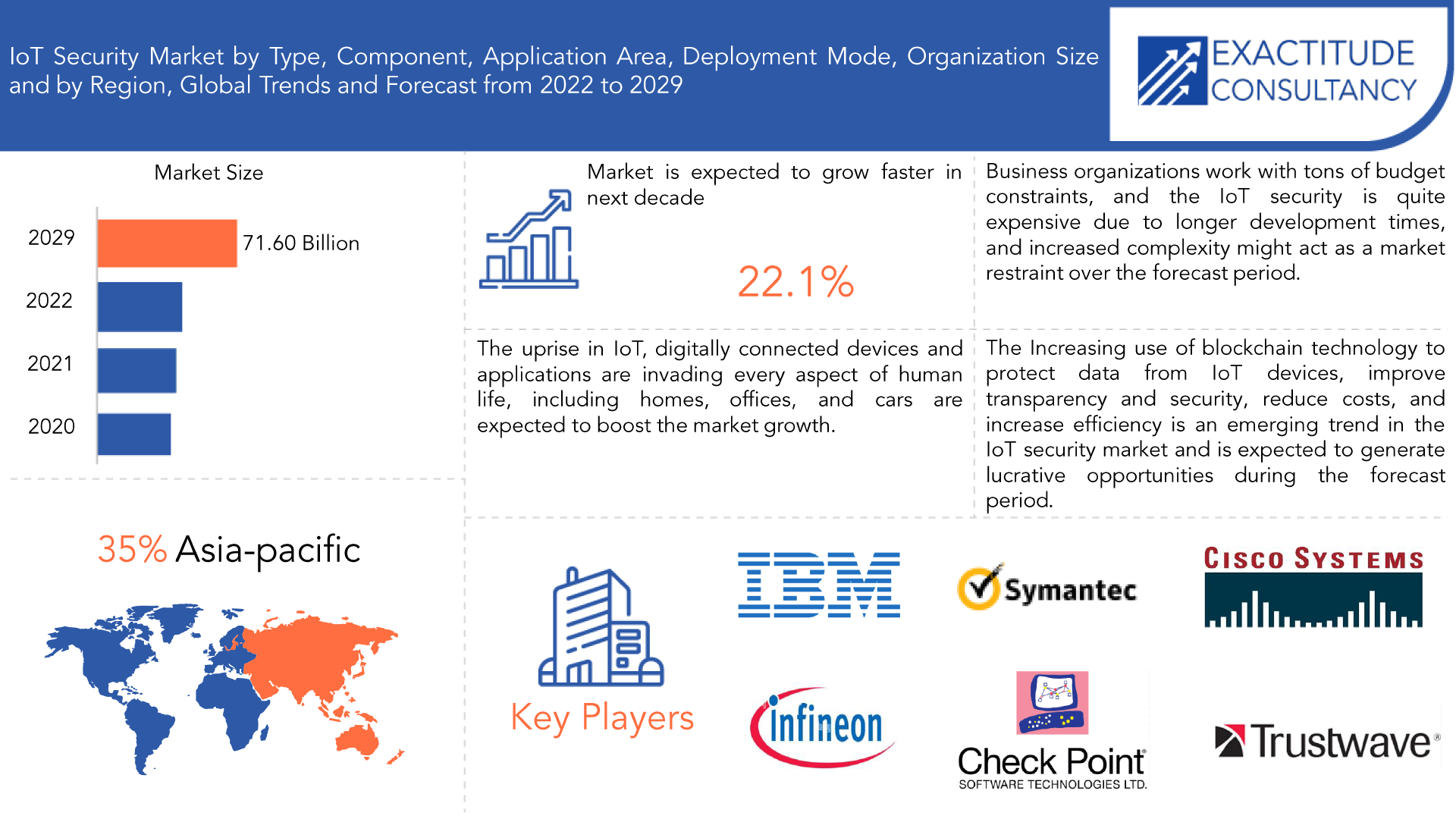
The IoT Security Market is expected to grow at 22.1% CAGR from 2022 to 2029. It is expected to reach above USD 71.60 billion by 2029 from USD 11.87 billion in 2020.
The global IoT Security Market is expected to rise at a considerable rate during the forecast period. In 2021, the market is growing steadily and is expected to rise above the projected horizon because of the strategy adopted by key players.
IoT security is a combination of concepts regarding cybersecurity strategies and protection mechanisms that protect the IoT devices against potential cyber-attacks that specifically target network connected physical IoT devices. Without such robust security, connected IoT devices are vulnerable to attack, compromise, and control by attackers who ultimately break in to steal user data and cripple systems .
The more ways devices connect, the more opportunities an attacker gets to intercept them. Protocols like HTTP (Hypertext Transfer Protocol) and APIs are just some of the channels that IoT devices rely on and that hackers can intercept. The IoT concept does not necessarily include Internet-based devices. Devices using Bluetooth technology are also IoT devices, so they need IoT security. Mistakes like these have contributed to the recent surge in IoT-related data breaches.
The uprise in IoT, digitally connected devices and applications are invading every aspect of human life, including homes, offices, and cars. All objects are intelligently tuned to take advantage of the Internet. The growing digitization and increased use of IoT devices is expected to increase the number of cyberattacks and data breaches. Vulnerabilities like these discovered in IoT devices are forcing companies around the world to adopt IoT security solutions to protect their connected devices. As such, growing IoT deployments and rising cyberattacks are pushing IoT vendors to develop his IoT security solutions for connected devices.
| ATTRIBUTE | DETAILS |
| Study period | 2020-2029 |
| Base year | 2021 |
| Estimated year | 2022 |
| Forecasted year | 2022-2029 |
| Historical period | 2018-2020 |
| Unit | Value (USD BILLION) |
| Segmentation | By type, by component, by application area, deployment mode, organization size, by region |
| By Type
|
|
| By Component
|
|
| By Deployment Mode
|
|
| By Organization Size
|
|
| By Application Area
|
|
| By Region
|
|
Business organizations work with tons of budget constraints, and the IoT security is quite expensive due to longer development times, and increased complexity might act as a market restraint over the forecast period. There is also a significant lack of awareness and rise in new varieties of IoT threats, this may act as market challenge over the forecast period.
Increasing use of blockchain technology to protect data from IoT devices, improve transparency and security, reduce costs, and increase efficiency is an emerging trend in the IoT security market. Blockchain is a decentralized distributed ledger and the underlying technology of Bitcoin. Blockchain technology has been integrated into his IoT network to enhance privacy and security. Reduce processing time and costs, record transactions for all connected IoT devices, reliably track connected devices, coordinate these devices to support smooth transaction processes, and eliminate compliance issues. Be efficient, avoid rekeys, data leaks, fraud, and minimize time. It resolves loss and provides cryptographic security, this increased use of blockchain technology is expected to generate opportunities for market growth.
Worldwide supply chains and businesses were affected by the COVID-19 epidemic. Numerous economies around the world were adversely impacted by the pandemic. As a result, the implementation of IoT security into some organizations was put off, which has slowed the expansion of the IoT security industry. Due to the COVID-19 epidemic, many employees adopted a work-from-home operating style, and students embraced virtual and distance learning, which led to the need for enterprise Virtual Private Network (VPN) servers. The quick acceptance in such methods resulted in a rise in security risks and cyberattacks. During the COVID-19 pandemic, the number of spear-phishing emails, personalized emails sent to specific users in an attempt to fool them into disclosing sensitive information, rose dramatically. This led to increase the IoT security popularity amidst COVID-19 pandemic.
[caption id="attachment_16134" align="aligncenter" width="1920"]
Frequently Asked Questions
• What is the worth of IoT security market?
The IoT security market is worth USD 17.7 billion and is forecasted to reach above USD 71.60 billion by 2029.
• What are some of the market's driving forces?
Increased connectivity and coverage, as well as continued technological development of IoT technologies to provide real-time monitoring and tracking of services and systems are expected to boost the growth of the market.
• Which are the top companies to hold the market share in automotive power module market?
The IoT security market key players include PTC (US), Symantec Corporation (US), Infineon Technologies (Germany), Trustwave Holdings (US), Check Point Security Software Technologies Ltd. (US), IBM Corporation (US), Cisco Systems Inc. (US), Gemalto NV (Netherlands), AT&T Inc. (US), Trend Micro, Inc. (Japan), DigiCert (US), Intel Corporation (US), General Electric (US), Verizon (US)
• What is the leading application of IoT security market?
The uprise in IoT, digitally connected devices and applications are invading every aspect of human life, including homes, offices, and cars. All objects are intelligently tuned to take advantage of the Internet. The growing digitization and increased use of IoT devices is expected to increase the number of cyberattacks and data breaches. Vulnerabilities like these discovered in IoT devices are forcing companies around the world to adopt IoT security solutions to protect their connected devices. As such, growing IoT deployments and rising cyberattacks are pushing IoT vendors to develop his IoT security solutions for connected devices.
• Which is the largest regional market for IoT security market?
The Asia Pacific IoT security market is projected to record a CAGR of 23.68% during the forecast period, 2021-2029. The Asia-Pacific region accounted for 35% of the total global IoT security market share. Increasing internet penetration, increasing mobile data usage, increasing BYOD trend, increasing data volume, and shift to digitalization are the major factors driving the market growth. China, South Korea, Japan, Singapore, Thailand, India, Australia and New Zealand, Indonesia, and the rest of Asia-Pacific are analysed to assess the growth of the Asia-Pacific IoT security market. According to the Global System for Mobile Communications Alliance (GSMA), mobile operators in China are leading the world in deploying innovative IoT solutions. The country is transforming society through smart industry, smart city solutions and smart homes.
IoT Security Market Segment Analysis
The IoT Security Market is segmented based on type, component application area, deployment mode, organization size and region, global trends and forecast.
Based on type, the network security segment accounted for the largest share of the IoT security market in 2021. Rise in data and security breaches, growing demand for filtering and monitoring network traffic, and growing need to protect connected network infrastructure are the major factors driving the growth of this segment.
Based on components, the solutions segment accounted for the largest share in the IoT security market in 2021. Rise in IoT deployments, increasing focus on solution-oriented security features, and increasing vulnerabilities in IoT devices are the factors driving the growth of this segment. Moreover, his IoT security advantages such as high performance, reliability, comprehensive vulnerability coverage, efficiency and security of real-time applications continue to contribute to the growth of this segment.
Based on deployment mode, the cloud-based segment is expected to grow at a higher CAGR over the forecast period. Adoption of cloud computing is becoming more and more common among small businesses. Some organizations are gradually moving to cloud infrastructure, and this trend is expected to increase in the coming years. Advantages of cloud infrastructure such as easy adoption, minimal internal infrastructure requirements, scalability, and easy installation of security solutions are supporting the growth of this segment.
[caption id="attachment_16142" align="aligncenter" width="1920"]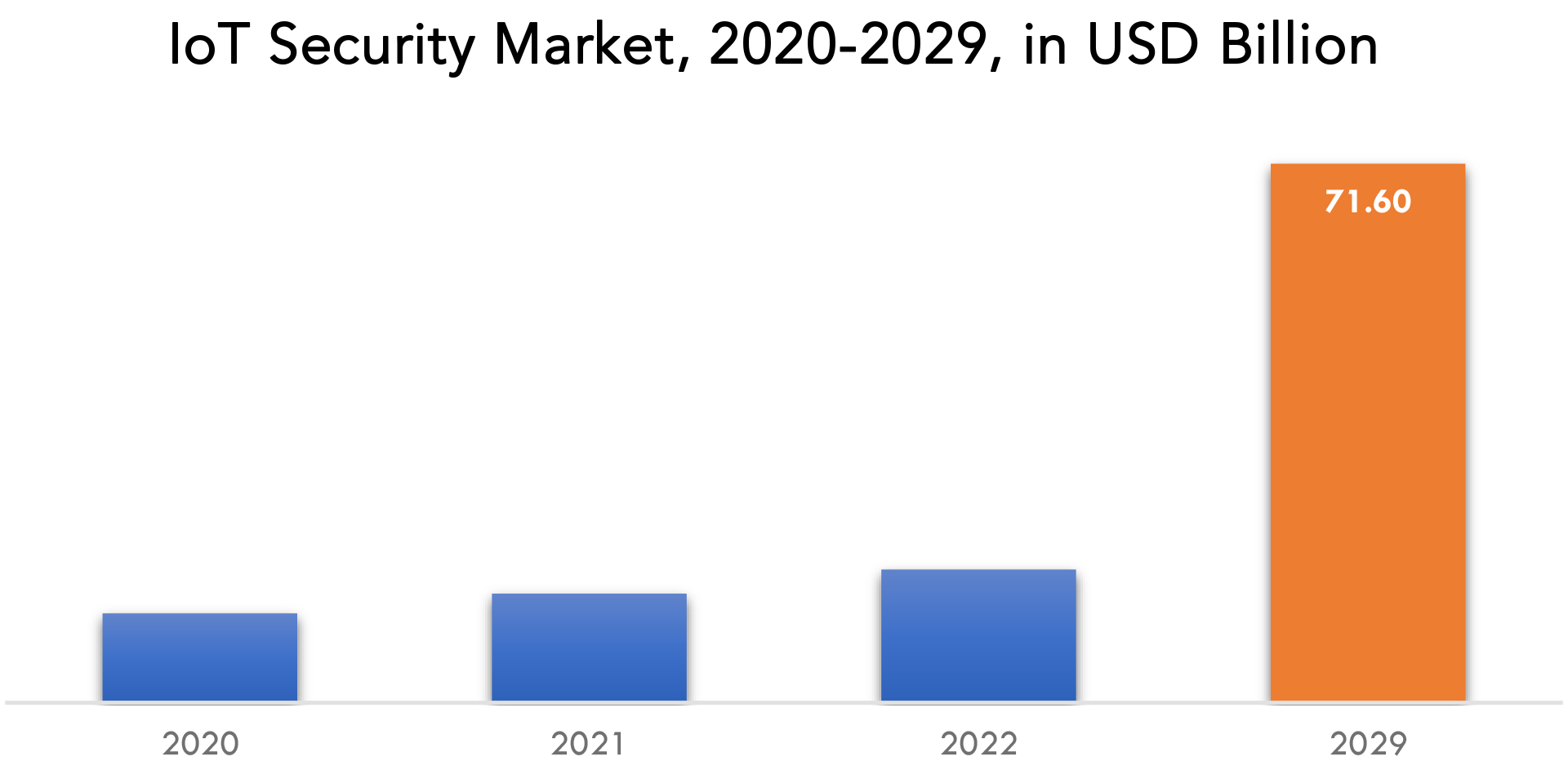
IoT Security Key Market Players
The IoT security market key players include PTC (US), Symantec Corporation (US), Infineon Technologies (Germany), Trustwave Holdings (US), Check Point Security Software Technologies Ltd. (US), IBM Corporation (US), Cisco Systems Inc. (US), Gemalto NV (Netherlands), AT&T Inc. (US), Trend Micro, Inc. (Japan), DigiCert (US), Intel Corporation (US), General Electric (US), Verizon (US)
September 13, 2022; PTC introduced a seamless connection between Onshape, its cloud-native CAD with built-in PDM solution, and Arena, its Cloud PLM software solution.
Onshape is a fully featured CAD solution with next generation PDM built-in that is used to accelerate the product design of complex assemblies, improve collaboration with dispersed teams, and lower overall design and manufacturing costs.
November 16, 2022; PTC brought forward a new generation of its widely trusted Kepware industrial connectivity solution. Announced at Rockwell Automation Fair and anticipated to release publicly this quarter, Kepware+ is designed for connected enterprises looking for improved visibility across their industrial automation landscape. The new SaaS solution offers a single, simple, modern configuration and management capability for accessing industrial data and accelerating enterprise digital transformation.
Who Should Buy? Or Key Stakeholders
- Investors
- Customers
- End Users
- Project Managers
- Finance Department
- Human Resources (HR)
- Information Security (infosec) Department.
- Government Institution
- Regulatory Authorities
- Others
IoT Security Market Regional Analysis
The Test handler market by region includes North America, Asia-Pacific (APAC), Europe, South America, and Middle East & Africa (MEA).
- North America: includes the US, Canada, Mexico
- Asia Pacific: includes China, Japan, South Korea, India, Australia, ASEAN and Rest of APAC
- Europe: includes UK, Germany, France, Italy, Spain, Russia, and Rest of Europe
- South America: includes Brazil, Argentina, and Rest of South America
- Middle East & Africa: includes Turkey, UAE, Saudi Arabia, South Africa, and Rest of MEA
The Asia Pacific IoT security market is projected to record a CAGR of 23.68% during the forecast period, 2021-2029. The Asia-Pacific region accounted for 35% of the total global IoT security market share.
Increasing internet penetration, increasing mobile data usage, increasing BYOD trend, increasing data volume, and shift to digitalization are the major factors driving the market growth. China, South Korea, Japan, Singapore, Thailand, India, Australia and New Zealand, Indonesia, and the rest of Asia-Pacific are analyzed to assess the growth of the Asia-Pacific IoT security market. According to the Global System for Mobile Communications Alliance (GSMA), mobile operators in China are leading the world in deploying innovative IoT solutions. The country is transforming society through smart industry, smart city solutions and smart homes.
In addition, increasing adoption of affordable devices, rising consumer expectations, cloud computing and analytics will fuel the growth of his IoT market in India.
Also, increased connectivity and coverage, as well as continued technological development of IoT technologies to provide real-time monitoring and tracking of services and systems are expected to boost the growth of the market. In countries like Thailand, government initiatives such as smart cities and Industry 4.0 are expected to drive his IoT adoption. The Digital Economy Promotion Agency (DEPA) is also working with the private sector and partner organizations to establish his IoT Institute and Thailand's Digital Valley in the Digital Industry Promotion Zone. Moreover, Thailand's market growth is mainly driven by his IoT products.
[caption id="attachment_16149" align="aligncenter" width="1920"]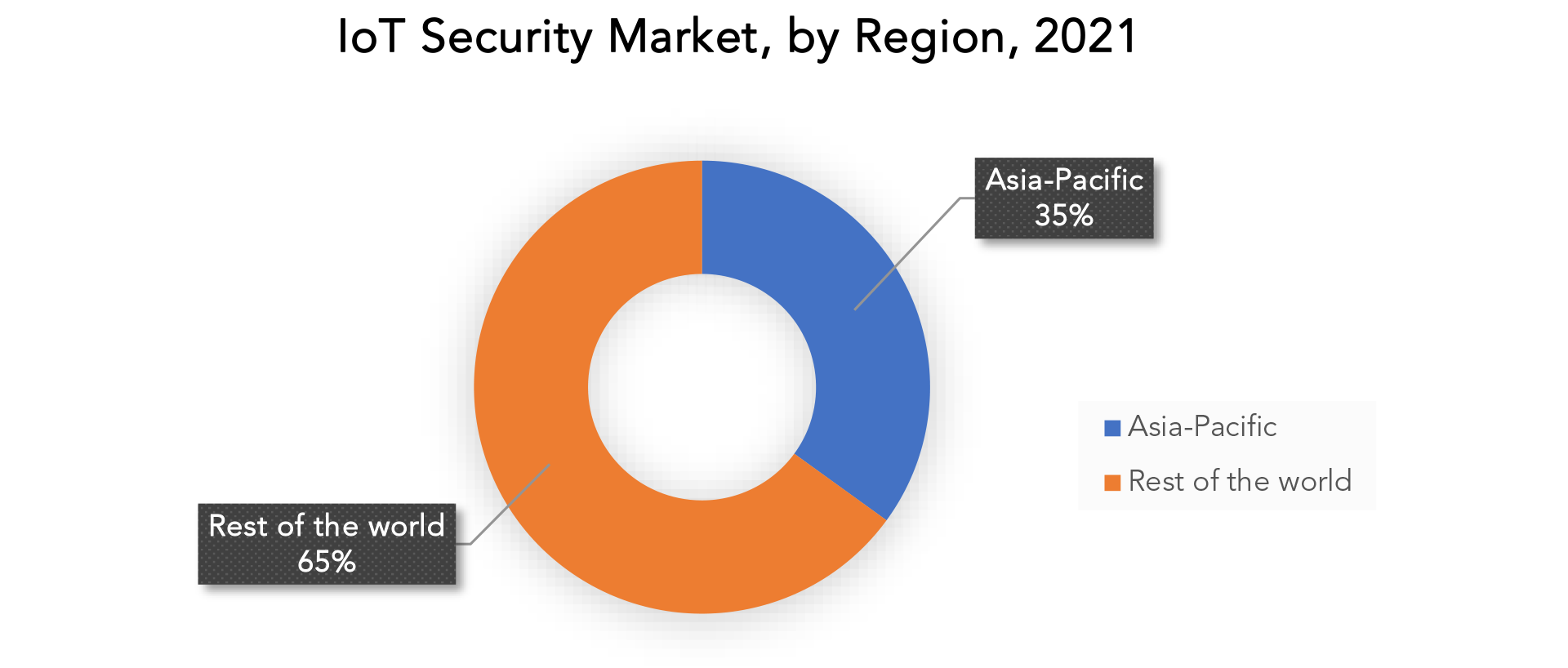
Key Market Segments: IoT Security Market
IoT Security Market By Type, 2020-2029, (USD Billion)- Network Security
- Endpoint Security
- Application Security
- Cloud Security
- Solutions
- Services
- On-Premises
- Cloud
- Small And Medium Enterprises
- Large Enterprises
- Smart Manufacturing
- Smart Energy And Utilities
- Connected Logistics
- Smart Home And Consumer Electronics
- Connected Healthcare
- Smart Government And Defense
- Smart Retail
- North America
- Asia Pacific
- Europe
- South America
- Middle East And Africa
Exactitude Consultancy Services Key Objectives:
- Increasing sales and market share
- Developing new technology
- Improving profitability
- Entering new markets
- Enhancing brand reputation
Key Question Answered
- What is the expected growth rate of the IoT security market over the next 7 years?
- Who are the major players in the IoT security market and what is their market share?
- What are the end-user industries driving demand for market and what is their outlook?
- What are the opportunities for growth in emerging markets such as Asia-Pacific, Middle East, and Africa?
- How is the economic environment affecting the IoT security market, including factors such as interest rates, inflation, and exchange rates?
- What is the expected impact of government policies and regulations on the IoT security market?
- What is the current and forecasted size and growth rate of the global IoT security market?
- What are the key drivers of growth in the IoT security market?
- Who are the major players in the market and what is their market share?
- What are the distribution channels and supply chain dynamics in the IoT security market?
- What are the technological advancements and innovations in the IoT security market and their impact on product development and growth?
- What are the regulatory considerations and their impact on the market?
- What are the challenges faced by players in the IoT security market and how are they addressing these challenges?
- What are the opportunities for growth and expansion in the IoT security market?
- What are the product applications and specifications of leading players in the market?
- Introduction
- Market Definition
- Market Segmentation
- Research Timelines
- Assumptions and Limitations
- Research Methodology
- Data Mining
- Secondary Research
- Primary Research
- Subject-Matter Experts’ Advice
- Quality Checks
- Final Review
- Data Triangulation
- Bottom-Up Approach
- Top-Down Approach
- Research Flow
- Data Sources
- Data Mining
- Executive Summary
- Market Overview
- Global IoT Security outlook
- Market Drivers
- Market Restraints
- Market Opportunities
- Impact of Covid-19 on IoT Security
- Porter’s five forces model
- Threat from new entrants
- Threat from substitutes
- Bargaining power of suppliers
- Bargaining power of customers
- Degree of competition
- Industry value chain Analysis
- Global IoT Security outlook
- GLOBAL IOT SECURITY MARKET BY TYPE, 2020-2029, (USD BILLION)
- Network Security
- Endpoint Security
- Application Security
- Cloud Security
- GLOBAL IOT SECURITY MARKET BY COMPONENT, 2020-2029, (USD BILLION)
- Solutions
- Services
- GLOBAL IOT SECURITY MARKET BY DEPLOYMENT MODE, 2020-2029, (USD BILLION)
- On-Premises
- Cloud
- GLOBAL IOT SECURITY MARKET BY ORGANIZATION SIZE, 2020-2029, (USD BILLION)
- Small and Medium Enterprises
- Large Enterprises
- GLOBAL IOT SECURITY MARKET BY APPLICATION AREA, 2020-2029, (USD BILLION)
- Smart Manufacturing
- Smart Energy and Utilities
- Connected Logistics
- Smart Home and Consumer Electronics
- Connected Healthcare
- Smart Government and Defense
- Smart Retail
- GLOBAL IOT SECURITY MARKET BY REGION, 2020-2029, (USD BILLION)
- North America
- US
- Canada
- Mexico
- South America
- Brazil
- Argentina
- Colombia
- Rest Of South America
- Europe
- Germany
- UK
- France
- Italy
- Spain
- Russia
- Rest Of Europe
- Asia Pacific
- India
- China
- Japan
- South Korea
- Australia
- South-East Asia
- Rest Of Asia Pacific
- Middle East and Africa
- UAE
- Saudi Arabia
- South Africa
- Rest Of Middle East and Africa
- North America
- Company Profiles*
(Business Overview, Company Snapshot, Products Offered, Recent Developments)
- PTC
- Symantec Corporation
- Infineon Technologies
- Trustwave Holdings
- Check Point Security Software Technologies Ltd.
- IBM Corporation
- Cisco Systems Inc.
- Gemalto NV
- AT&T Inc.
- Trend Micro, Inc.
- DigiCert
- Intel Corporation
- General Electric
- Verizon
*The Company List Is Indicative
LIST OF TABLES
TABLE 1 GLOBAL IOT SECURITY MARKET BY TYPE (USD BILLION) 2020-2029
TABLE 2 GLOBAL IOT SECURITY MARKET BY COMPONENT (USD BILLION) 2020-2029
TABLE 3 GLOBAL IOT SECURITY MARKET BY APPLICATION AREA (USD BILLION) 2020-2029
TABLE 4 GLOBAL IOT SECURITY MARKET BY DEPLOYMENT MODE (USD BILLION) 2020-2029
TABLE 5 GLOBAL IOT SECURITY MARKET BY ORGANIZATION SIZE (USD BILLION) 2020-2029
TABLE 6 GLOBAL IOT SECURITY MARKET BY REGION (USD BILLION) 2020-2029
TABLE 7 NORTH AMERICA IOT SECURITY MARKET BY COUNTRY (USD BILLION) 2020-2029
TABLE 8 NORTH AMERICA IOT SECURITY MARKET BY TYPE (USD BILLION) 2020-2029
TABLE 9 NORTH AMERICA IOT SECURITY MARKET BY COMPONENT (USD BILLION) 2020-2029
TABLE 10 NORTH AMERICA IOT SECURITY MARKET BY APPLICATION AREA (USD BILLION) 2020-2029
TABLE 11 NORTH AMERICA IOT SECURITY MARKET BY DEPLOYMENT MODE (USD BILLION) 2020-2029
TABLE 12 NORTH AMERICA IOT SECURITY MARKET BY ORGANIZATION SIZE (USD BILLION) 2020-2029
TABLE 13 US IOT SECURITY MARKET BY TYPE (USD BILLION) 2020-2029
TABLE 14 US IOT SECURITY MARKET BY COMPONENT (USD BILLION) 2020-2029
TABLE 15 US IOT SECURITY MARKET BY APPLICATION AREA (USD BILLION) 2020-2029
TABLE 16 US IOT SECURITY MARKET BY DEPLOYMENT MODE (USD BILLION) 2020-2029
TABLE 17 US IOT SECURITY MARKET BY ORGANIZATION SIZE (USD BILLION) 2020-2029
TABLE 18 CANADA IOT SECURITY MARKET BY TYPE (USD BILLION) 2020-2029
TABLE 19 CANADA IOT SECURITY MARKET BY COMPONENT (USD BILLION) 2020-2029
TABLE 20 CANADA IOT SECURITY MARKET BY APPLICATION AREA (USD BILLION) 2020-2029
TABLE 21 CANADA IOT SECURITY MARKET BY DEPLOYMENT MODE (USD BILLION) 2020-2029
TABLE 22 CANADA IOT SECURITY MARKET BY ORGANIZATION SIZE (USD BILLION) 2020-2029
TABLE 23 MEXICO IOT SECURITY MARKET BY TYPE (USD BILLION) 2020-2029
TABLE 24 MEXICO IOT SECURITY MARKET BY COMPONENT (USD BILLION) 2020-2029
TABLE 25 MEXICO IOT SECURITY MARKET BY APPLICATION AREA (USD BILLION) 2020-2029
TABLE 26 MEXICO IOT SECURITY MARKET BY DEPLOYMENT MODE (USD BILLION) 2020-2029
TABLE 27 MEXICO IOT SECURITY MARKET BY ORGANIZATION SIZE (USD BILLION) 2020-2029
TABLE 28 SOUTH AMERICA IOT SECURITY MARKET BY COUNTRY (USD BILLION) 2020-2029
TABLE 29 SOUTH AMERICA IOT SECURITY MARKET BY TYPE (USD BILLION) 2020-2029
TABLE 30 SOUTH AMERICA IOT SECURITY MARKET BY COMPONENT (USD BILLION) 2020-2029
TABLE 31 SOUTH AMERICA IOT SECURITY MARKET BY APPLICATION AREA (USD BILLION) 2020-2029
SOUTH AMERICA IOT SECURITY MARKET BY DEPLOYMENT MODE (USD BILLION) 2020-2029
TABLE 32 SOUTH AMERICA IOT SECURITY MARKET BY ORGANIZATION SIZE (USD BILLION) 2020-2029
TABLE 34 BRAZIL IOT SECURITY MARKET BY TYPE (USD BILLION) 2020-2029
TABLE 35 BRAZIL IOT SECURITY MARKET BY COMPONENT (USD BILLION) 2020-2029
TABLE 36 BRAZIL IOT SECURITY MARKET BY APPLICATION AREA (USD BILLION) 2020-2029
TABLE 37 BRAZIL IOT SECURITY MARKET BY DEPLOYMENT MODE (USD BILLION) 2020-2029
TABLE 38 BRAZIL IOT SECURITY MARKET BY ORGANIZATION SIZE (USD BILLION) 2020-2029
TABLE 39 ARGENTINA IOT SECURITY MARKET BY TYPE (USD BILLION) 2020-2029
TABLE 40 ARGENTINA IOT SECURITY MARKET BY COMPONENT (USD BILLION) 2020-2029
TABLE 41 ARGENTINA IOT SECURITY MARKET BY APPLICATION AREA (USD BILLION) 2020-2029
TABLE 42 ARGENTINA IOT SECURITY MARKET BY DEPLOYMENT MODE (USD BILLION) 2020-2029
TABLE 43 ARGENTINA IOT SECURITY MARKET BY ORGANIZATION SIZE (USD BILLION) 2020-2029
TABLE 44 COLOMBIA IOT SECURITY MARKET BY TYPE (USD BILLION) 2020-2029
TABLE 45 COLOMBIA IOT SECURITY MARKET BY COMPONENT (USD BILLION) 2020-2029
TABLE 46 COLOMBIA IOT SECURITY MARKET BY APPLICATION AREA (USD BILLION) 2020-2029
TABLE 47 COLOMBIA IOT SECURITY MARKET BY DEPLOYMENT MODE (USD BILLION) 2020-2029
TABLE 48 COLOMBIA IOT SECURITY MARKET BY ORGANIZATION SIZE (USD BILLION) 2020-2029
TABLE 49 REST OF SOUTH AMERICA IOT SECURITY MARKET BY TYPE (USD BILLION) 2020-2029
TABLE 50 REST OF SOUTH AMERICA IOT SECURITY MARKET BY COMPONENT (USD BILLION) 2020-2029
TABLE 51 REST OF SOUTH AMERICA IOT SECURITY MARKET BY APPLICATION AREA (USD BILLION) 2020-2029
TABLE 52 REST OF SOUTH AMERICA IOT SECURITY MARKET BY DEPLOYMENT MODE (USD BILLION) 2020-2029
TABLE 53 REST OF SOUTH AMERICA IOT SECURITY MARKET BY ORGANIZATION SIZE (USD BILLION) 2020-2029
TABLE 54 ASIA-PACIFIC IOT SECURITY MARKET BY COUNTRY (USD BILLION) 2020-2029
TABLE 55 ASIA-PACIFIC IOT SECURITY MARKET BY TYPE (USD BILLION) 2020-2029
TABLE 56 ASIA-PACIFIC IOT SECURITY MARKET BY COMPONENT (USD BILLION) 2020-2029
TABLE 57 ASIA-PACIFIC IOT SECURITY MARKET BY APPLICATION AREA (USD BILLION) 2020-2029
TABLE 58 ASIA-PACIFIC IOT SECURITY MARKET BY DEPLOYMENT MODE (USD BILLION) 2020-2029
TABLE 59 ASIA-PACIFIC IOT SECURITY MARKET BY ORGANIZATION SIZE (USD BILLION) 2020-2029
TABLE 60 INDIA IOT SECURITY MARKET BY TYPE (USD BILLION) 2020-2029
TABLE 61 INDIA IOT SECURITY MARKET BY COMPONENT (USD BILLION) 2020-2029
TABLE 62 INDIA IOT SECURITY MARKET BY APPLICATION AREA (USD BILLION) 2020-2029
TABLE 63 INDIA IOT SECURITY MARKET BY DEPLOYMENT MODE (USD BILLION) 2020-2029
TABLE 64 INDIA IOT SECURITY MARKET BY ORGANIZATION SIZE (USD BILLION) 2020-2029
TABLE 65 CHINA IOT SECURITY MARKET BY TYPE (USD BILLION) 2020-2029
TABLE 66 CHINA IOT SECURITY MARKET BY COMPONENT (USD BILLION) 2020-2029
TABLE 67 CHINA IOT SECURITY MARKET BY APPLICATION AREA (USD BILLION) 2020-2029
TABLE 68 CHINA IOT SECURITY MARKET BY DEPLOYMENT MODE (USD BILLION) 2020-2029
TABLE 69 CHINA IOT SECURITY MARKET BY ORGANIZATION SIZE (USD BILLION) 2020-2029
TABLE 70 JAPAN IOT SECURITY MARKET BY TYPE (USD BILLION) 2020-2029
TABLE 71 JAPAN IOT SECURITY MARKET BY COMPONENT (USD BILLION) 2020-2029
TABLE 72 JAPAN IOT SECURITY MARKET BY APPLICATION AREA (USD BILLION) 2020-2029
TABLE 73 JAPAN IOT SECURITY MARKET BY DEPLOYMENT MODE (USD BILLION) 2020-2029
TABLE 74 JAPAN IOT SECURITY MARKET BY ORGANIZATION SIZE (USD BILLION) 2020-2029
TABLE 75 SOUTH KOREA IOT SECURITY MARKET BY TYPE (USD BILLION) 2020-2029
TABLE 76 SOUTH KOREA IOT SECURITY MARKET BY COMPONENT (USD BILLION) 2020-2029
TABLE 77 SOUTH KOREA IOT SECURITY MARKET BY APPLICATION AREA (USD BILLION) 2020-2029
TABLE 78 SOUTH KOREA IOT SECURITY MARKET BY DEPLOYMENT MODE (USD BILLION) 2020-2029
TABLE 79 SOUTH KOREA IOT SECURITY MARKET BY ORGANIZATION SIZE (USD BILLION) 2020-2029
TABLE 80 AUSTRALIA IOT SECURITY MARKET BY TYPE (USD BILLION) 2020-2029
TABLE 81 AUSTRALIA IOT SECURITY MARKET BY COMPONENT (USD BILLION) 2020-2029
TABLE 82 AUSTRALIA IOT SECURITY MARKET BY APPLICATION AREA (USD BILLION) 2020-2029
TABLE 83 AUSTRALIA IOT SECURITY MARKET BY DEPLOYMENT MODE (USD BILLION) 2020-2029
TABLE 84 AUSTRALIA IOT SECURITY MARKET BY ORGANIZATION SIZE (USD BILLION) 2020-2029
TABLE 85 RUSSIA IOT SECURITY MARKET BY TYPE (USD BILLION) 2020-2029
TABLE 86 RUSSIA IOT SECURITY MARKET BY COMPONENT (USD BILLION) 2020-2029
TABLE 87 RUSSIA IOT SECURITY MARKET BY APPLICATION AREA (USD BILLION) 2020-2029
TABLE 88 RUSSIA IOT SECURITY MARKET BY DEPLOYMENT MODE (USD BILLION) 2020-2029
TABLE 89 RUSSIA IOT SECURITY MARKET BY ORGANIZATION SIZE (USD BILLION) 2020-2029
TABLE 90 SOUTH-EAST ASIA IOT SECURITY MARKET BY TYPE (USD BILLION) 2020-2029
TABLE 91 SOUTH-EAST ASIA IOT SECURITY MARKET BY COMPONENT (USD BILLION) 2020-2029
TABLE 92 SOUTH-EAST ASIA IOT SECURITY MARKET BY APPLICATION AREA (USD BILLION) 2020-2029
TABLE 93 SOUTH-EAST ASIA IOT SECURITY MARKET BY DEPLOYMENT MODE (USD BILLION) 2020-2029
TABLE 94 SOUTH-EAST ASIA IOT SECURITY MARKET BY ORGANIZATION SIZE (USD BILLION) 2020-2029
TABLE 95 REST OF ASIA PACIFIC IOT SECURITY MARKET BY TYPE (USD BILLION) 2020-2029
TABLE 96 REST OF ASIA PACIFIC IOT SECURITY MARKET BY COMPONENT (USD BILLION) 2020-2029
TABLE 97 REST OF ASIA PACIFIC IOT SECURITY MARKET BY APPLICATION AREA (USD BILLION) 2020-2029
TABLE 98 REST OF ASIA PACIFIC IOT SECURITY MARKET BY DEPLOYMENT MODE (USD BILLION) 2020-2029
TABLE 99 REST OF ASIA PACIFIC IOT SECURITY MARKET BY ORGANIZATION SIZE (USD BILLION) 2020-2029
TABLE 100 EUROPE IOT SECURITY MARKET BY COUNTRY (USD BILLION) 2020-2029
TABLE 101 EUROPE IOT SECURITY MARKET BY TYPE (USD BILLION) 2020-2029
TABLE 102 EUROPE IOT SECURITY MARKET BY COMPONENT(USD BILLION) 2020-2029
TABLE 103 EUROPE IOT SECURITY MARKET BY APPLICATION AREA (USD BILLION) 2020-2029
TABLE 104 EUROPE IOT SECURITY MARKET BY DEPLOYMENT MODE (USD BILLION) 2020-2029
TABLE 105 EUROPE IOT SECURITY MARKET BY ORGANIZATION SIZE (USD BILLION) 2020-2029
TABLE 106 GERMANY IOT SECURITY MARKET BY TYPE (USD BILLION) 2020-2029
TABLE 107 GERMANY IOT SECURITY MARKET BY COMPONENT (USD BILLION) 2020-2029
TABLE 108 GERMANY IOT SECURITY MARKET BY APPLICATION AREA (USD BILLION) 2020-2029
TABLE 109 GERMANY IOT SECURITY MARKET BY DEPLOYMENT MODE (USD BILLION) 2020-2029
TABLE 110 GERMANY IOT SECURITY MARKET BY ORGANIZATION SIZE (USD BILLION) 2020-2029
TABLE 111 UK IOT SECURITY MARKET BY TYPE (USD BILLION) 2020-2029
TABLE 112 UK IOT SECURITY MARKET BY COMPONENT (USD BILLION) 2020-2029
TABLE 113 UK IOT SECURITY MARKET BY APPLICATION AREA (USD BILLION) 2020-2029
TABLE 114 UK IOT SECURITY MARKET BY DEPLOYMENT MODE (USD BILLION) 2020-2029
TABLE 115 UK IOT SECURITY MARKET BY ORGANIZATION SIZE (USD BILLION) 2020-2029
TABLE 116 FRANCE IOT SECURITY MARKET BY TYPE (USD BILLION) 2020-2029
TABLE 117 FRANCE IOT SECURITY MARKET BY COMPONENT (USD BILLION) 2020-2029
TABLE 118 FRANCE IOT SECURITY MARKET BY APPLICATION AREA (USD BILLION) 2020-2029
TABLE 119 FRANCE IOT SECURITY MARKET BY DEPLOYMENT MODE (USD BILLION) 2020-2029
TABLE 120 FRANCE IOT SECURITY MARKET BY ORGANIZATION SIZE (USD BILLION) 2020-2029
TABLE 121 ITALY IOT SECURITY MARKET BY TYPE (USD BILLION) 2020-2029
TABLE 122 ITALY IOT SECURITY MARKET BY COMPONENT (USD BILLION) 2020-2029
TABLE 123 ITALY IOT SECURITY MARKET BY APPLICATION AREA (USD BILLION) 2020-2029
TABLE 124 ITALY IOT SECURITY MARKET BY DEPLOYMENT MODE (USD BILLION) 2020-2029
TABLE 125 ITALY IOT SECURITY MARKET BY ORGANIZATION SIZE (USD BILLION) 2020-2029
TABLE 126 SPAIN IOT SECURITY MARKET BY TYPE (USD BILLION) 2020-2029
TABLE 127 SPAIN IOT SECURITY MARKET BY COMPONENT (USD BILLION) 2020-2029
TABLE 128 SPAIN IOT SECURITY MARKET BY APPLICATION AREA (USD BILLION) 2020-2029
TABLE 129 SPAIN IOT SECURITY MARKET BY DEPLOYMENT MODE (USD BILLION) 2020-2029
TABLE 130 SPAIN IOT SECURITY MARKET BY ORGANIZATION SIZE (USD BILLION) 2020-2029
TABLE 131 REST OF EUROPE IOT SECURITY MARKET BY TYPE (USD BILLION) 2020-2029
TABLE 132 REST OF EUROPE IOT SECURITY MARKET BY COMPONENT (USD BILLION) 2020-2029
TABLE 133 REST OF EUROPE IOT SECURITY MARKET BY APPLICATION AREA (USD BILLION) 2020-2029
TABLE 134 REST OF EUROPE IOT SECURITY MARKET BY DEPLOYMENT MODE (USD BILLION) 2020-2029
TABLE 135 REST OF EUROPE IOT SECURITY MARKET BY ORGANIZATION SIZE (USD BILLION) 2020-2029
TABLE 136 MIDDLE EAST AND AFRICA IOT SECURITY MARKET BY COUNTRY (USD BILLION) 2020-2029
TABLE 137 MIDDLE EAST AND AFRICA IOT SECURITY MARKET BY TYPE (USD BILLION) 2020-2029
TABLE 138 MIDDLE EAST AND AFRICA IOT SECURITY MARKET BY COMPONENT (USD BILLION) 2020-2029
TABLE 139 MIDDLE EAST AND AFRICA IOT SECURITY MARKET BY APPLICATION AREA (USD BILLION) 2020-2029
TABLE 140 MIDDLE EAST AND AFRICA IOT SECURITY MARKET BY DEPLOYMENT MODE (USD BILLION) 2020-2029
TABLE 141 MIDDLE EAST AND AFRICA IOT SECURITY MARKET BY ORGANIZATION SIZE (USD BILLION) 2020-2029
TABLE 142 UAE IOT SECURITY MARKET BY TYPE (USD BILLION) 2020-2029
TABLE 143 UAE IOT SECURITY MARKET BY COMPONENT (USD BILLION) 2020-2029
TABLE 144 UAE IOT SECURITY MARKET BY APPLICATION AREA (USD BILLION) 2020-2029
TABLE 145 UAE IOT SECURITY MARKET BY DEPLOYMENT MODE (USD BILLION) 2020-2029
TABLE 146 UAE IOT SECURITY MARKET BY ORGANIZATION SIZE (USD BILLION) 2020-2029
TABLE 147 SAUDI ARABIA IOT SECURITY MARKET BY TYPE (USD BILLION) 2020-2029
TABLE 148 SAUDI ARABIA IOT SECURITY MARKET BY COMPONENT (USD BILLION) 2020-2029
TABLE 149 SAUDI ARABIA IOT SECURITY MARKET BY APPLICATION AREA (USD BILLION) 2020-2029
TABLE 150 SAUDI ARABIA IOT SECURITY MARKET BY DEPLOYMENT MODE (USD BILLION) 2020-2029
TABLE 151 SAUDI ARABIA IOT SECURITY MARKET BY ORGANIZATION SIZE (USD BILLION) 2020-2029
TABLE 152 SOUTH AFRICA IOT SECURITY MARKET BY TYPE (USD BILLION) 2020-2029
TABLE 153 SOUTH AFRICA IOT SECURITY MARKET BY COMPONENT (USD BILLION) 2020-2029
TABLE 154 SOUTH AFRICA IOT SECURITY MARKET BY APPLICATION AREA (USD BILLION) 2020-2029
TABLE 155 SOUTH AFRICA IOT SECURITY MARKET BY DEPLOYMENT MODE (USD BILLION) 2020-2029
TABLE 156 SOUTH AFRICA IOT SECURITY MARKET BY ORGANIZATION SIZE (USD BILLION) 2020-2029
TABLE 157 REST OF MIDDLE EAST AND AFRICA IOT SECURITY MARKET BY TYPE (USD BILLION) 2020-2029
TABLE 158 REST OF MIDDLE EAST AND AFRICA IOT SECURITY MARKET BY COMPONENT (USD BILLION) 2020-2029
TABLE 159 REST OF MIDDLE EAST AND AFRICA IOT SECURITY MARKET BY APPLICATION AREA (USD BILLION) 2020-2029
TABLE 160 REST OF MIDDLE EAST AND AFRICA IOT SECURITY MARKET BY DEPLOYMENT MODE (USD BILLION) 2020-2029
TABLE 161 REST OF MIDDLE EAST AND AFRICA IOT SECURITY MARKET BY ORGANIZATION SIZE (USD BILLION) 2020-2029
LIST OF FIGURES
FIGURE 1 MARKET DYNAMICS
FIGURE 2 MARKET SEGMENTATION
FIGURE 3 REPORT TIMELINES: YEARS CONSIDERED
FIGURE 4 DATA TRIANGULATION
FIGURE 5 BOTTOM-UP APPROACH
FIGURE 6 TOP-DOWN APPROACH
FIGURE 7 RESEARCH FLOW
FIGURE 8 GLOBAL IOT SECURITY MARKET BY TYPE, USD BILLION, 2020-2029
FIGURE 9 GLOBAL IOT SECURITY MARKET BY COMPONENT, USD BILLION, 2020-2029
FIGURE 9 GLOBAL IOT SECURITY MARKET BY APPLICATION AREA, USD BILLION, 2020-2029
FIGURE 9 GLOBAL IOT SECURITY MARKET BY DEPLOYMENT MODE, USD BILLION, 2020-2029
FIGURE 9 GLOBAL IOT SECURITY MARKET BY ORGANIZATION SIZE, USD BILLION, 2020-2029
FIGURE 8 GLOBAL IOT SECURITY MARKET REGION, USD BILLION, 2020-2029
FIGURE 9 PORTER’S FIVE FORCES MODEL
FIGURE 8 GLOBAL IOT SECURITY MARKET BY TYPE, USD BILLION, 2021
FIGURE 9 GLOBAL IOT SECURITY MARKET BY COMPONENT, USD BILLION, 2021
FIGURE 9 GLOBAL IOT SECURITY MARKET BY APPLICATION AREA, USD BILLION, 2021
FIGURE 9 GLOBAL IOT SECURITY MARKET BY DEPLOYMENT MODE, USD BILLION, 2021
FIGURE 9 GLOBAL IOT SECURITY MARKET BY ORGANIZATION SIZE, USD BILLION, 2021
FIGURE 8 GLOBAL IOT SECURITY MARKET REGION, USD BILLION, 2021
FIGURE 13 MARKET SHARE ANALYSIS
FIGURE 14 PTC: COMPANY SNAPSHOT
FIGURE 15 SYMANTEC CORPORATION: COMPANY SNAPSHOT
FIGURE 16 INFINEON TECHNOLOGIES: COMPANY SNAPSHOT
FIGURE 17 TRUSTWAVE HOLDINGS: COMPANY SNAPSHOT
FIGURE 18 CHECK POINT SECURITY SOFTWARE TECHNOLOGIES LTD.: COMPANY SNAPSHOT
FIGURE 19 IBM CORPORATION: COMPANY SNAPSHOT
FIGURE 20 CISCO SYSTEMS INC.: COMPANY SNAPSHOT
FIGURE 21 GEMALTO NV: COMPANY SNAPSHOT
FIGURE 22 AT&T INC.: COMPANY SNAPSHOT
FIGURE 23 TREND MICRO, INC.: COMPANY SNAPSHOT
FIGURE 24 DIGICERT: COMPANY SNAPSHOT
FIGURE 24 INTEL CORPORATION: COMPANY SNAPSHOT
FIGURE 24 GENERAL ELECTRIC: COMPANY SNAPSHOT
FIGURE 24 VERIZON: COMPANY SNAPSHOT
DOWNLOAD FREE SAMPLE REPORT
License Type
SPEAK WITH OUR ANALYST
Want to know more about the report or any specific requirement?
WANT TO CUSTOMIZE THE REPORT?
Our Clients Speak
We asked them to research ‘ Equipment market’ all over the world, and their whole arrangement was helpful to us. thehealthanalytics.com insightful analysis and reports contributed to our current analysis and in creating a future strategy. Besides, the te
Yosuke Mitsui
Senior Associate Construction Equipment Sales & Marketing
We asked them to research ‘Equipment market’ all over the world, and their whole arrangement was helpful to us. thehealthanalytics.com insightful analysis and reports contributed to our current analysis and in creating a future strategy. Besides, the te