

Base Year Value ()
x.x %
x.x %
CAGR ()
x.x %
x.x %
Forecast Year Value ()
x.x %
x.x %
Historical Data Period
Largest Region
Forecast Period
Engineering Plastics Market by Type (Acrylonitrile Butadiene Styrene, Polyamide, Polycarbonate, Thermoplastic Polyester, Polyacetal, Fluoropolymer, Others), End-Use Industry (Automotive & Transportation, Consumer Appliances, Electrical & Electronics, Industrial & Machinery, Packaging, Others) and Region, Global trends and forecast from 2022 to 2029.
Instant access to hundreds of data points and trends
- Market estimates from 2014-2029
- Competitive analysis, industry segmentation, financial benchmarks
- Incorporates SWOT, Porter's Five Forces and risk management frameworks
- PDF report or online database with Word, Excel and PowerPoint export options
- 100% money back guarantee
Engineering Plastic Market Overview
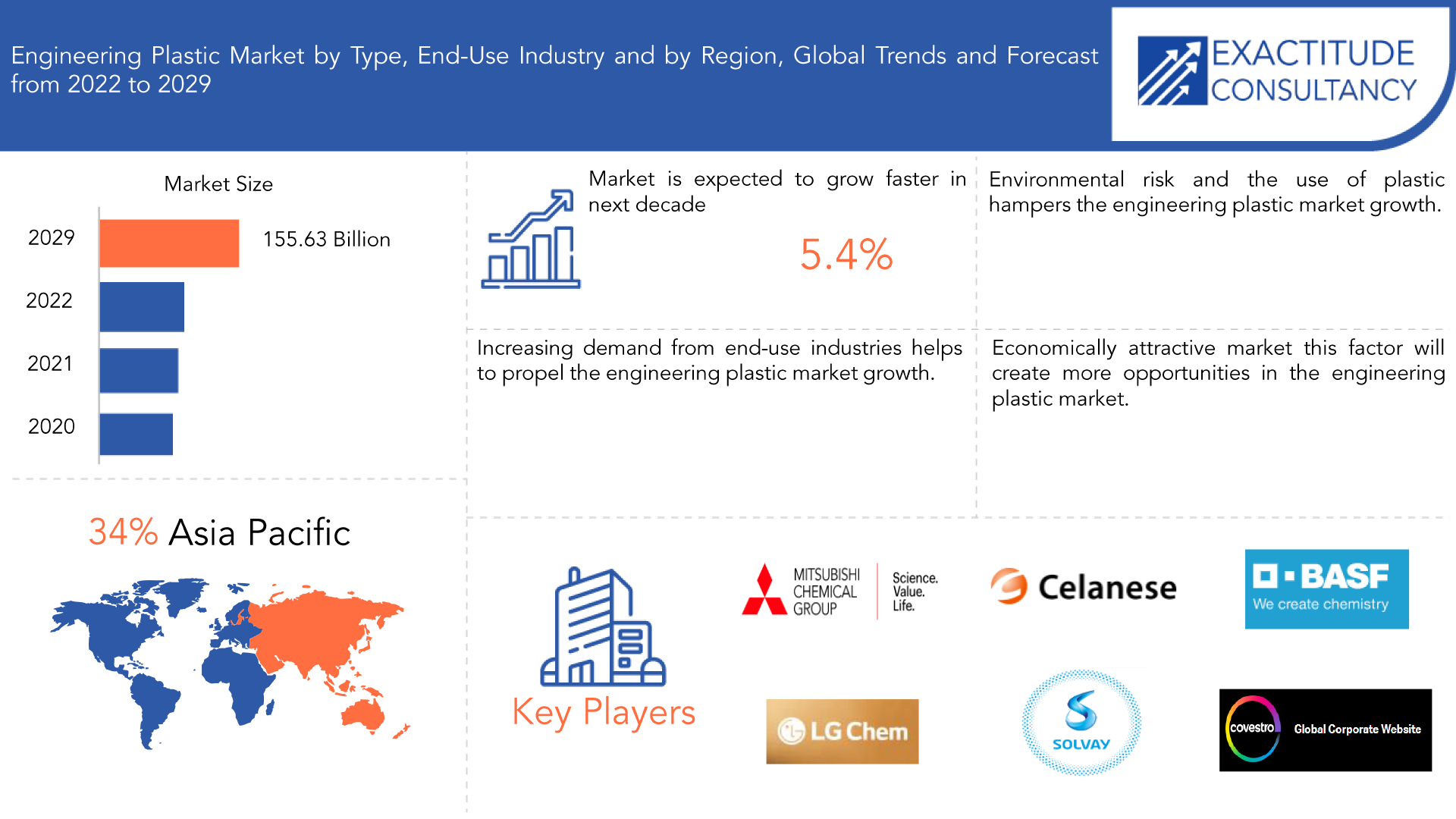
The global engineering plastics market is expected to grow at 5.4 % CAGR from 2020 to 2029. It is expected to reach above USD 155.63 billion by 2029 from USD 95.53 billion in 2020.
A subset of the plastics industry called engineering plastics is used in applications that demand excellent performance in terms of mechanical strength, dimensional stability, impact resistance, thermal stability, and chemical stability. Engineering plastics are typically used to create mechanical components, packaging, and containers. Due to their small weight, they are widely used as preferred alternatives to metal and ceramics. These materials are classified specifically because they can be used in a variety of applications that demand more performance than standard materials and necessitate the use of engineering to create unique products. Because of their longevity, design flexibility, high strength-to-weight ratios, and low densities, engineering plastics are progressively replacing metal in the construction and automotive industries. The end-use industries including automotive & transportation, electrical & electronics, industrial & machinery, packaging, consumer appliances, and others are driving the growth of the worldwide engineering plastics market. Thus, it is anticipated that the development of the engineering plastics market will be helped by these industries' rapid growth.
| ATTRIBUTE | DETAILS |
| Study period | 2020-2029 |
| Base year | 2021 |
| Estimated year | 2022 |
| Forecasted year | 2022-2029 |
| Historical period | 2018-2020 |
| Unit | Value (USD Billion), (Kilotons) |
| Segmentation | By Type, By End-Use Industry, By Region |
| By Type
|
|
| By End-Use Industry
|
|
| By Region
|
|
Engineering plastics are extensively utilized in a variety of manufacturing sectors where excellent performance in terms of chemical stability, impact resistance, durability, and thermal and dimensional stability is required. Because of their high mechanical strength, engineering plastics are quickly replacing metals and wood in the construction and automotive industries. These components reduce the car as a whole and improve fuel economy. They are used in the manufacturing of vehicle exterior and interior components as well as elements for the drivetrain. Due to its excellent resilience to a variety of environmental conditions like chemicals, high temperatures, and abrasion, engineering plastic is also utilized throughout the electronic sector. It is hence the perfect material for producing consumer electronics.
The improvement in fuel efficiency and the trend toward lighter vehicles, along with the replacement of metal in the construction and electrical & electronics industries, are the main drivers of market expansion. Additionally, as engineering plastics are generally used through injection molding into necessary end products, growth in end-user industries supports the market demand for engineering plastics.
Engineering plastics market growth is primarily being driven by the expanding automobile industry as a result of increased urbanization. The European Automotive Manufacturers Association estimates that 79.1 million automobiles were produced globally in 2021, an increase of 1.3% over the previous year. Engineering plastics, which are frequently used in automotive and transportation parts such exteriors, engines, mechanical components, interiors, fuel systems, and electric and electronic components, are in greater demand as vehicle production increases.
In electronic industry engineering plastic's market is expanding as a result of expansion in the electronic and electrical industries brought on by a rise in demand for electronic products including storage batteries, computers, communication devices, switchgear, and switchboard. Also, an increase in the quantity of educational institutions with computer labs is a significant factor boosting the market expansion of engineering plastic during the anticipated period.
[caption id="attachment_16413" align="aligncenter" width="1920"]
Frequently Asked Questions
• What is the worth of the global Engineering Plastics market?
The global engineering plastics market is expected to grow at 5.4 % CAGR from 2020 to 2029. It is expected to reach above USD 155.63 billion by 2029 from USD 95.53 billion in 2020.
• What is the size of the Asia pacific engineering plastics industry?
Asia Pacific accounted for 34 % of the market share across the globe.
• What are some of the market's driving forces?
Growing demand for polyamide in 3D printing, Development of small and medium-sized enterprises in emerging economies, and increasing demand from the automotive and packaging industry are the some driving factors for the engineering plastic market.
• Which are the top companies to hold the market share in the Engineering Plastics market?
The Engineering Plastics market key players include BASF SE, Covestro AG, Solvay S.A, Celanese Corporation, The Dow Chemical Company, LG Chem Ltd, SABIC, Evonik Industries AG, LANXESS AG, Mitsubishi Chemical Holdings Corporation, Bayer AG.
• Which is the largest regional market for the Engineering Plastics market?
Asia Pacific accounted for the largest market in the engineering plastic market. Due to the increased use of engineering plastics in many industries, including automotive, packaging, building, and construction, in rapidly developing nations like China, India, and Japan, the Asia-Pacific region held the largest share of the market.
Engineering Plastic Market Segment Analysis
The global engineering plastics market is segmented based on type, end-use industry, and region. Based on type the market is bifurcated into acrylonitrile butadiene styrene, polyamide, polycarbonate, thermoplastic polyester, polyacetal, fluoropolymer and others. Based on the end-use industry the market is bifurcated into automotive & transportation, consumer appliances, electrical & electronics, industrial & machinery, packaging, and others.
Based on the type of acrylonitrile butadiene styrene segment is dominating the market. Abs provides a good balance of stiffness, electrical properties, surface hardness, tensile strength, impact, heat, chemical, and abrasion resistance. Even at low temperatures, abs plastic keeps its strong, rigid, and resistant qualities. It comes in grades that are heat-resistant, fire-retardant, and platable. Abs provides high rigidity and good impact resistance. Abs is a popular thermoplastic, that is used to create light, hard, molded goods like pipe, automotive body pieces, wheel covers, enclosures, and protective headgear. Abs is mostly used in the automotive and transportation industry. Many automotive components, including the dashboard, bumpers, external panels, and others, are made of acrylonitrile butadiene styrene. By using abs material for these parts, an automobile's overall weight is reduced. Increasing demand from the automotive and transportation industry helps to propel the acrylonitrile butadiene styrene segment growth.
Based on the end-use industry automotive segment is dominating the market. The CAGR for the automotive market is predicted to be 7.0%. The largest CAGR, 7.3%, is anticipated for packaging, though. Because engineered polymer composites and plastics were used in so many different applications, the automotive industry had seen the highest revenue growth. The second most popular category of automotive materials, after ferrous metals and alloys, is engineering plastics. Engineering plastics are replacing a number of other materials in cars as the emphasis on reducing weight, enhancing fuel efficiency, and controlling emissions increases. Modern plastic materials are being used by automakers to reduce and increase the fuel efficiency of their automobiles. This factor helps to generate more revenue from the automotive industry. A recent study found that every 10% decrease in vehicle weight results in a 6-8% reduction in fuel consumption. Engineering Plastic market growth is directly impacted by the rise in automobile production.
[caption id="attachment_16420" align="aligncenter" width="1920"]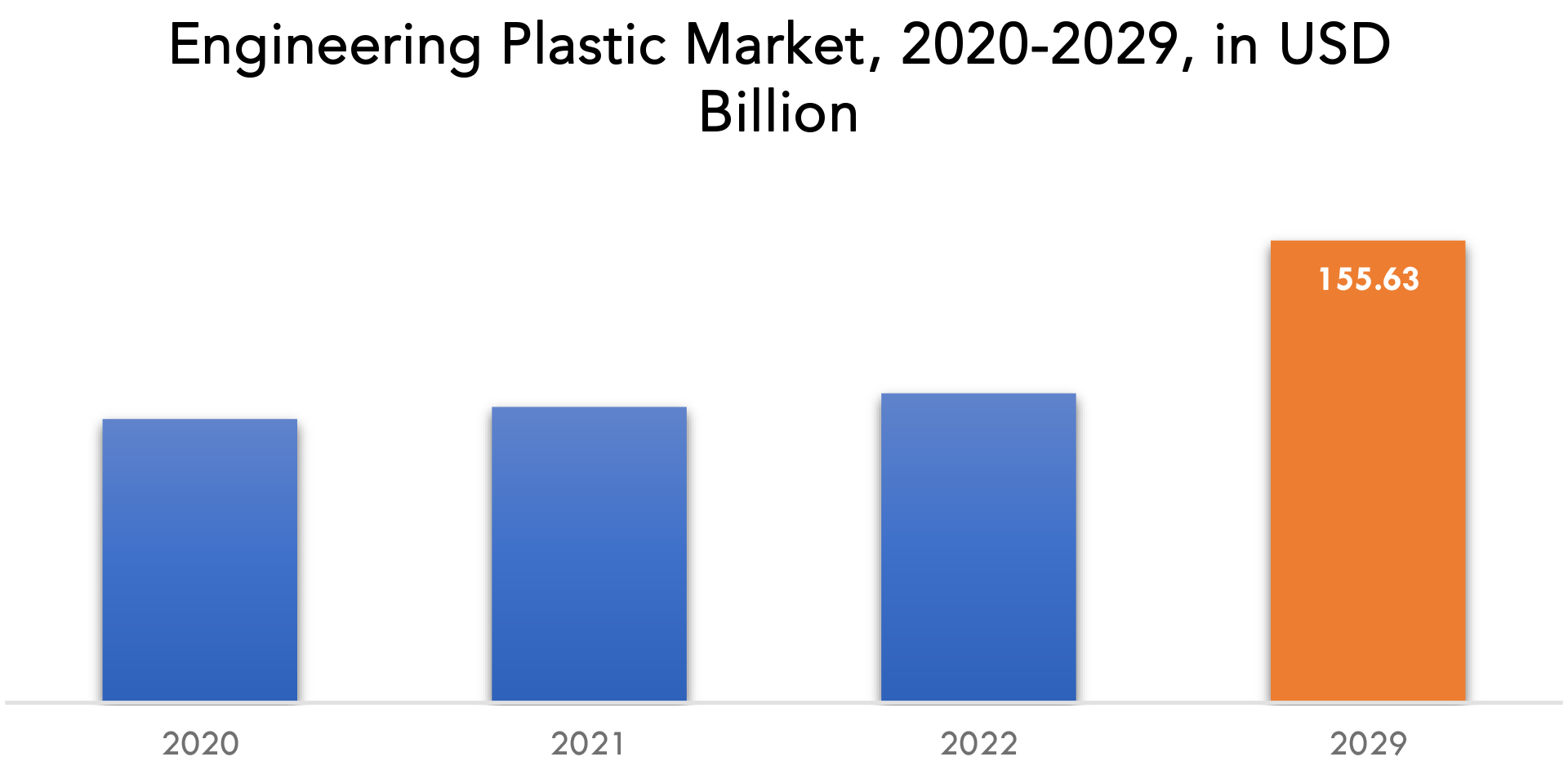
Engineering Plastic Market Key Players
The Engineering Plastics market key players include BASF SE, Covestro AG, Solvay S.A, Celanese Corporation, The Dow Chemical Company, LG Chem Ltd, SABIC, Evonik Industries AG, LANXESS AG, Mitsubishi Chemical Holdings Corporation, Bayer AG. For corporate expansion, these key leaders are implementing strategic formulations such as new product development and commercialization, commercial expansion, and distribution agreements. Moreover, these participants are substantially spending on product development, which is fueling revenue generation. Recent developments:- SABIC introduced four new classes of chemically resistant LNP CRX polycarbonate (PC) copolymer resins in August 2022 and expanded its offering in engineering plastics.
- Solvay announced the opening of its new thermoplastic composites (TPC) manufacturing facility in Greenville, South Carolina, in September 2021. The company will be able to industrialize its TPC capacity with the aid of the new manufacturing facility.
- Royal DSM announced the construction of a high-performance materials compounding facility in Evansville, Indiana, in February 2020. DSM will upgrade the plant to produce the most recent iteration of cutting-edge materials, such as thermoplastics derived from biomaterials.
Who Should Buy? Or Key stakeholders
- Supply Chain Industry
- Automotive & Transportation Sector
- Electrical & Electronics Industry
- Research Organizations
- Investors
- Packaging Industry
- Industrial & Machinery Industry
- Regulatory Authorities
- Others
Engineering Plastic Market Regional Analysis
The engineering plastics market by region includes North America, Asia-Pacific (APAC), Europe, South America, and Middle East & Africa (MEA).- North America: includes the US, Canada, Mexico
- Asia Pacific: includes China, Japan, South Korea, India, Australia, ASEAN and Rest of APAC
- Europe: includes UK, Germany, France, Italy, Spain, Russia, and Rest of Europe
- South America: includes Brazil, Argentina and Rest of South America
- Middle East & Africa: includes Turkey, UAE, Saudi Arabia, South Africa, and Rest of MEA
Asia Pacific accounted for the largest market in the engineering plastic market. Due to the increased use of engineering plastics in many industries, including automotive, packaging, building, and construction, in rapidly developing nations like China, India, and Japan, the Asia-Pacific region held the largest share of the market. In the area, China is both the major producer and user of engineering plastics. The aircraft sector in China is anticipated to become profitable again in 2022 after seeing a sharp drop in the preceding years. According to estimates from China's Civil Aviation Administration (CAAC), domestic air travel will eventually reach 85% of pre-pandemic levels. In China, approximately 8,700 new deliveries will be made by 2040, with a market service value of USD 1,800 billion, predicts the Boeing Commercial Forecast 2021–2040. A total of 4,399,112 vehicles were produced in India in 2021, a 30% increase from the 3,381,819 vehicles produced in 2020. Throughout the forecast period, the market is anticipated to grow due to the expanding automotive sector. Also, the government's initiatives, such as the "Made in India" and "Atama Nir Bhar Bharat" programs, are probably going to help the automobile sector.
India is anticipated to have the fastest growth in both the region and the entire world. With the expansion of the automotive, electrical, and electronics industries as well as semiconductor production and exports of televisions and other consumer devices, the demand for engineering plastics has increased significantly. It is anticipated that the region's rapidly expanding economies, including Taiwan and India, will fuel the need for engineering plastics in the Asia Pacific region.
[caption id="attachment_16424" align="aligncenter" width="1920"]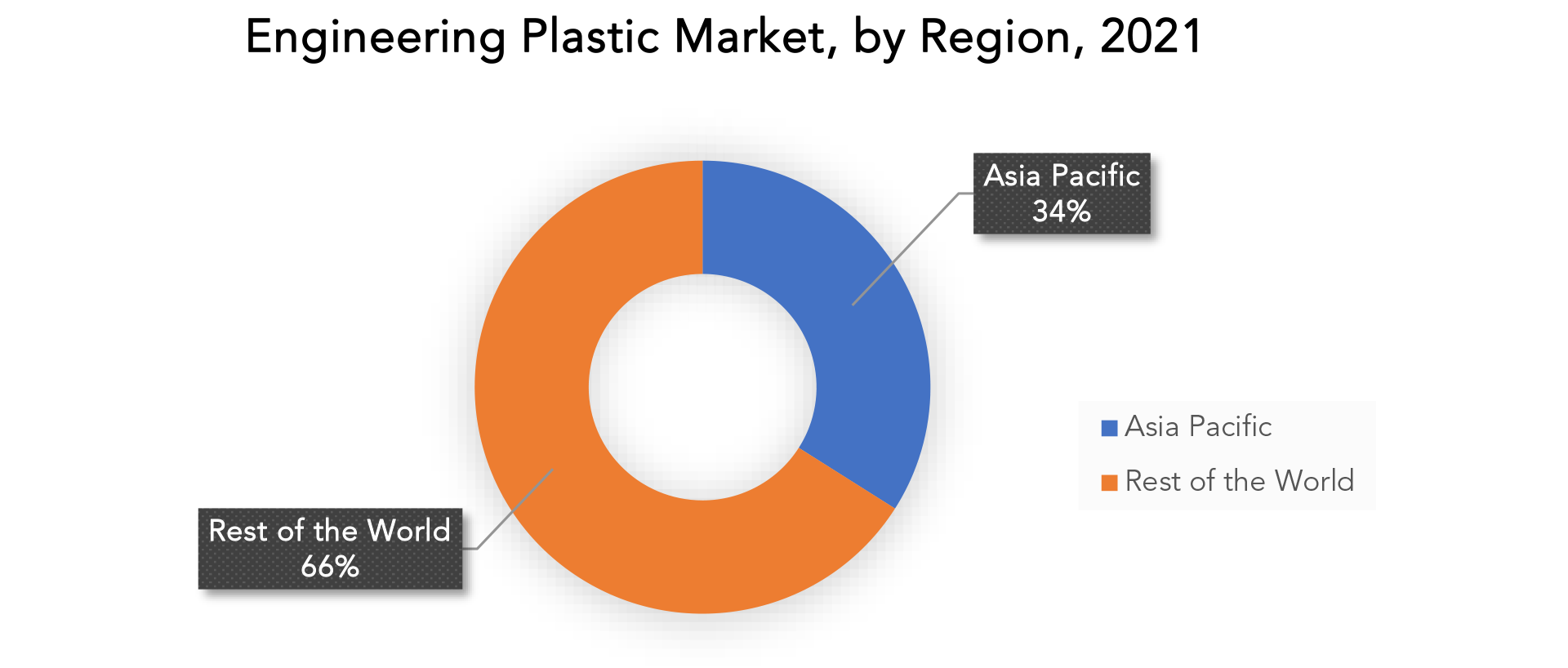
Key Market Segments: Engineering Plastics Market
Engineering Plastics Market By Type, 2020-2029, (Usd Billion), (Kilotons)- Acrylonitrile Butadiene Styrene
- Polyamide
- Polycarbonate
- Thermoplastic Polyester
- Polyacetal
- Fluoropolymer
- Others
- Automotive & Transportation
- Consumer Appliances
- Electrical & Electronics
- Industrial & Machinery
- Packaging
- Others
- North America
- Asia Pacific
- Europe
- South America
- Middle East And Africa
Exactitude Consultancy Services Key Objectives:
- Increasing sales and market share
- Developing new technology
- Improving profitability
- Entering new markets
- Enhancing brand reputation
Key Question Answered
- What is the expected growth rate of the engineering plastics market over the next 7 years?
- Who are the major players in the engineering plastics market and what is their market share?
- What are the end-user industries driving demand for the market and what is their outlook?
- What are the opportunities for growth in emerging markets such as Asia-Pacific, the Middle East, and Africa?
- How is the economic environment affecting the engineering plastics market, including factors such as interest rates, inflation, and exchange rates?
- What is the expected impact of government policies and regulations on the engineering plastics market?
- What is the current and forecasted size and growth rate of the global engineering plastics market?
- What are the key drivers of growth in the engineering plastics market?
- Who are the major players in the market and what is their market share?
- What are the distribution channels and supply chain dynamics in the engineering plastics market?
- What are the technological advancements and innovations in the engineering plastics market and their impact on product development and growth?
- What are the regulatory considerations and their impact on the market?
- What are the challenges faced by players in the engineering plastics market and how are they addressing these challenges?
- What are the opportunities for growth and expansion in the engineering plastics market?
- What is the pricing trend of engineering plastics in the market and what is the impact of raw material prices on the price trend?
- INTRODUCTION
- MARKET DEFINITION
- MARKET SEGMENTATION
- RESEARCH TIMELINES
- ASSUMPTIONS AND LIMITATIONS
- RESEARCH METHODOLOGY
- DATA MINING
- SECONDARY RESEARCH
- PRIMARY RESEARCH
- SUBJECT-MATTER EXPERTS’ ADVICE
- QUALITY CHECKS
- FINAL REVIEW
- DATA TRIANGULATION
- BOTTOM-UP APPROACH
- TOP-DOWN APPROACH
- RESEARCH FLOW
- DATA SOURCES
- DATA MINING
- EXECUTIVE SUMMARY
- MARKET OVERVIEW
- GLOBAL ENGINEERING PLASTIC MARKET OUTLOOK
- MARKET DRIVERS
- MARKET RESTRAINTS
- MARKET OPPORTUNITIES
- IMPACT OF COVID-19 ON ENGINEERING PLASTIC MARKET
- PORTER’S FIVE FORCES MODEL
- THREAT FROM NEW ENTRANTS
- THREAT FROM SUBSTITUTES
- BARGAINING POWER OF SUPPLIERS
- BARGAINING POWER OF CUSTOMERS
- DEGREE OF COMPETITION
- INDUSTRY VALUE CHAIN ANALYSIS
- GLOBAL ENGINEERING PLASTIC MARKET OUTLOOK
- GLOBAL ENGINEERING PLASTIC MARKET BY TYPE, 2020-2029, (USD BILLION), (KILOTONS)
- ACRYLONITRILE BUTADIENE STYRENE
- POLYAMIDE
- POLYCARBONATE
- THERMOPLASTIC POLYESTER
- POLYACETAL
- FLUOROPOLYMER
- OTHERS
- GLOBAL ENGINEERING PLASTIC MARKET BY END USE INDUSTRY, 2020-2029 (USD BILLION), (KILOTONS)
- AUTOMOTIVE & TRANSPORTATION
- CONSUMER APPLIANCES
- ELECTRICAL & ELECTRONICS
- INDUSTRIAL & MACHINERY
- PACKAGING
- OTHERS
- GLOBAL ENGINEERING PLASTIC MARKET BY REGION, 2020-2029, (USD BILLION), (KILOTONS)
- NORTH AMERICA
- US
- CANADA
- MEXICO
- SOUTH AMERICA
- BRAZIL
- ARGENTINA
- COLOMBIA
- REST OF SOUTH AMERICA
- EUROPE
- GERMANY
- UK
- FRANCE
- ITALY
- SPAIN
- RUSSIA
- REST OF EUROPE
- ASIA PACIFIC
- INDIA
- CHINA
- JAPAN
- SOUTH KOREA
- AUSTRALIA
- SOUTH-EAST ASIA
- REST OF ASIA PACIFIC
- MIDDLE EAST AND AFRICA
- UAE
- SAUDI ARABIA
- SOUTH AFRICA
- REST OF MIDDLE EAST AND AFRICA
- NORTH AMERICA
- COMPANY PROFILES* (BUSINESS OVERVIEW, COMPANY SNAPSHOT, PRODUCTS OFFERED, RECENT DEVELOPMENTS)
- BASF SE
- COVESTRO AG
- CELANESE CORPORATION
- THE DOW CHEMICAL COMPANY
- LG CHEM LTD
- SABIC
- EVONIK INDUSTRIES AG
- LANXESS AG
- MITSUBISHI CHEMICAL HOLDINGS CORPORATION
- BAYER AG *THE COMPANY LIST IS INDICATIVE
LIST OF TABLES
TABLE 1 GLOBAL ENGINEERING PLASTIC MARKET BY TYPE (USD BILLION) 2020-2029
TABLE 2 GLOBAL ENGINEERING PLASTIC MARKET BY TYPE (KILOTONS) 2020-2029
TABLE 3 GLOBAL ENGINEERING PLASTIC MARKET BY END-USE INDUSTRY (USD BILLION) 2020-2029
TABLE 4 GLOBAL ENGINEERING PLASTIC MARKET BY END-USE INDUSTRY (KILOTONS) 2020-2029
TABLE 5 GLOBAL ENGINEERING PLASTIC MARKET BY REGION (USD BILLION) 2020-2029
TABLE 6 GLOBAL ENGINEERING PLASTIC MARKET BY REGION (KILOTONS) 2020-2029
TABLE 7 NORTH AMERICA ENGINEERING PLASTIC MARKET BY COUNTRY (USD BILLION) 2020-2029
TABLE 8 NORTH AMERICA ENGINEERING PLASTIC MARKET BY COUNTRY (KILOTONS) 2020-2029
TABLE 9 NORTH AMERICA ENGINEERING PLASTIC MARKET BY TYPE (USD BILLION) 2020-2029
TABLE 10 NORTH AMERICA ENGINEERING PLASTIC MARKET BY TYPE (KILOTONS) 2020-2029
TABLE 11 NORTH AMERICA ENGINEERING PLASTIC MARKET BY END-USE INDUSTRY (USD BILLION) 2020-2029
TABLE 12 NORTH AMERICA ENGINEERING PLASTIC MARKET BY END-USE INDUSTRY (KILOTONS) 2020-2029
TABLE 13 US ENGINEERING PLASTIC MARKET BY TYPE (USD BILLION) 2020-2029
TABLE 14 US ENGINEERING PLASTIC MARKET BY TYPE (KILOTONS) 2020-2029
TABLE 15 US ENGINEERING PLASTIC MARKET BY END-USE INDUSTRY (USD BILLION) 2020-2029
TABLE 16 US ENGINEERING PLASTIC MARKET BY END-USE INDUSTRY (KILOTONS) 2020-2029
TABLE 17 CANADA ENGINEERING PLASTIC MARKET BY TYPE (USD BILLION) 2020-2029
TABLE 18 CANADA ENGINEERING PLASTIC MARKET BY TYPE (KILOTONS) 2020-2029
TABLE 19 CANADA ENGINEERING PLASTIC MARKET BY END-USE INDUSTRY (USD BILLION) 2020-2029
TABLE 20 CANADA ENGINEERING PLASTIC MARKET BY END-USE INDUSTRY (KILOTONS) 2020-2029
TABLE 21 MEXICO ENGINEERING PLASTIC MARKET BY TYPE (USD BILLION) 2020-2029
TABLE 22 MEXICO ENGINEERING PLASTIC MARKET BY TYPE (KILOTONS) 2020-2029
TABLE 23 MEXICO ENGINEERING PLASTIC MARKET BY END-USE INDUSTRY (USD BILLION) 2020-2029
TABLE 24 MEXICO ENGINEERING PLASTIC MARKET BY END-USE INDUSTRY (KILOTONS) 2020-2029
TABLE 25 SOUTH AMERICA ENGINEERING PLASTIC MARKET BY COUNTRY (USD BILLION) 2020-2029
TABLE 26 SOUTH AMERICA ENGINEERING PLASTIC MARKET BY COUNTRY (KILOTONS) 2020-2029
TABLE 27 SOUTH AMERICA ENGINEERING PLASTIC MARKET BY TYPE (USD BILLION) 2020-2029
TABLE 28 SOUTH AMERICA ENGINEERING PLASTIC MARKET BY TYPE (KILOTONS) 2020-2029
TABLE 29 SOUTH AMERICA ENGINEERING PLASTIC MARKET BY END-USE INDUSTRY (USD BILLION) 2020-2029
TABLE 30 SOUTH AMERICA ENGINEERING PLASTIC MARKET BY END-USE INDUSTRY (KILOTONS) 2020-2029
TABLE 31 BRAZIL ENGINEERING PLASTIC MARKET BY TYPE (USD BILLION) 2020-2029
TABLE 32 BRAZIL ENGINEERING PLASTIC MARKET BY TYPE (KILOTONS) 2020-2029
TABLE 33 BRAZIL ENGINEERING PLASTIC MARKET BY END-USE INDUSTRY (USD BILLION) 2020-2029
TABLE 34 BRAZIL ENGINEERING PLASTIC MARKET BY END-USE INDUSTRY (KILOTONS) 2020-2029
TABLE 35 ARGENTINA ENGINEERING PLASTIC MARKET BY TYPE (USD BILLION) 2020-2029
TABLE 36 ARGENTINA ENGINEERING PLASTIC MARKET BY TYPE (KILOTONS) 2020-2029
TABLE 37 ARGENTINA ENGINEERING PLASTIC MARKET BY END-USE INDUSTRY (USD BILLION) 2020-2029
TABLE 38 ARGENTINA ENGINEERING PLASTIC MARKET BY END-USE INDUSTRY (KILOTONS) 2020-2029
TABLE 39 COLOMBIA ENGINEERING PLASTIC MARKET BY TYPE (USD BILLION) 2020-2029
TABLE 40 COLOMBIA ENGINEERING PLASTIC MARKET BY TYPE (KILOTONS) 2020-2029
TABLE 41 COLOMBIA ENGINEERING PLASTIC MARKET BY END-USE INDUSTRY (USD BILLION) 2020-2029
TABLE 42 COLOMBIA ENGINEERING PLASTIC MARKET BY END-USE INDUSTRY (KILOTONS) 2020-2029
TABLE 43 REST OF SOUTH AMERICA ENGINEERING PLASTIC MARKET BY TYPE (USD BILLION) 2020-2029
TABLE 44 REST OF SOUTH AMERICA ENGINEERING PLASTIC MARKET BY TYPE (KILOTONS) 2020-2029
TABLE 45 REST OF SOUTH AMERICA ENGINEERING PLASTIC MARKET BY END-USE INDUSTRY (USD BILLION) 2020-2029
TABLE 46 REST OF SOUTH AMERICA ENGINEERING PLASTIC MARKET BY END-USE INDUSTRY (KILOTONS) 2020-2029
TABLE 47 ASIA-PACIFIC ENGINEERING PLASTIC MARKET BY COUNTRY (USD BILLION) 2020-2029
TABLE 48 ASIA-PACIFIC ENGINEERING PLASTIC MARKET BY COUNTRY (KILOTONS) 2020-2029
TABLE 49 ASIA-PACIFIC ENGINEERING PLASTIC MARKET BY TYPE (USD BILLION) 2020-2029
TABLE 50 ASIA-PACIFIC ENGINEERING PLASTIC MARKET BY TYPE (KILOTONS) 2020-2029
TABLE 51 ASIA-PACIFIC ENGINEERING PLASTIC MARKET BY END-USE INDUSTRY (USD BILLION) 2020-2029
TABLE 52 ASIA-PACIFIC ENGINEERING PLASTIC MARKET BY END-USE INDUSTRY (KILOTONS) 2020-2029
TABLE 53 INDIA ENGINEERING PLASTIC MARKET BY TYPE (USD BILLION) 2020-2029
TABLE 54 INDIA ENGINEERING PLASTIC MARKET BY TYPE (KILOTONS) 2020-2029
TABLE 55 INDIA ENGINEERING PLASTIC MARKET BY END-USE INDUSTRY (USD BILLION) 2020-2029
TABLE 56 INDIA ENGINEERING PLASTIC MARKET BY END-USE INDUSTRY (KILOTONS) 2020-2029
TABLE 57 CHINA ENGINEERING PLASTIC MARKET BY TYPE (USD BILLION) 2020-2029
TABLE 58 CHINA ENGINEERING PLASTIC MARKET BY TYPE (KILOTONS) 2020-2029
TABLE 59 CHINA ENGINEERING PLASTIC MARKET BY END-USE INDUSTRY (USD BILLION) 2020-2029
TABLE 60 CHINA ENGINEERING PLASTIC MARKET BY END-USE INDUSTRY (KILOTONS) 2020-2029
TABLE 61 JAPAN ENGINEERING PLASTIC MARKET BY TYPE (USD BILLION) 2020-2029
TABLE 62 JAPAN ENGINEERING PLASTIC MARKET BY TYPE (KILOTONS) 2020-2029
TABLE 63 JAPAN ENGINEERING PLASTIC MARKET BY END-USE INDUSTRY (USD BILLION) 2020-2029
TABLE 64 JAPAN ENGINEERING PLASTIC MARKET BY END-USE INDUSTRY (KILOTONS) 2020-2029
TABLE 65 SOUTH KOREA ENGINEERING PLASTIC MARKET BY TYPE (USD BILLION) 2020-2029
TABLE 66 SOUTH KOREA ENGINEERING PLASTIC MARKET BY TYPE (KILOTONS) 2020-2029
TABLE 67 SOUTH KOREA ENGINEERING PLASTIC MARKET BY END-USE INDUSTRY (USD BILLION) 2020-2029
TABLE 68 SOUTH KOREA ENGINEERING PLASTIC MARKET BY END-USE INDUSTRY (KILOTONS) 2020-2029
TABLE 69 AUSTRALIA ENGINEERING PLASTIC MARKET BY TYPE (USD BILLION) 2020-2029
TABLE 70 AUSTRALIA ENGINEERING PLASTIC MARKET BY TYPE (KILOTONS) 2020-2029
TABLE 71 AUSTRALIA ENGINEERING PLASTIC MARKET BY END-USE INDUSTRY (USD BILLION) 2020-2029
TABLE 72 AUSTRALIA ENGINEERING PLASTIC MARKET BY END-USE INDUSTRY (KILOTONS) 2020-2029
TABLE 73 SOUTH-EAST ASIA ENGINEERING PLASTIC MARKET BY TYPE (USD BILLION) 2020-2029
TABLE 74 SOUTH-EAST ASIA ENGINEERING PLASTIC MARKET BY TYPE (KILOTONS) 2020-2029
TABLE 75 SOUTH-EAST ASIA ENGINEERING PLASTIC MARKET BY END-USE INDUSTRY (USD BILLION) 2020-2029
TABLE 76 SOUTH-EAST ASIA ENGINEERING PLASTIC MARKET BY END-USE INDUSTRY (KILOTONS) 2020-2029
TABLE 77 REST OF ASIA PACIFIC ENGINEERING PLASTIC MARKET BY TYPE (USD BILLION) 2020-2029
TABLE 78 REST OF ASIA PACIFIC ENGINEERING PLASTIC MARKET BY TYPE (KILOTONS) 2020-2029
TABLE 79 REST OF ASIA PACIFIC ENGINEERING PLASTIC MARKET BY END-USE INDUSTRY (USD BILLION) 2020-2029
TABLE 80 REST OF ASIA PACIFIC ENGINEERING PLASTIC MARKET BY END-USE INDUSTRY (KILOTONS) 2020-2029
TABLE 81 EUROPE ENGINEERING PLASTIC MARKET BY COUNTRY (USD BILLION) 2020-2029
TABLE 82 EUROPE ENGINEERING PLASTIC MARKET BY COUNTRY (KILOTONS) 2020-2029
TABLE 83 ASIA-PACIFIC ENGINEERING PLASTIC MARKET BY TYPE (USD BILLION) 2020-2029
TABLE 84 ASIA-PACIFIC ENGINEERING PLASTIC MARKET BY TYPE (KILOTONS) 2020-2029
TABLE 85 ASIA-PACIFIC ENGINEERING PLASTIC MARKET BY END-USE INDUSTRY (USD BILLION) 2020-2029
TABLE 86 ASIA-PACIFIC ENGINEERING PLASTIC MARKET BY END-USE INDUSTRY (KILOTONS) 2020-2029
TABLE 87 GERMANY ENGINEERING PLASTIC MARKET BY TYPE (USD BILLION) 2020-2029
TABLE 88 GERMANY ENGINEERING PLASTIC MARKET BY TYPE (KILOTONS) 2020-2029
TABLE 89 GERMANY ENGINEERING PLASTIC MARKET BY END-USE INDUSTRY (USD BILLION) 2020-2029
TABLE 90 GERMANY ENGINEERING PLASTIC MARKET BY END-USE INDUSTRY (KILOTONS) 2020-2029
TABLE 91 UK ENGINEERING PLASTIC MARKET BY TYPE (USD BILLION) 2020-2029
TABLE 92 UK ENGINEERING PLASTIC MARKET BY TYPE (KILOTONS) 2020-2029
TABLE 93 UK ENGINEERING PLASTIC MARKET BY END-USE INDUSTRY (USD BILLION) 2020-2029
TABLE 94 UK ENGINEERING PLASTIC MARKET BY END-USE INDUSTRY (KILOTONS) 2020-2029
TABLE 95 FRANCE ENGINEERING PLASTIC MARKET BY TYPE (USD BILLION) 2020-2029
TABLE 96 FRANCE ENGINEERING PLASTIC MARKET BY TYPE (KILOTONS) 2020-2029
TABLE 97 FRANCE ENGINEERING PLASTIC MARKET BY END-USE INDUSTRY (USD BILLION) 2020-2029
TABLE 98 FRANCE ENGINEERING PLASTIC MARKET BY END-USE INDUSTRY (KILOTONS) 2020-2029
TABLE 99 ITALY ENGINEERING PLASTIC MARKET BY TYPE (USD BILLION) 2020-2029
TABLE 100 ITALY ENGINEERING PLASTIC MARKET BY TYPE (KILOTONS) 2020-2029
TABLE 101 ITALY ENGINEERING PLASTIC MARKET BY END-USE INDUSTRY (USD BILLION) 2020-2029
TABLE 102 ITALY ENGINEERING PLASTIC MARKET BY END-USE INDUSTRY (KILOTONS) 2020-2029
TABLE 103 SPAIN ENGINEERING PLASTIC MARKET BY TYPE (USD BILLION) 2020-2029
TABLE 104 SPAIN ENGINEERING PLASTIC MARKET BY TYPE (KILOTONS) 2020-2029
TABLE 105 SPAIN ENGINEERING PLASTIC MARKET BY END-USE INDUSTRY (USD BILLION) 2020-2029
TABLE 106 SPAIN ENGINEERING PLASTIC MARKET BY END-USE INDUSTRY (KILOTONS) 2020-2029
TABLE 107 RUSSIA ENGINEERING PLASTIC MARKET BY TYPE (USD BILLION) 2020-2029
TABLE 108 RUSSIA ENGINEERING PLASTIC MARKET BY TYPE (KILOTONS) 2020-2029
TABLE 109 RUSSIA ENGINEERING PLASTIC MARKET BY END-USE INDUSTRY (USD BILLION) 2020-2029
TABLE 110 RUSSIA ENGINEERING PLASTIC MARKET BY END-USE INDUSTRY (KILOTONS) 2020-2029
TABLE 111 REST OF EUROPE ENGINEERING PLASTIC MARKET BY TYPE (USD BILLION) 2020-2029
TABLE 112 REST OF EUROPE ENGINEERING PLASTIC MARKET BY TYPE (KILOTONS) 2020-2029
TABLE 113 REST OF EUROPE ENGINEERING PLASTIC MARKET BY END-USE INDUSTRY (USD BILLION) 2020-2029
TABLE 114 REST OF EUROPE ENGINEERING PLASTIC MARKET BY END-USE INDUSTRY (KILOTONS) 2020-2029
TABLE 115 MIDDLE EAST AND AFRICA ENGINEERING PLASTIC MARKET BY COUNTRY (USD BILLION) 2020-2029
TABLE 116 MIDDLE EAST AND AFRICA ENGINEERING PLASTIC MARKET BY COUNTRY (KILOTONS) 2020-2029
TABLE 117 MIDDLE EAST AND AFRICA ENGINEERING PLASTIC MARKET BY TYPE (USD BILLION) 2020-2029
TABLE 118 MIDDLE EAST AND AFRICA ENGINEERING PLASTIC MARKET BY TYPE (KILOTONS) 2020-2029
TABLE 119 MIDDLE EAST AND AFRICA ENGINEERING PLASTIC MARKET BY END-USE INDUSTRY (USD BILLION) 2020-2029
TABLE 120 MIDDLE EAST AND AFRICA ENGINEERING PLASTIC MARKET BY END-USE INDUSTRY (KILOTONS) 2020-2029
TABLE 121 UAE ENGINEERING PLASTIC MARKET BY TYPE (USD BILLION) 2020-2029
TABLE 122 UAE ENGINEERING PLASTIC MARKET BY TYPE (KILOTONS) 2020-2029
TABLE 123 UAE ENGINEERING PLASTIC MARKET BY END-USE INDUSTRY (USD BILLION) 2020-2029
TABLE 124 UAE ENGINEERING PLASTIC MARKET BY END-USE INDUSTRY (KILOTONS) 2020-2029
TABLE 125 SAUDI ARABIA ENGINEERING PLASTIC MARKET BY TYPE (USD BILLION) 2020-2029
TABLE 126 SAUDI ARABIA ENGINEERING PLASTIC MARKET BY TYPE (KILOTONS) 2020-2029
TABLE 127 SAUDI ARABIA ENGINEERING PLASTIC MARKET BY END-USE INDUSTRY (USD BILLION) 2020-2029
TABLE 128 SAUDI ARABIA ENGINEERING PLASTIC MARKET BY END-USE INDUSTRY (KILOTONS) 2020-2029
TABLE 129 SOUTH AFRICA ENGINEERING PLASTIC MARKET BY TYPE (USD BILLION) 2020-2029
TABLE 130 SOUTH AFRICA ENGINEERING PLASTIC MARKET BY TYPE (KILOTONS) 2020-2029
TABLE 131 SOUTH AFRICA ENGINEERING PLASTIC MARKET BY END-USE INDUSTRY (USD BILLION) 2020-2029
TABLE 132 SOUTH AFRICA ENGINEERING PLASTIC MARKET BY END-USE INDUSTRY (KILOTONS) 2020-2029
TABLE 133 REST OF MIDDLE EAST AND AFRICA ENGINEERING PLASTIC MARKET BY TYPE (USD BILLION) 2020-2029
TABLE 134 REST OF MIDDLE EAST AND AFRICA ENGINEERING PLASTIC MARKET BY TYPE (KILOTONS) 2020-2029
TABLE 135 REST OF MIDDLE EAST AND AFRICA ENGINEERING PLASTIC MARKET BY END-USE INDUSTRY (USD BILLION) 2020-2029
TABLE 136 REST OF MIDDLE EAST AND AFRICA ENGINEERING PLASTIC MARKET BY END-USE INDUSTRY (KILOTONS) 2020-2029
LIST OF FIGURES
FIGURE 1 MARKET DYNAMICS
FIGURE 2 MARKET SEGMENTATION
FIGURE 3 REPORT TIMELINES: YEARS CONSIDERED
FIGURE 4 DATA TRIANGULATION
FIGURE 5 BOTTOM-UP APPROACH
FIGURE 6 TOP-DOWN APPROACH
FIGURE 7 RESEARCH FLOW
FIGURE 8 GLOBAL ENGINEERING PLASTIC MARKET BY TYPE, USD BILLION, 2020-2029
FIGURE 9 GLOBAL ENGINEERING PLASTIC MARKET BY END-USE INDUSTRY, USD BILLION, 2020-2029
FIGURE 10 GLOBAL ENGINEERING PLASTIC MARKET BY REGION, USD BILLION, 2020-2029
FIGURE 11 PORTER’S FIVE FORCES MODEL
FIGURE 13 GLOBAL ENGINEERING PLASTIC MARKET BY TYPE, USD BILLION, 2021
FIGURE 14 GLOBAL ENGINEERING PLASTIC MARKET BY END-USE INDUSTRY, USD BILLION, 2021
FIGURE 15 GLOBAL ENGINEERING PLASTIC MARKET BY REGION, USD BILLION, 2021
FIGURE 16 NORTH AMERICA ENGINEERING PLASTIC MARKET SNAPSHOT
FIGURE 17 EUROPE ENGINEERING PLASTIC MARKET SNAPSHOT
FIGURE 18 SOUTH AMERICA ENGINEERING PLASTIC MARKET SNAPSHOT
FIGURE 19 ASIA PACIFIC ENGINEERING PLASTIC MARKET SNAPSHOT
FIGURE 20 MIDDLE EAST ASIA AND AFRICA ENGINEERING PLASTIC MARKET SNAPSHOT
FIGURE 21 MARKET SHARE ANALYSIS
FIGURE 22 CARRIER: COMPANY SNAPSHOT
FIGURE 23 BASF SE: COMPANY SNAPSHOT
FIGURE 24 COVESTRO AG: COMPANY SNAPSHOT
FIGURE 25 SOLVAY S.A.: COMPANY SNAPSHOT
FIGURE 26 CELANESE CORPORATION: COMPANY SNAPSHOT
FIGURE 27 THE DOW CHEMICAL COMPANY: COMPANY SNAPSHOT
FIGURE 28 LG CHEM LTD: COMPANY SNAPSHOT
FIGURE 29 EVONIK INDUSTRIES AG: COMPANY SNAPSHOT
FIGURE 30 LANXESS AG: COMPANY SNAPSHOT
FIGURE 31 MITSUBISHI CHEMICAL HOLDINGS CORPORATION: COMPANY SNAPSHOT
DOWNLOAD FREE SAMPLE REPORT
License Type
SPEAK WITH OUR ANALYST
Want to know more about the report or any specific requirement?
WANT TO CUSTOMIZE THE REPORT?
Our Clients Speak
We asked them to research ‘ Equipment market’ all over the world, and their whole arrangement was helpful to us. thehealthanalytics.com insightful analysis and reports contributed to our current analysis and in creating a future strategy. Besides, the te
Yosuke Mitsui
Senior Associate Construction Equipment Sales & Marketing
We asked them to research ‘Equipment market’ all over the world, and their whole arrangement was helpful to us. thehealthanalytics.com insightful analysis and reports contributed to our current analysis and in creating a future strategy. Besides, the te