

Base Year Value ()
x.x %
x.x %
CAGR ()
x.x %
x.x %
Forecast Year Value ()
x.x %
x.x %
Historical Data Period
Largest Region
Forecast Period
Transgenic Seeds Market By Trait (Herbicide Tolerance, Insecticide Resistance), By Crop (Corn, Soybean, Cotton, Canola, Others) and Region, Global Trends and Forecast from 2023 to 2029
Instant access to hundreds of data points and trends
- Market estimates from 2014-2029
- Competitive analysis, industry segmentation, financial benchmarks
- Incorporates SWOT, Porter's Five Forces and risk management frameworks
- PDF report or online database with Word, Excel and PowerPoint export options
- 100% money back guarantee
Transgenic Seeds Market Overview
The transgenic seeds market is expected to grow at 12.2% CAGR from 2023 to 2029. It is expected to reach above USD 75.55 billion by 2029 from USD 30.08 billion in 2020.
Transgenic seeds, commonly known as genetically modified (GM) seeds, are a subset of seeds that have had their DNA altered by the insertion of certain genes. Herbicide and insect resistance are two examples of the unique traits that seeds with genetic modification can have. GMOs enhance crop yields by 22%, cut the need for pesticides by 37%, and boost profits by 68%, according to a new research.
Due to the widespread adoption of sustainable farming practices, the transgenic seed business has experienced tremendous expansion. GM seeds are the favoured option among farming communities due to the high agricultural production and associated benefits of transgenic crops over conventional crops. Unfortunately, the market cannot expand due to the strict government rules and environmental issues related to GM seeds. The use of GM seeds is also being restricted by consumers' shifting preferences for naturally grown food products.
Global population growth and rising food demand, an increase in fertilizer and pesticide prices, and simpler residue management are the market's main growth drivers. Due to a number of circumstances, including rising seed prices, the development of high-quality agricultural products, rising crop rotation rates, and increased farmer knowledge of the rising toxicity of agrochemicals, transgenic seeds have become more and more popular. Farmers are being encouraged to use transgenic seeds by the rising global effort to maximize productivity.
| ATTRIBUTE | DETAILS |
| Study period | 2020-2029 |
| Base year | 2021 |
| Estimated year | 2022 |
| Forecasted year | 2022-2029 |
| Historical period | 2018-2020 |
| Unit | Value (USD BILLION), (KILOTONS). |
| Segmentation | By Trait, By Crop, By Region. |
| By Trait
|
|
| By Crop
|
|
| By Region
|
|
Before being sold commercially, transgenic seeds must have regulatory approval. It might be challenging for businesses to launch new products due to regulatory bodies in various nations have different guidelines and standards for the approval of transgenic seeds. The public is frequently worried about the safety and effects of genetically modified organisms on the environment (GMOs). Insect or weed resistance may arise as a result of the extensive usage of transgenic seeds, which may eventually make the technique less effective.
Transgenic seeds can be developed to boost crop performance, such as pest and disease resistance, tolerance to drought or very hot or very cold weather, and improved nutrient uptake. Both farmers and consumers may profit from these characteristics' ability to boost food yields and quality. This can lessen agriculture's negative effects on the environment while helping to meet the growing demand for food.
Transgenic seed availability and distribution have been impacted by the pandemic's effects on the global supply chain. In certain areas, this has resulted in crop output reductions and planting delays. The pandemic has caused interruptions in international trade as well as changes in consumer demand for agricultural products. The demand for transgenic seeds has been impacted by this, with some markets seeing an increase in demand (such as crops used for animal feed) and others seeing a drop (such as crops used in the restaurant and hospitality industries). The pandemic's long-term effects on the transgenic seed market, however, are not yet obvious and will probably rely on its duration, intensity, and the capacity of the sector to adjust to changing circumstances.
[caption id="attachment_19986" align="aligncenter" width="1920"]

Frequently Asked Questions
• What is the worth of transgenic seeds market?
The transgenic seeds market is expected to grow at 12.2% CAGR from 2022 to 2029. It is expected to reach above USD 75.55 Billion by 2029 from USD 30.08 Billion in 2020.
• What is the size of the North America transgenic seeds industry?
North America held more than 32 % of the transgenic seeds market revenue share in 2021 and will witness expansion in the forecast period.
• What are some of the market's driving forces?
Global population growth and rising food demand, an increase in fertilizer and pesticide prices, and simpler residue management are the market's main growth drivers. Due to a number of circumstances, including rising seed prices, the development of high-quality agricultural products, rising crop rotation rates, and increased farmer knowledge of the rising toxicity of agrochemicals, transgenic seeds have become more and more popular.
• Which are the top companies to hold the market share in transgenic seeds market?
The transgenic seeds market key players includes Suntory Holdings Ltd, DowDuPont, Vilmorin & Cie SA, Maharashtra Hybrid Seed Company, Bayer CropScience AG, Monsanto, BASF SE, Syngenta AG, R.Simplot Co., JK Agri Genetics Ltd.
• What is the leading trait of transgenic seeds market?
By trait segment market is divided into herbicide tolerance and insecticide resistance. With varying degrees of efficiency and high cost, pesticides are frequently employed to manage insect populations. Farmers and the environment both gain from limiting the use of pesticides in agriculture. Between 2009 and 2018, the amount of chemical insecticides used worldwide decreased by 107 million kg thanks to the growing of insect-resistant crops like cotton and maize. Hence, it is anticipated that the insecticide-resistant category will increase at the fastest rate over the forecast period.
• Which is the largest regional market for transgenic seeds market?
North America held more than 32% of the transgenic seeds market revenue share in 2021 and will witness expansion in the forecast period. Since more farmers in the region are using GM corn, soybeans, cotton, and alfalfa, North America is currently the market leader for transgenic seeds worldwide. Every crop season, more than 90% of the corn, soybeans, canola, and sugar beetroot grown in the US is genetically altered.
Transgenic Seeds Market Segment Analysis
The transgenic seeds market is segmented based on trait, crop.
By trait segment market is divided into herbicide tolerance and insecticide resistance. With varying degrees of efficiency and high cost, pesticides are frequently employed to manage insect populations. Hence, it is anticipated that the insecticide-resistant category will increase at the fastest rate over the forecast period.
By crop segment market is divided into Corn Soybean Cotton Canola and others. The increased use of soybean and its derivatives can be blamed for the segment's growth. Brazil and Argentina are only a couple of the main country-level markets in South America that are helping the industry grow. Brazil is seen a rise in the area planted with transgenic soybean as a result of the high demand for transgenic soybean on both the domestic and international markets, as well as the accessibility of appropriate seed technology.
[caption id="attachment_19987" align="aligncenter" width="1920"]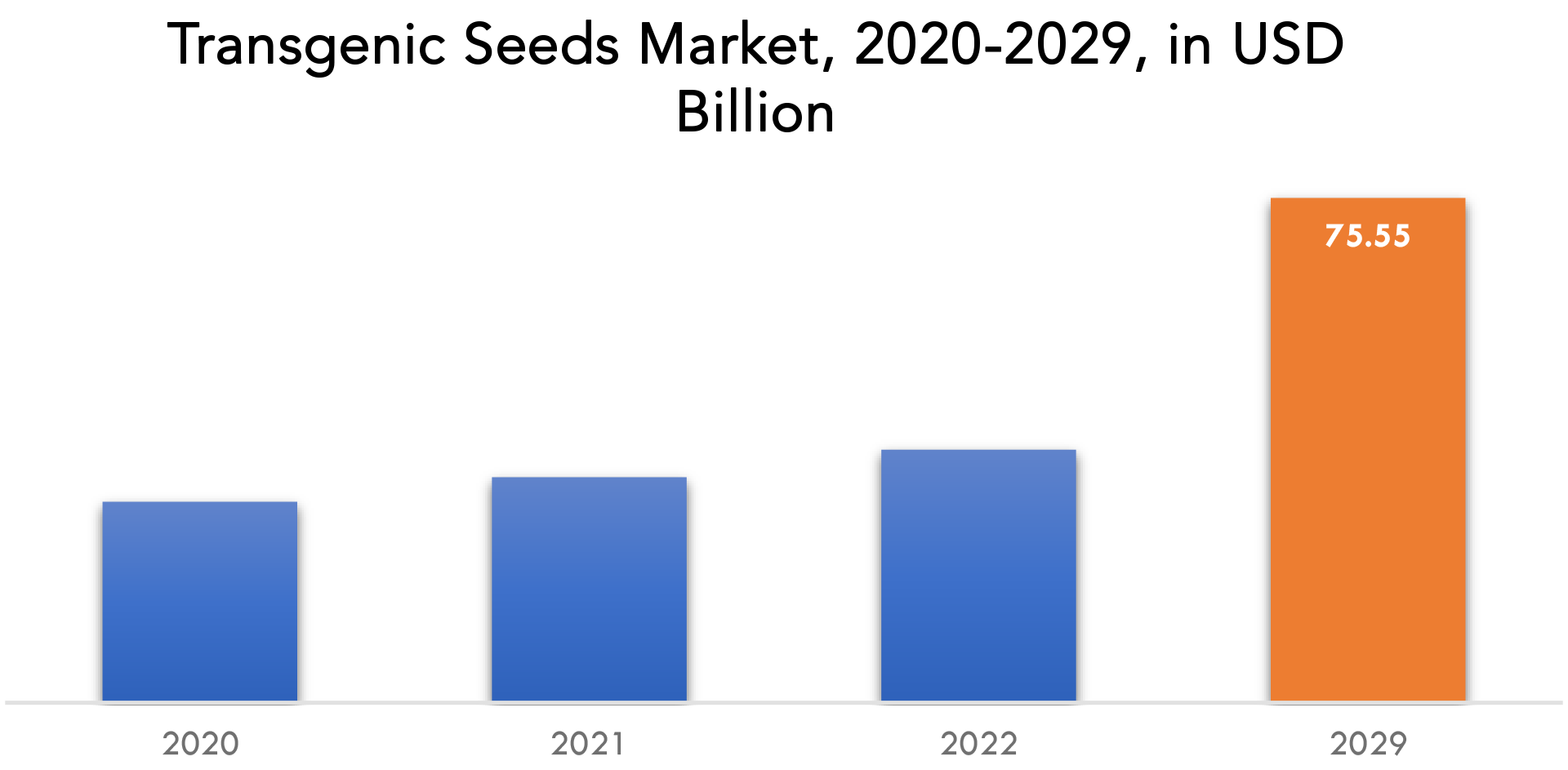
Transgenic Seeds Market Player
The transgenic seeds market key players includes Suntory Holdings Ltd, DowDuPont, Vilmorin & Cie SA, Maharashtra Hybrid Seed Company, Bayer CropScience AG, Monsanto, BASF SE, Syngenta AG, R.Simplot Co., JK Agri Genetics Ltd.
28 November 2022: The Suntory Group had launched a new initiative to reduce greenhouse gas (GHG) emissions by procuring UK-grown barley produced using regenerative agriculture practices. In collaboration with UK based Malt supplier Muntons Plc (Muntons), sustainable agriculture and supply chain consultancy Future Food Solutions Ltd (FFS), and local barley farmers in the East Anglia region.
29 July 2022: In July, the Suntory Group had became the first Japanese company to join the Sustainable Agriculture Initiative Platform (SAI Platform), a global not-for-profit organization advancing sustainable agricultural practices.
Who Should Buy? Or Key Stakeholders
- Seed companies
- Farmers
- Consumer groups
- Research institutions
- Non-governmental organizations (NGOs)
- Investors
- Regulatory Authorities
- Others
Transgenic seeds Market Regional Analysis
The transgenic seeds market by region includes North America, Asia-Pacific (APAC), Europe, South America, and Middle East & Africa (MEA).
- North America: includes the US, Canada, Mexico
- Asia Pacific: includes China, Japan, South Korea, India, Australia, ASEAN and Rest of APAC
- Europe: includes UK, Germany, France, Italy, Spain, Russia, and Rest of Europe
- South America: includes Brazil, Argentina and Rest of South America
- Middle East & Africa: includes Turkey, UAE, Saudi Arabia, South Africa, and Rest of MEA
North America held more than 32 % of the transgenic seeds market revenue share in 2021 and will witness expansion in the forecast period. Since more farmers in the region are using GM corn, soybeans, cotton, and alfalfa, North America is currently the market leader for transgenic seeds worldwide. Every crop season, more than 90% of the corn, soybeans, canola, and sugar beetroot grown in the US is genetically altered. Ten Transgenic crops, such as maize, soybeans, cotton, canola, etc., are currently grown in the US. Reduced crop diseases, successful weed control, pest control, and the high agricultural productive potential of GM seeds are some of the factors that have fueled the expansion of transgenic seeds.
During the forecast period of 2022-2029, the Asia-Pacific area, which is now experiencing significant advances, is anticipated to have the greatest compound annual growth rate (CAGR). This is as a result of the increased demand for transgenic seeds in the area. The most widely grown transgenic crops are soybean, maize, canola, and cotton.
[caption id="attachment_19988" align="aligncenter" width="1920"]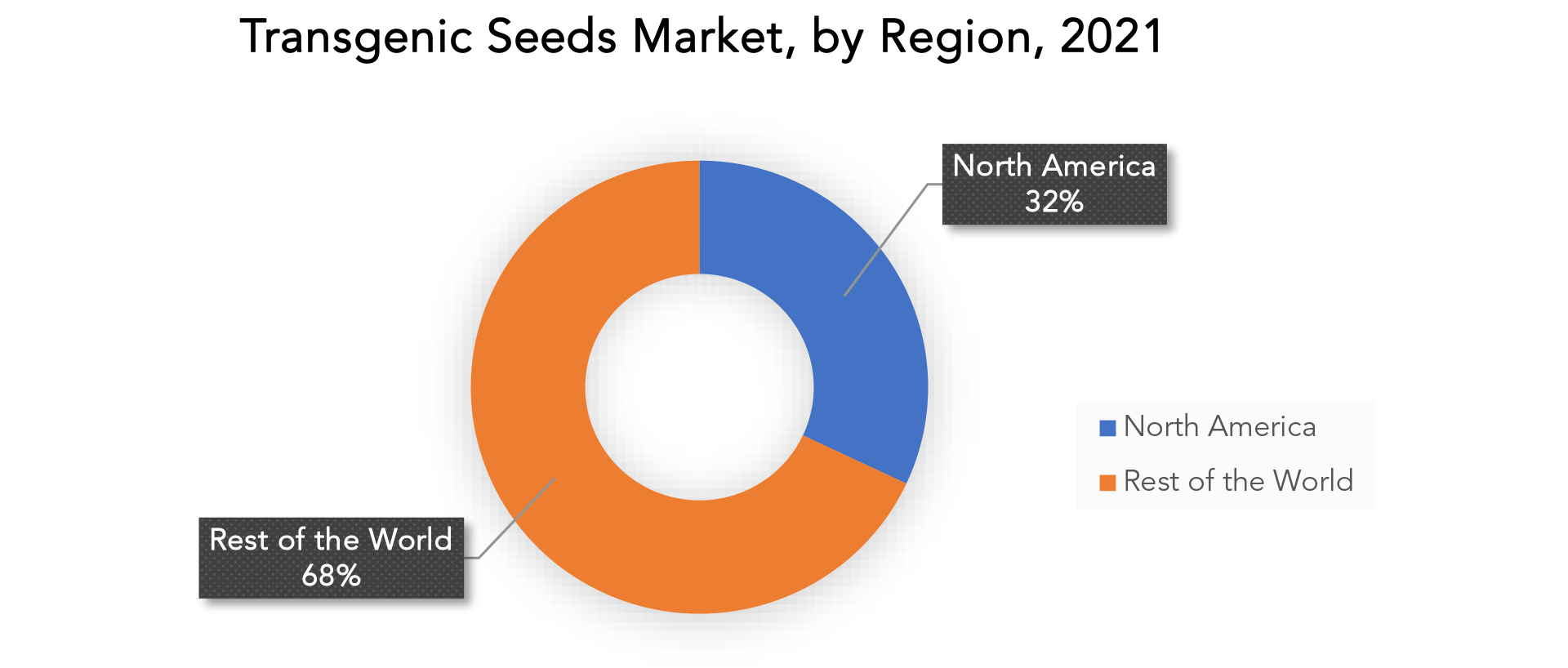
Key Market Segments: Transgenic Seeds Market
Transgenic Seeds Market By Trait, 2020-2029, (USD Billion), (Kilotons).- Herbicide Tolerance
- Insecticide Resistance
- Corn
- Soybean
- Cotton
- Canola
- Others
- North America
- Asia Pacific
- Europe
- South America
- Middle East And Africa
Exactitude Consultancy Services Key Objectives:
- Increasing sales and market share
- Developing new technology
- Improving profitability
- Entering new markets
- Enhancing brand reputation
Key Question Answered
- What is the expected growth rate of the transgenic seeds market over the next 7 years?
- Who are the major players in the transgenic seeds market and what is their market share?
- What are the end-user industries driving demand for market and what is their outlook?
- What are the opportunities for growth in emerging markets such As Asia-Pacific, Middle East, and Africa?
- How is the economic environment affecting the transgenic seeds market, including factors such as interest rates, inflation, and exchange rates?
- What is the expected impact of government policies and regulations on the transgenic seeds market?
- What is the current and forecasted size and growth rate of the global transgenic seeds market?
- What are the key drivers of growth in the transgenic seeds market?
- What are the distribution channels and supply chain dynamics in the transgenic seeds market?
- What are the technological advancements and innovations in the transgenic seeds market and their impact on form development and growth?
- What are the regulatory considerations and their impact on the market?
- What are the challenges faced by players in the transgenic seeds market and how are they addressing these challenges?
- What are the opportunities for growth and expansion in the transgenic seeds market?
- What are the products offerings and specifications of leading players in the market?
- What is the pricing trend of transgenic seeds in the market and what is the impact of raw crop prices on the price trend?
- Introduction
- Market Definition
- Market Segmentation
- Research Timelines
- Assumptions and Limitations
- Research Methodology
- Data Mining
- Secondary Research
- Primary Research
- Subject-Matter Experts’ Advice
- Quality Checks
- Final Review
- Data Triangulation
- Bottom-Up Approach
- Top-Down Approach
- Research Flow
- Data Sources
- Data Mining
- Executive Summary
- Market Overview
- Global Transgenic Seeds Market Outlook
- Market Drivers
- Market Restraints
- Market Opportunities
- Impact Of Covid-19 On Transgenic Seeds Market
- Porter’s Five Forces Model
- Threat from new entrants
- Threat from substitutes
- Bargaining power of suppliers
- Bargaining power of customers
- Degree of competition
- Industry Value Chain Analysis
- Global Transgenic Seeds Market Outlook
- Global Transgenic Seeds Market By Trait, 2020-2029, (USD Billion), (Kilotons)
- Herbicide Tolerance
- Insecticide Resistance
- Global Transgenic Seeds Market By Crop, 2020-2029, (USD Billion), (Kilotons)
- Corn
- Soybean
- Cotton
- Canola
- Others
- Global Transgenic Seeds Market By Region, 2020-2029, (USD Billion), (Kilotons)
- North America
- US
- Canada
- Mexico
- South America
- Brazil
- Argentina
- Colombia
- Rest Of South America
- Europe
- Germany
- UK
- France
- Italy
- Spain
- Russia
- Rest Of Europe
- Asia Pacific
- India
- China
- Japan
- South Korea
- Australia
- South-East Asia
- Rest Of Asia Pacific
- Middle East and Africa
- UAE
- Saudi Arabia
- South Africa
- Rest Of Middle East and Africa
- North America
- Company Profiles*
(Business Overview, Company Snapshot, Products Offered, Recent Developments)
- Suntory Holdings Ltd
- DowDuPont
- Vilmorin & Cie SA
- Maharashtra Hybrid Seed Company
- Bayer CropScience AG
- Monsanto
- BASF SE
- Syngenta AG
- Simplot Co.
- JK Agri Genetics Ltd
*The Company List Is Indicative
LIST OF TABLES
TABLE 1 GLOBAL TRANSGENIC SEEDS MARKET BY TRAIT (USD BILLION), 2020-2029
TABLE 2 GLOBAL TRANSGENIC SEEDS MARKET BY TRAIT (KILOTONS), 2020-2029
TABLE 3 GLOBAL TRANSGENIC SEEDS MARKET BY CROP (USD BILLION), 2020-2029
TABLE 4 GLOBAL TRANSGENIC SEEDS MARKET BY CROP (KILOTONS), 2020-2029
TABLE 5 GLOBAL TRANSGENIC SEEDS MARKET BY REGION (USD BILLION), 2020-2029
TABLE 6 GLOBAL TRANSGENIC SEEDS MARKET BY REGION (KILOTONS), 2020-2029
TABLE 7 NORTH AMERICA TRANSGENIC SEEDS MARKET BY TRAIT (USD BILLION), 2020-2029
TABLE 8 NORTH AMERICA TRANSGENIC SEEDS MARKET BY TRAIT (KILOTONS), 2020-2029
TABLE 9 NORTH AMERICA TRANSGENIC SEEDS MARKET BY CROP (USD BILLION), 2020-2029
TABLE 10 NORTH AMERICA TRANSGENIC SEEDS MARKET BY CROP (KILOTONS), 2020-2029
TABLE 11 NORTH AMERICA TRANSGENIC SEEDS MARKET BY COUNTRY (USD BILLION), 2020-2029
TABLE 12 NORTH AMERICA TRANSGENIC SEEDS MARKET BY COUNTRY (KILOTONS), 2020-2029
TABLE 13 US TRANSGENIC SEEDS MARKET BY TRAIT (USD BILLION), 2020-2029
TABLE 14 US TRANSGENIC SEEDS MARKET BY TRAIT (KILOTONS), 2020-2029
TABLE 15 US TRANSGENIC SEEDS MARKET BY CROP (USD BILLION), 2020-2029
TABLE 16 US TRANSGENIC SEEDS MARKET BY CROP (KILOTONS), 2020-2029
TABLE 17 CANADA TRANSGENIC SEEDS MARKET BY TRAIT (USD BILLION), 2020-2029
TABLE 18 CANADA TRANSGENIC SEEDS MARKET BY TRAIT (KILOTONS), 2020-2029
TABLE 19 CANADA TRANSGENIC SEEDS MARKET BY CROP (USD BILLION), 2020-2029
TABLE 20 CANADA TRANSGENIC SEEDS MARKET BY CROP (KILOTONS), 2020-2029
TABLE 21 MEXICO TRANSGENIC SEEDS MARKET BY TRAIT (USD BILLION), 2020-2029
TABLE 22 MEXICO TRANSGENIC SEEDS MARKET BY TRAIT (KILOTONS), 2020-2029
TABLE 23 MEXICO TRANSGENIC SEEDS MARKET BY CROP (USD BILLION), 2020-2029
TABLE 24 MEXICO TRANSGENIC SEEDS MARKET BY CROP (KILOTONS), 2020-2029
TABLE 25 SOUTH AMERICA TRANSGENIC SEEDS MARKET BY TRAIT (USD BILLION), 2020-2029
TABLE 26 SOUTH AMERICA TRANSGENIC SEEDS MARKET BY TRAIT (KILOTONS), 2020-2029
TABLE 27 SOUTH AMERICA TRANSGENIC SEEDS MARKET BY CROP (USD BILLION), 2020-2029
TABLE 28 SOUTH AMERICA TRANSGENIC SEEDS MARKET BY CROP (KILOTONS), 2020-2029
TABLE 29 SOUTH AMERICA TRANSGENIC SEEDS MARKET BY COUNTRY (KILOTONS), 2020-2029
TABLE 30 SOUTH AMERICA TRANSGENIC SEEDS MARKET BY COUNTRY (KILOTONS), 2020-2029
TABLE 31 BRAZIL TRANSGENIC SEEDS MARKET BY TRAIT (USD BILLION), 2020-2029
TABLE 32 BRAZIL TRANSGENIC SEEDS MARKET BY TRAIT (KILOTONS), 2020-2029
TABLE 33 BRAZIL TRANSGENIC SEEDS MARKET BY CROP (USD BILLION), 2020-2029
TABLE 34 BRAZIL TRANSGENIC SEEDS MARKET BY CROP (KILOTONS), 2020-2029
TABLE 35 ARGENTINA TRANSGENIC SEEDS MARKET BY TRAIT (USD BILLION), 2020-2029
TABLE 36 ARGENTINA TRANSGENIC SEEDS MARKET BY TRAIT (KILOTONS), 2020-2029
TABLE 37 ARGENTINA TRANSGENIC SEEDS MARKET BY CROP (USD BILLION), 2020-2029
TABLE 38 ARGENTINA TRANSGENIC SEEDS MARKET BY CROP (KILOTONS), 2020-2029
TABLE 39 COLOMBIA TRANSGENIC SEEDS MARKET BY TRAIT (USD BILLION), 2020-2029
TABLE 40 COLOMBIA TRANSGENIC SEEDS MARKET BY TRAIT (KILOTONS), 2020-2029
TABLE 41 COLOMBIA TRANSGENIC SEEDS MARKET BY CROP (USD BILLION), 2020-2029
TABLE 42 COLOMBIA TRANSGENIC SEEDS MARKET BY CROP (KILOTONS), 2020-2029
TABLE 43 REST OF SOUTH AMERICA TRANSGENIC SEEDS MARKET BY TRAIT (USD BILLION), 2020-2029
TABLE 44 REST OF SOUTH AMERICA TRANSGENIC SEEDS MARKET BY TRAIT (KILOTONS), 2020-2029
TABLE 45 REST OF SOUTH AMERICA TRANSGENIC SEEDS MARKET BY CROP (USD BILLION), 2020-2029
TABLE 46 REST OF SOUTH AMERICA TRANSGENIC SEEDS MARKET BY CROP (KILOTONS), 2020-2029
TABLE 47 ASIA-PACIFIC TRANSGENIC SEEDS MARKET BY TRAIT (USD BILLION), 2020-2029
TABLE 48 ASIA-PACIFIC TRANSGENIC SEEDS MARKET BY TRAIT (KILOTONS), 2020-2029
TABLE 49 ASIA-PACIFIC TRANSGENIC SEEDS MARKET BY CROP (USD BILLION), 2020-2029
TABLE 50 ASIA-PACIFIC TRANSGENIC SEEDS MARKET BY CROP (KILOTONS), 2020-2029
TABLE 51 ASIA-PACIFIC TRANSGENIC SEEDS MARKET BY COUNTRY (USD BILLION), 2020-2029
TABLE 52 ASIA-PACIFIC TRANSGENIC SEEDS MARKET BY COUNTRY (KILOTONS), 2020-2029
TABLE 53 INDIA TRANSGENIC SEEDS MARKET BY TRAIT (USD BILLION), 2020-2029
TABLE 54 INDIA TRANSGENIC SEEDS MARKET BY TRAIT (KILOTONS), 2020-2029
TABLE 55 INDIA TRANSGENIC SEEDS MARKET BY CROP (USD BILLION), 2020-2029
TABLE 56 INDIA TRANSGENIC SEEDS MARKET BY CROP (KILOTONS), 2020-2029
TABLE 57 CHINA TRANSGENIC SEEDS MARKET BY TRAIT (USD BILLION), 2020-2029
TABLE 58 CHINA TRANSGENIC SEEDS MARKET BY TRAIT (KILOTONS), 2020-2029
TABLE 59 CHINA TRANSGENIC SEEDS MARKET BY CROP (USD BILLION), 2020-2029
TABLE 60 CHINA TRANSGENIC SEEDS MARKET BY CROP (KILOTONS), 2020-2029
TABLE 61 JAPAN TRANSGENIC SEEDS MARKET BY TRAIT (USD BILLION), 2020-2029
TABLE 62 JAPAN TRANSGENIC SEEDS MARKET BY TRAIT (KILOTONS), 2020-2029
TABLE 63 JAPAN TRANSGENIC SEEDS MARKET BY CROP (USD BILLION), 2020-2029
TABLE 64 JAPAN TRANSGENIC SEEDS MARKET BY CROP (KILOTONS), 2020-2029
TABLE 65 SOUTH KOREA TRANSGENIC SEEDS MARKET BY TRAIT (USD BILLION), 2020-2029
TABLE 66 SOUTH KOREA TRANSGENIC SEEDS MARKET BY TRAIT (KILOTONS), 2020-2029
TABLE 67 SOUTH KOREA TRANSGENIC SEEDS MARKET BY CROP (USD BILLION), 2020-2029
TABLE 68 SOUTH KOREA TRANSGENIC SEEDS MARKET BY CROP (KILOTONS), 2020-2029
TABLE 69 AUSTRALIA TRANSGENIC SEEDS MARKET BY TRAIT (USD BILLION), 2020-2029
TABLE 70 AUSTRALIA TRANSGENIC SEEDS MARKET BY TRAIT (KILOTONS), 2020-2029
TABLE 71 AUSTRALIA TRANSGENIC SEEDS MARKET BY CROP (USD BILLION), 2020-2029
TABLE 72 AUSTRALIA TRANSGENIC SEEDS MARKET BY CROP (KILOTONS), 2020-2029
TABLE 73 SOUTH EAST ASIA TRANSGENIC SEEDS MARKET BY TRAIT (USD BILLION), 2020-2029
TABLE 74 SOUTH EAST ASIA TRANSGENIC SEEDS MARKET BY TRAIT (KILOTONS), 2020-2029
TABLE 75 SOUTH EAST ASIA TRANSGENIC SEEDS MARKET BY CROP (USD BILLION), 2020-2029
TABLE 76 SOUTH EAST ASIA TRANSGENIC SEEDS MARKET BY CROP (KILOTONS), 2020-2029
TABLE 77 REST OF ASIA PACIFIC TRANSGENIC SEEDS MARKET BY TRAIT (USD BILLION), 2020-2029
TABLE 78 REST OF ASIA PACIFIC TRANSGENIC SEEDS MARKET BY TRAIT (KILOTONS), 2020-2029
TABLE 79 REST OF ASIA PACIFIC TRANSGENIC SEEDS MARKET BY CROP (USD BILLION), 2020-2029
TABLE 80 REST OF ASIA PACIFIC TRANSGENIC SEEDS MARKET BY CROP (KILOTONS), 2020-2029
TABLE 81 EUROPE TRANSGENIC SEEDS MARKET BY TRAIT (USD BILLION), 2020-2029
TABLE 82 EUROPE TRANSGENIC SEEDS MARKET BY TRAIT (KILOTONS), 2020-2029
TABLE 83 EUROPE TRANSGENIC SEEDS MARKET BY CROP (USD BILLION), 2020-2029
TABLE 84 EUROPE TRANSGENIC SEEDS MARKET BY CROP (KILOTONS), 2020-2029
TABLE 85 EUROPE TRANSGENIC SEEDS MARKET BY COUNTRY (USD BILLION), 2020-2029
TABLE 86 EUROPE TRANSGENIC SEEDS MARKET BY COUNTRY (KILOTONS), 2020-2029
TABLE 87 GERMANY TRANSGENIC SEEDS MARKET BY TRAIT (USD BILLION), 2020-2029
TABLE 88 GERMANY TRANSGENIC SEEDS MARKET BY TRAIT (KILOTONS), 2020-2029
TABLE 89 GERMANY TRANSGENIC SEEDS MARKET BY CROP (USD BILLION), 2020-2029
TABLE 90 GERMANY TRANSGENIC SEEDS MARKET BY CROP (KILOTONS), 2020-2029
TABLE 91 UK TRANSGENIC SEEDS MARKET BY TRAIT (USD BILLION), 2020-2029
TABLE 92 UK TRANSGENIC SEEDS MARKET BY TRAIT (KILOTONS), 2020-2029
TABLE 93 UK TRANSGENIC SEEDS MARKET BY CROP (USD BILLION), 2020-2029
TABLE 94 UK TRANSGENIC SEEDS MARKET BY CROP (KILOTONS), 2020-2029
TABLE 95 FRANCE TRANSGENIC SEEDS MARKET BY TRAIT (USD BILLION), 2020-2029
TABLE 96 FRANCE TRANSGENIC SEEDS MARKET BY TRAIT (KILOTONS), 2020-2029
TABLE 97 FRANCE TRANSGENIC SEEDS MARKET BY CROP (USD BILLION), 2020-2029
TABLE 98 FRANCE TRANSGENIC SEEDS MARKET BY CROP (KILOTONS), 2020-2029
TABLE 99 ITALY TRANSGENIC SEEDS MARKET BY TRAIT (USD BILLION), 2020-2029
TABLE 100 ITALY TRANSGENIC SEEDS MARKET BY TRAIT (KILOTONS), 2020-2029
TABLE 101 ITALY TRANSGENIC SEEDS MARKET BY CROP (USD BILLION), 2020-2029
TABLE 102 ITALY TRANSGENIC SEEDS MARKET BY CROP (KILOTONS), 2020-2029
TABLE 103 SPAIN TRANSGENIC SEEDS MARKET BY TRAIT (USD BILLION), 2020-2029
TABLE 104 SPAIN TRANSGENIC SEEDS MARKET BY TRAIT (KILOTONS), 2020-2029
TABLE 105 SPAIN TRANSGENIC SEEDS MARKET BY CROP (USD BILLION), 2020-2029
TABLE 106 SPAIN TRANSGENIC SEEDS MARKET BY CROP (KILOTONS), 2020-2029
TABLE 107 RUSSIA TRANSGENIC SEEDS MARKET BY TRAIT (USD BILLION), 2020-2029
TABLE 108 RUSSIA TRANSGENIC SEEDS MARKET BY TRAIT (KILOTONS), 2020-2029
TABLE 109 RUSSIA TRANSGENIC SEEDS MARKET BY CROP (USD BILLION), 2020-2029
TABLE 110 RUSSIA TRANSGENIC SEEDS MARKET BY CROP (KILOTONS), 2020-2029
TABLE 111 REST OF EUROPE TRANSGENIC SEEDS MARKET BY TRAIT (USD BILLION), 2020-2029
TABLE 112 REST OF EUROPE TRANSGENIC SEEDS MARKET BY TRAIT (KILOTONS), 2020-2029
TABLE 113 REST OF EUROPE TRANSGENIC SEEDS MARKET BY CROP (USD BILLION), 2020-2029
TABLE 114 REST OF EUROPE TRANSGENIC SEEDS MARKET BY CROP (KILOTONS), 2020-2029
TABLE 115 MIDDLE EAST AND AFRICA TRANSGENIC SEEDS MARKET BY TRAIT (USD BILLION), 2020-2029
TABLE 116 MIDDLE EAST AND AFRICA TRANSGENIC SEEDS MARKET BY TRAIT (KILOTONS), 2020-2029
TABLE 117 MIDDLE EAST AND AFRICA TRANSGENIC SEEDS MARKET BY CROP (USD BILLION), 2020-2029
TABLE 118 MIDDLE EAST AND AFRICA TRANSGENIC SEEDS MARKET BY CROP (KILOTONS), 2020-2029
TABLE 119 MIDDLE EAST AND AFRICA TRANSGENIC SEEDS MARKET BY COUNTRY (USD BILLION), 2020-2029
TABLE 120 MIDDLE EAST AND AFRICA TRANSGENIC SEEDS MARKET BY COUNTRY (KILOTONS), 2020-2029
TABLE 121 UAE TRANSGENIC SEEDS MARKET BY TRAIT (USD BILLION), 2020-2029
TABLE 122 UAE TRANSGENIC SEEDS MARKET BY TRAIT (KILOTONS), 2020-2029
TABLE 123 UAE TRANSGENIC SEEDS MARKET BY CROP (USD BILLION), 2020-2029
TABLE 124 UAE TRANSGENIC SEEDS MARKET BY CROP (KILOTONS), 2020-2029
TABLE 125 SAUDI ARABIA TRANSGENIC SEEDS MARKET BY TRAIT (USD BILLION), 2020-2029
TABLE 126 SAUDI ARABIA TRANSGENIC SEEDS MARKET BY TRAIT (KILOTONS), 2020-2029
TABLE 127 SAUDI ARABIA TRANSGENIC SEEDS MARKET BY CROP (USD BILLION), 2020-2029
TABLE 128 SAUDI ARABIA TRANSGENIC SEEDS MARKET BY CROP (KILOTONS), 2020-2029
TABLE 129 SOUTH AFRICA TRANSGENIC SEEDS MARKET BY TRAIT (USD BILLION), 2020-2029
TABLE 130 SOUTH AFRICA TRANSGENIC SEEDS MARKET BY TRAIT (KILOTONS), 2020-2029
TABLE 131 SOUTH AFRICA TRANSGENIC SEEDS MARKET BY CROP (USD BILLION), 2020-2029
TABLE 132 SOUTH AFRICA TRANSGENIC SEEDS MARKET BY CROP (KILOTONS), 2020-2029
TABLE 133 REST OF MIDDLE EAST AND AFRICA TRANSGENIC SEEDS MARKET BY TRAIT (USD BILLION), 2020-2029
TABLE 134 REST OF MIDDLE EAST AND AFRICA TRANSGENIC SEEDS MARKET BY TRAIT (KILOTONS), 2020-2029
TABLE 135 REST OF MIDDLE EAST AND AFRICA TRANSGENIC SEEDS MARKET BY CROP (USD BILLION), 2020-2029
TABLE 136 REST OF MIDDLE EAST AND AFRICA TRANSGENIC SEEDS MARKET BY CROP (KILOTONS), 2020-2029
LIST OF FIGURES
FIGURE 1 MARKET DYNAMICS
FIGURE 2 MARKET SEGMENTATION
FIGURE 3 REPORT TIMELINES: YEARS CONSIDERED
FIGURE 4 DATA TRIANGULATION
FIGURE 5 BOTTOM-UP APPROACH
FIGURE 6 TOP-DOWN APPROACH
FIGURE 7 RESEARCH FLOW
FIGURE 8 GLOBAL TRANSGENIC SEEDS MARKET BY TRAIT, USD BILLION, 2020-2029
FIGURE 9 GLOBAL TRANSGENIC SEEDS MARKET BY CROP, USD BILLION, 2020-2029
FIGURE 10 GLOBAL TRANSGENIC SEEDS MARKET BY REGION, USD BILLION, 2020-2029
FIGURE 11 PORTER’S FIVE FORCES MODEL
FIGURE 12 GLOBAL TRANSGENIC SEEDS MARKET BY TRAIT, USD BILLION, 2021
FIGURE 13 GLOBAL TRANSGENIC SEEDS MARKET BY CROP, USD BILLION, 2021
FIGURE 14 GLOBAL TRANSGENIC SEEDS MARKET BY REGION, USD BILLION, 2021
FIGURE 15 MARKET SHARE ANALYSIS
FIGURE 16 SUNTORY HOLDINGS LTD: COMPANY SNAPSHOT
FIGURE 17 DOWDUPONT: COMPANY SNAPSHOT
FIGURE 18 VILMORIN & CIE SA: COMPANY SNAPSHOT
FIGURE 19 MAHARASHTRA HYBRID SEED COMPANY: COMPANY SNAPSHOT
FIGURE 20 BAYER CROPSCIENCE AG: COMPANY SNAPSHOT
FIGURE 21 MONSANTO: COMPANY SNAPSHOT
FIGURE 22 BASF SE: COMPANY SNAPSHOT
FIGURE 23 SYNGENTA AG: COMPANY SNAPSHOT
FIGURE 24 R.SIMPLOT CO.: COMPANY SNAPSHOT
FIGURE 25 JK AGRI GENETICS LTD: COMPANY SNAPSHOT
DOWNLOAD FREE SAMPLE REPORT
License Type
SPEAK WITH OUR ANALYST
Want to know more about the report or any specific requirement?
WANT TO CUSTOMIZE THE REPORT?
Our Clients Speak
We asked them to research ‘ Equipment market’ all over the world, and their whole arrangement was helpful to us. thehealthanalytics.com insightful analysis and reports contributed to our current analysis and in creating a future strategy. Besides, the te
Yosuke Mitsui
Senior Associate Construction Equipment Sales & Marketing
We asked them to research ‘Equipment market’ all over the world, and their whole arrangement was helpful to us. thehealthanalytics.com insightful analysis and reports contributed to our current analysis and in creating a future strategy. Besides, the te