

Base Year Value ()
x.x %
x.x %
CAGR ()
x.x %
x.x %
Forecast Year Value ()
x.x %
x.x %
Historical Data Period
Largest Region
Forecast Period
Utility Asset Management Market by Type (Public Utility, Private Utility), By Component (Software, Hardware, Services), By Application (Transformer, Sub-Station, Transmission & Distribution Lines) and Region, Global Trends and Forecast from 2023 to 2029
Instant access to hundreds of data points and trends
- Market estimates from 2014-2029
- Competitive analysis, industry segmentation, financial benchmarks
- Incorporates SWOT, Porter's Five Forces and risk management frameworks
- PDF report or online database with Word, Excel and PowerPoint export options
- 100% money back guarantee
Utility Asset Management Market Overview
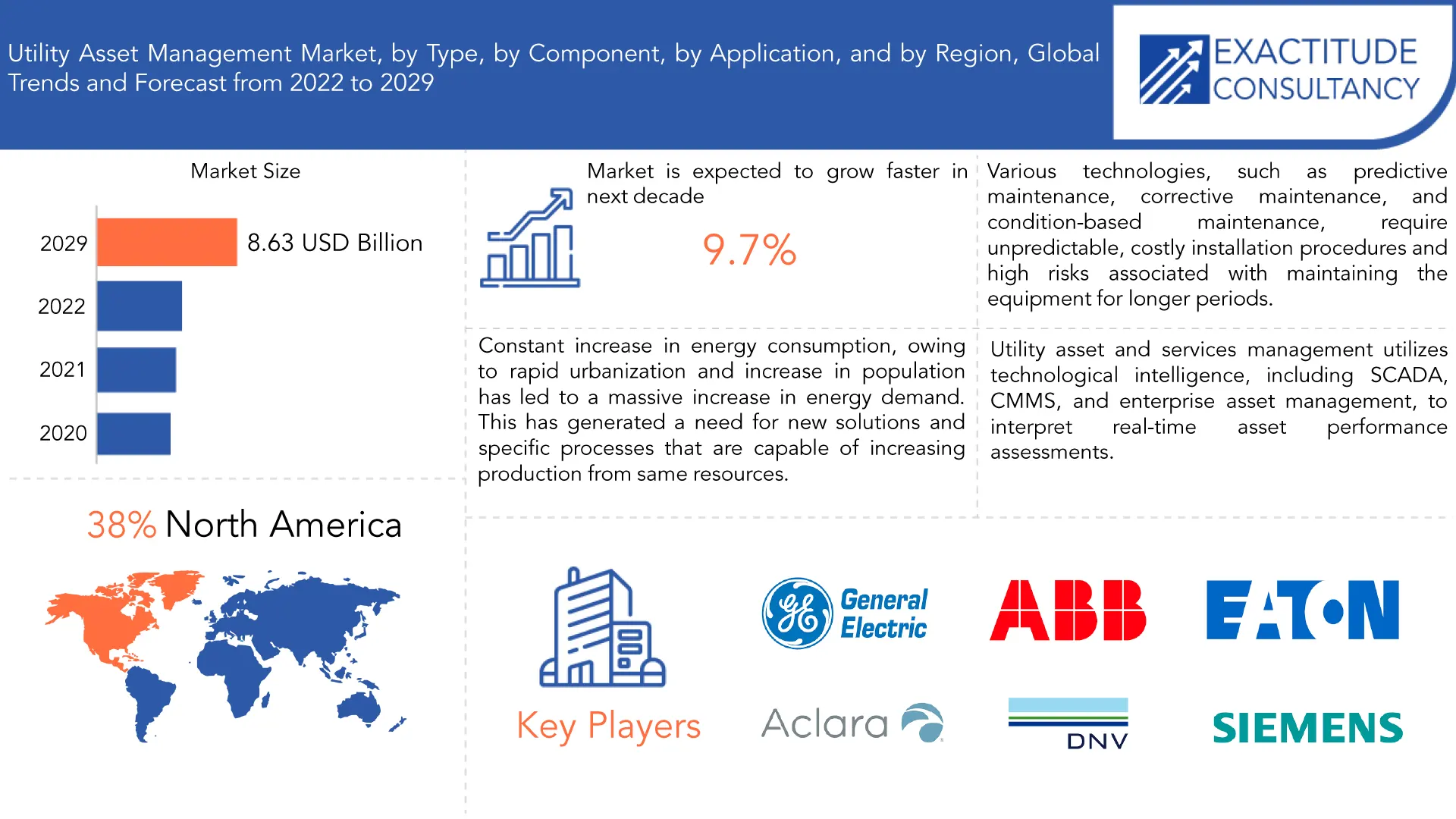
The utility asset management market is expected to grow at 9.7% CAGR from 2023 to 2029. It is expected to reach above USD 8.63 billion by 2029 from USD 3.75 billion in 2020.
Through utility asset management, electrical utilities can monitor and analyses important assets, usage, trailing age, maintenance history, and a variety of other variables. A utility management system lowers the likelihood of equipment failure since it relies on knowledge analytics and condition-based maintenance. Deregulation of the electrical industry across a number of nations has aided a number of private entities that are managing their strategic aims to lower the cost of power to clients and to own minimum losses to their business by monitoring and tracking their network at regular intervals.
Strong utility asset management assures compliance with environmental, health, and safety regulations, superior service, and increased safety for both people and equipment. The utility asset management industry is driven by an increase in energy consumption, ageing infrastructure, a rise in distributed energy resources, and the requirement for efficient and dependable energy. IoT and AI technology use in utility asset management for better insights also creates attractive potential for the expansion of the global market. The utilities asset management market is growing, but it is being constrained by a lack of competent labour and expensive implementation costs.
Energy demand has greatly increased as a result of the continuous rise in energy consumption caused by increasing urbanization and population growth. This has led to a demand for fresh ideas and particular procedures that can boost output while using the same resources. Asset and energy management solutions help smart grids efficiently handle rising demand while extracting greater value from the system. As a result, the adoption of asset management in the energy and utilities sectors is driven by the rise in energy consumption. For instance, the International Energy Agency predicts a 2.7% increase in global electricity use between 2022 and 2024.
| ATTRIBUTE | DETAILS |
| Study period | 2020-2029 |
| Base year | 2021 |
| Estimated year | 2022 |
| Forecasted year | 2022-2029 |
| Historical period | 2018-2020 |
| Unit | Value (USD Billion). |
| Segmentation | By Type, By Component, By Application, By Region. |
| By Type
|
|
| By Component
|
|
| By Application
|
|
| By Region
|
|
Numerous technologies, including condition-based maintenance, corrective maintenance, and predictive maintenance, demand unpredictable, expensive installation procedures and come with significant risks when used to maintain equipment over extended periods of time. These variables may restrict market expansion. Lack of exact technical expertise while installing the tools and connecting the hardware, combined with mistakes when prioritizing the functional layouts, can significantly lower the system's performance, perhaps leading to over-maintenance.
Smart asset management may enhance operational performance in a number of ways by fusing artificial intelligence and big data analytics. Utilities can save their operating and maintenance expenses by using a smart asset management system (SAM). Regulatory restrictions, the importance of the asset, and other considerations should help companies set priorities. In order to understand real-time asset performance assessments, utility asset and services management makes use of technological intelligence, such as SCADA, CMMS, and enterprise asset management.
Utility asset management has been impacted by the COVID-19 epidemic, much like many other sectors. Due to the entire shutdown of major trade companies, processing facilities, and industrial businesses, there is a decrease in demand for electricity. The utility asset management sector has experienced a modest decline as a result during COVID-19. For instance, the U.S. Energy Information Administration (EIA) reports that as a result of many firms remaining closed as a result of COVID-19, power sales in the commercial sector fell by 4.7% in 2020. However, due to the increased use of remote working and process automation in the utilities sector globally, the market is anticipated to expand quickly after the pandemic.
[caption id="attachment_24052" align="aligncenter" width="1920"]
Frequently Asked Questions
• What is the worth of utility asset management market?
The utility asset management market is expected to grow at 9.7 % CAGR from 2022 to 2029. It is expected to reach above USD 8.63 Billion by 2029 from USD 3.75 Billion in 2020.
• What is the size of the North America utility asset management application?
North America held more than 38 % of the utility asset management market revenue share in 2021 and will witness expansion in the forecast period.
• What are some of the market's driving forces?
Energy demand has greatly increased as a result of the continuous rise in energy consumption caused by increasing urbanization and population growth. This has led to a demand for fresh ideas and particular procedures that can boost output while using the same resources.
• Which are the top companies to hold the market share in utility asset management market?
The utility asset management market key players includes General Electric, ABB, Eaton, Siemens, DNV GL, Aclara Technologies, Sentient Energy, IBM, Hitachi Energy, Black & Veatch.
• What is the leading application of utility asset management market?
Transformer, sub-station, transmission, and distribution lines are the market segments for utility asset management depending on application. Under the category of transformer utility asset and services management, the utility asset management market's growth was noticeably high in 2021.
• Which is the largest regional market for utility asset management market?
In 2021, North America dominated the worldwide UAM market. The market in the area will probably be driven by the deregulation of the electric sector. By continuously monitoring and measuring their networks, private organisations have been able to achieve their strategic goals to lower the cost of electricity for end users and to have minimal losses as a result of the deregulation of the power sector in many different countries.
Utility Asset Management Market Segment Analysis
The utility asset management market is segmented based on type, component and application.
The market is divided into public utility and private utility according to kind. The private utility category, which commanded the largest market share in 2021, is anticipated to continue to rule throughout the projection period. The prognosis for the category is expected to be favorable due to the huge energy networks operated by private enterprises and the rising investments made to revolutionize the grid and reduce power outage issues.
Software, hardware, and services make up the three segments that make up the market. The demand for remote and mobile detection, inspection, and diagnostic tools in huge networks is expected to drive the growth of the software sector in the market in 2021. Asset management software has been introduced by significant market participants. As an illustration, IBM's Maximo application suite is a single, integrated cloud-based platform that leverages IoT, AI, and analytics to improve performance, prolong the lifecycles of essential assets, and reduce operational downtime and costs. Additionally, it provides improved reliability thanks to AI-driven monitoring, inspection, and preventative maintenance systems.
Transformer, sub-station, transmission, and distribution lines are the market segments for utility asset management depending on application. Under the category of transformer utility asset and services management, the utility asset management market's growth was noticeably high in 2021. Transformers need routine inspection and maintenance in order to provide a steady supply of electricity to end users and distribution centers. Due to they run continuously, distribution transformers are the most widely used transformers worldwide.
[caption id="attachment_24063" align="aligncenter" width="1920"]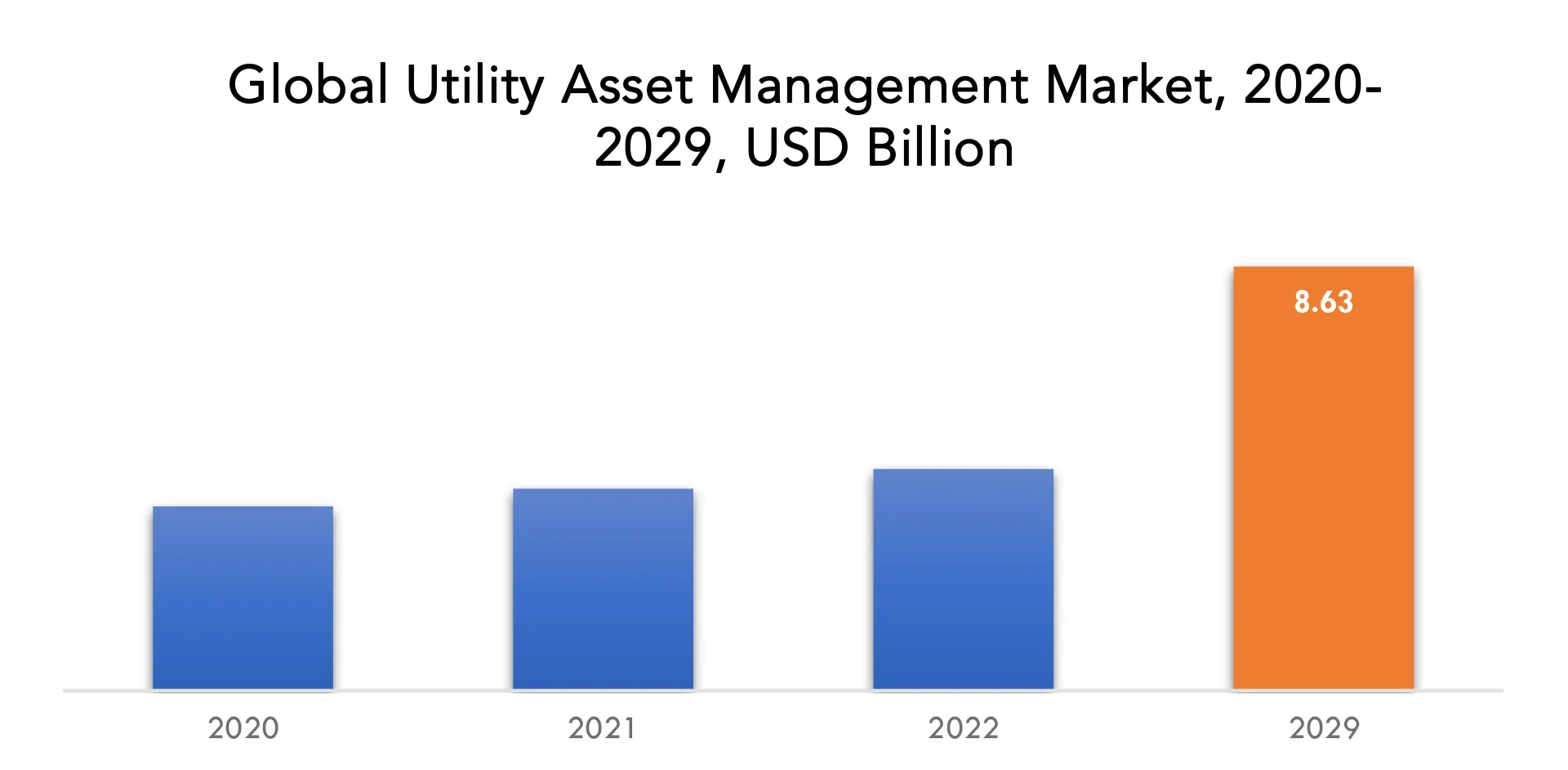
Utility asset management Market Player
The utility asset management market key players includes General Electric, ABB, Eaton, Siemens, DNV GL, Aclara Technologies, Sentient Energy, IBM, Hitachi Energy, Black & Veatch.
16 February 2023: Siemens announced the launch of private industrial 5G user equipment, a critical component for the manufacturing industry in its digital transformation journey.
17 August 2021: Siemens Limited and Tata Power Delhi Distribution Limited (Tata Power-DDL) jointly announced the successful deployment of Smart Metering Technology for over 2,00,000 Smart Meters in North Delhi.
Who Should Buy? Or Key Stakeholders
- Utility asset management producers
- Raw material suppliers
- Retailers, wholesalers, and distributors
- Governments, associations, and industrial bodies
- Others
Utility Asset Management Market Regional Analysis
The utility asset management market by region includes North America, Asia-Pacific (APAC), Europe, South America, and Middle East & Africa (MEA).
- North America: includes the US, Canada, Mexico
- Asia Pacific: includes China, Japan, South Korea, India, Australia, ASEAN and Rest of APAC
- Europe: includes UK, Germany, France, Italy, Spain, Russia, and Rest of Europe
- South America: includes Brazil, Argentina and Rest of South America
- Middle East & Africa: includes Turkey, UAE, Saudi Arabia, South Africa, and Rest of MEA
In 2021, North America dominated the worldwide UAM market. The market in the area will probably be driven by the deregulation of the electric sector. By continuously monitoring and measuring their networks, private organisations have been able to achieve their strategic goals to lower the cost of electricity for end users and to have minimal losses as a result of the deregulation of the power sector in many different countries.
Additionally, Asia Pacific also controlled a sizeable portion of the market in 2021. The upgrading of electricity distribution and transmission infrastructure through the installation of automated monitoring and tracking systems is one of the elements influencing the market's expansion. Fertiliser, automotive, petrochemical, and chemical industries are all expanding steadily in the area, which has boosted demand for power and necessitated appropriate maintenance of the grid's many parts.
[caption id="attachment_24067" align="aligncenter" width="1920"]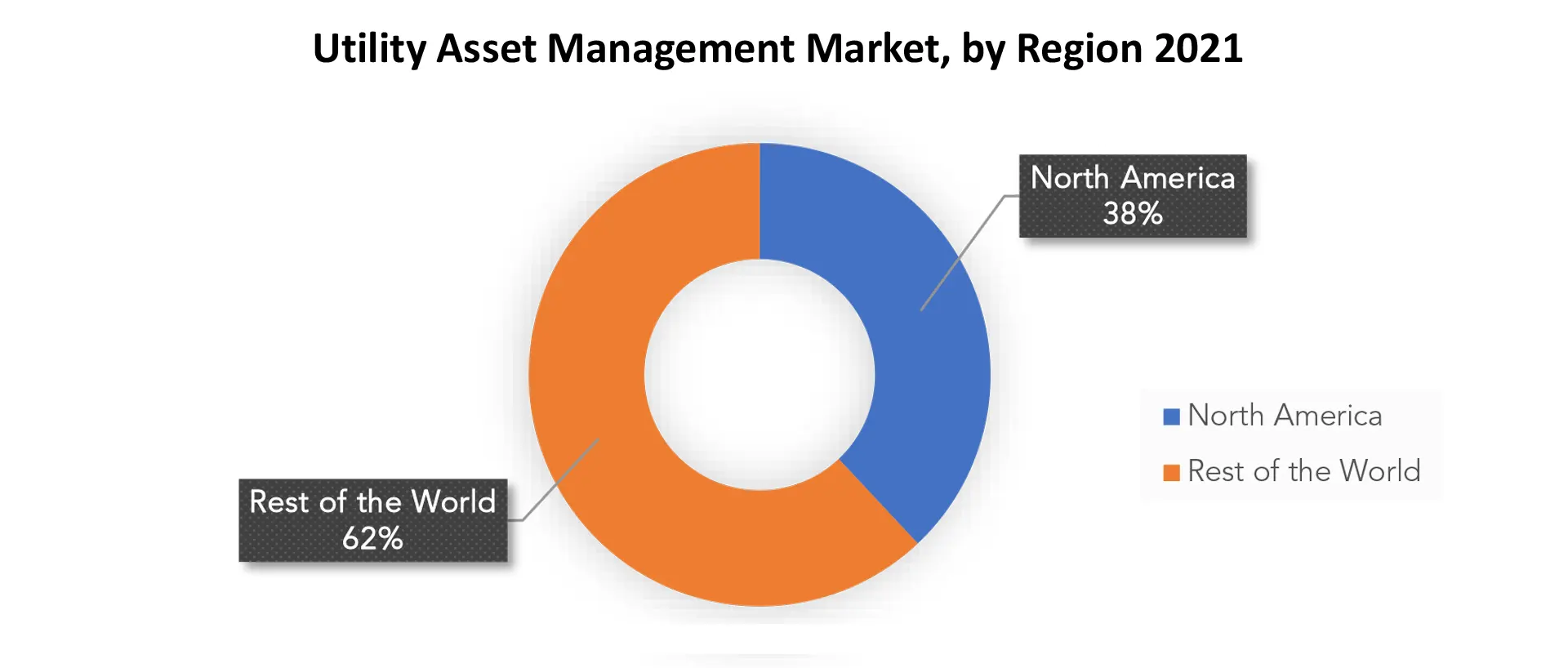
Key Market Segments: Utility Asset Management Market
Utility Asset Management Market By Type, 2020-2029, (USD Billion).- Public Utility
- Private Utility
- Software
- Hardware
- Services
- Transformer
- Sub-Station
- Transmission & Distribution Lines
- North America
- Asia Pacific
- Europe
- South America
- Middle East And Africa
Exactitude Consultancy Components Key Objectives:
- Increasing sales and market share
- Developing new technology
- Improving profitability
- Entering new markets
- Enhancing brand reputation
Key Question Answered
- What is the expected growth rate of the utility asset management market over the next 7 years?
- Who are the major players in the utility asset management market and what is their market share?
- What are the end-user industries driving demand for market and what is their outlook?
- What are the opportunities for growth in emerging markets such As Asia-Pacific, Middle East, and Africa?
- How is the economic environment affecting the utility asset management market, including factors such as interest rates, inflation, and exchange rates?
- What is the expected impact of government policies and regulations on the utility asset management market?
- What is the current and forecasted size and growth rate of the global utility asset management market?
- What are the key drivers of growth in the utility asset management market?
- What are the distribution channels and supply chain dynamics in the utility asset management market?
- What are the technological advancements and innovations in the utility asset management market and their impact on component development and growth?
- What are the regulatory considerations and their impact on the market?
- What are the challenges faced by players in the utility asset management market and how are they addressing these challenges?
- What are the opportunities for growth and expansion in the utility asset management market?
- What are the services offerings and specifications of leading players in the market?
- INTRODUCTION
- MARKET DEFINITION
- MARKET SEGMENTATION
- RESEARCH TIMELINES
- ASSUMPTIONS AND LIMITATIONS
- RESEARCH METHODOLOGY
- DATA MINING
- SECONDARY RESEARCH
- PRIMARY RESEARCH
- SUBJECT-MATTER EXPERTS’ ADVICE
- QUALITY CHECKS
- FINAL REVIEW
- DATA TRIANGULATION
- BOTTOM-UP APPROACH
- TOP-DOWN APPROACH
- RESEARCH FLOW
- DATA SOURCES
- DATA MINING
- EXECUTIVE SUMMARY
- MARKET OVERVIEW
- GLOBAL UTILITY ASSET MANAGEMENT MARKET OUTLOOK
- MARKET DRIVERS
- MARKET RESTRAINTS
- MARKET OPPORTUNITIES
- IMPACT OF COVID-19 ON UTILITY ASSET MANAGEMENT MARKET
- PORTER’S FIVE FORCES MODEL
- THREAT FROM NEW ENTRANTS
- THREAT FROM SUBSTITUTES
- BARGAINING POWER OF SUPPLIERS
- BARGAINING POWER OF CUSTOMERS
- DEGREE OF COMPETITION
- INDUSTRY VALUE CHAIN ANALYSIS
- GLOBAL UTILITY ASSET MANAGEMENT MARKET OUTLOOK
- GLOBAL UTILITY ASSET MANAGEMENT MARKET BY TYPE (USD BILLION), 2020-2029
- PUBLIC UTILITY
- PRIVATE UTILITY
- GLOBAL UTILITY ASSET MANAGEMENT MARKET BY COMPONENT (USD BILLION),2020-2029
- SOFTWARE
- HARDWARE
- SERVICES
- GLOBAL UTILITY ASSET MANAGEMENT MARKET BY APPLICATION (USD BILLION),2020-2029
- TRANSFORMER
- SUB-STATION
- TRANSMISSION & DISTRIBUTION LINES
- GLOBAL UTILITY ASSET MANAGEMENT MARKET BY REGION (USD BILLION),2020-2029
- NORTH AMERICA
- US
- CANADA
- MEXICO
- SOUTH AMERICA
- BRAZIL
- ARGENTINA
- COLOMBIA
- REST OF SOUTH AMERICA
- EUROPE
- GERMANY
- UK
- FRANCE
- ITALY
- SPAIN
- RUSSIA
- REST OF EUROPE
- ASIA PACIFIC
- INDIA
- CHINA
- JAPAN
- SOUTH KOREA
- AUSTRALIA
- SOUTH-EAST ASIA
- REST OF ASIA PACIFIC
- MIDDLE EAST AND AFRICA
- UAE
- SAUDI ARABIA
- SOUTH AFRICA
- REST OF MIDDLE EAST AND AFRICA
- NORTH AMERICA
- COMPANY PROFILES*
(BUSINESS OVERVIEW, COMPANY SNAPSHOT, PRODUCTS OFFERED, RECENT DEVELOPMENTS)
- GENERAL ELECTRIC
- ABB
- EATON
- SIEMENS
- DNV GL
- ACLARA TECHNOLOGIES
- SENTIENT ENERGY
- IBM
- HITACHI ENERGY
- BLACK & VEATCH
*THE COMPANY LIST IS INDICATIVE
LIST OF TABLES
TABLE 1 GLOBAL UTILITY ASSET MANAGEMENT MARKET BY TYPE (USD BILLION) 2020-2029
TABLE 2 GLOBAL UTILITY ASSET MANAGEMENT MARKET BY COMPONENT (USD BILLION) 2020-2029
TABLE 3 GLOBAL UTILITY ASSET MANAGEMENT MARKET BY APPLICATION (USD BILLION) 2020-2029
TABLE 4 GLOBAL UTILITY ASSET MANAGEMENT MARKET BY REGION (USD BILLION) 2020-2029
TABLE 5 NORTH AMERICA UTILITY ASSET MANAGEMENT MARKET BY COUNTRY (USD BILLION) 2020-2029
TABLE 6 NORTH AMERICA UTILITY ASSET MANAGEMENT MARKET BY TYPE (USD BILLION) 2020-2029
TABLE 7 NORTH AMERICA UTILITY ASSET MANAGEMENT MARKET BY COMPONENT (USD BILLION) 2020-2029
TABLE 8 NORTH AMERICA UTILITY ASSET MANAGEMENT MARKET BY APPLICATION (USD BILLION) 2020-2029
TABLE 9 US UTILITY ASSET MANAGEMENT MARKET BY TYPE (USD BILLION) 2020-2029
TABLE 10 US UTILITY ASSET MANAGEMENT MARKET BY COMPONENT (USD BILLION) 2020-2029
TABLE 11 US UTILITY ASSET MANAGEMENT MARKET BY APPLICATION (USD BILLION) 2020-2029
TABLE 12 CANADA UTILITY ASSET MANAGEMENT MARKET BY TYPE (USD BILLION) 2020-2029
TABLE 13 CANADA UTILITY ASSET MANAGEMENT MARKET BY COMPONENT (USD BILLION) 2020-2029
TABLE 14 CANADA UTILITY ASSET MANAGEMENT MARKET BY APPLICATION (USD BILLION) 2020-2029
TABLE 15 MEXICO UTILITY ASSET MANAGEMENT MARKET BY TYPE (USD BILLION) 2020-2029
TABLE 16 MEXICO UTILITY ASSET MANAGEMENT MARKET BY COMPONENT (USD BILLION) 2020-2029
TABLE 17 MEXICO UTILITY ASSET MANAGEMENT MARKET BY APPLICATION (USD BILLION) 2020-2029
TABLE 18 SOUTH AMERICA UTILITY ASSET MANAGEMENT MARKET BY COUNTRY (USD BILLION) 2020-2029
TABLE 19 SOUTH AMERICA UTILITY ASSET MANAGEMENT MARKET BY TYPE (USD BILLION) 2020-2029
TABLE 20 SOUTH AMERICA UTILITY ASSET MANAGEMENT MARKET BY COMPONENT (USD BILLION) 2020-2029
TABLE 21 SOUTH AMERICA UTILITY ASSET MANAGEMENT MARKET BY APPLICATION (USD BILLION) 2020-2029
TABLE 22 BRAZIL UTILITY ASSET MANAGEMENT MARKET BY TYPE (USD BILLION) 2020-2029
TABLE 23 BRAZIL UTILITY ASSET MANAGEMENT MARKET BY COMPONENT (USD BILLION) 2020-2029
TABLE 24 BRAZIL UTILITY ASSET MANAGEMENT MARKET BY APPLICATION (USD BILLION) 2020-2029
TABLE 25 ARGENTINA UTILITY ASSET MANAGEMENT MARKET BY TYPE (USD BILLION) 2020-2029
TABLE 26 ARGENTINA UTILITY ASSET MANAGEMENT MARKET BY COMPONENT (USD BILLION) 2020-2029
TABLE 27 ARGENTINA UTILITY ASSET MANAGEMENT MARKET BY APPLICATION (USD BILLION) 2020-2029
TABLE 28 COLOMBIA UTILITY ASSET MANAGEMENT MARKET BY TYPE (USD BILLION) 2020-2029
TABLE 29 COLOMBIA UTILITY ASSET MANAGEMENT MARKET BY COMPONENT (USD BILLION) 2020-2029
TABLE 30 COLOMBIA UTILITY ASSET MANAGEMENT MARKET BY APPLICATION (USD BILLION) 2020-2029
TABLE 31 REST OF SOUTH AMERICA UTILITY ASSET MANAGEMENT MARKET BY TYPE (USD BILLION) 2020-2029
TABLE 32 REST OF SOUTH AMERICA UTILITY ASSET MANAGEMENT MARKET BY COMPONENT (USD BILLION) 2020-2029
TABLE 33 REST OF SOUTH AMERICA UTILITY ASSET MANAGEMENT MARKET BY APPLICATION (USD BILLION) 2020-2029
TABLE 34 ASIA-PACIFIC UTILITY ASSET MANAGEMENT MARKET BY COUNTRY (USD BILLION) 2020-2029
TABLE 35 ASIA-PACIFIC UTILITY ASSET MANAGEMENT MARKET BY TYPE (USD BILLION) 2020-2029
TABLE 36 ASIA-PACIFIC UTILITY ASSET MANAGEMENT MARKET BY COMPONENT (USD BILLION) 2020-2029
TABLE 37 ASIA-PACIFIC UTILITY ASSET MANAGEMENT MARKET BY APPLICATION (USD BILLION) 2020-2029
TABLE 38 INDIA UTILITY ASSET MANAGEMENT MARKET BY TYPE (USD BILLION) 2020-2029
TABLE 39 INDIA UTILITY ASSET MANAGEMENT MARKET BY COMPONENT (USD BILLION) 2020-2029
TABLE 40 INDIA UTILITY ASSET MANAGEMENT MARKET BY APPLICATION (USD BILLION) 2020-2029
TABLE 41 CHINA UTILITY ASSET MANAGEMENT MARKET BY TYPE (USD BILLION) 2020-2029
TABLE 42 CHINA UTILITY ASSET MANAGEMENT MARKET BY COMPONENT (USD BILLION) 2020-2029
TABLE 43 CHINA UTILITY ASSET MANAGEMENT MARKET BY APPLICATION (USD BILLION) 2020-2029
TABLE 44 JAPAN UTILITY ASSET MANAGEMENT MARKET BY TYPE (USD BILLION) 2020-2029
TABLE 45 JAPAN UTILITY ASSET MANAGEMENT MARKET BY COMPONENT (USD BILLION) 2020-2029
TABLE 46 JAPAN UTILITY ASSET MANAGEMENT MARKET BY APPLICATION (USD BILLION) 2020-2029
TABLE 47 SOUTH KOREA UTILITY ASSET MANAGEMENT MARKET BY TYPE (USD BILLION) 2020-2029
TABLE 48 SOUTH KOREA UTILITY ASSET MANAGEMENT MARKET BY COMPONENT (USD BILLION) 2020-2029
TABLE 49 SOUTH KOREA UTILITY ASSET MANAGEMENT MARKET BY APPLICATION (USD BILLION) 2020-2029
TABLE 50 AUSTRALIA UTILITY ASSET MANAGEMENT MARKET BY TYPE (USD BILLION) 2020-2029
TABLE 51 AUSTRALIA UTILITY ASSET MANAGEMENT MARKET BY COMPONENT (USD BILLION) 2020-2029
TABLE 52 AUSTRALIA UTILITY ASSET MANAGEMENT MARKET BY APPLICATION (USD BILLION) 2020-2029
TABLE 53 SOUTH-EAST ASIA UTILITY ASSET MANAGEMENT MARKET BY TYPE (USD BILLION) 2020-2029
TABLE 54 SOUTH-EAST ASIA UTILITY ASSET MANAGEMENT MARKET BY COMPONENT (USD BILLION) 2020-2029
TABLE 55 SOUTH-EAST ASIA UTILITY ASSET MANAGEMENT MARKET BY APPLICATION (USD BILLION) 2020-2029
TABLE 56 REST OF ASIA PACIFIC UTILITY ASSET MANAGEMENT MARKET BY TYPE (USD BILLION) 2020-2029
TABLE 57 REST OF ASIA PACIFIC UTILITY ASSET MANAGEMENT MARKET BY COMPONENT (USD BILLION) 2020-2029
TABLE 58 REST OF ASIA PACIFIC UTILITY ASSET MANAGEMENT MARKET BY APPLICATION (USD BILLION) 2020-2029
TABLE 59 EUROPE UTILITY ASSET MANAGEMENT MARKET BY TYPE (USD BILLION), 2020-2029
TABLE 60 EUROPE UTILITY ASSET MANAGEMENT MARKET BY COMPONENT (USD BILLION), 2020-2029
TABLE 61 EUROPE UTILITY ASSET MANAGEMENT MARKET BY APPLICATION (USD BILLION), 2020-2029
TABLE 62 EUROPE UTILITY ASSET MANAGEMENT MARKET BY COUNTRY (USD BILLION), 2020-2029
TABLE 63 GERMANY UTILITY ASSET MANAGEMENT MARKET BY TYPE (USD BILLION), 2020-2029
TABLE 64 GERMANY UTILITY ASSET MANAGEMENT MARKET BY COMPONENT (USD BILLION), 2020-2029
TABLE 65 GERMANY UTILITY ASSET MANAGEMENT MARKET BY APPLICATION (USD BILLION), 2020-2029
TABLE 66 UK UTILITY ASSET MANAGEMENT MARKET BY TYPE (USD BILLION), 2020-2029
TABLE 67 UK UTILITY ASSET MANAGEMENT MARKET BY COMPONENT (USD BILLION), 2020-2029
TABLE 68 UK UTILITY ASSET MANAGEMENT MARKET BY APPLICATION (USD BILLION), 2020-2029
TABLE 69 FRANCE UTILITY ASSET MANAGEMENT MARKET BY TYPE (USD BILLION), 2020-2029
TABLE 70 FRANCE UTILITY ASSET MANAGEMENT MARKET BY COMPONENT (USD BILLION), 2020-2029
TABLE 71 FRANCE UTILITY ASSET MANAGEMENT MARKET BY APPLICATION (USD BILLION), 2020-2029
TABLE 72 ITALY UTILITY ASSET MANAGEMENT MARKET BY TYPE (USD BILLION), 2020-2029
TABLE 73 ITALY UTILITY ASSET MANAGEMENT MARKET BY COMPONENT (USD BILLION), 2020-2029
TABLE 74 ITALY UTILITY ASSET MANAGEMENT MARKET BY APPLICATION (USD BILLION), 2020-2029
TABLE 75 SPAIN UTILITY ASSET MANAGEMENT MARKET BY TYPE (USD BILLION), 2020-2029
TABLE 76 SPAIN UTILITY ASSET MANAGEMENT MARKET BY COMPONENT (USD BILLION), 2020-2029
TABLE 77 SPAIN UTILITY ASSET MANAGEMENT MARKET BY APPLICATION (USD BILLION), 2020-2029
TABLE 78 RUSSIA UTILITY ASSET MANAGEMENT MARKET BY TYPE (USD BILLION), 2020-2029
TABLE 79 RUSSIA UTILITY ASSET MANAGEMENT MARKET BY COMPONENT (USD BILLION), 2020-2029
TABLE 80 RUSSIA UTILITY ASSET MANAGEMENT MARKET BY APPLICATION (USD BILLION), 2020-2029
TABLE 81 REST OF EUROPE UTILITY ASSET MANAGEMENT MARKET BY TYPE (USD BILLION), 2020-2029
TABLE 82 REST OF EUROPE UTILITY ASSET MANAGEMENT MARKET BY COMPONENT (USD BILLION), 2020-2029
TABLE 83 REST OF EUROPE UTILITY ASSET MANAGEMENT MARKET BY APPLICATION (USD BILLION), 2020-2029
TABLE 84 MIDDLE EAST AND AFRICA UTILITY ASSET MANAGEMENT MARKET BY TYPE (USD BILLION), 2020-2029
TABLE 85 MIDDLE EAST AND AFRICA UTILITY ASSET MANAGEMENT MARKET BY COMPONENT (USD BILLION), 2020-2029
TABLE 86 MIDDLE EAST AND AFRICA UTILITY ASSET MANAGEMENT MARKET BY APPLICATION (USD BILLION), 2020-2029
TABLE 87 MIDDLE EAST AND AFRICA UTILITY ASSET MANAGEMENT MARKET BY COUNTRY (USD BILLION), 2020-2029
TABLE 88 UAE UTILITY ASSET MANAGEMENT MARKET BY TYPE (USD BILLION), 2020-2029
TABLE 89 UAE UTILITY ASSET MANAGEMENT MARKET BY COMPONENT (USD BILLION), 2020-2029
TABLE 90 UAE UTILITY ASSET MANAGEMENT MARKET BY APPLICATION (USD BILLION), 2020-2029
TABLE 91 SAUDI ARABIA UTILITY ASSET MANAGEMENT MARKET BY TYPE (USD BILLION), 2020-2029
TABLE 92 SAUDI ARABIA UTILITY ASSET MANAGEMENT MARKET BY COMPONENT (USD BILLION), 2020-2029
TABLE 93 SAUDI ARABIA UTILITY ASSET MANAGEMENT MARKET BY APPLICATION (USD BILLION), 2020-2029
TABLE 94 SOUTH AFRICA UTILITY ASSET MANAGEMENT MARKET BY TYPE (USD BILLION), 2020-2029
TABLE 95 SOUTH AFRICA UTILITY ASSET MANAGEMENT MARKET BY COMPONENT (USD BILLION), 2020-2029
TABLE 96 SOUTH AFRICA UTILITY ASSET MANAGEMENT MARKET BY APPLICATION (USD BILLION), 2020-2029
TABLE 97 REST OF MIDDLE EAST AND AFRICA UTILITY ASSET MANAGEMENT MARKET BY TYPE (USD BILLION), 2020-2029
TABLE 98 REST OF MIDDLE EAST AND AFRICA UTILITY ASSET MANAGEMENT MARKET BY COMPONENT (USD BILLION), 2020-2029
TABLE 99 REST OF MIDDLE EAST AND AFRICA UTILITY ASSET MANAGEMENT MARKET BY APPLICATION (USD BILLION), 2020-2029
LIST OF FIGURES
FIGURE 1 MARKET DYNAMICS
FIGURE 2 MARKET SEGMENTATION
FIGURE 3 REPORT TIMELINES: YEARS CONSIDERED
FIGURE 4 DATA TRIANGULATION
FIGURE 5 BOTTOM-UP APPROACH
FIGURE 6 TOP-DOWN APPROACH
FIGURE 7 RESEARCH FLOW
FIGURE 8 GLOBAL UTILITY ASSET MANAGEMENT MARKET BY TYPE, USD BILLION, 2020-2029
FIGURE 9 GLOBAL UTILITY ASSET MANAGEMENT MARKET BY COMPONENT, USD BILLION, 2020-2029
FIGURE 10 GLOBAL UTILITY ASSET MANAGEMENT MARKET BY APPLICATION, USD BILLION, 2020-2029
FIGURE 11 GLOBAL UTILITY ASSET MANAGEMENT MARKET BY REGION, USD BILLION, 2020-2029
FIGURE 12 PORTER’S FIVE FORCES MODEL
FIGURE 13 GLOBAL UTILITY ASSET MANAGEMENT MARKET BY TYPE, USD BILLION, 2021
FIGURE 14 GLOBAL UTILITY ASSET MANAGEMENT MARKET BY COMPONENT, USD BILLION, 2021
FIGURE 15 GLOBAL UTILITY ASSET MANAGEMENT MARKET BY APPLICATION, USD BILLION, 2021
FIGURE 16 GLOBAL UTILITY ASSET MANAGEMENT MARKET BY REGION, USD BILLION, 2021
FIGURE 17 MARKET SHARE ANALYSIS
FIGURE 18 GENERAL ELECTRIC: COMPANY SNAPSHOT
FIGURE 19 ABB: COMPANY SNAPSHOT
FIGURE 20 EATON: COMPANY SNAPSHOT
FIGURE 21 SIEMENS: COMPANY SNAPSHOT
FIGURE 22 DNV GL: COMPANY SNAPSHOT
FIGURE 23 ACLARA TECHNOLOGIES: COMPANY SNAPSHOT
FIGURE 24 SENTIENT ENERGY: COMPANY SNAPSHOT
FIGURE 25 IBM: COMPANY SNAPSHOT
FIGURE 26 HITACHI ENERGY: COMPANY SNAPSHOT
FIGURE 27 BLACK & VEATCH: COMPANY SNAPSHOT
DOWNLOAD FREE SAMPLE REPORT
License Type
SPEAK WITH OUR ANALYST
Want to know more about the report or any specific requirement?
WANT TO CUSTOMIZE THE REPORT?
Our Clients Speak
We asked them to research ‘ Equipment market’ all over the world, and their whole arrangement was helpful to us. thehealthanalytics.com insightful analysis and reports contributed to our current analysis and in creating a future strategy. Besides, the te
Yosuke Mitsui
Senior Associate Construction Equipment Sales & Marketing
We asked them to research ‘Equipment market’ all over the world, and their whole arrangement was helpful to us. thehealthanalytics.com insightful analysis and reports contributed to our current analysis and in creating a future strategy. Besides, the te