

Base Year Value ()
x.x %
x.x %
CAGR ()
x.x %
x.x %
Forecast Year Value ()
x.x %
x.x %
Historical Data Period
Largest Region
Forecast Period
Mercado de conservantes de madera por formulación (a base de agua, a base de solvente, a base de aceite), por aplicación (residencial, comercial, industrial) y región, tendencias globales y pronóstico de 2022 a 2029
Instant access to hundreds of data points and trends
- Market estimates from 2014-2029
- Competitive analysis, industry segmentation, financial benchmarks
- Incorporates SWOT, Porter's Five Forces and risk management frameworks
- PDF report or online database with Word, Excel and PowerPoint export options
- 100% money back guarantee
Descripción general del mercado de conservantes de madera
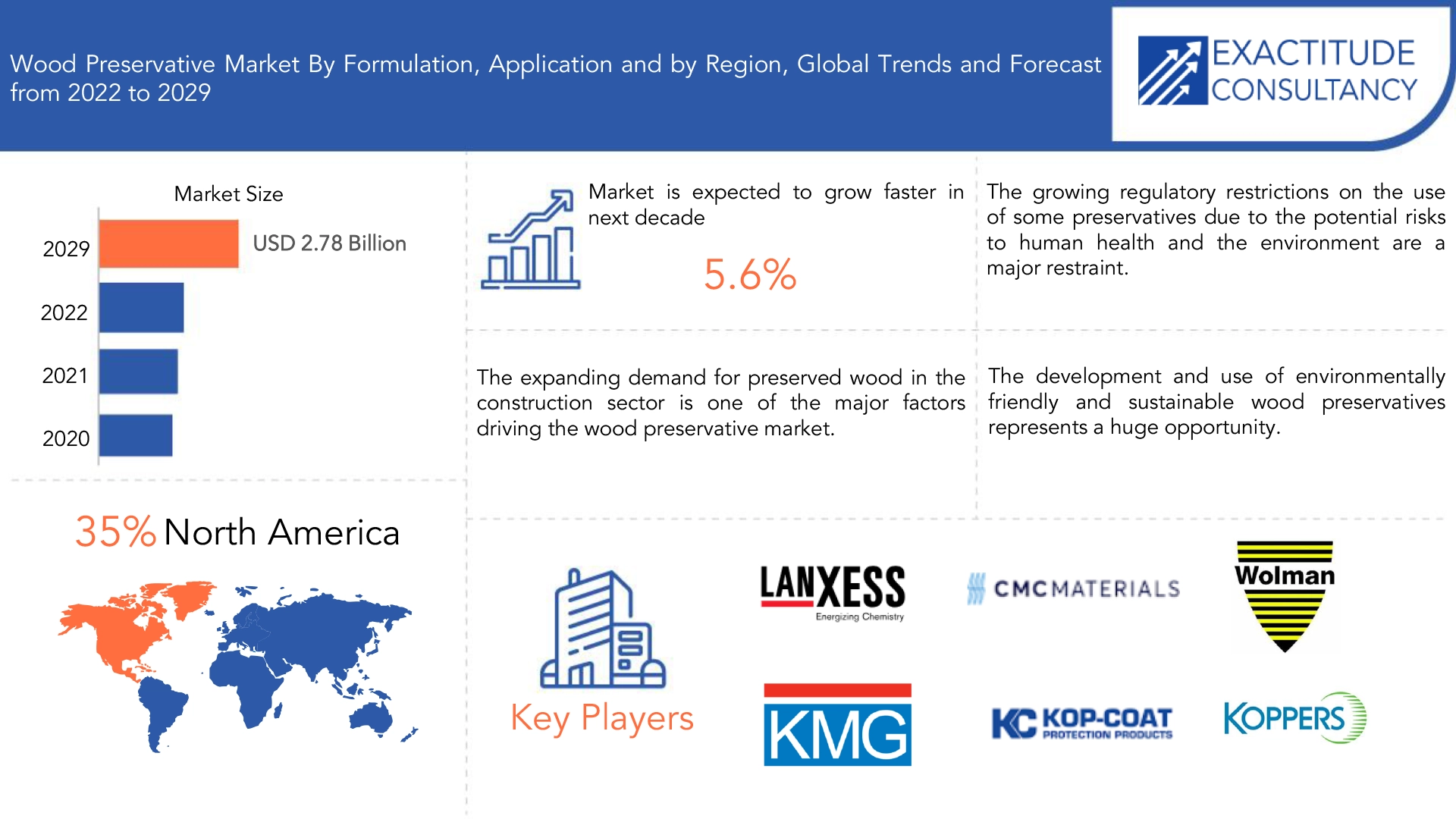
Se espera que el mercado de conservantes de madera crezca a una tasa anual compuesta del 5,6 % entre 2022 y 2029. Se espera que alcance más de 2780 millones de dólares en 2029 desde 1300 millones de dólares en 2020.
Los conservantes para madera son sustancias químicas que se aplican a la madera para protegerla de la putrefacción, los insectos y otros tipos de daños. Son esenciales para prolongar la vida de la madera y garantizar su resistencia en una variedad de usos, incluida la construcción, la creación de muebles y los edificios al aire libre. Los conservantes funcionan al penetrar en la madera y formar una barrera de protección. Se pueden dividir en dos grupos: conservantes a base de aceite y conservantes a base de agua. La creosota y el pentaclorofenol son dos conservantes a base de aceite que son eficaces para evitar la descomposición y el ataque de insectos, pero su uso está restringido debido a su toxicidad y los riesgos ambientales.
[título id="attachment_28195" align="aligncenter" width="1920"]
Por otra parte, en la actualidad se utilizan cada vez más conservantes a base de agua. Entre ellos se encuentran sustancias como biocidas orgánicos (como los boratos) y compuestos de cobre (como el azol de cobre y el cuartil de cobre). Estos conservantes son menos nocivos para el medio ambiente y menos tóxicos. Los conservantes para madera ofrecen una serie de ventajas. En primer lugar, protegen la madera contra el deterioro por hongos, que puede debilitar y comprometer en gran medida la integridad estructural. Mantienen alejados a los insectos que se alimentan de madera, como las termitas, las hormigas carpinteras y otros que pueden causar daños importantes. Al limitar la absorción de humedad, reducen los impactos de la erosión, incluidos el agrietamiento, la deformación y la decoloración.
La creciente demanda de madera preservada en el sector de la construcción es uno de los principales factores que impulsan el mercado de los conservantes de la madera. Los conservantes contribuyen a la longevidad y durabilidad de la madera al evitar la putrefacción y los daños causados por los insectos. La demanda de materiales de construcción duraderos y respetuosos con el medio ambiente está creciendo a medida que se expande la industria de la construcción, especialmente en los países en desarrollo. Además, la demanda de conservantes de madera a base de agua y respetuosos con el medio ambiente está siendo impulsada por la creciente conciencia de la sostenibilidad ambiental. El mercado de conservantes de la madera se está expandiendo como resultado de estas causas y del creciente uso de madera conservada en aplicaciones al aire libre, como cubiertas y cercas.
The growing regulatory restrictions on the use of some preservatives due to the potential risks to human health and the environment are a major restraint. The chemical composition and use of wood preservatives are subject to increased controls from governments and regulatory agencies, which may reduce the options accessible to producers and consumers. The market for wood preservatives is further challenged by the shift towards alternative materials in construction projects, such as steel and composite decking. The demand for preserved wood declines as a result of these substitutes' increased resistance to rot and insect attack. The market's expansion may also be constrained by economic considerations and changes in the price of raw materials.
The development and use of environmentally friendly and sustainable wood preservatives represents a huge opportunity. There is a rising need for preservatives that have less effect on ecosystems and human health as a result of increased environmental concerns. Manufacturers can take advantage of this chance by spending money on R&D to develop safer, water- and bio-based preservatives that satisfy legal criteria and market preferences. Additionally, the market for wood preservatives has a chance due to the growing popularity of outdoor living areas and the need for attractive wooden constructions. Manufacturers can take advantage of this growing market niche by providing preservatives that improve the beauty and durability of wood in outdoor applications like decking and pergolas.
Lockdown operations, disrupted supply chains, and fewer construction projects led to initial market disruptions. The production and delivery of wood preservatives were impeded by the shutdown of manufacturing facilities and transportation constraints. In addition, the pandemic's uncertainty and economic depression reduced the number of construction projects, which had an impact on the market for wood preservatives. However, the need for preserved wood increased as the construction sector gradually recovered and adjusted to new standards. During lockdowns, there was a greater emphasis on outdoor living areas and house repair initiatives, which helped the market recover. Overall, despite the early difficulties brought on by COVID-19, the market has proven resilient and adaptable in the face of the pandemic.
| ATTRIBUTE | DETAILS |
| Study period | 2020-2029 |
| Base year | 2021 |
| Estimated year | 2022 |
| Forecasted year | 2022-2029 |
| Historical period | 2018-2020 |
| Unit | Value (USD Billion, Kilotons) |
| Segmentation | By Formulation, By Application, By Region |
| By Formulation |
|
| By Application |
|
| By Region |
|
Frequently Asked Questions
• What is the worth of wood preservative market?
The wood preservative market size was USD 1.77 Billion in the year 2021
• What is the size of the North America wood preservative industry?
North America held more than 35% of the Wood Preservative market revenue share in 2021 and will witness expansion in the forecast period.
• What are some of the market's driving forces?
The expanding demand for preserved wood in the construction sector is one of the major factors driving the wood preservative market.
• Which are the top companies to hold the market share in wood preservative market?
The wood preservative market key players include e LANXESS AG, Cabot Microelectronics, BASF Wolman GmbH, Borax Inc., KMG Chemicals Inc., Kop-Coat Inc., Koppers Inc., Kurt Obermeier GmbH & Co. KG, Arxada, Remmers AG.
• What is the major application of wood preservative market?
The wood preservative market is dominated by residential applications. The residential market includes a wide range of products, such as outdoor furniture, decking, fencing, and residential building. In order to protect wood from rot, insect damage, and weathering and ensure the longevity and durability of wooden constructions, wood must be preserved in residential contexts.
• Which is the largest regional market for wood preservative market?
North America dominated the wood preservative market in the year 2021.
Wood Preservative Market Segment Analysis
The wood preservative market is segmented based on formulation, application.
[caption id="attachment_28196" align="aligncenter" width="1920"]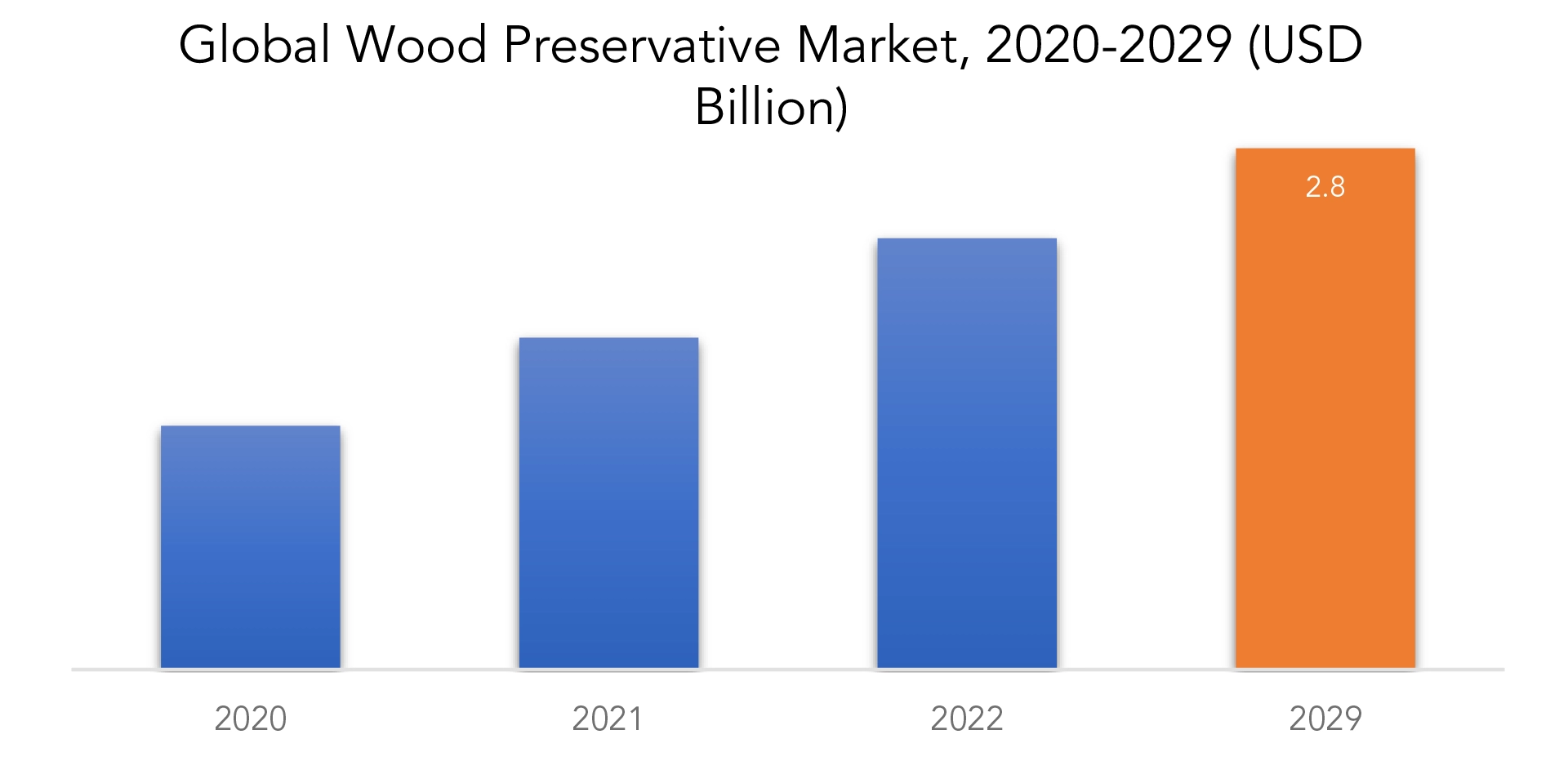
Based on formulation, water-based wood preservatives currently hold the largest market share in the wood preservative industry. Due to its lower toxicity, diminished negative effects on the environment, and simplicity of use, water-based formulations have grown in popularity. In addition to additions like copper compounds and organic biocides, these preservatives use water as their main carrier to shield wood against rot and insect damage. Water-based wood preservatives provide reliable protection while also satisfying legal criteria and consumer demands for safer and environmentally friendly products.
The wood preservative market is dominated by residential applications. The residential market includes a wide range of products, such as outdoor furniture, decking, fencing, and residential building. In order to protect wood from rot, insect damage, and weathering and ensure the longevity and durability of wooden constructions, wood must be preserved in residential contexts. Factors such as the construction of new homes, remodelling and renovation projects, and the rising popularity of outdoor living spaces are what fuel the need for preserved wood in residential applications.
Wood Preservative Market Key Players
The wood preservative market key players include LANXESS AG, Cabot Microelectronics, Wolman GmbH, Borax Inc., KMG Chemicals Inc., Kop-Coat Inc., Koppers Inc., Kurt Obermeier GmbH & Co. KG, Arxada, Remmers AG.
Recent News: February 5, 2022: After having received all necessary regulatory approvals, Sika completed the acquisition of MBCC Group, which includes Wolman Wood and Fire Protection GmbH with the Wolman and Fire Protectors brands. January 5, 2022: Arxada, a leading global specialty chemicals business, announced the completion of the merger with Troy Corporation, a global leader in microbial control solutions and performance additives. The combination, announced on 3 November 2021, creates a comprehensive and innovative offering in Arxada’s Microbial Control Solutions (‘MCS’) business, enabling the delivery of new solutions and value-added services to customers.Wood Preservative Market Regional Analysis
The wood preservative market by region includes North America, Asia-Pacific (APAC), Europe, South America, and Middle East & Africa (MEA).
- North America: includes the US, Canada, Mexico
- Asia Pacific: includes China, Japan, South Korea, India, Australia, ASEAN and Rest of APAC
- Europe: includes UK, Germany, France, Italy, Spain, Russia, and Rest of Europe
- South America: includes Brazil, Argentina and Rest of South America
- Middle East & Africa: includes Turkey, UAE, Saudi Arabia, South Africa, and Rest of MEA
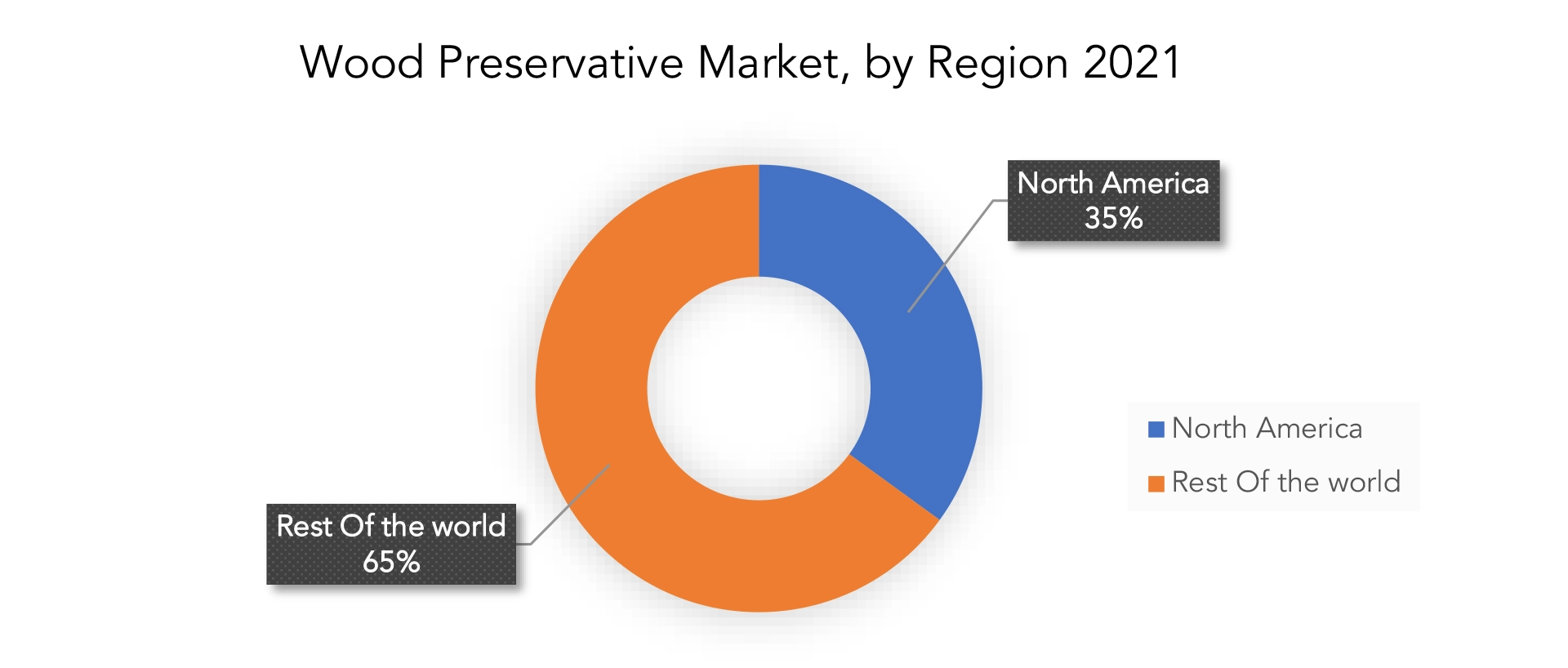
Several factors influence the North American wood preservative market. A significant factor is the region's thriving building sector, which is responsible for the high demand for preserved wood in both residential and commercial uses. The market for wood preservatives is fueled by the requirement for strong, long-lasting wooden constructions. The market is, however, also constrained by rising environmental regulations on several preservatives because of their potential toxicity. These limitations present difficulties for producers and might reduce the range of available preservative choices. However, the industry offers opportunities for development and innovation. The invention and widespread use of water-based and bio-based wood preservatives are made possible by the growing emphasis on environmentally friendly construction practises and sustainable building materials.
The Europe wood preservative market is experiencing dynamic changes driven by several factors.The demand for water-based preservatives and those with low VOC content has increased as a result of tightening environmental restrictions and a focus on environmentally friendly building techniques. The industry has grown as a result of growing consumer knowledge of the advantages of wood preservation, including improved durability and resistance to fungal decay and insect infestations. The market has been further fueled by the constant expansion of the building sector and the demand for beautiful, long-lasting wooden constructions.
Key Market Segments: Wood Preservative Market
Wood Preservative Market by Formulation, 2020-2029, (USD Billion, Kilotons)- Water Based
- Solvent Based
- Oil-Based
- Residential
- Commercial
- Industrial
- North America
- Asia Pacific
- Europe
- South America
- Middle East and Africa
Who Should Buy? Or Key stakeholders
- Wood Preservative Suppliers
- Raw Materials Manufacturers
- Distributors and wholesalers
- Research Organizations
- Investors
- Regulatory Authorities
- Others
Key Questions Answered: -
- What is the expected growth rate of the wood preservative market over the next 7 years?
- Who are the major players in the wood preservative market and what is their market share?
- What are the end-user industries driving demand for market and what is their outlook?
- What are the opportunities for growth in emerging markets such as Asia-Pacific, Middle East, and Africa?
- How is the economic environment affecting the wood preservative market, including factors such as interest rates, inflation, and exchange rates?
- What is the expected impact of government policies and regulations on the wood preservative market?
- What is the current and forecasted size and growth rate of the global wood preservative market?
- What are the key drivers of growth in the wood preservative market?
- Who are the major players in the market and what is their market share?
- What are the distribution channels and supply chain dynamics in the wood preservative market?
- What are the technological advancements and innovations in the wood preservative market and their impact on product development and growth?
- What are the regulatory considerations and their impact on the market?
- What are the challenges faced by players in the wood preservative market and how are they addressing these challenges?
- What are the opportunities for growth and expansion in the wood preservative market?
- What are the product offerings and specifications of leading players in the market?
- What is the pricing trend of wood preservative in the market and what is the impact of raw material prices on the price trend?
Exactitude Consultancy Services Key Objectives:
- Increasing sales and market share
- Developing new technology
- Improving profitability
- Entering new markets
- Enhancing brand reputation
- INTRODUCTION
- MARKET DEFINITION
- MARKET SEGMENTATION
- RESEARCH TIMELINES
- ASSUMPTIONS AND LIMITATIONS
- RESEARCH METHODOLOGY
- DATA MINING
- SECONDARY RESEARCH
- PRIMARY RESEARCH
- SUBJECT-MATTER EXPERTS’ ADVICE
- QUALITY CHECKS
- FINAL REVIEW
- DATA TRIANGULATION
- BOTTOM-UP APPROACH
- TOP-DOWN APPROACH
- RESEARCH FLOW
- DATA SOURCES
- DATA MINING
- EXECUTIVE SUMMARY
- MARKET OVERVIEW
- GLOBAL WOOD PRESERVATIVE MARKET OUTLOOK
- MARKET DRIVERS
- MARKET RESTRAINTS
- MARKET OPPORTUNITIES
- IMPACT OF COVID-19 ON WOOD PRESERVATIVE MARKET
- PORTER’S FIVE FORCES MODEL
- THREAT FROM NEW ENTRANTS
- THREAT FROM SUBSTITUTES
- BARGAINING POWER OF SUPPLIERS
- BARGAINING POWER OF CUSTOMERS
- DEGREE OF COMPETITION
- INDUSTRY VALUE CHAIN ANALYSIS
- GLOBAL WOOD PRESERVATIVE MARKET OUTLOOK
- GLOBAL WOOD PRESERVATIVE MARKET BY FORMULATION (USD BILLION, KILOTONS) 2020-2029
- WATER BASED
- SOLVENT BASED
- OIL-BASED
- GLOBAL WOOD PRESERVATIVE MARKET BY APPLICATION (USD BILLION, KILOTONS) 2020-2029
- RESIDENTIAL
- COMMERCIAL
- INDUSTRIAL
- GLOBAL WOOD PRESERVATIVE MARKET BY REGION (USD BILLION, KILOTONS) 2020-2029
- NORTH AMERICA
- US
- CANADA
- MEXICO
- SOUTH AMERICA
- BRAZIL
- ARGENTINA
- COLOMBIA
- REST OF SOUTH AMERICA
- EUROPE
- GERMANY
- UK
- FRANCE
- ITALY
- SPAIN
- RUSSIA
- REST OF EUROPE
- ASIA PACIFIC
- INDIA
- CHINA
- JAPAN
- SOUTH KOREA
- AUSTRALIA
- SOUTH-EAST ASIA
- REST OF ASIA PACIFIC
- MIDDLE EAST AND AFRICA
- UAE
- SAUDI ARABIA
- SOUTH AFRICA
- REST OF MIDDLE EAST AND AFRICA
- NORTH AMERICA
- COMPANY PROFILES* (BUSINESS OVERVIEW, COMPANY SNAPSHOT, PRODUCTS OFFERED, RECENT DEVELOPMENTS)
- LANXESS AG
- CABOT MICROELECTRONICS
- WOLMAN GMBH
- BORAX INC.
- KMG CHEMICALS INC.
- KOP-COAT INC.
- KOPPERS INC.
- KURT OBERMEIER GMBH & CO. KG
- ARXADA
- REMMERS AG *THE COMPANY LIST IS INDICATIVE
LIST OF TABLES
TABLE 1 GLOBAL WOOD PRESERVATIVE MARKET BY FORMULATION (USD BILLION), 2020-2029
TABLE 2 GLOBAL WOOD PRESERVATIVE MARKET BY FORMULATION (KILOTONS), 2020-2029
TABLE 3 GLOBAL WOOD PRESERVATIVE MARKET BY APPLICATION (USD BILLION), 2020-2029
TABLE 4 GLOBAL WOOD PRESERVATIVE MARKET BY APPLICATION (KILOTONS), 2020-2029
TABLE 5 GLOBAL WOOD PRESERVATIVE MARKET BY REGION (USD BILLION), 2020-2029
TABLE 6 GLOBAL WOOD PRESERVATIVE MARKET BY REGION (KILOTONS), 2020-2029
TABLE 7 NORTH AMERICA WOOD PRESERVATIVE MARKET BY FORMULATION (USD BILLION), 2020-2029
TABLE 8 NORTH AMERICA WOOD PRESERVATIVE MARKET BY FORMULATION (KILOTONS), 2020-2029
TABLE 9 NORTH AMERICA WOOD PRESERVATIVE MARKET BY APPLICATION (USD BILLION), 2020-2029
TABLE 10 NORTH AMERICA WOOD PRESERVATIVE MARKET BY APPLICATION (KILOTONS), 2020-2029
TABLE 11 NORTH AMERICA WOOD PRESERVATIVE MARKET BY COUNTRY (USD BILLION), 2020-2029
TABLE 12 NORTH AMERICA WOOD PRESERVATIVE MARKET BY COUNTRY (KILOTONS), 2020-2029
TABLE 13 US WOOD PRESERVATIVE MARKET BY FORMULATION (USD BILLION), 2020-2029
TABLE 14 US WOOD PRESERVATIVE MARKET BY FORMULATION (KILOTONS), 2020-2029
TABLE 15 US WOOD PRESERVATIVE MARKET BY APPLICATION (USD BILLION), 2020-2029
TABLE 16 US WOOD PRESERVATIVE MARKET BY APPLICATION (KILOTONS), 2020-2029
TABLE 17 CANADA WOOD PRESERVATIVE MARKET BY FORMULATION (USD BILLION), 2020-2029
TABLE 18 CANADA WOOD PRESERVATIVE MARKET BY FORMULATION (KILOTONS), 2020-2029
TABLE 19 CANADA WOOD PRESERVATIVE MARKET BY APPLICATION (USD BILLION), 2020-2029
TABLE 20 CANADA WOOD PRESERVATIVE MARKET BY APPLICATION (KILOTONS), 2020-2029
TABLE 21 MEXICO WOOD PRESERVATIVE MARKET BY FORMULATION (USD BILLION), 2020-2029
TABLE 22 MEXICO WOOD PRESERVATIVE MARKET BY FORMULATION (KILOTONS), 2020-2029
TABLE 23 MEXICO WOOD PRESERVATIVE MARKET BY APPLICATION (USD BILLION), 2020-2029
TABLE 24 MEXICO WOOD PRESERVATIVE MARKET BY APPLICATION (KILOTONS), 2020-2029
TABLE 25 SOUTH AMERICA WOOD PRESERVATIVE MARKET BY FORMULATION (USD BILLION), 2020-2029
TABLE 26 SOUTH AMERICA WOOD PRESERVATIVE MARKET BY FORMULATION (KILOTONS), 2020-2029
TABLE 27 SOUTH AMERICA WOOD PRESERVATIVE MARKET BY APPLICATION (USD BILLION), 2020-2029
TABLE 28 SOUTH AMERICA WOOD PRESERVATIVE MARKET BY APPLICATION (KILOTONS), 2020-2029
TABLE 29 SOUTH AMERICA WOOD PRESERVATIVE MARKET BY COUNTRY (USD BILLION), 2020-2029
TABLE 30 SOUTH AMERICA WOOD PRESERVATIVE MARKET BY COUNTRY (KILOTONS), 2020-2029
TABLE 31 BRAZIL WOOD PRESERVATIVE MARKET BY FORMULATION (USD BILLION), 2020-2029
TABLE 32 BRAZIL WOOD PRESERVATIVE MARKET BY FORMULATION (KILOTONS), 2020-2029
TABLE 33 BRAZIL WOOD PRESERVATIVE MARKET BY APPLICATION (USD BILLION), 2020-2029
TABLE 34 BRAZIL WOOD PRESERVATIVE MARKET BY APPLICATION (KILOTONS), 2020-2029
TABLE 35 ARGENTINA WOOD PRESERVATIVE MARKET BY FORMULATION (USD BILLION), 2020-2029
TABLE 36 ARGENTINA WOOD PRESERVATIVE MARKET BY FORMULATION (KILOTONS), 2020-2029
TABLE 37 ARGENTINA WOOD PRESERVATIVE MARKET BY APPLICATION (USD BILLION), 2020-2029
TABLE 38 ARGENTINA WOOD PRESERVATIVE MARKET BY APPLICATION (KILOTONS), 2020-2029
TABLE 39 COLOMBIA WOOD PRESERVATIVE MARKET BY FORMULATION (USD BILLION), 2020-2029
TABLE 40 COLOMBIA WOOD PRESERVATIVE MARKET BY FORMULATION (KILOTONS), 2020-2029
TABLE 41 COLOMBIA WOOD PRESERVATIVE MARKET BY APPLICATION (USD BILLION), 2020-2029
TABLE 42 COLOMBIA WOOD PRESERVATIVE MARKET BY APPLICATION (KILOTONS), 2020-2029
TABLE 43 REST OF SOUTH AMERICA WOOD PRESERVATIVE MARKET BY FORMULATION (USD BILLION), 2020-2029
TABLE 44 REST OF SOUTH AMERICA WOOD PRESERVATIVE MARKET BY FORMULATION (KILOTONS), 2020-2029
TABLE 45 REST OF SOUTH AMERICA WOOD PRESERVATIVE MARKET BY APPLICATION (USD BILLION), 2020-2029
TABLE 46 REST OF SOUTH AMERICA WOOD PRESERVATIVE MARKET BY APPLICATION (KILOTONS), 2020-2029
TABLE 47 ASIA-PACIFIC WOOD PRESERVATIVE MARKET BY FORMULATION (USD BILLION), 2020-2029
TABLE 48 ASIA-PACIFIC WOOD PRESERVATIVE MARKET BY FORMULATION (KILOTONS), 2020-2029
TABLE 49 ASIA-PACIFIC WOOD PRESERVATIVE MARKET BY APPLICATION (USD BILLION), 2020-2029
TABLE 50 ASIA-PACIFIC WOOD PRESERVATIVE MARKET BY APPLICATION (KILOTONS), 2020-2029
TABLE 51 ASIA-PACIFIC WOOD PRESERVATIVE MARKET BY COUNTRY (USD BILLION), 2020-2029
TABLE 52 ASIA-PACIFIC WOOD PRESERVATIVE MARKET BY COUNTRY (KILOTONS), 2020-2029
TABLE 53 INDIA WOOD PRESERVATIVE MARKET BY FORMULATION (USD BILLION), 2020-2029
TABLE 54 INDIA WOOD PRESERVATIVE MARKET BY FORMULATION (KILOTONS), 2020-2029
TABLE 55 INDIA WOOD PRESERVATIVE MARKET BY APPLICATION (USD BILLION), 2020-2029
TABLE 56 INDIA WOOD PRESERVATIVE MARKET BY APPLICATION (KILOTONS), 2020-2029
TABLE 57 CHINA WOOD PRESERVATIVE MARKET BY FORMULATION (USD BILLION), 2020-2029
TABLE 58 CHINA WOOD PRESERVATIVE MARKET BY FORMULATION (KILOTONS), 2020-2029
TABLE 59 CHINA WOOD PRESERVATIVE MARKET BY APPLICATION (USD BILLION), 2020-2029
TABLE 60 CHINA WOOD PRESERVATIVE MARKET BY APPLICATION (KILOTONS), 2020-2029
TABLE 61 JAPAN WOOD PRESERVATIVE MARKET BY FORMULATION (USD BILLION), 2020-2029
TABLE 62 JAPAN WOOD PRESERVATIVE MARKET BY FORMULATION (KILOTONS), 2020-2029
TABLE 63 JAPAN WOOD PRESERVATIVE MARKET BY APPLICATION (USD BILLION), 2020-2029
TABLE 64 JAPAN WOOD PRESERVATIVE MARKET BY APPLICATION (KILOTONS), 2020-2029
TABLE 65 SOUTH KOREA WOOD PRESERVATIVE MARKET BY FORMULATION (USD BILLION), 2020-2029
TABLE 66 SOUTH KOREA WOOD PRESERVATIVE MARKET BY FORMULATION (KILOTONS), 2020-2029
TABLE 67 SOUTH KOREA WOOD PRESERVATIVE MARKET BY APPLICATION (USD BILLION), 2020-2029
TABLE 68 SOUTH KOREA WOOD PRESERVATIVE MARKET BY APPLICATION (KILOTONS), 2020-2029
TABLE 69 AUSTRALIA WOOD PRESERVATIVE MARKET BY FORMULATION (USD BILLION), 2020-2029
TABLE 70 AUSTRALIA WOOD PRESERVATIVE MARKET BY FORMULATION (KILOTONS), 2020-2029
TABLE 71 AUSTRALIA WOOD PRESERVATIVE MARKET BY APPLICATION (USD BILLION), 2020-2029
TABLE 72 AUSTRALIA WOOD PRESERVATIVE MARKET BY APPLICATION (KILOTONS), 2020-2029
TABLE 73 SOUTH EAST ASIA WOOD PRESERVATIVE MARKET BY FORMULATION (USD BILLION), 2020-2029
TABLE 74 SOUTH EAST ASIA WOOD PRESERVATIVE MARKET BY FORMULATION (KILOTONS), 2020-2029
TABLE 75 SOUTH EAST ASIA WOOD PRESERVATIVE MARKET BY APPLICATION (USD BILLION), 2020-2029
TABLE 76 SOUTH EAST ASIA WOOD PRESERVATIVE MARKET BY APPLICATION (KILOTONS), 2020-2029
TABLE 77 REST OF ASIA PACIFIC WOOD PRESERVATIVE MARKET BY FORMULATION (USD BILLION), 2020-2029
TABLE 78 REST OF ASIA PACIFIC WOOD PRESERVATIVE MARKET BY FORMULATION (KILOTONS), 2020-2029
TABLE 79 REST OF ASIA PACIFIC WOOD PRESERVATIVE MARKET BY APPLICATION (USD BILLION), 2020-2029
TABLE 80 REST OF ASIA PACIFIC WOOD PRESERVATIVE MARKET BY APPLICATION (KILOTONS), 2020-2029
TABLE 81 EUROPE WOOD PRESERVATIVE MARKET BY FORMULATION (USD BILLION), 2020-2029
TABLE 82 EUROPE WOOD PRESERVATIVE MARKET BY FORMULATION (KILOTONS), 2020-2029
TABLE 83 EUROPE WOOD PRESERVATIVE MARKET BY APPLICATION (USD BILLION), 2020-2029
TABLE 84 EUROPE WOOD PRESERVATIVE MARKET BY APPLICATION (KILOTONS), 2020-2029
TABLE 85 EUROPE WOOD PRESERVATIVE MARKET BY COUNTRY (USD BILLION), 2020-2029
TABLE 86 EUROPE WOOD PRESERVATIVE MARKET BY COUNTRY (KILOTONS), 2020-2029
TABLE 87 GERMANY WOOD PRESERVATIVE MARKET BY FORMULATION (USD BILLION), 2020-2029
TABLE 88 GERMANY WOOD PRESERVATIVE MARKET BY FORMULATION (KILOTONS), 2020-2029
TABLE 89 GERMANY WOOD PRESERVATIVE MARKET BY APPLICATION (USD BILLION), 2020-2029
TABLE 90 GERMANY WOOD PRESERVATIVE MARKET BY APPLICATION (KILOTONS), 2020-2029
TABLE 91 UK WOOD PRESERVATIVE MARKET BY FORMULATION (USD BILLION), 2020-2029
TABLE 92 UK WOOD PRESERVATIVE MARKET BY FORMULATION (KILOTONS), 2020-2029
TABLE 93 UK WOOD PRESERVATIVE MARKET BY APPLICATION (USD BILLION), 2020-2029
TABLE 94 UK WOOD PRESERVATIVE MARKET BY APPLICATION (KILOTONS), 2020-2029
TABLE 95 FRANCE WOOD PRESERVATIVE MARKET BY FORMULATION (USD BILLION), 2020-2029
TABLE 96 FRANCE WOOD PRESERVATIVE MARKET BY FORMULATION (KILOTONS), 2020-2029
TABLE 97 FRANCE WOOD PRESERVATIVE MARKET BY APPLICATION (USD BILLION), 2020-2029
TABLE 98 FRANCE WOOD PRESERVATIVE MARKET BY APPLICATION (KILOTONS), 2020-2029
TABLE 99 ITALY WOOD PRESERVATIVE MARKET BY FORMULATION (USD BILLION), 2020-2029
TABLE 100 ITALY WOOD PRESERVATIVE MARKET BY FORMULATION (KILOTONS), 2020-2029
TABLE 101 ITALY WOOD PRESERVATIVE MARKET BY APPLICATION (USD BILLION), 2020-2029
TABLE 102 ITALY WOOD PRESERVATIVE MARKET BY APPLICATION (KILOTONS), 2020-2029
TABLE 103 SPAIN WOOD PRESERVATIVE MARKET BY FORMULATION (USD BILLION), 2020-2029
TABLE 104 SPAIN WOOD PRESERVATIVE MARKET BY FORMULATION (KILOTONS), 2020-2029
TABLE 105 SPAIN WOOD PRESERVATIVE MARKET BY APPLICATION (USD BILLION), 2020-2029
TABLE 106 SPAIN WOOD PRESERVATIVE MARKET BY APPLICATION (KILOTONS), 2020-2029
TABLE 107 RUSSIA WOOD PRESERVATIVE MARKET BY FORMULATION (USD BILLION), 2020-2029
TABLE 108 RUSSIA WOOD PRESERVATIVE MARKET BY FORMULATION (KILOTONS), 2020-2029
TABLE 109 RUSSIA WOOD PRESERVATIVE MARKET BY APPLICATION (USD BILLION), 2020-2029
TABLE 110 RUSSIA WOOD PRESERVATIVE MARKET BY APPLICATION (KILOTONS), 2020-2029
TABLE 111 REST OF EUROPE WOOD PRESERVATIVE MARKET BY FORMULATION (USD BILLION), 2020-2029
TABLE 112 REST OF EUROPE WOOD PRESERVATIVE MARKET BY FORMULATION (KILOTONS), 2020-2029
TABLE 113 REST OF EUROPE WOOD PRESERVATIVE MARKET BY APPLICATION (USD BILLION), 2020-2029
TABLE 114 REST OF EUROPE WOOD PRESERVATIVE MARKET BY APPLICATION (KILOTONS), 2020-2029
TABLE 115 MIDDLE EAST AND AFRICA WOOD PRESERVATIVE MARKET BY FORMULATION (USD BILLION), 2020-2029
TABLE 116 MIDDLE EAST AND AFRICA WOOD PRESERVATIVE MARKET BY FORMULATION (KILOTONS), 2020-2029
TABLE 117 MIDDLE EAST AND AFRICA WOOD PRESERVATIVE MARKET BY APPLICATION (USD BILLION), 2020-2029
TABLE 118 MIDDLE EAST AND AFRICA WOOD PRESERVATIVE MARKET BY APPLICATION (KILOTONS), 2020-2029
TABLE 119 MIDDLE EAST AND AFRICA WOOD PRESERVATIVE MARKET BY COUNTRY (USD BILLION), 2020-2029
TABLE 120 MIDDLE EAST AND AFRICA WOOD PRESERVATIVE MARKET BY COUNTRY (KILOTONS), 2020-2029
TABLE 121 UAE WOOD PRESERVATIVE MARKET BY FORMULATION (USD BILLION), 2020-2029
TABLE 122 UAE WOOD PRESERVATIVE MARKET BY FORMULATION (KILOTONS), 2020-2029
TABLE 123 UAE WOOD PRESERVATIVE MARKET BY APPLICATION (USD BILLION), 2020-2029
TABLE 124 UAE WOOD PRESERVATIVE MARKET BY APPLICATION (KILOTONS), 2020-2029
TABLE 125 SAUDI ARABIA WOOD PRESERVATIVE MARKET BY FORMULATION (USD BILLION), 2020-2029
TABLE 126 SAUDI ARABIA WOOD PRESERVATIVE MARKET BY FORMULATION (KILOTONS), 2020-2029
TABLE 127 SAUDI ARABIA WOOD PRESERVATIVE MARKET BY APPLICATION (USD BILLION), 2020-2029
TABLE 128 SAUDI ARABIA WOOD PRESERVATIVE MARKET BY APPLICATION (KILOTONS), 2020-2029
TABLE 129 SOUTH AFRICA WOOD PRESERVATIVE MARKET BY FORMULATION (USD BILLION), 2020-2029
TABLE 130 SOUTH AFRICA WOOD PRESERVATIVE MARKET BY FORMULATION (KILOTONS), 2020-2029
TABLE 131 SOUTH AFRICA WOOD PRESERVATIVE MARKET BY APPLICATION (USD BILLION), 2020-2029
TABLE 132 SOUTH AFRICA WOOD PRESERVATIVE MARKET BY APPLICATION (KILOTONS), 2020-2029
TABLE 133 REST OF MIDDLE EAST AND AFRICA WOOD PRESERVATIVE MARKET BY FORMULATION (USD BILLION), 2020-2029
TABLE 134 REST OF MIDDLE EAST AND AFRICA WOOD PRESERVATIVE MARKET BY FORMULATION (KILOTONS), 2020-2029
TABLE 135 REST OF MIDDLE EAST AND AFRICA WOOD PRESERVATIVE MARKET BY APPLICATION (USD BILLION), 2020-2029
TABLE 136 REST OF MIDDLE EAST AND AFRICA WOOD PRESERVATIVE MARKET BY APPLICATION (KILOTONS), 2020-2029
LIST OF FIGURES
FIGURE 1 MARKET DYNAMICS
FIGURE 2 MARKET SEGMENTATION
FIGURE 3 REPORT TIMELINES: YEARS CONSIDERED
FIGURE 4 DATA TRIANGULATION
FIGURE 5 BOTTOM-UP APPROACH
FIGURE 6 TOP-DOWN APPROACH
FIGURE 7 RESEARCH FLOW
FIGURE 8 GLOBAL WOOD PRESERVATIVE BY FORMULATION, USD BILLION, 2020-2029
FIGURE 9 GLOBAL WOOD PRESERVATIVE BY APPLICATION, USD BILLION, 2020-2029
FIGURE 10 GLOBAL WOOD PRESERVATIVE BY REGION, USD BILLION, 2020-2029
FIGURE 11 PORTER’S FIVE FORCES MODEL
FIGURE 12 GLOBAL WOOD PRESERVATIVE BY FORMULATION, USD BILLION, 2021
FIGURE 13 GLOBAL WOOD PRESERVATIVE BY APPLICATION, USD BILLION, 2021
FIGURE 14 GLOBAL WOOD PRESERVATIVE BY REGION, USD BILLION, 2021
FIGURE 15 MARKET SHARE ANALYSIS
FIGURE 16 LANXESS AG: COMPANY SNAPSHOT
FIGURE 17 CABOT MICROELECTRONICS: COMPANY SNAPSHOT
FIGURE 18 WOLMAN GMBH: COMPANY SNAPSHOT
FIGURE 19 BORAX INC.: COMPANY SNAPSHOT
FIGURE 20 KMG CHEMICALS INC: COMPANY SNAPSHOT
FIGURE 21 KOP-COAT INC: COMPANY SNAPSHOT
FIGURE 22 KOPPERS INC: COMPANY SNAPSHOT
FIGURE 23 KURT OBERMEIER GMBH & CO. KG.: COMPANY SNAPSHOT
FIGURE 24 ARXADA: COMPANY SNAPSHOT
FIGURE 25 REMMERS AG: COMPANY SNAPSHOT
DOWNLOAD FREE SAMPLE REPORT
License Type
SPEAK WITH OUR ANALYST
Want to know more about the report or any specific requirement?
WANT TO CUSTOMIZE THE REPORT?
Our Clients Speak
We asked them to research ‘ Equipment market’ all over the world, and their whole arrangement was helpful to us. thehealthanalytics.com insightful analysis and reports contributed to our current analysis and in creating a future strategy. Besides, the te
Yosuke Mitsui
Senior Associate Construction Equipment Sales & Marketing
We asked them to research ‘Equipment market’ all over the world, and their whole arrangement was helpful to us. thehealthanalytics.com insightful analysis and reports contributed to our current analysis and in creating a future strategy. Besides, the te