

Base Year Value ()
x.x %
x.x %
CAGR ()
x.x %
x.x %
Forecast Year Value ()
x.x %
x.x %
Historical Data Period
Largest Region
Forecast Period
Dimensioni del mercato della riserva di flusso frazionaria per tipo (guide FFR, sistemi di monitoraggio FFR), per tecnologia (monitoraggio invasivo, monitoraggio non invasivo), per applicazione (malattia coronarica multivascolare e malattia coronarica monovascolare) e per regione Tendenze e previsioni globali dal 2022 al 2029
Instant access to hundreds of data points and trends
- Market estimates from 2014-2029
- Competitive analysis, industry segmentation, financial benchmarks
- Incorporates SWOT, Porter's Five Forces and risk management frameworks
- PDF report or online database with Word, Excel and PowerPoint export options
- 100% money back guarantee
Panoramica del mercato delle riserve a flusso frazionario
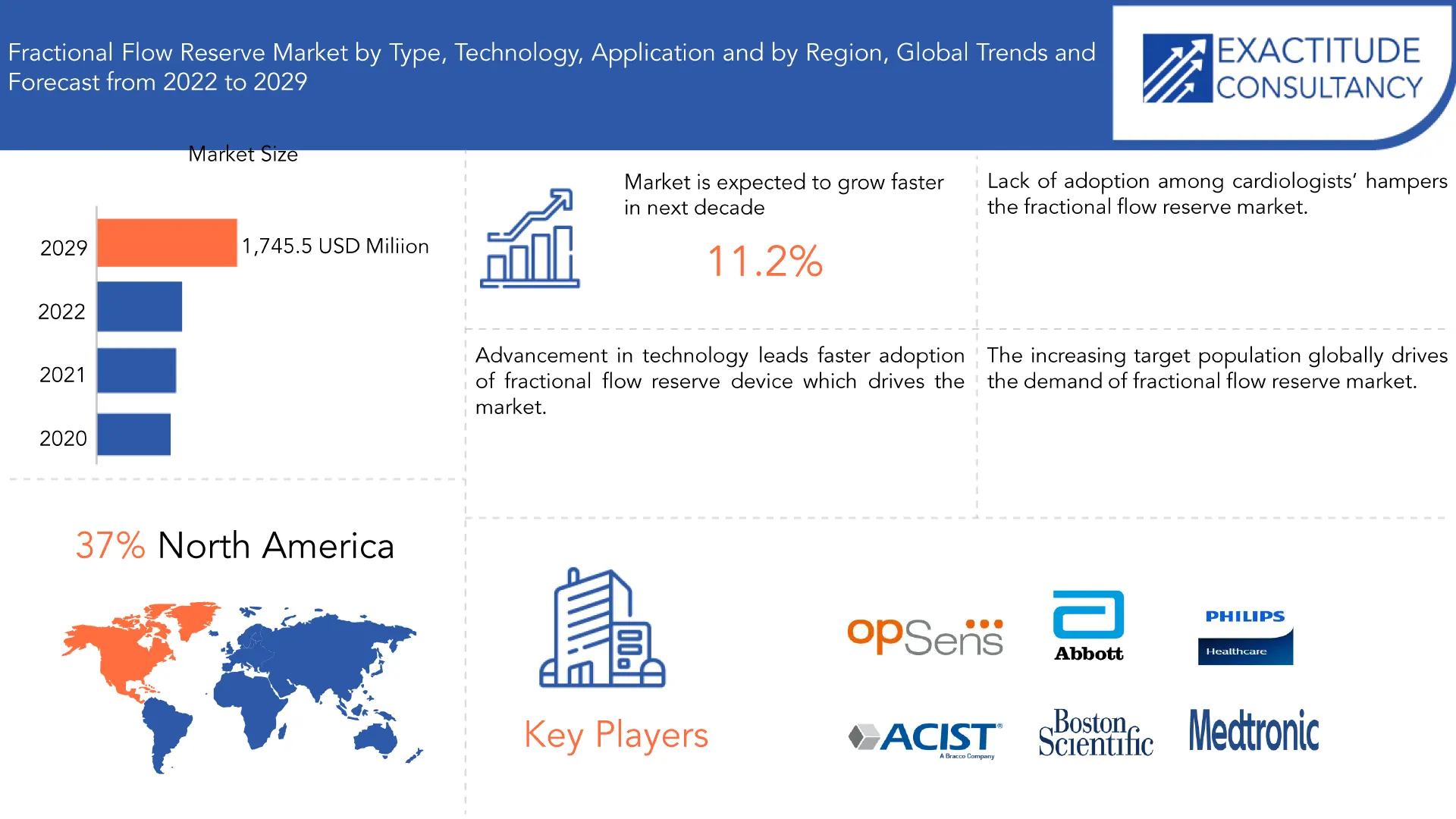
Si prevede che il mercato globale delle riserve a flusso frazionario crescerà a un CAGR dell'11,2% dal 2022 al 2029, rispetto ai 671,40 milioni di USD del 2020.
FFR è un nuovissimo modello matematico che potrebbe essere utile in ambito medico per calcolare l'aterosclerosi coronarica stenotica . La misura dell'affidabilità (facilmente riproducibile) tra laboratori concorrenti per testare questa metrica cruciale è ancora in discussione in una gara proprietaria che afferma la matematica cardiaca basata sul rischio per la cardiopatia ischemica.
Il flusso sanguigno verso una particolare parte del corpo viene misurato utilizzando una procedura di riserva di flusso frazionaria. I pazienti ricevono un'iniezione di materiale radioattivo prima della procedura, che verrà utilizzata per visualizzare il flusso sanguigno in una particolare area del corpo. Dopo l'imaging, viene praticata una piccola incisione, viene misurato il flusso sanguigno e viene somministrato un anestetico locale.
| ATTRIBUTO | DETTAGLI |
| Periodo di studio | 2020-2029 |
| Anno base | 2021 |
| Anno stimato | 2022 |
| Anno previsto | 2022-2029 |
| Periodo storico | 2018-2020 |
| Unità | Valore (milioni di USD) |
| Segmentazione | Per tipo, per tecnologia, per applicazione, per regione. |
| Per tipo |
|
| Per tecnologia |
|
| Per applicazione |
|
| Per regione |
|
Si sta aumentando la spesa per la ricerca e lo sviluppo (R&S) per creare nuove apparecchiature che siano convenienti ed efficienti, dato che aumentano i casi di malattie cardiovascolari come l'ipertensione e le malattie coronariche. Secondo l'OMS, nel 2021 sono morte 17,9 milioni di persone per malattie cardiovascolari, ovvero circa il 31% di tutti i decessi in tutto il mondo.
Un FFR è una procedura non invasiva utilizzata per valutare la malattia coronarica (CAD) nei pazienti con stenosi delle arterie coronarie. Il test della riserva di flusso frazionario è un esame del sangue che misura la pressione arteriosa.
Si prevede che la crescente popolazione geriatrica aumenterà la domanda di riserva di flusso frazionato. Gli individui di età superiore ai 65 anni sono più vulnerabili alle malattie cardiovascolari e alle malattie croniche come il diabete. Il diabete di tipo II può anche portare alla formazione di cellule grasse nell'arteria coronaria, che possono causare un blocco e, di conseguenza, un ictus o un infarto. A causa dei baby boomer tardivi in paesi come Giappone, Cina e Brasile, tra gli altri, si prevede che la popolazione geriatrica globale crescerà in modo esponenziale nei prossimi anni. Le Nazioni Unite hanno stimato che la popolazione di persone di età pari o superiore a 65 anni fosse di 703 milioni nel 2019, con una cifra che dovrebbe raddoppiare a 1,5 miliardi entro il 2050.
La riduzione dei servizi e delle procedure cardiovascolari causata dalla pandemia di COVID-19 ha avuto un impatto considerevole sull'espansione del mercato. Tuttavia, è stato consigliato ai pazienti cardiovascolari di continuare la terapia FFR per aumentare le loro possibilità di sopravvivenza e gestire meglio la capacità del loro sistema immunitario di respingere il virus SARS-CoV-2. Secondo l'analisi, questi eventi hanno aiutato il mercato a crescere durante la pandemia e si prevede che lo faranno di nuovo nei prossimi anni.
Una valutazione FFR non può distinguere tra coronaropatia, spasmo coronarico o stenosi coronarica. Un altro inconveniente è la capacità di una valutazione di essere influenzata da elementi esterni come pressione sanguigna e frequenza cardiaca. Inoltre, la misurazione potrebbe dover essere più accurata per determinate persone o pazienti con coronaropatia. Il test è anche costoso, invasivo e appropriato solo per alcuni pazienti.
[caption id="allegato_23487" align="aligncenter" width="1920"]
Frequently Asked Questions
• What is the worth of global fractional flow reserve market?
The fractional flow reserve market reached USD 671.40 million in 2020 and is expected to grow at a CAGR of more than 11.2% through 2029, owing to the increasing in awareness about health.
• What are the upcoming trends of fractional flow reserve market, globally?
The upcoming trend in the fractional flow reserve market is an opportunity for market growth.
• What is the CAGR of fractional flow reserve market?
The global fractional flow reserve market registered a CAGR of 11.2% from 2022 to 2029.
• Which are the top companies to hold the market share in fractional flow reserve market?
Key players profiled in the report include OPSENS Medical, Abbott Laboratories, Koninklijke Philips N.V., Acist Medical Systems Inc., Boston Scientific, Medtronic plc, B. Braun Melsungen, Siemens, Terumo Medical Corporation and Medis Medical Imaging System.
• Which is the largest regional market for fractional flow reserve market?
The North America fractional flow reserve market had largest market share of 37% in 2021. The dominance of the region can be attributed to favorable government policies for medical device penetration and the presence of well-developed healthcare infrastructure. In addition, rising mergers and acquisitions by key players are poised to keep the level of competition high in the near future.
Fractional Flow Reserve Market Segment Analysis
The introduction of technologically advanced monitoring systems is expected to drive profitable growth in the FFR monitoring systems segment during the forecast period. Due to their widespread use in diagnostic cardiovascular procedures, FFR guidewires held a commanding 58.06% market share in 2021. This segment is expected to grow at a healthy CAGR during the forecast period due to increased use for coronary artery disease diagnosis globally. According to the Centers for Disease Control and Prevention (CDC), approximately 360,900 people died in the United States in 2019 as a result of coronary artery disease. Furthermore, the elderly is more vulnerable to cardiac problems. As a result, the segment's growth is aided by the segment's expanding base.
Technology-based categories for invasive and non-invasive monitoring make up the fractional flow reserve market. In 2021, the non-invasive segment held the largest market share in the fractional flow reserve market due to the low risk of procedural complications and the availability of clinical evidence demonstrating its efficacy. For assessing the hemodynamic effects of coronary lesions, invasive FFR monitoring is regarded as the gold standard. For the purpose of measuring fractional flow reserve, this technology makes use of pressure guidewires and monitoring systems. The blood flow and pressure before and after the blockage are measured by the pressure guidewire to create a ratio.
Invasive fractional flow reserve systems are widely used to assess lesion-specific ischemic in patients with 50% to 90% stenosis. The invasive segment has made only modest progress. One of the main causes of the slower adoption of non-invasive FFR systems is that many clinicians continue to think that angiography yields superior results and that this will be sufficient to determine the patients' treatment course. The diagnostic procedures are also left up to the discretion of the local practitioners, though many still favour CT scans, nuclear tests, and invasive angiography.
As a more advanced form of single-vessel CAD, the multi-vessel coronary artery disease (CAD) segment is anticipated to register a higher CAGR during the forecast period. If proper care and medication are not taken, a person with single-vessel CAD is very likely to develop multi-vessel CAD in the near future. Due to the widespread use of the device in CAD and the growing elderly population, the single-vessel coronary artery disease (CAD) segment dominated the fractional flow reserve market in 2021 with a share of over 50.04%.
[caption id="attachment_23491" align="aligncenter" width="1920"]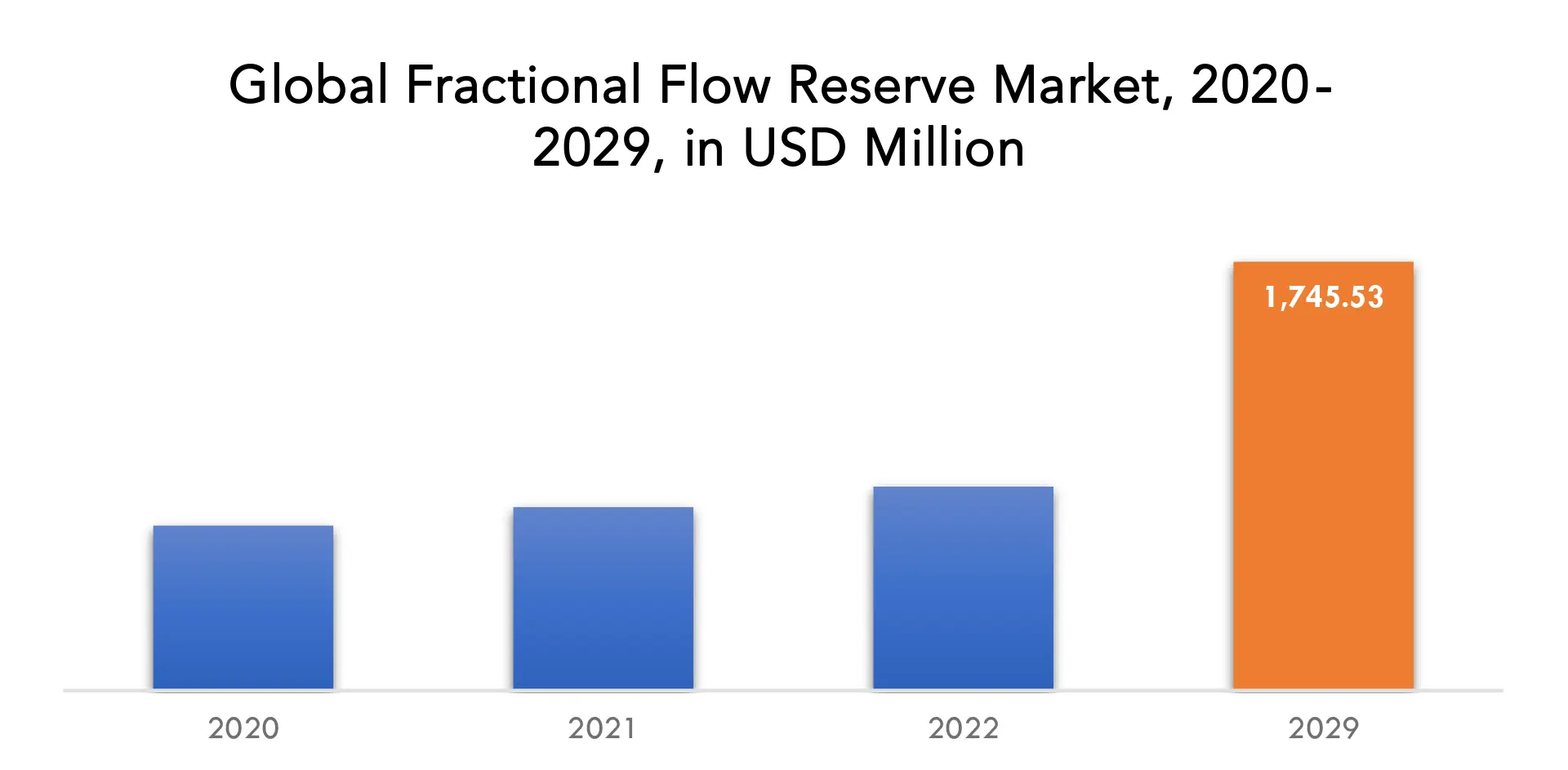
Fractional Flow Reserve Market Players
Key players involved in fractional flow reserve market are OPSENS Medical, Abbott Laboratories, Koninklijke, Philips N.V., Acist Medical Systems Inc., Boston Scientific, Medtronic plc, B. Braun Melsungen, Siemens, Terumo Medical Corporation and Medis Medical Imaging System. Mergers and acquisitions, joint ventures, capacity expansions, significant distribution, and branding decisions by established industry players to boost market share and regional presence. They are also engaged in continuous R&D activities to develop new Product Products and are focused on expanding the Product type portfolio. This is expected to increase competition and pose a threat to new market entrants.
Recent Developments
April 19, 2023, Philips collaborated with Saint-Joseph Hospital and Marie-Lannelongue Hospital to improve cancer care. March 20, 2023, Terumo Medical Corporation had announced the findings of an IDE trial for its Cross-Seal Suture-Mediated VCD System. It demonstrated, among other things, that the primary safety endpoint of freedom from major complications at the target limb access site within 30 days after the procedure was met.Who Should Buy? Or Key stakeholders
- Research and development
- Hospitals & Specialty Cardiac Centers
- End Use industries
- Office-Based Labs
- Government
- Healthcare
Fractional Flow Reserve Market Regional Analysis
Geographically, the Fractional Flow Reserve market is segmented into North America, South America, Europe, APAC and MEA.
- North America: includes the US, Canada, Mexico
- Europe: includes UK, Germany, France, Italy, Spain, Russia, and Rest of Europe
- Asia Pacific: includes China, Japan, South Korea, India, Australia, ASEAN and Rest of APAC
- South America: includes Brazil, Argentina and Rest of South America
- Middle East & Africa: includes Turkey, UAE, Saudi Arabia, South Africa, and Rest of MEA
Due to the growing geriatric population linked to cardiovascular diseases and the growing technological advancements in FFR monitoring devices, North America is anticipated to hold a significant market share in the fractional flow reserve market. The global fractional flow reserve market was dominated by the United States. The United States has become a major fractional flow reserve market shareholder due to the faster adoption of value-based products in the healthcare system, increased clinician awareness, and increasing adoption of FFR-CT.
The market for fractional flow reserves is anticipated to experience profitable growth in the Asia Pacific region over the next few years as a result of an increase in diabetes and cardiovascular disease cases as well as rising disposable income. Additionally, it is anticipated that the adoption of laws that are favorable to medical device adoption will support the expansion of the regional market.
Values-based and volume-based healthcare providers coexist in Europe's healthcare system. The value-based treatment providers adopt it more quickly. Some of the developing economies in Europe have a low rate of adoption of cutting-edge technologies. The usage of cutting-edge products and the growth of the non-invasive fractional flow reserve market are primarily driven by the rising number of CATH Labs and office-based labs.
The nations of Latin America are renowned as places to receive various medical treatments. Urban hospitals use a lot of cutting-edge technology to draw tourists. Due to a lack of reimbursement, local patients rarely use this service and instead choose to undergo more expensive market tests. Additionally, the market's reliance on traditional methods is constrained by a lack of trained lab technicians.
[caption id="attachment_23492" align="aligncenter" width="1920"]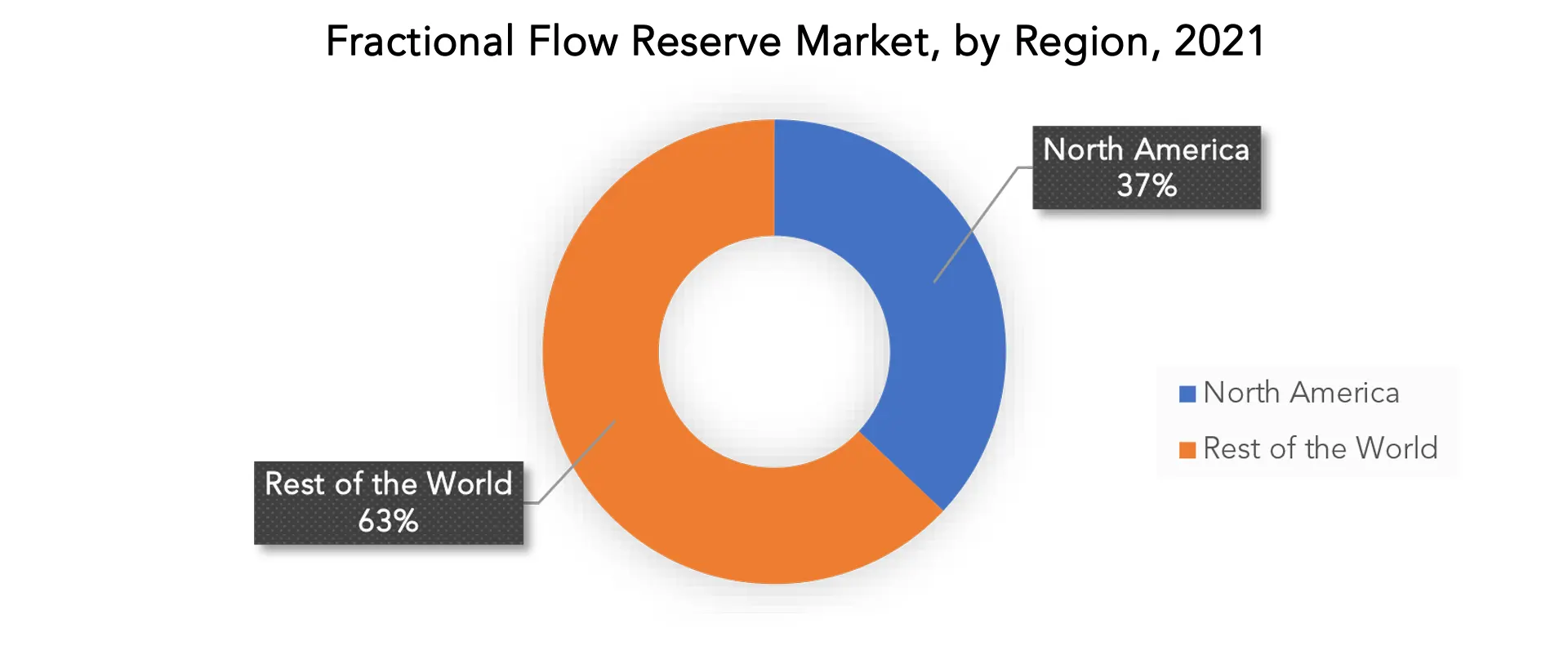
Key Market Segments: Fractional Flow Reserve Market
Fractional Flow Reserve Market by Type, 2020-2029, (USD Million)- FFR Guidewires
- FFR Monitoring Systems
- Invasive Monitoring
- Non-Invasive Monitoring
- Multi-Vessel Coronary Artery Disease
- Single-Vessel Coronary Artery Disease
- North America
- Europe
- Asia Pacific
- South America
- Middle East And Africa
Key Question Answered
- What is the expected growth rate of the fractional flow reserve market over the next 7 years?
- Who are the major players in the fractional flow reserve market and what is their market share?
- What are the end-user industries driving demand for market and what is their outlook?
- What are the opportunities for growth in emerging markets such as Asia-Pacific, Middle East, and Africa?
- How is the economic environment affecting the fractional flow reserve market, including factors such as interest rates, inflation, and exchange rates?
- What is the expected impact of government policies and regulations on the fractional flow reserve market?
- What is the current and forecasted size and growth rate of the global fractional flow reserve market?
- What are the key drivers of growth in the fractional flow reserve market?
- Who are the major players in the market and what is their market share?
- What are the distribution channels and supply chain dynamics in the fractional flow reserve market?
- What are the technological advancements and innovations in the fractional flow reserve market and their impact on product development and growth?
- What are the regulatory considerations and their impact on the market?
- What are the challenges faced by players in the fractional flow reserve market and how are they addressing these challenges?
- What are the opportunities for growth and expansion in the fractional flow reserve market?
- What are the service offerings and specifications of leading players in the market?
Exactitude Consultancy Services Key Objectives
- Increasing sales and market share
- Developing new Application
- Improving profitability
- Entering new markets
- Enhancing brand reputation
- Diagnostic Imaging Centers
- INTRODUZIONE
- DEFINIZIONE DI MERCATO
- SEGMENTAZIONE DEL MERCATO
- TEMPI DI RICERCA
- ASSUNZIONI E LIMITAZIONI
- METODOLOGIA DI RICERCA
- ESTRAZIONE DATI
- RICERCA SECONDARIA
- RICERCA PRIMARIA
- PARERI DEGLI ESPERTI IN MATERIA
- CONTROLLI DI QUALITÀ
- RECENSIONE FINALE
- TRIANGOLAZIONE DEI DATI
- APPROCCIO DAL BASSO VERSO L'ALTO
- APPROCCIO TOP-DOWN
- FLUSSO DI RICERCA
- FONTI DEI DATI
- ESTRAZIONE DATI
- SINTESI
- PANORAMICA DEL MERCATO
- PROSPETTIVE DEL MERCATO GLOBALE DELLE RISERVE A FLUSSO FRAZIONARIO
- FATTORI DI MERCATO
- LIMITAZIONI DI MERCATO
- OPPORTUNITÀ DI MERCATO
- IMPATTO DEL COVID-19 SUL MERCATO DELLE RISERVE A FLUSSO FRAZIONARIO
- MODELLO DELLE CINQUE FORZE DI PORTER
- MINACCIA DAI NUOVI ENTRANSI
- MINACCIA DA SOSTITUTI
- POTERE CONTRATTUALE DEI FORNITORI
- POTERE CONTRATTUALE DEI CLIENTI
- GRADO DI COMPETIZIONE
- ANALISI DELLA CATENA DEL VALORE DEL SETTORE
- PROSPETTIVE DEL MERCATO GLOBALE DELLE RISERVE A FLUSSO FRAZIONARIO
- MERCATO GLOBALE DELLE RISERVE A FLUSSO FRAZIONARIO PER TIPOLOGIA, 2020-2029, (MILIONI DI USD)
- FILI GUIDA FFR
- SISTEMI DI MONITORAGGIO FFR
- MERCATO GLOBALE DELLE RISERVE A FLUSSO FRAZIONATO PER TECNOLOGIA, 2020-2029, (MILIONI DI USD)
- MONITORAGGIO INVASIVO
- MONITORAGGIO NON INVASIVO
- MERCATO GLOBALE DELLE RISERVE A FLUSSO FRAZIONARIO PER APPLICAZIONE, 2020-2029, (MILIONI DI USD)
- MALATTIA CORONARICA MULTIVASALE
- MALATTIA CORONARICA MONOVASALE
- MERCATO GLOBALE DELLE RISERVE A FLUSSO FRAZIONARIO PER REGIONE, 2020-2029, (MILIONI DI USD)
- AMERICA DEL NORD
- NOI
- CANADA
- MESSICO
- SUD AMERICA
- BRASILE
- ARGENTINA
- COLOMBIA
- RESTO DEL SUD AMERICA
- EUROPE
- GERMANY
- UK
- FRANCE
- ITALY
- SPAIN
- RUSSIA
- REST OF EUROPE
- ASIA PACIFIC
- INDIA
- CHINA
- JAPAN
- SOUTH KOREA
- AUSTRALIA
- SOUTH-EAST ASIA
- REST OF ASIA PACIFIC
- MIDDLE EAST AND AFRICA
- UAE
- SAUDI ARABIA
- SOUTH AFRICA
- REST OF MIDDLE EAST AND AFRICA
- AMERICA DEL NORD
- COMPANY PROFILES* (BUSINESS OVERVIEW, COMPANY SNAPSHOT, PRODUCTS OFFERED, RECENT DEVELOPMENTS)
- OPSENS MEDICAL
- ABBOTT LABORATORIES
- KONINKLIJKE PHILIPS N.V.
- ACIST MEDICAL SYSTEMS INC.
- BOSTON SCIENTIFIC
- MEDTRONIC PLC
- B. BRAUN MELSUNGEN
- SIEMENS
- TERUMO MEDICAL CORPORATION
- MEDIS MEDICAL IMAGING SYSTEM *THE COMPANY LIST IS INDICATIVE
LIST OF TABLES
TABLE 1 GLOBAL FRACTIONAL FLOW RESERVE MARKET BY TYPE (USD MILLION) 2020-2029
TABLE 2 GLOBAL FRACTIONAL FLOW RESERVE MARKET BY TECHNOLOGY (USD MILLION) 2020-2029
TABLE 3 GLOBAL FRACTIONAL FLOW RESERVE MARKET BY APPLICATION (USD MILLION) 2020-2029
TABLE 4 GLOBAL FRACTIONAL FLOW RESERVE MARKET BY REGION (USD MILLION) 2020-2029
TABLE 5 NORTH AMERICA FRACTIONAL FLOW RESERVE MARKET BY TYPE (USD MILLION) 2020-2029
TABLE 6 NORTH AMERICA FRACTIONAL FLOW RESERVE MARKET BY TECHNOLOGY (USD MILLION) 2020-2029
TABLE 7 NORTH AMERICA FRACTIONAL FLOW RESERVE MARKET BY APPLICATION (USD MILLION) 2020-2029
TABLE 8 NORTH AMERICA FRACTIONAL FLOW RESERVE MARKET BY COUNTRY (USD MILLION) 2020-2029
TABLE 9 US FRACTIONAL FLOW RESERVE MARKET BY TYPE (USD MILLION) 2020-2029
TABLE 10 US FRACTIONAL FLOW RESERVE MARKET BY TECHNOLOGY (USD MILLION) 2020-2029
TABLE 11 US FRACTIONAL FLOW RESERVE MARKET BY APPLICATION (USD MILLION) 2020-2029
TABLE 12 CANADA FRACTIONAL FLOW RESERVE MARKET BY TYPE (USD MILLION) 2020-2029
TABLE 13 CANADA FRACTIONAL FLOW RESERVE MARKET BY TECHNOLOGY (USD MILLION) 2020-2029
TABLE 14 CANADA FRACTIONAL FLOW RESERVE MARKET BY APPLICATION (USD MILLION) 2020-2029
TABLE 15 MEXICO FRACTIONAL FLOW RESERVE MARKET BY TYPE (USD MILLION) 2020-2029
TABLE 16 MEXICO FRACTIONAL FLOW RESERVE MARKET BY TECHNOLOGY (USD MILLION) 2020-2029
TABLE 17 MEXICO FRACTIONAL FLOW RESERVE MARKET BY APPLICATION (USD MILLION) 2020-2029
TABLE 18 SOUTH AMERICA FRACTIONAL FLOW RESERVE MARKET BY TYPE (USD MILLION) 2020-2029
TABLE 19 SOUTH AMERICA FRACTIONAL FLOW RESERVE MARKET BY TECHNOLOGY (USD MILLION) 2020-2029
TABLE 20 SOUTH AMERICA FRACTIONAL FLOW RESERVE MARKET BY APPLICATION (USD MILLION) 2020-2029
TABLE 21 SOUTH AMERICA FRACTIONAL FLOW RESERVE MARKET BY COUNTRY (USD MILLION) 2020-2029
TABLE 22 BRAZIL FRACTIONAL FLOW RESERVE MARKET BY TYPE (USD MILLION) 2020-2029
TABLE 23 BRAZIL FRACTIONAL FLOW RESERVE MARKET BY TECHNOLOGY (USD MILLION) 2020-2029
TABLE 24 BRAZIL FRACTIONAL FLOW RESERVE MARKET BY APPLICATION (USD MILLION) 2020-2029
TABLE 25 ARGENTINA FRACTIONAL FLOW RESERVE MARKET BY TYPE (USD MILLION) 2020-2029
TABLE 26 ARGENTINA FRACTIONAL FLOW RESERVE MARKET BY TECHNOLOGY (USD MILLION) 2020-2029
TABLE 27 ARGENTINA FRACTIONAL FLOW RESERVE MARKET BY APPLICATION (USD MILLION) 2020-2029
TABLE 28 COLUMBIA FRACTIONAL FLOW RESERVE MARKET BY TYPE (USD MILLION) 2020-2029
TABLE 29 COLUMBIA FRACTIONAL FLOW RESERVE MARKET BY TECHNOLOGY (USD MILLION) 2020-2029
TABLE 30 COLUMBIA FRACTIONAL FLOW RESERVE MARKET BY APPLICATION (USD MILLION) 2020-2029
TABLE 31 REST OF SOUTH AMERICA FRACTIONAL FLOW RESERVE MARKET BY TYPE (USD MILLION) 2020-2029
TABLE 32 REST OF SOUTH AMERICA FRACTIONAL FLOW RESERVE MARKET BY TECHNOLOGY (USD MILLION) 2020-2029
TABLE 33 REST OF SOUTH AMERICA FRACTIONAL FLOW RESERVE MARKET BY APPLICATION (USD MILLION) 2020-2029
TABLE 34 ASIA PACIFIC FRACTIONAL FLOW RESERVE MARKET BY TYPE (USD MILLION) 2020-2029
TABLE 35 ASIA PACIFIC FRACTIONAL FLOW RESERVE MARKET BY TECHNOLOGY (USD MILLION) 2020-2029
TABLE 36 ASIA PACIFIC FRACTIONAL FLOW RESERVE MARKET BY APPLICATION (USD MILLION) 2020-2029
TABLE 37 ASIA PACIFIC FRACTIONAL FLOW RESERVE MARKET BY COUNTRY (USD MILLION) 2020-2029
TABLE 38 INDIA FRACTIONAL FLOW RESERVE MARKET BY TYPE (USD MILLION) 2020-2029
TABLE 39 INDIA FRACTIONAL FLOW RESERVE MARKET BY TECHNOLOGY (USD MILLION) 2020-2029
TABLE 40 INDIA FRACTIONAL FLOW RESERVE MARKET BY APPLICATION (USD MILLION) 2020-2029
TABLE 41 CHINA FRACTIONAL FLOW RESERVE MARKET BY TYPE (USD MILLION) 2020-2029
TABLE 42 CHINA FRACTIONAL FLOW RESERVE MARKET BY TECHNOLOGY (USD MILLION) 2020-2029
TABLE 43 CHINA FRACTIONAL FLOW RESERVE MARKET BY APPLICATION (USD MILLION) 2020-2029
TABLE 44 JAPAN FRACTIONAL FLOW RESERVE MARKET BY TYPE (USD MILLION) 2020-2029
TABLE 45 JAPAN FRACTIONAL FLOW RESERVE MARKET BY TECHNOLOGY (USD MILLION) 2020-2029
TABLE 46 JAPAN FRACTIONAL FLOW RESERVE MARKET BY APPLICATION (USD MILLION) 2020-2029
TABLE 47 SOUTH KOREA FRACTIONAL FLOW RESERVE MARKET BY TYPE (USD MILLION) 2020-2029
TABLE 48 SOUTH KOREA FRACTIONAL FLOW RESERVE MARKET BY TECHNOLOGY (USD MILLION) 2020-2029
TABLE 49 SOUTH KOREA FRACTIONAL FLOW RESERVE MARKET BY APPLICATION (USD MILLION) 2020-2029
TABLE 50 AUSTRALIA FRACTIONAL FLOW RESERVE MARKET BY TYPE (USD MILLION) 2020-2029
TABLE 51 AUSTRALIA FRACTIONAL FLOW RESERVE MARKET BY TECHNOLOGY (USD MILLION) 2020-2029
TABLE 52 AUSTRALIA FRACTIONAL FLOW RESERVE MARKET BY APPLICATION (USD MILLION) 2020-2029
TABLE 53 SOUTH EAST ASIA FRACTIONAL FLOW RESERVE MARKET BY TYPE (USD MILLION) 2020-2029
TABLE 54 SOUTH EAST ASIA FRACTIONAL FLOW RESERVE MARKET BY TECHNOLOGY (USD MILLION) 2020-2029
TABLE 55 SOUTH EAST ASIA FRACTIONAL FLOW RESERVE MARKET BY APPLICATION (USD MILLION) 2020-2029
TABLE 56 REST OF ASIA PACIFIC FRACTIONAL FLOW RESERVE MARKET BY TYPE (USD MILLION) 2020-2029
TABLE 57 REST OF ASIA PACIFIC FRACTIONAL FLOW RESERVE MARKET BY TECHNOLOGY (USD MILLION) 2020-2029
TABLE 58 REST OF ASIA PACIFIC FRACTIONAL FLOW RESERVE MARKET BY APPLICATION (USD MILLION) 2020-2029
TABLE 59 EUROPE FRACTIONAL FLOW RESERVE MARKET BY TYPE (USD MILLION) 2020-2029
TABLE 60 EUROPE FRACTIONAL FLOW RESERVE MARKET BY TECHNOLOGY (USD MILLION) 2020-2029
TABLE 61 EUROPE FRACTIONAL FLOW RESERVE MARKET BY APPLICATION (USD MILLION) 2020-2029
TABLE 62 EUROPE FRACTIONAL FLOW RESERVE MARKET BY COUNTRY (USD MILLION) 2020-2029
TABLE 63 GERMANY FRACTIONAL FLOW RESERVE MARKET BY TYPE (USD MILLION) 2020-2029
TABLE 64 GERMANY FRACTIONAL FLOW RESERVE MARKET BY TECHNOLOGY (USD MILLION) 2020-2029
TABLE 65 GERMANY FRACTIONAL FLOW RESERVE MARKET BY APPLICATION (USD MILLION) 2020-2029
TABLE 66 UK FRACTIONAL FLOW RESERVE MARKET BY TYPE (USD MILLION) 2020-2029
TABLE 67 UK FRACTIONAL FLOW RESERVE MARKET BY TECHNOLOGY (USD MILLION) 2020-2029
TABLE 68 UK FRACTIONAL FLOW RESERVE MARKET BY APPLICATION (USD MILLION) 2020-2029
TABLE 69 FRANCE FRACTIONAL FLOW RESERVE MARKET BY TYPE (USD MILLION) 2020-2029
TABLE 70 FRANCE FRACTIONAL FLOW RESERVE MARKET BY TECHNOLOGY (USD MILLION) 2020-2029
TABLE 71 FRANCE FRACTIONAL FLOW RESERVE MARKET BY APPLICATION (USD MILLION) 2020-2029
TABLE 72 ITALY FRACTIONAL FLOW RESERVE MARKET BY TYPE (USD MILLION) 2020-2029
TABLE 73 ITALY FRACTIONAL FLOW RESERVE MARKET BY TECHNOLOGY (USD MILLION) 2020-2029
TABLE 74 ITALY FRACTIONAL FLOW RESERVE MARKET BY APPLICATION (USD MILLION) 2020-2029
TABLE 75 SPAIN FRACTIONAL FLOW RESERVE MARKET BY TYPE (USD MILLION) 2020-2029
TABLE 76 SPAIN FRACTIONAL FLOW RESERVE MARKET BY TECHNOLOGY (USD MILLION) 2020-2029
TABLE 77 SPAIN FRACTIONAL FLOW RESERVE MARKET BY APPLICATION (USD MILLION) 2020-2029
TABLE 78 RUSSIA FRACTIONAL FLOW RESERVE MARKET BY TYPE (USD MILLION) 2020-2029
TABLE 79 RUSSIA FRACTIONAL FLOW RESERVE MARKET BY TECHNOLOGY (USD MILLION) 2020-2029
TABLE 80 RUSSIA FRACTIONAL FLOW RESERVE MARKET BY APPLICATION (USD MILLION) 2020-2029
TABLE 81 REST OF EUROPE FRACTIONAL FLOW RESERVE MARKET BY TYPE (USD MILLION) 2020-2029
TABLE 82 REST OF EUROPE FRACTIONAL FLOW RESERVE MARKET BY TECHNOLOGY (USD MILLION) 2020-2029
TABLE 83 REST OF EUROPE FRACTIONAL FLOW RESERVE MARKET BY APPLICATION (USD MILLION) 2020-2029
TABLE 84 MIDDLE EAST & AFRICA FRACTIONAL FLOW RESERVE MARKET BY TYPE (USD MILLION) 2020-2029
TABLE 85 MIDDLE EAST & AFRICA FRACTIONAL FLOW RESERVE MARKET BY TECHNOLOGY (USD MILLION) 2020-2029
TABLE 86 MIDDLE EAST & AFRICA FRACTIONAL FLOW RESERVE MARKET BY APPLICATION (USD MILLION) 2020-2029
TABLE 87 MIDDLE EAST & AFRICA FRACTIONAL FLOW RESERVE MARKET BY COUNTRY (USD MILLION) 2020-2029
TABLE 88 UAE FRACTIONAL FLOW RESERVE MARKET BY TYPE (USD MILLION) 2020-2029
TABLE 89 UAE FRACTIONAL FLOW RESERVE MARKET BY TECHNOLOGY (USD MILLION) 2020-2029
TABLE 90 UAE FRACTIONAL FLOW RESERVE MARKET BY APPLICATION (USD MILLION) 2020-2029
TABLE 91 SAUDI ARABIA FRACTIONAL FLOW RESERVE MARKET BY TYPE (USD MILLION) 2020-2029
TABLE 92 SAUDI ARABIA FRACTIONAL FLOW RESERVE MARKET BY TECHNOLOGY (USD MILLION) 2020-2029
TABLE 93 SAUDI ARABIA FRACTIONAL FLOW RESERVE MARKET BY APPLICATION (USD MILLION) 2020-2029
TABLE 94 SOUTH AFRICA FRACTIONAL FLOW RESERVE MARKET BY TYPE (USD MILLION) 2020-2029
TABLE 95 SOUTH AFRICA FRACTIONAL FLOW RESERVE MARKET BY TECHNOLOGY (USD MILLION) 2020-2029
TABLE 96 SOUTH AFRICA FRACTIONAL FLOW RESERVE MARKET BY APPLICATION (USD MILLION) 2020-2029
TABLE 97 REST OF MIDDLE EAST & AFRICA FRACTIONAL FLOW RESERVE MARKET BY TYPE (USD MILLION) 2020-2029
TABLE 98 REST OF MIDDLE EAST & AFRICA FRACTIONAL FLOW RESERVE MARKET BY TECHNOLOGY (USD MILLION) 2020-2029
TABLE 99 REST OF MIDDLE EAST & AFRICA FRACTIONAL FLOW RESERVE MARKET BY APPLICATION (USD MILLION) 2020-2029
LIST OF FIGURES
FIGURE 1 MARKET DYNAMICS
FIGURE 2 MARKET SEGMENTATION
FIGURE 3 REPORT TIMELINES: YEARS CONSIDERED
FIGURE 4 DATA TRIANGULATION
FIGURE 5 BOTTOM-UP APPROACH
FIGURE 6 TOP-DOWN APPROACH
FIGURE 7 RESEARCH FLOW
FIGURE 8 GLOBAL FRACTIONAL FLOW RESERVE MARKET BY TYPE, USD MILLION, 2020-2029
FIGURE 9 GLOBAL FRACTIONAL FLOW RESERVE MARKET BY TECHNOLOGY, USD MILLION, 2020-2029
FIGURE10 GLOBAL FRACTIONAL FLOW RESERVE MARKET BY APPLICATION, USD MILLION, 2020-2029
FIGURE 11 GLOBAL FRACTIONAL FLOW RESERVE MARKET BY REGION, USD MILLION, 2020-2022
FIGURE 12 PORTER’S FIVE FORCES MODEL
FIGURE 13 GLOBAL FRACTIONAL FLOW RESERVE MARKET BY TYPE (USD MILLION), 2021
FIGURE 14 GLOBAL FRACTIONAL FLOW RESERVE MARKET BY TECHNOLOGY (USD MILLION), 2021
FIGURE 15 GLOBAL FRACTIONAL FLOW RESERVE MARKET BY APPLICATION (USD MILLION), 2021
FIGURE 16 GLOBAL FRACTIONAL FLOW RESERVE MARKET BY REGION (USD MILLION), 2021
FIGURE 17 MARKET SHARE ANALYSIS
FIGURE 18 OPSENS MEDICAL: COMPANY SNAPSHOT
FIGURE 19 ABBOTT LABORATORIES: COMPANY SNAPSHOT
FIGURE 20 KONINKLIJKE PHILIPS N.V.: COMPANY SNAPSHOT
FIGURE 21 ACIST MEDICAL SYSTEMS INC.: COMPANY SNAPSHOT
FIGURE 22 BOSTON SCIENTIFIC: COMPANY SNAPSHOT
FIGURE 23 MEDTRONIC PLC: COMPANY SNAPSHOT
FIGURE 24 B. BRAUN MELSUNGEN: COMPANY SNAPSHOT
FIGURE 25 SIEMENS: COMPANY SNAPSHOT
FIGURE 26 TERUMO MEDICAL CORPORATION: COMPANY SNAPSHOT
FIGURE 27 MEDIS MEDICAL IMAGING SYSTEM: COMPANY SNAPSHOT
DOWNLOAD FREE SAMPLE REPORT
License Type
SPEAK WITH OUR ANALYST
Want to know more about the report or any specific requirement?
WANT TO CUSTOMIZE THE REPORT?
Our Clients Speak
We asked them to research ‘ Equipment market’ all over the world, and their whole arrangement was helpful to us. thehealthanalytics.com insightful analysis and reports contributed to our current analysis and in creating a future strategy. Besides, the te
Yosuke Mitsui
Senior Associate Construction Equipment Sales & Marketing
We asked them to research ‘Equipment market’ all over the world, and their whole arrangement was helpful to us. thehealthanalytics.com insightful analysis and reports contributed to our current analysis and in creating a future strategy. Besides, the te